Coober Pedy and Nearby with Zeb and Eider

We walked around this little town and we have never seen so many opal stores.
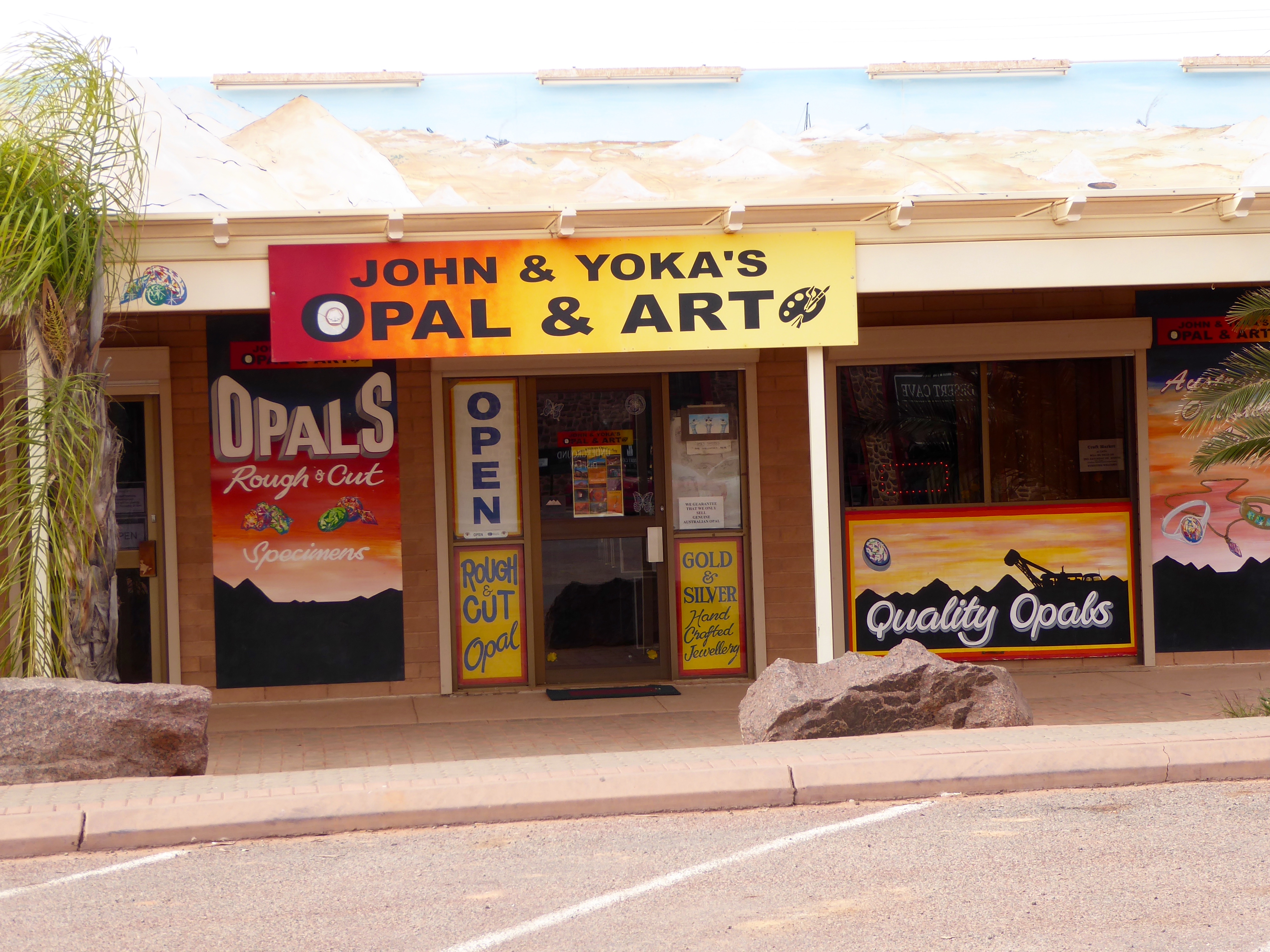
One of several small opal shops lining the street in Coober Pedy

One of several small opal shops lining the street in Coober Pedy

We went inside some, but the human already have some opals, and Zeb and Eider don’t think any new opals will be coming home with us.   We liked this car, the Opal Bug, at the Opal Beetle.
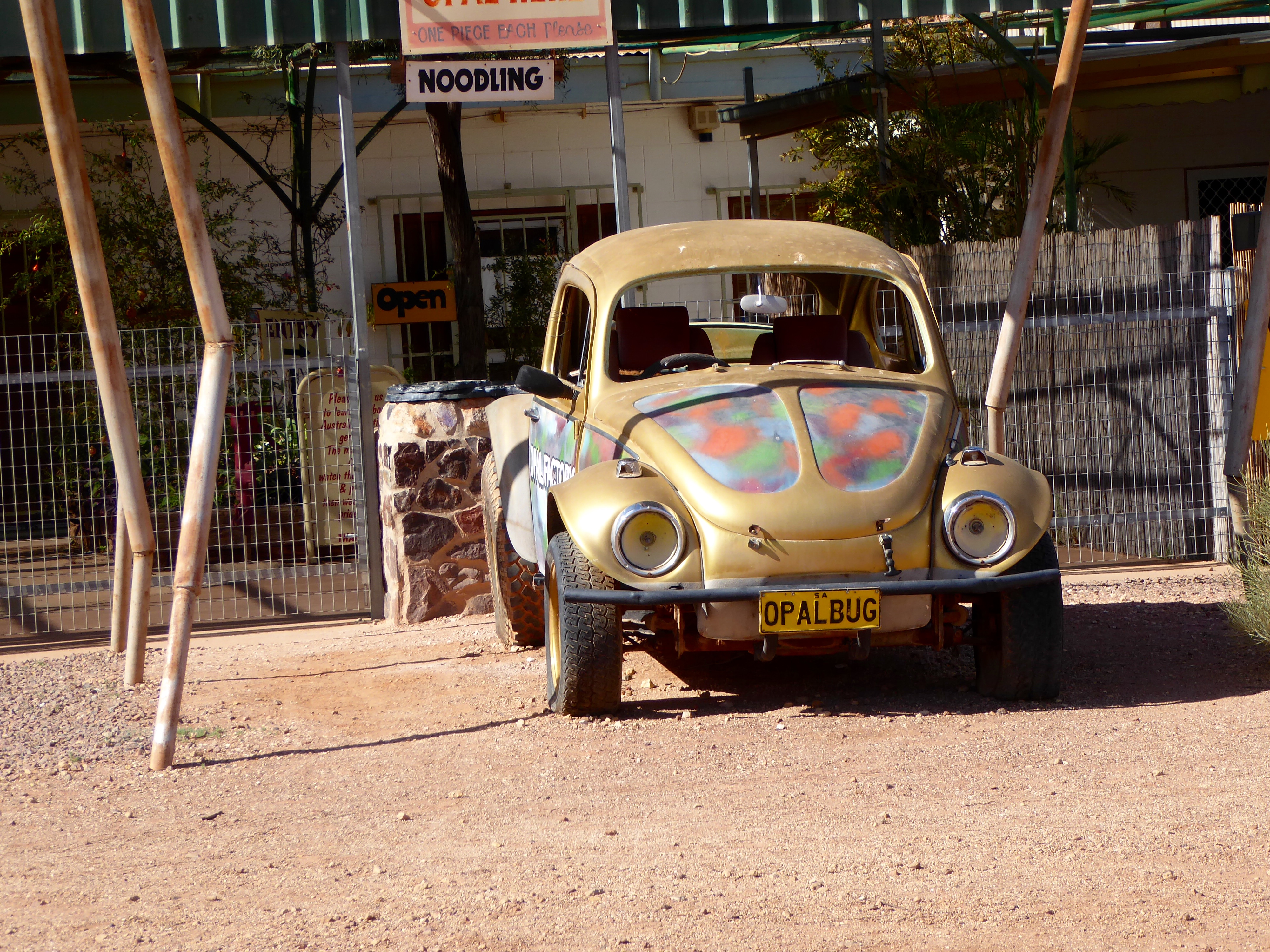
Car at Opal Beetle Shop

Opal Bug at Opal Beetle Shop

We entered the Umoona Opal Mine and Museum.
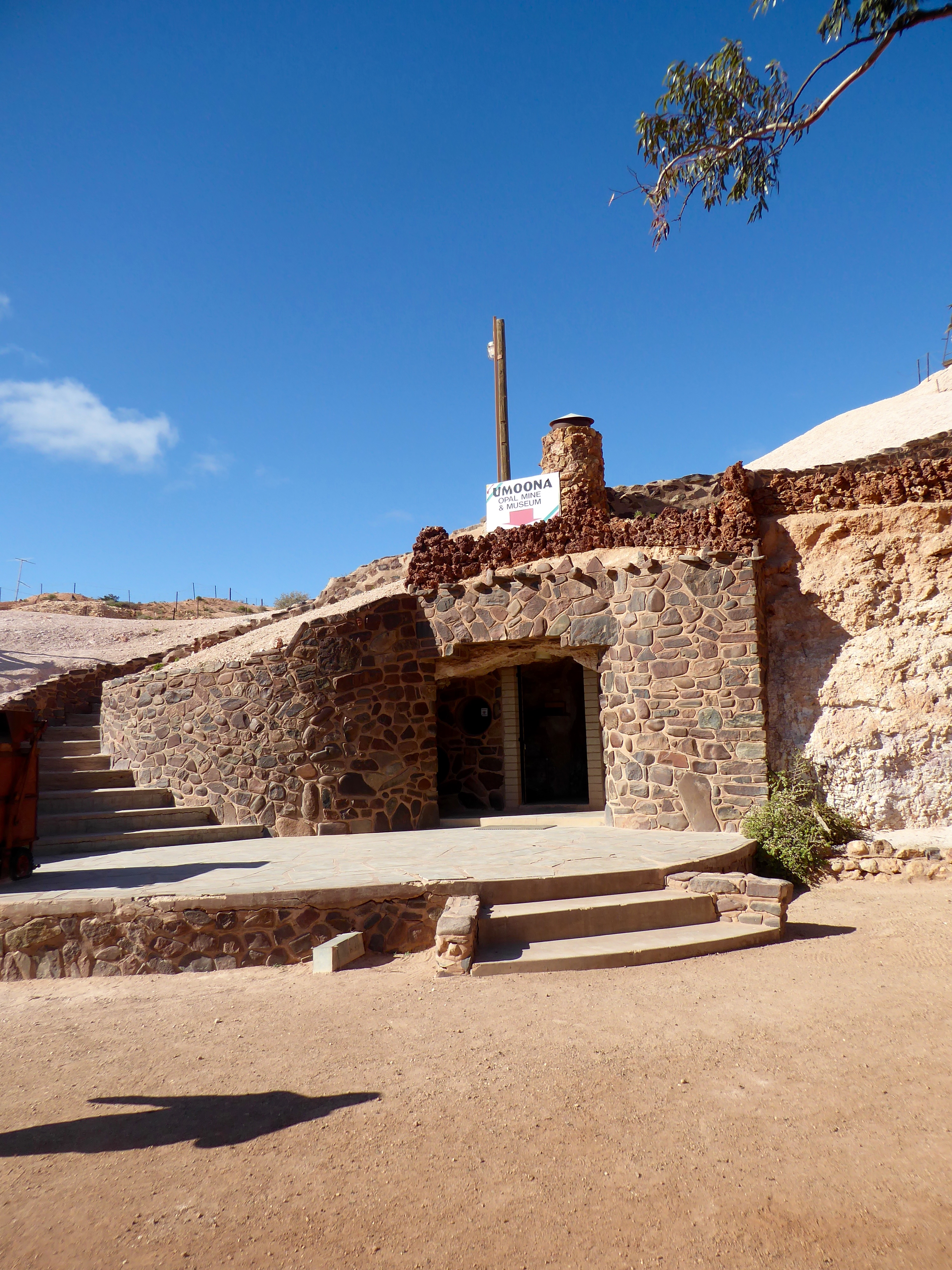
Umoona Mine

Umoona Mine

Into the mine.

Entering the mine

Entering the mine

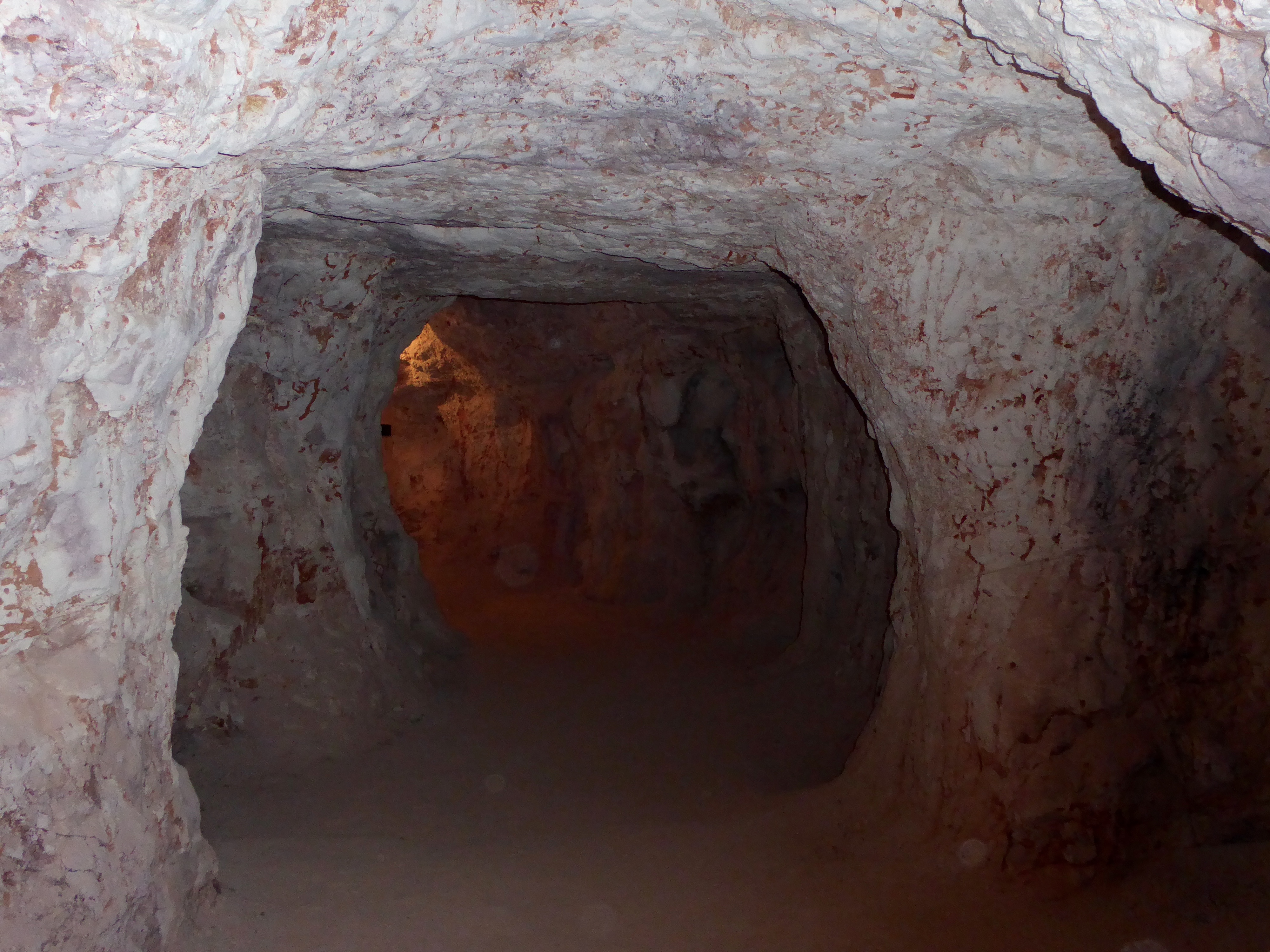
Through the tunnels.
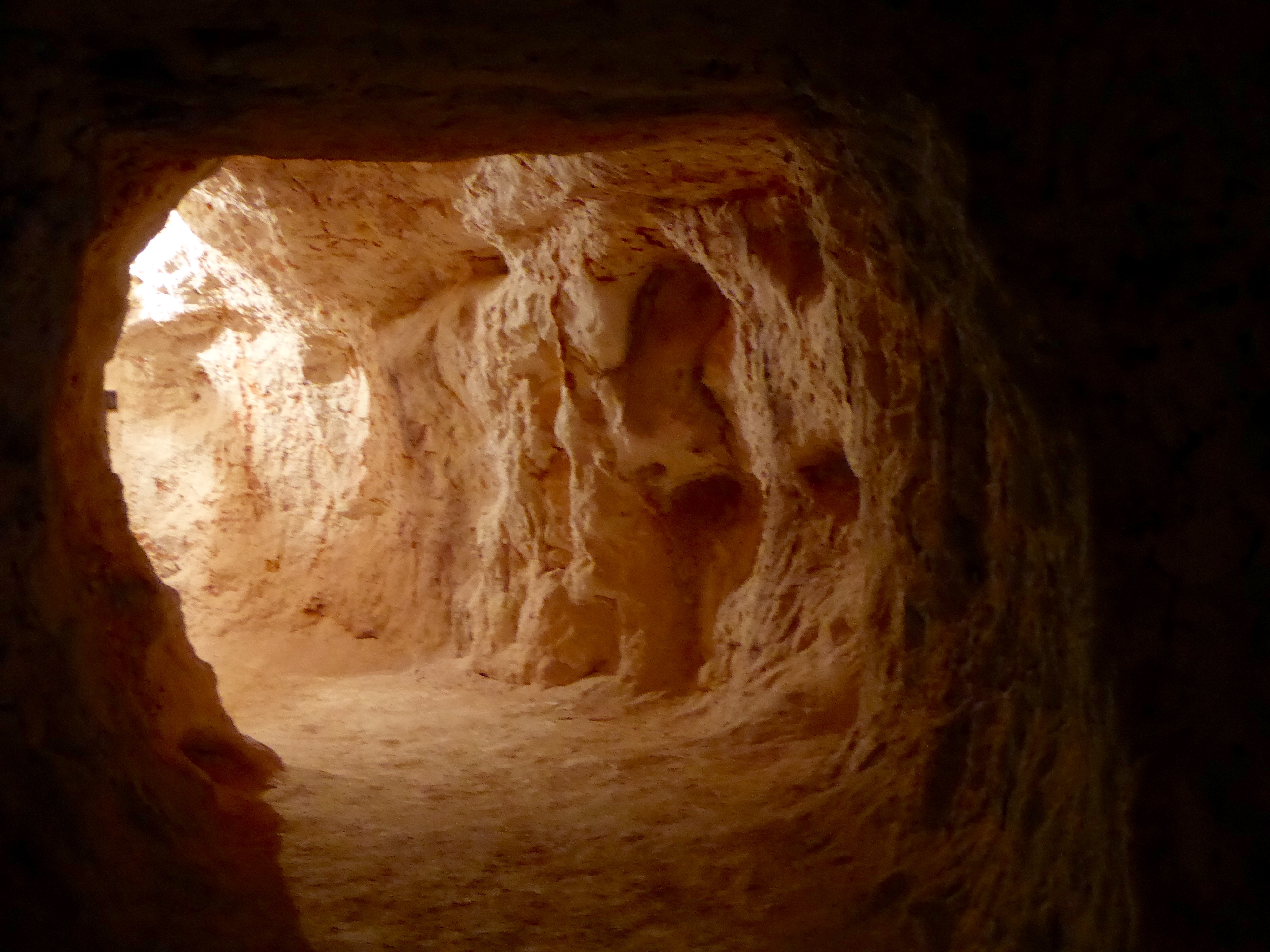
Walking through mine tunnel

Walking through mine tunnel

A layer of opal still in the rock.

Opal still in rock

Opal still in rock

This opal is great and they had a wonderful gift shop.   But still no opals going home with us.    These rock formations are known as The Breakaways.
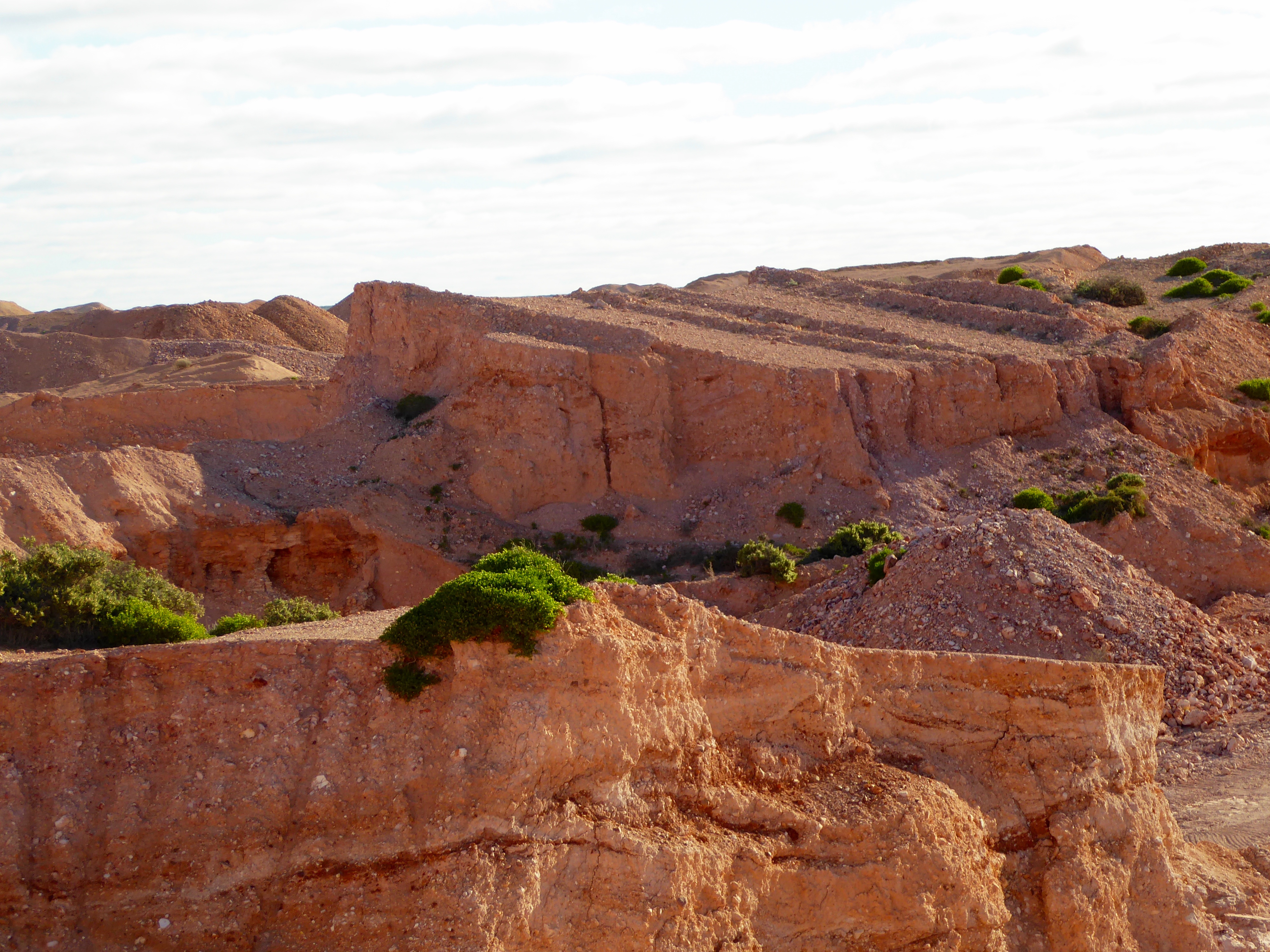
The Breakaways

The Breakaways

Look at this sky.  Love the clouds.
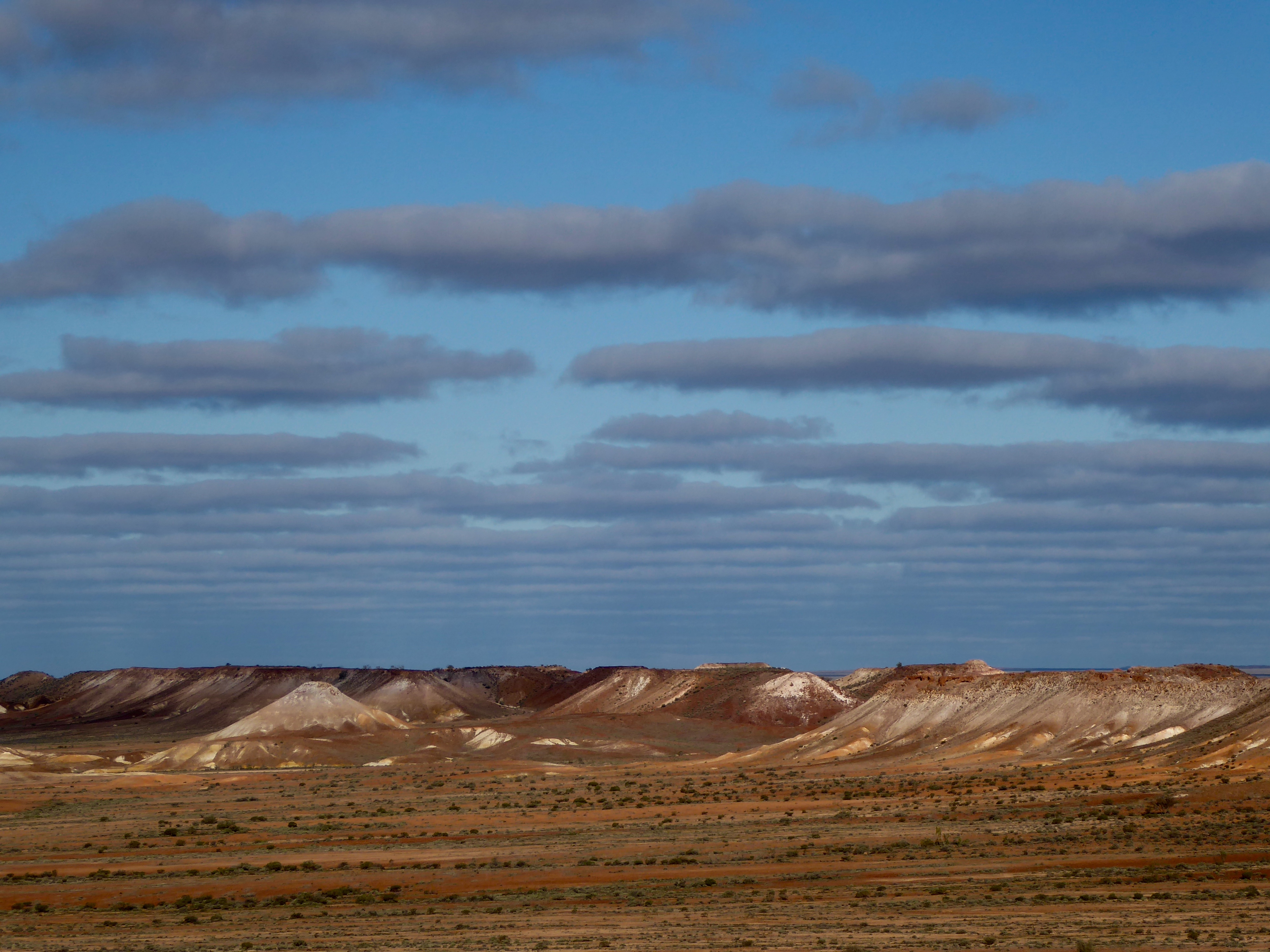
The Breakaways

The Breakaways

Nearby is the dingo fence, or the dog fence.
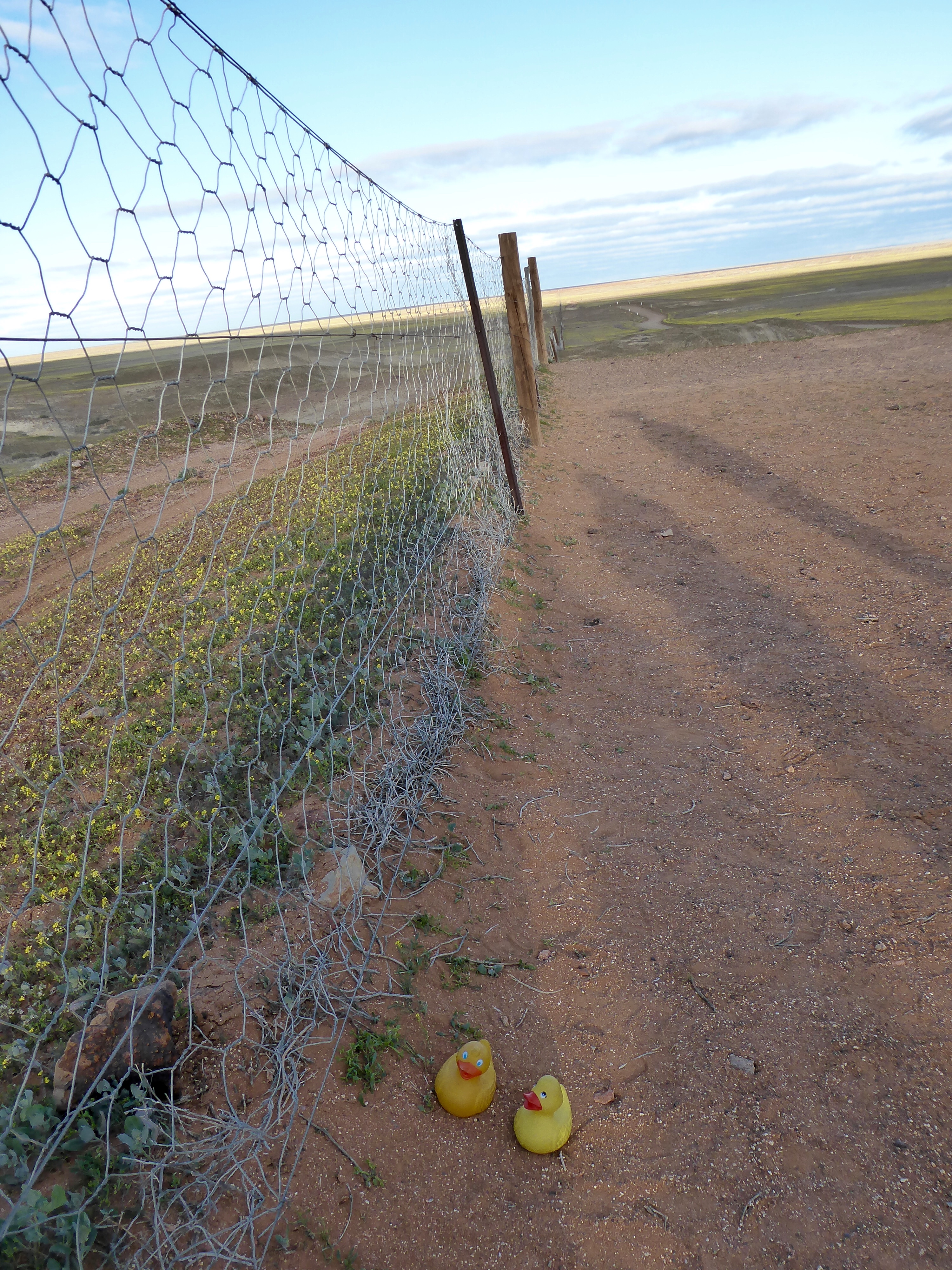
We are at the Dingo Fence

We are at the Dingo Fence

This dingo fence is the longest structure in the world.   It is even longer than the Great Wall of China.   This fence now extends for 5,300 kilometers.     At one time it extended 9,600 kilometers.
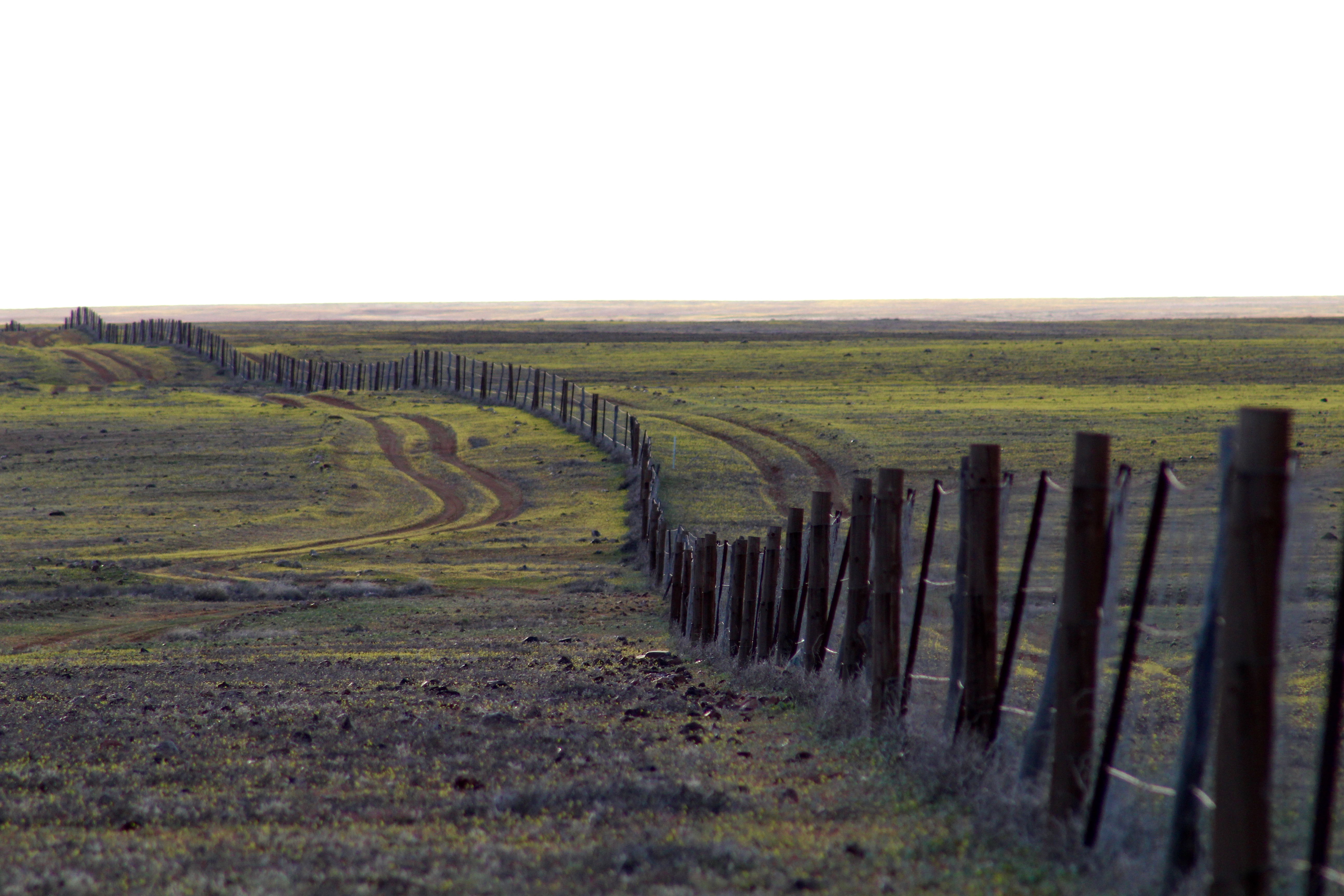
Longest structure in the world

Longest structure in the world

The fence was built by ranchers to prevent the wild dingos from the north from killing the stock   The dingo fence was built in 1946.   We then visited the Underground Serbian Orthodox Church of Saint Elijah Parish.
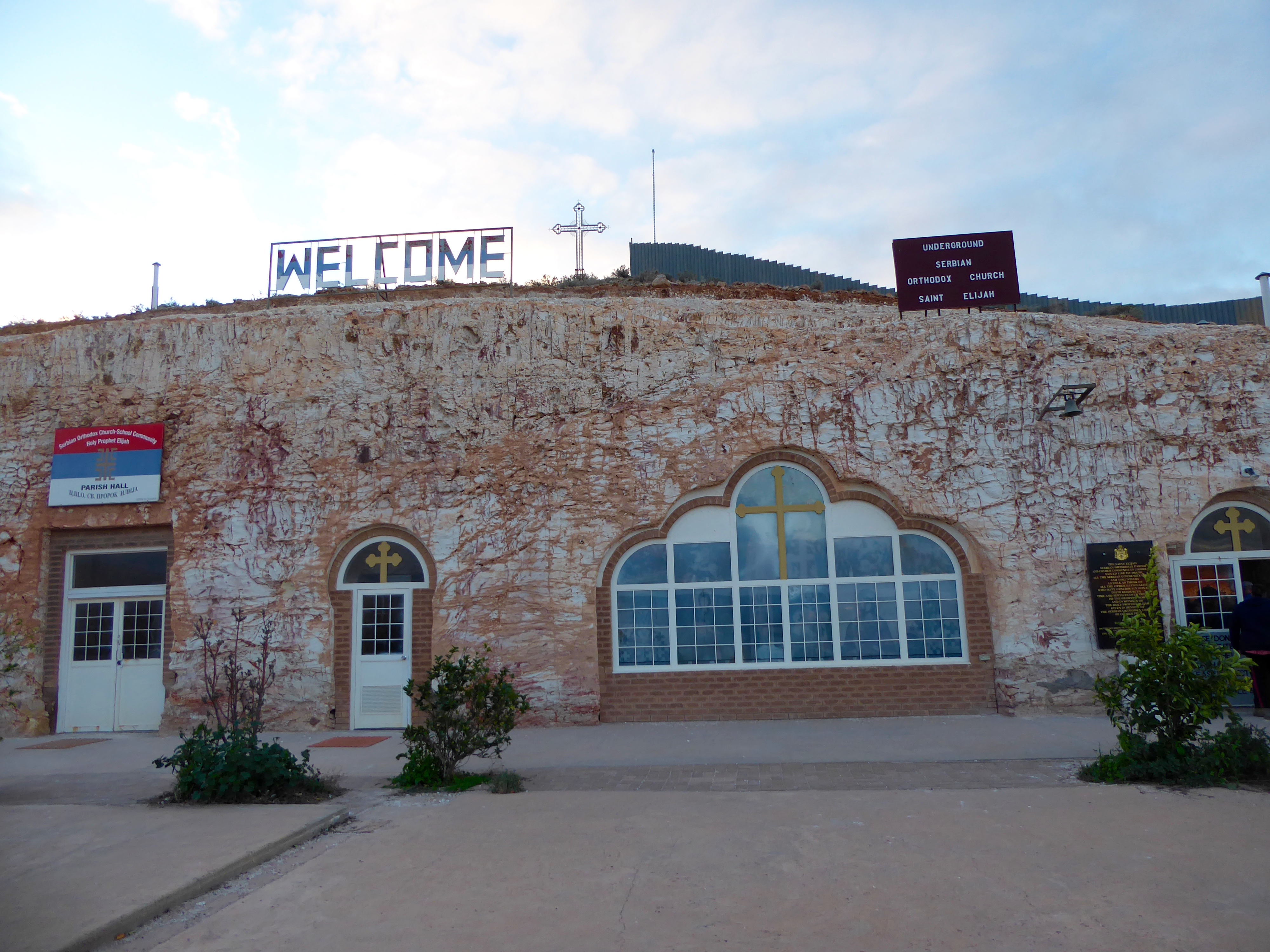
Underground Serbian Orthodox Church

Underground Serbian Orthodox Church

We are entering the tunnel leading to the interior of the church.
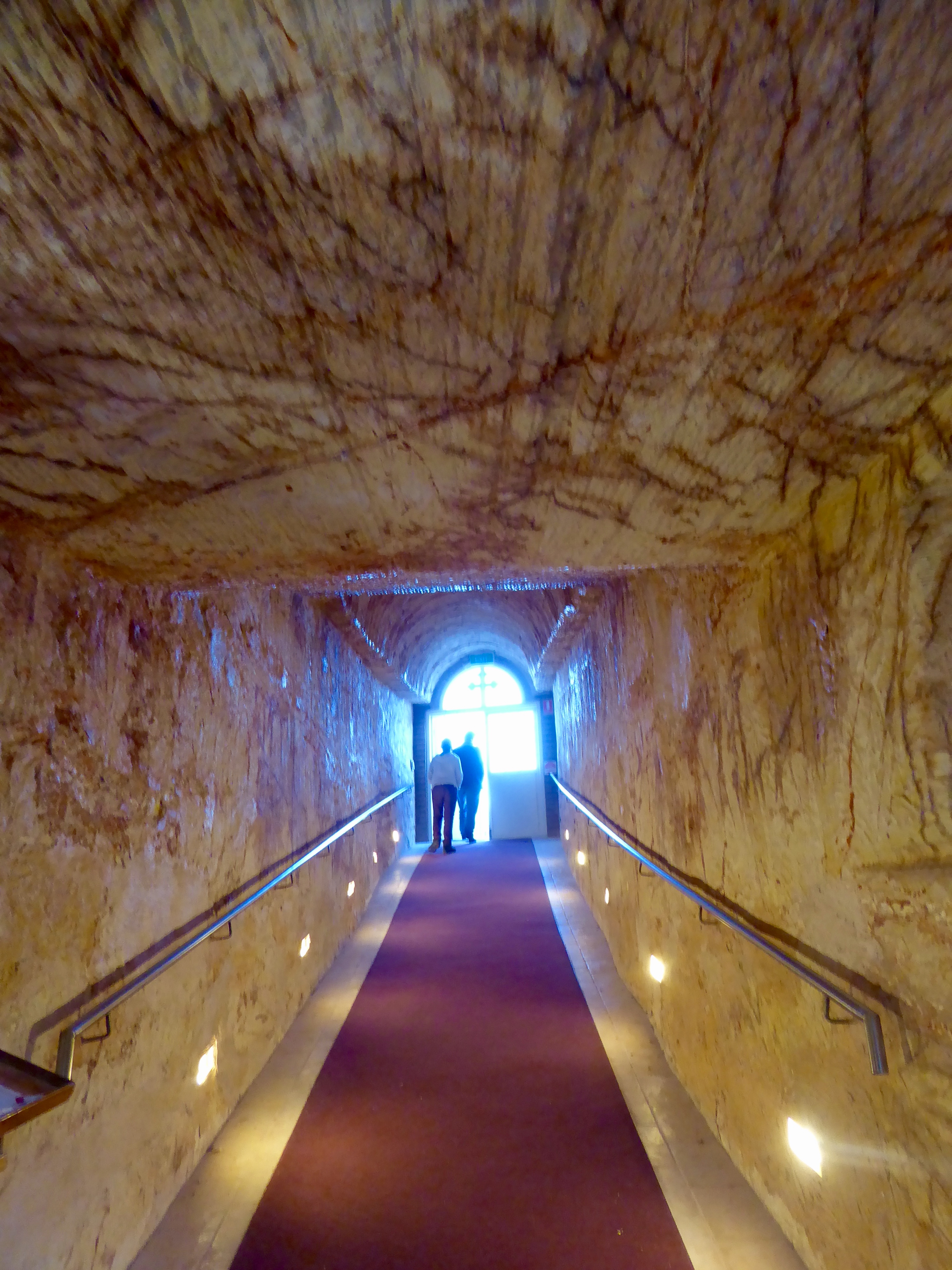
Tunnel to underground church

Tunnel to underground church

The altar is beautiful.
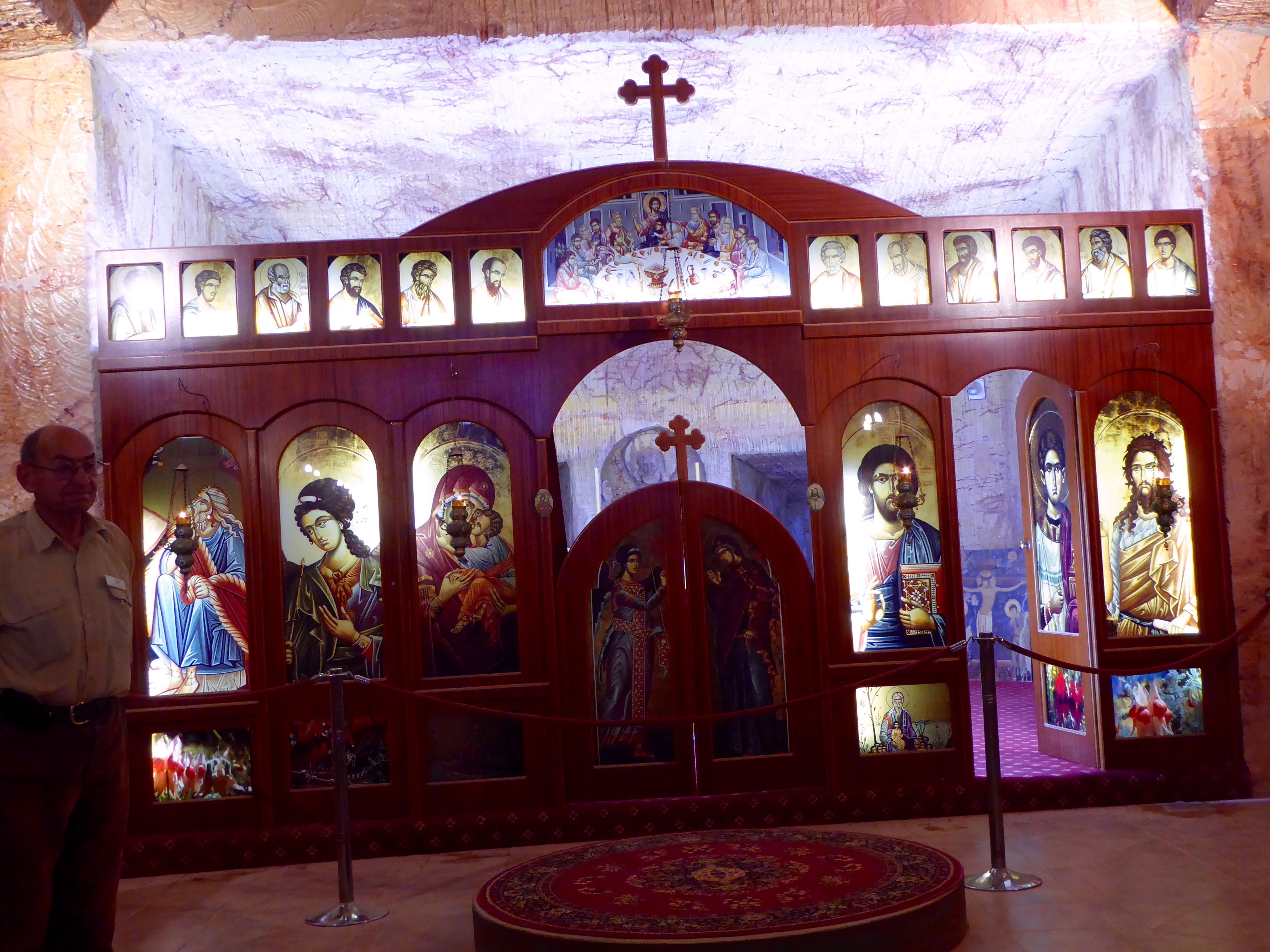
Altar of underground Serbian Orthodox Church

Altar of underground Serbian Orthodox Church

This is the view from the church balcony.
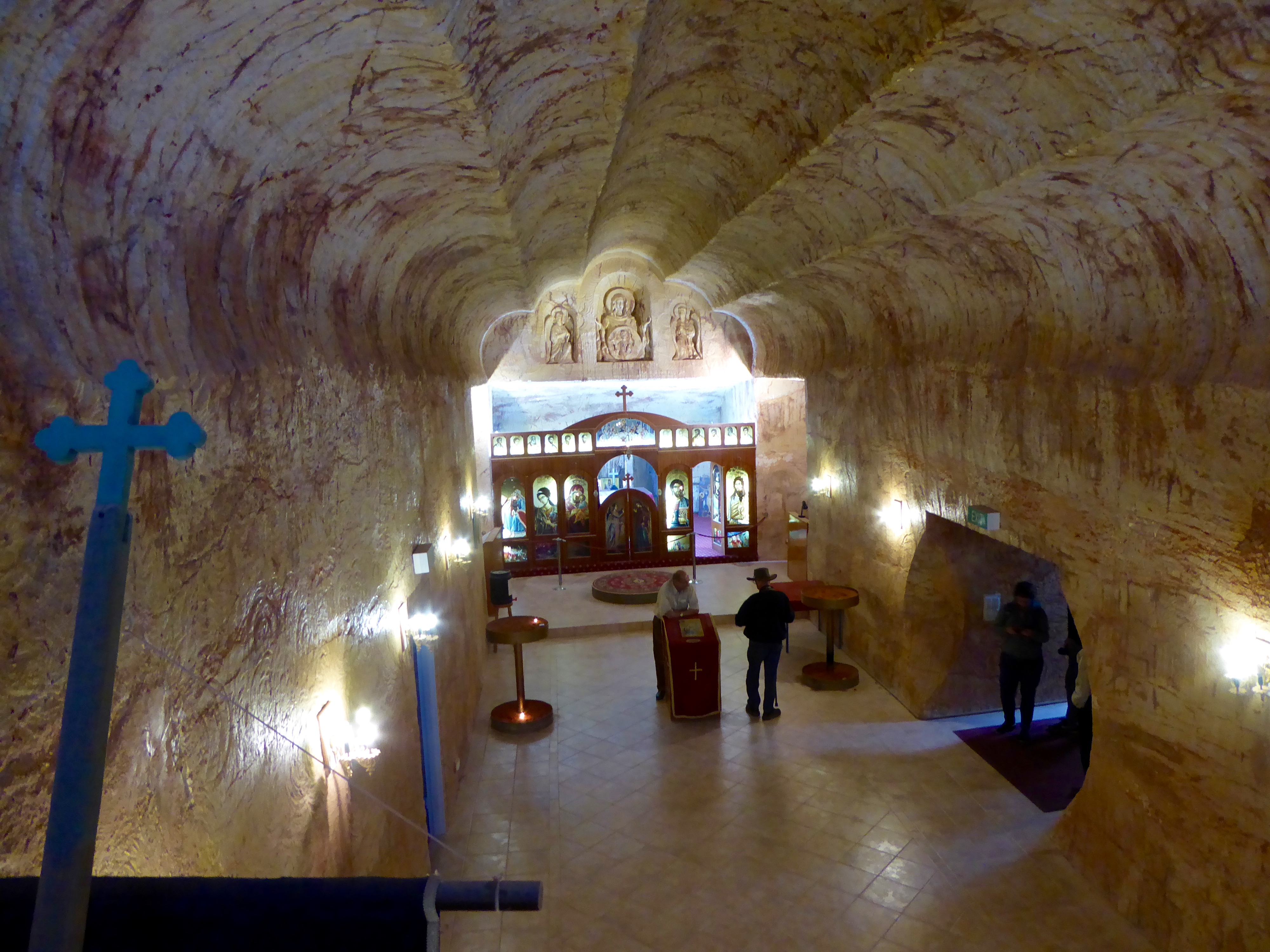
From church balcony

From church balcony

The church is built into the mountain, like a cave, so they can have these beautiful windows on one side
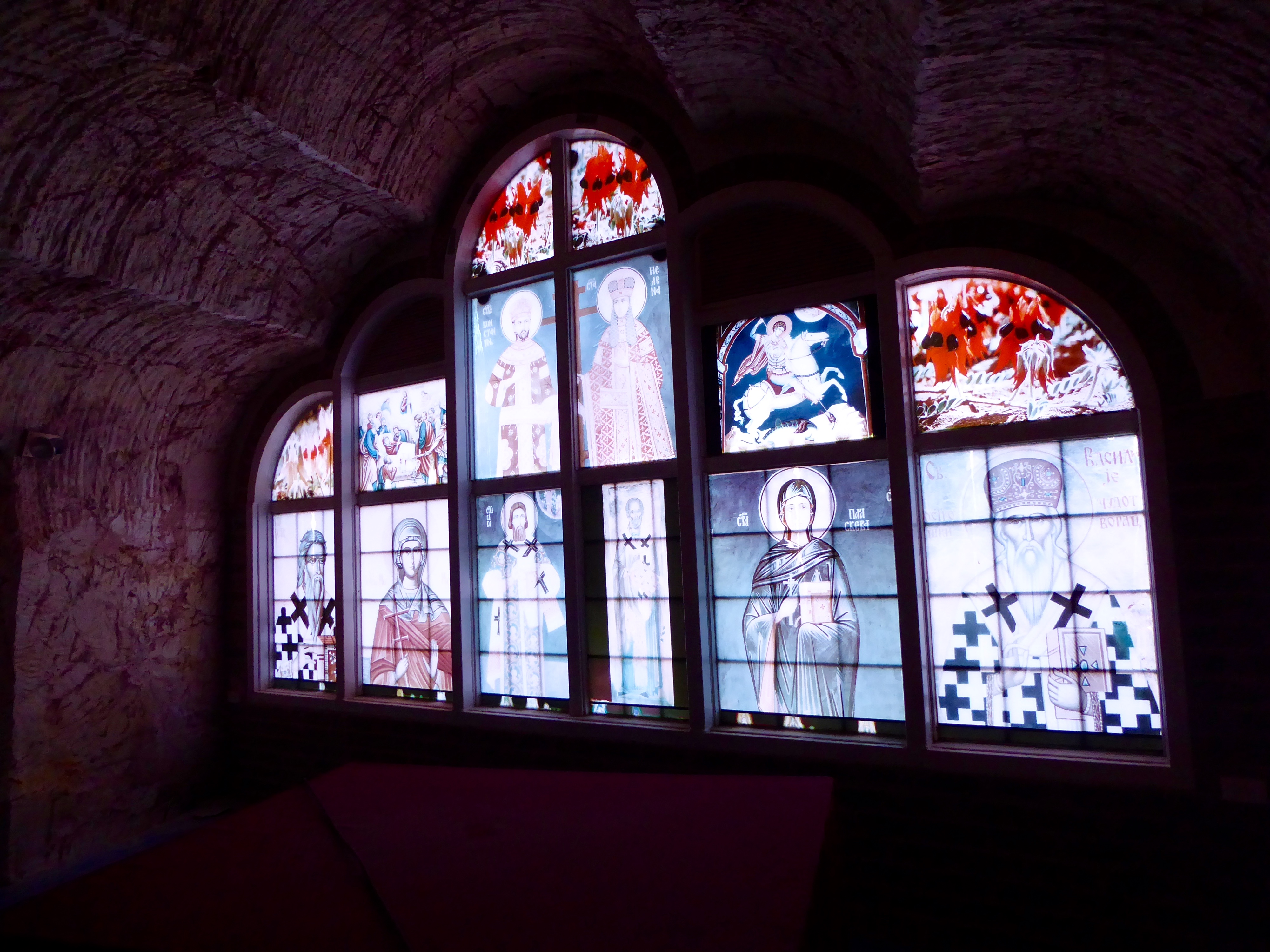
Dugout allows one side with beautiful windows

Dugout allows one side with beautiful windows

We really enjoyed our visit to Coober Pedy.   We hope you visit also.
Zeb and Eider Visit the Opal Capital of the World: Coober Pedy

Zeb and Eider Duck and the human are now in the opal capital of the world.

Coober Pedy is the Opal Capital of the World

Coober Pedy is the Opal Capital of the World

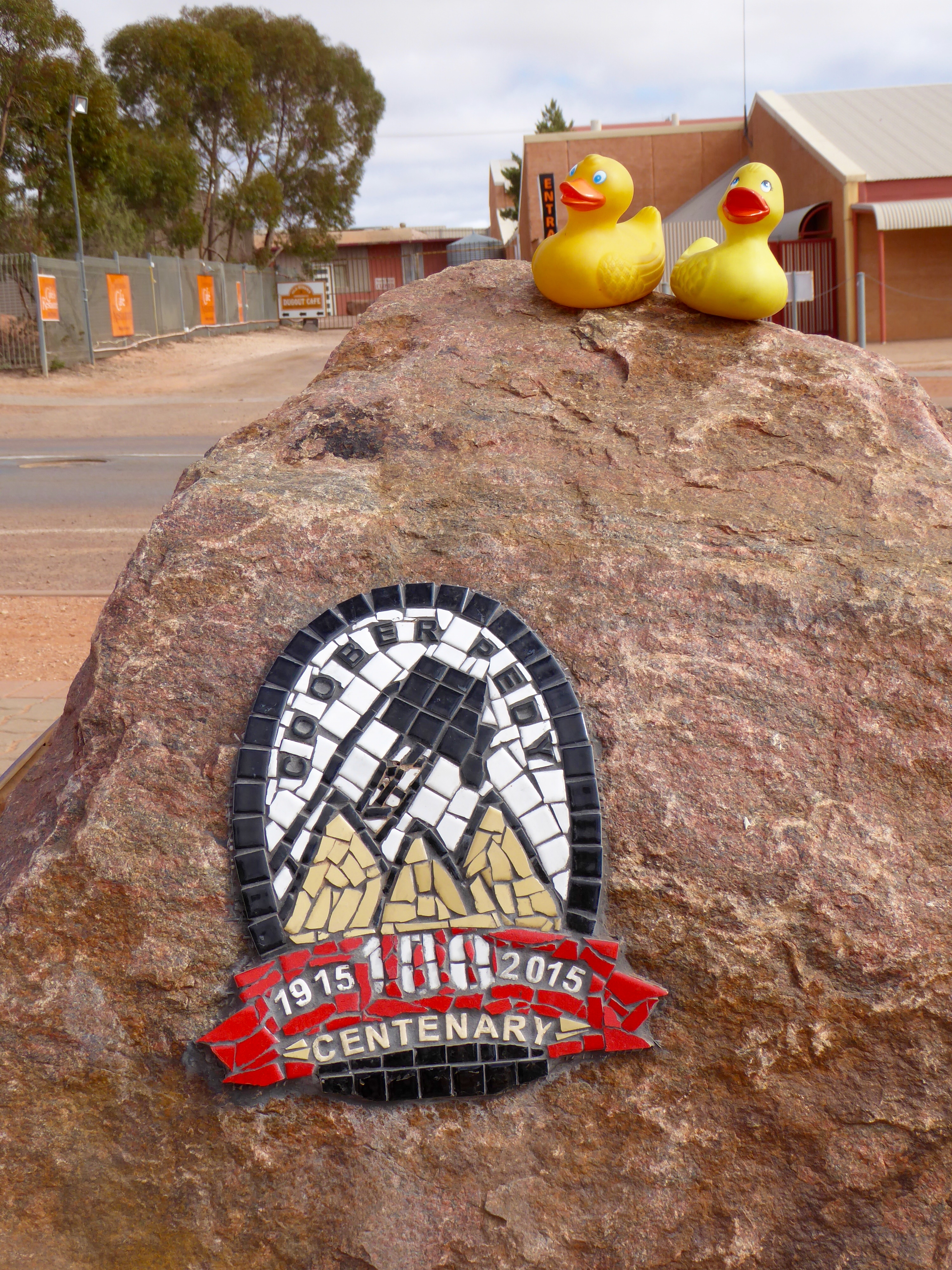
We are in Coober Pedy, South Australia.   Coober Pedy is in the southern outback desert.   In the heat of summer, temperatures of 50 degrees Celsius have been recorded.   For those of us using Fahrenheit temperatures, that is about 124 degrees.   The first opal was discovered by Willie Hutchison in 1915, and the town was born.

Coober Pedy celebrates 100 years

Coober Pedy celebrates 100 years

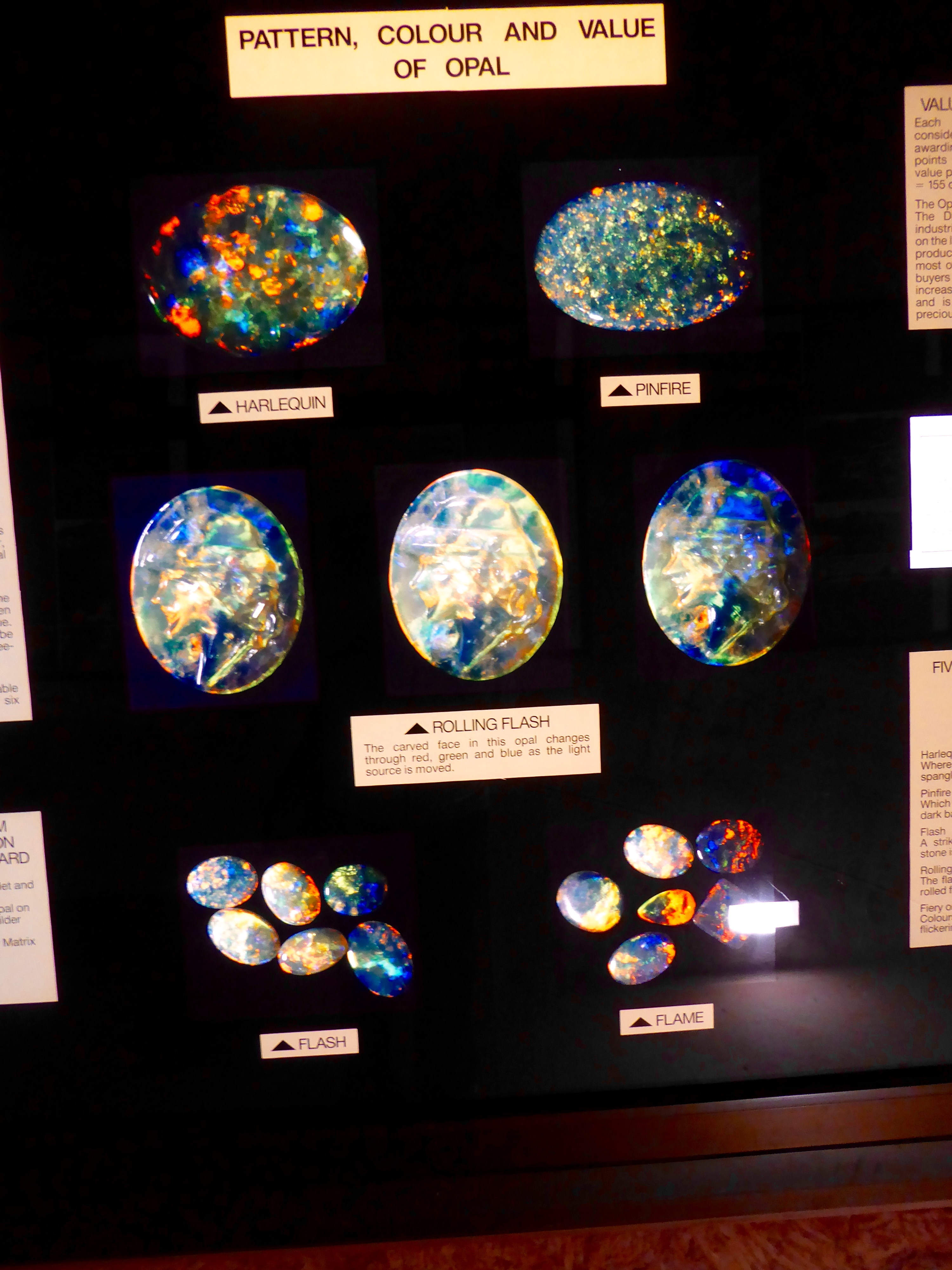
95% of the world’s opals come from Australia and Coober Pedy produces more than any other area of Australia.

Beautiful opals

Beautiful opals

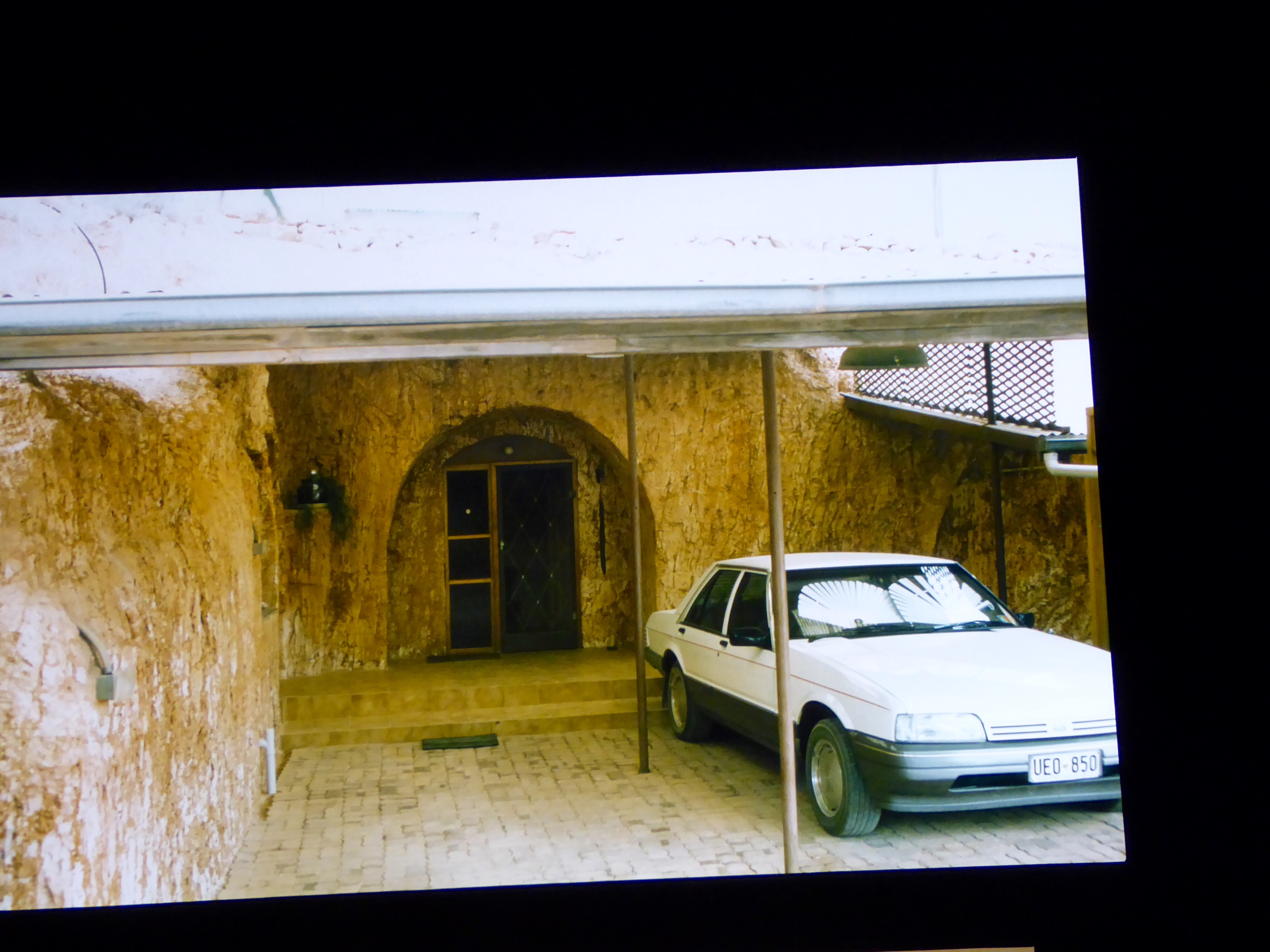
When World War I ended, returning soldiers came to find opals.   There was very little wood to build homes and the soldiers had lived in underground fox holes during the war.   With no wood and extreme heat, living underground was the best solution.   The home were called dugouts, as most were dug out of the side of a hill.

Dugout is dug out of side of mountain or hill

Dugout is dug out of side of mountain or hill

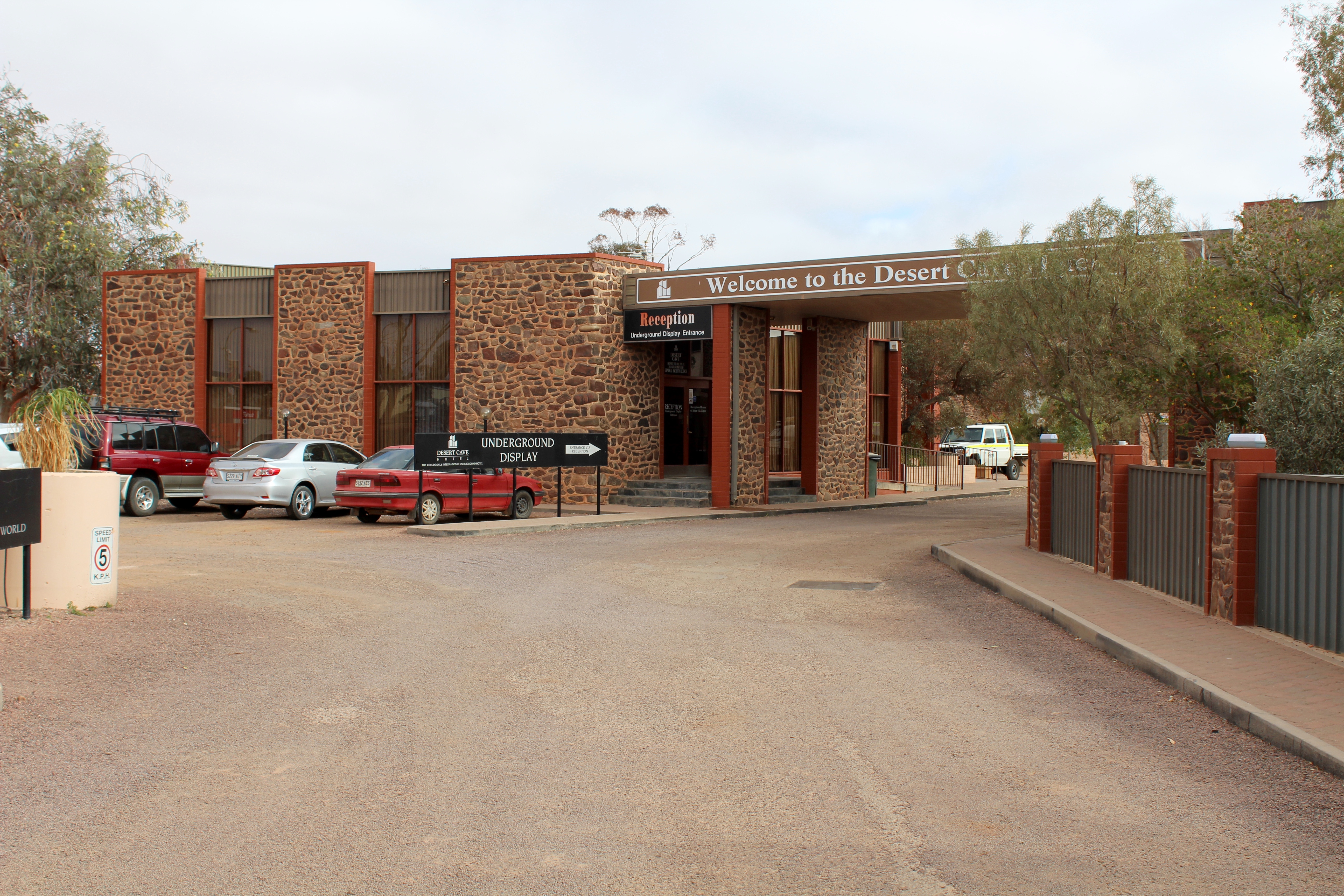
The name of the town came from the aboriginal phrase, Kupa Piti,which means “white fellows in a hole.”   Today over half of Coober Pedy’s population lives in dugouts, underground.   The underground temperature remains a comfortable 24 degrees Celsius (about 73 degrees F) all year.   We stayed at the Desert Cave

Desert Cave Hotel. We stayed in underground part in the back

Desert Cave Hotel. We stayed in underground part in the back

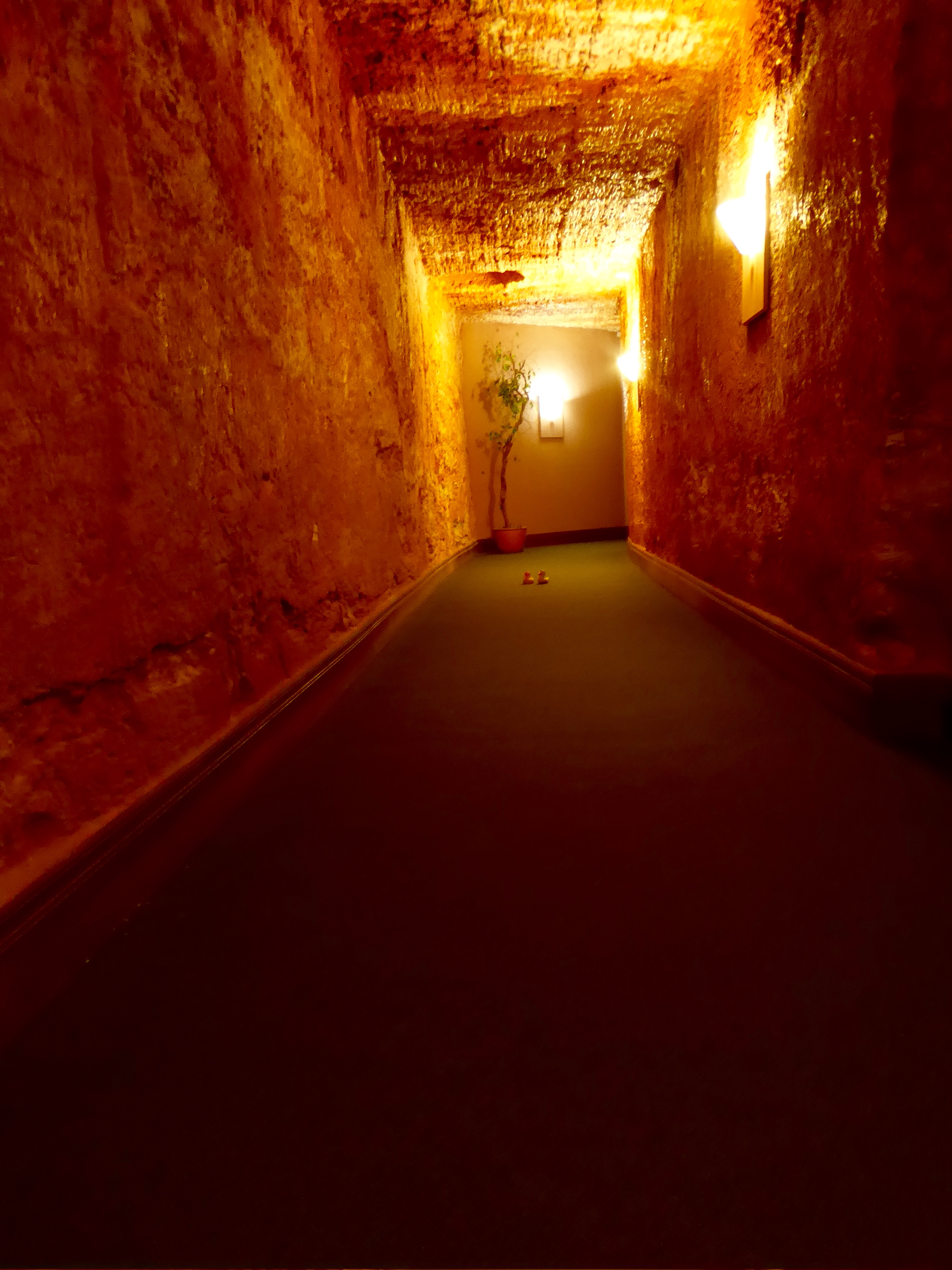
in an underground room.   This is the hotel’s underground hall to our room.

Underground hall to our room

Underground hall to our room

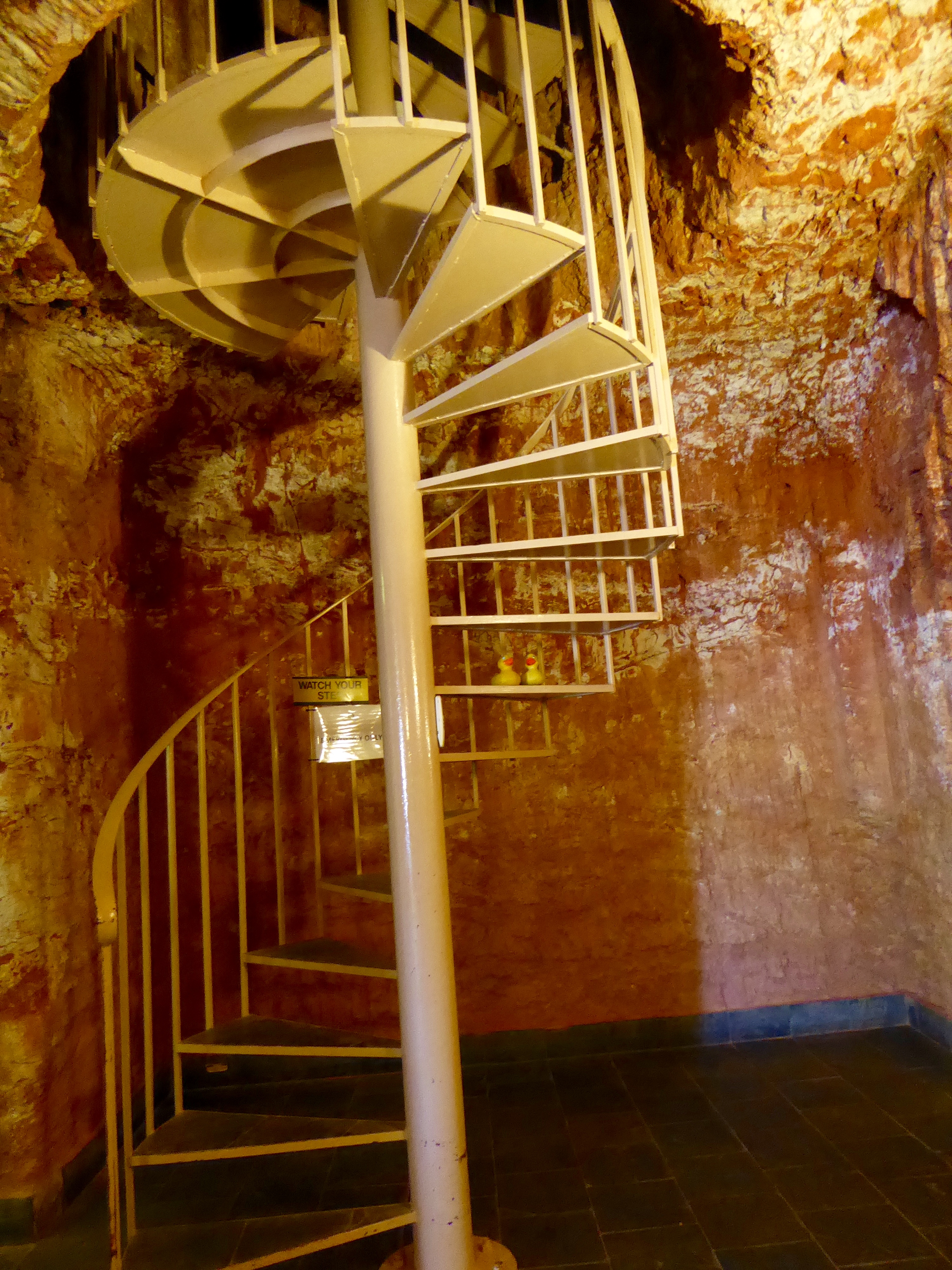
Since we are underground, the emergency exit must be a staircase leading up to the outdoors.   Here we are on the emergency exit.

Climb up for emergency exit

Climb up for emergency exit

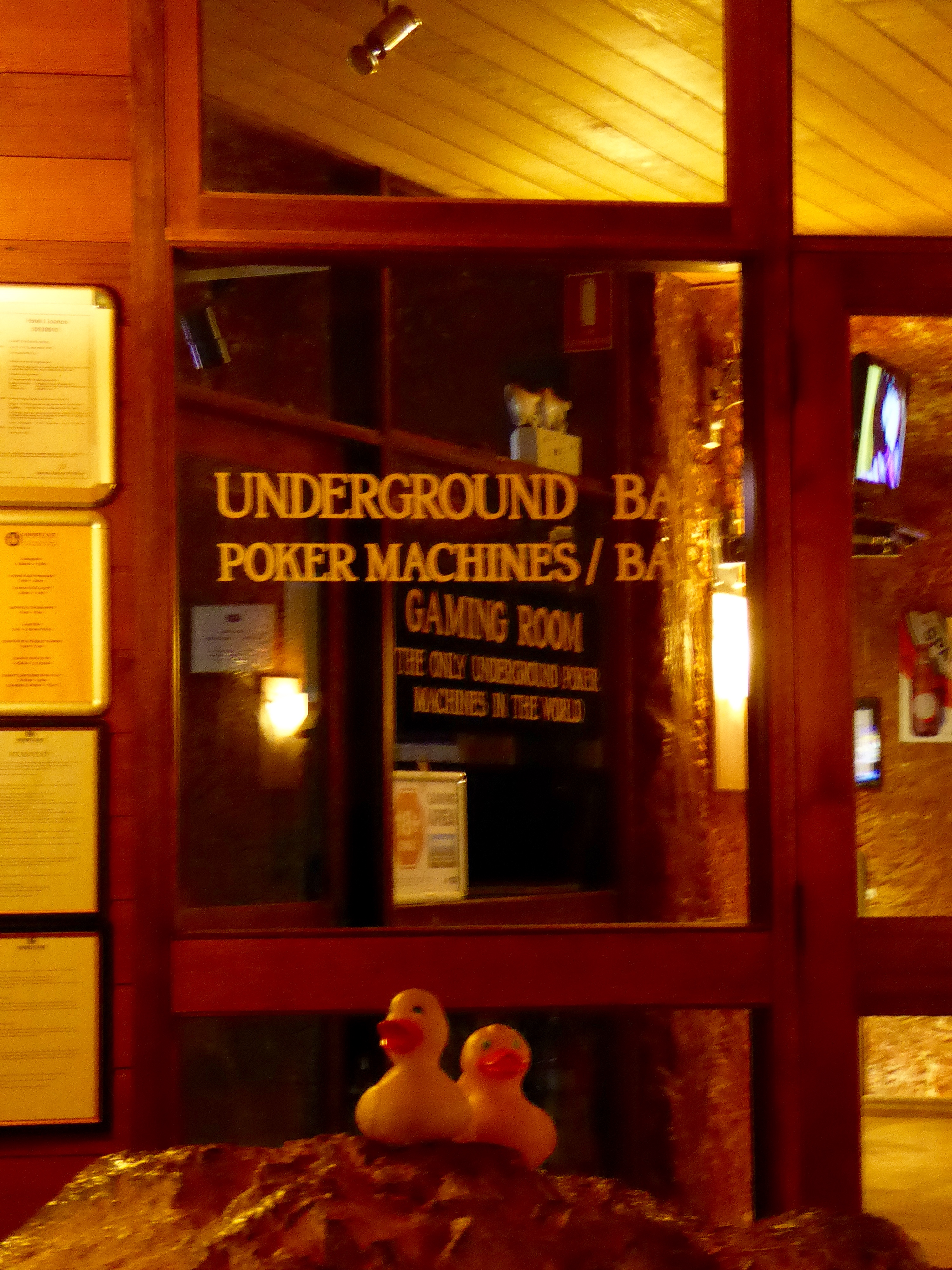
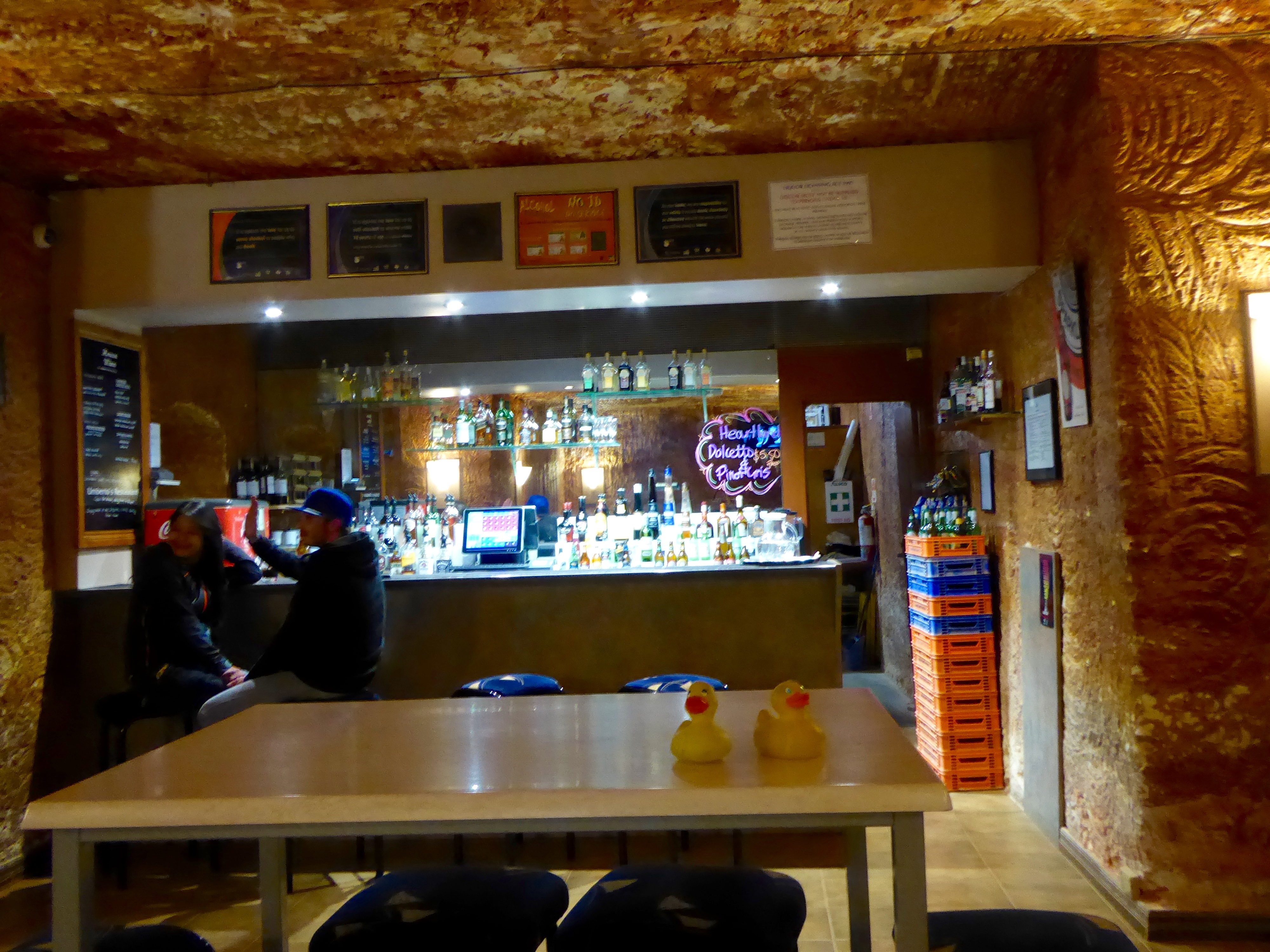
Our hotel has a bar and game room that is underground.

Underground Bar in our hotel

Underground Bar in our hotel

We like this place.

First underground bar for Zeb and Eider

First underground bar for Zeb and Eider

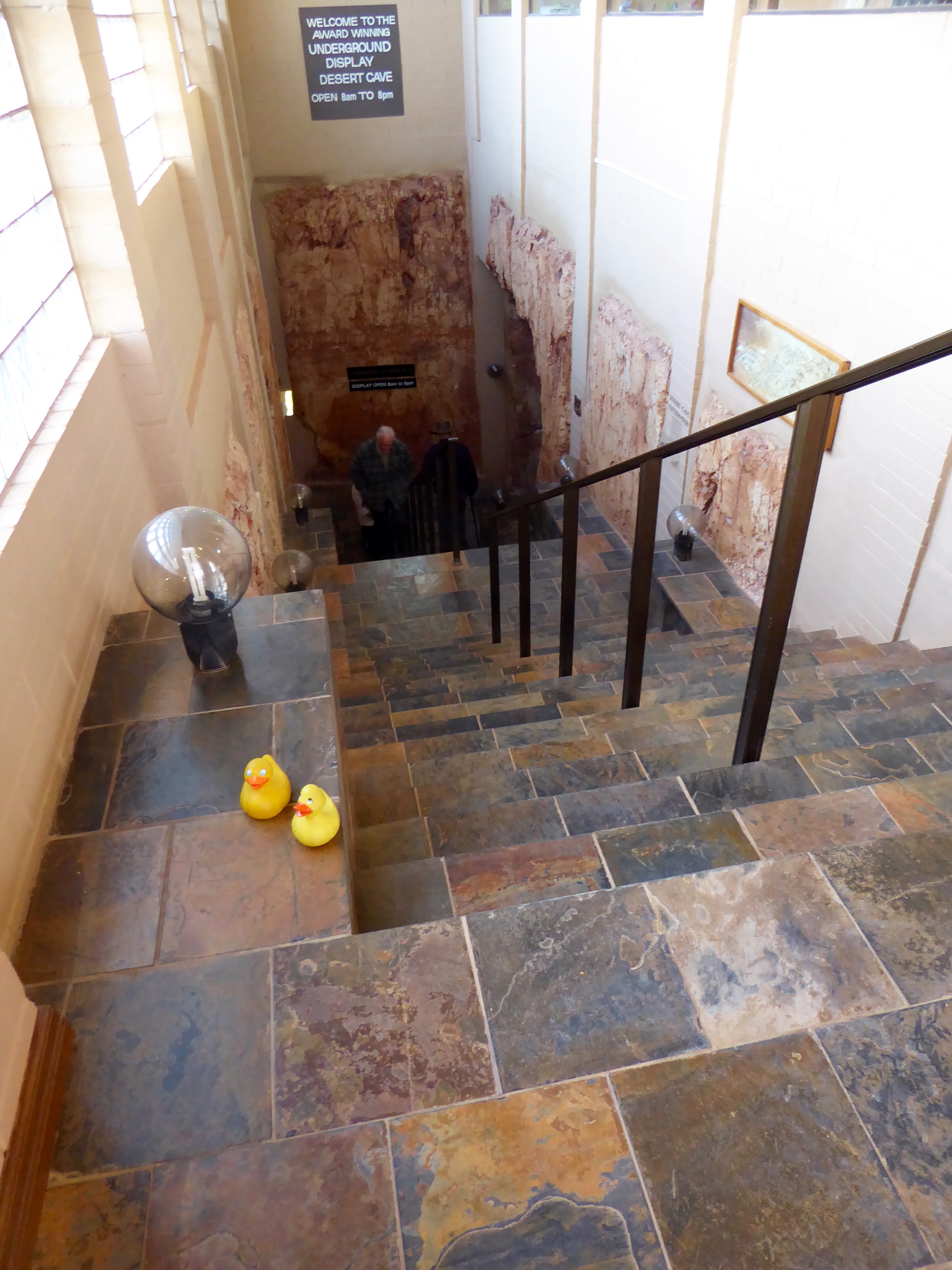
Our breakfast restaurant, the Crystal Cafe, is also underground, as is the gift shop and the opal store, Opal World.    Our hotel, the Desert Cave, has a tunnel from the reception to the restaurant and shops.   We are going down the stairs and into the tunnel.

Down the stairs to our hotel tunnel

Down the stairs to our hotel tunnel

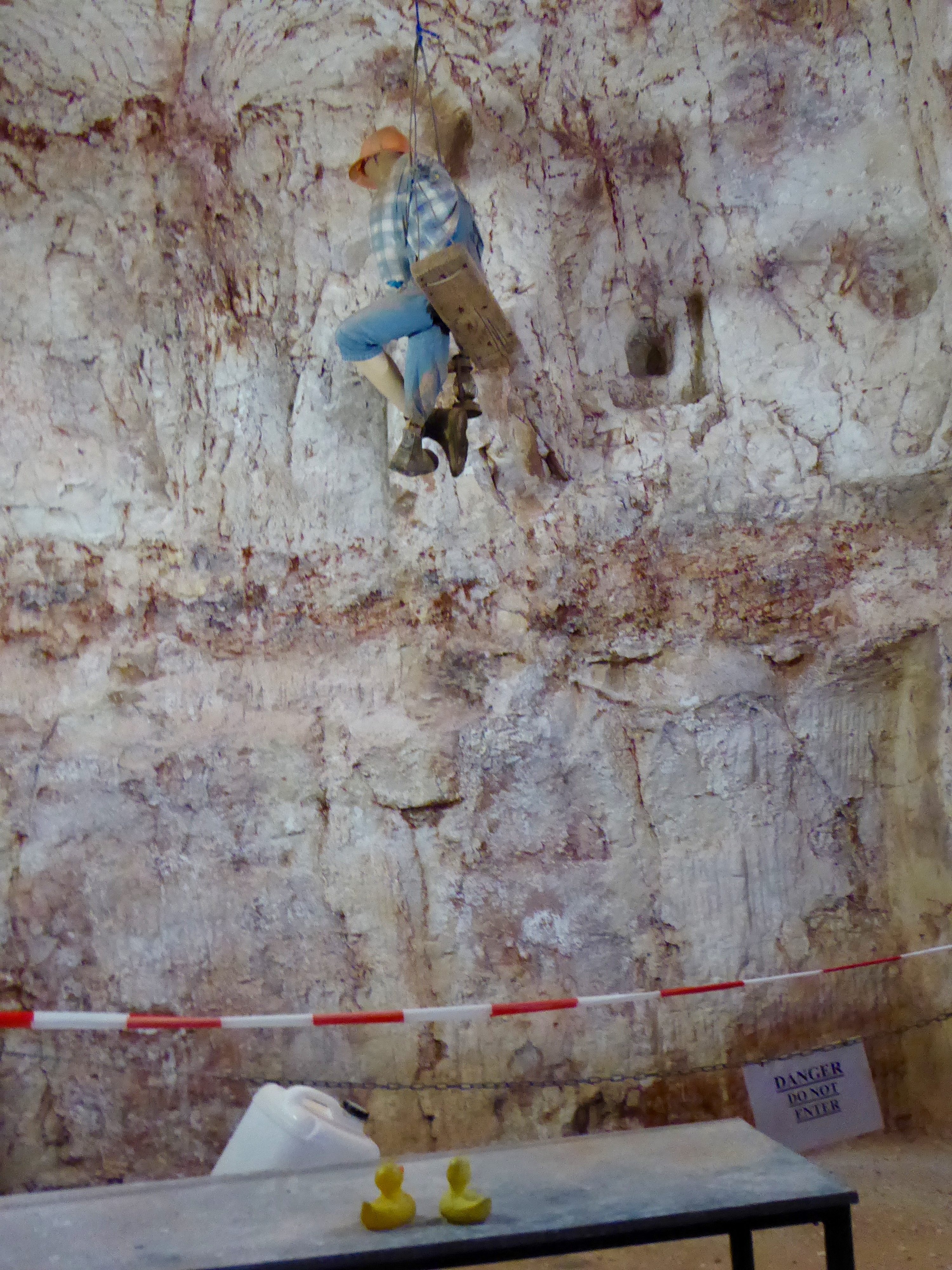
In the tunnel we discovered an opal mine and museum.   Here is a pretend miner using the mine shaft to enter and exit.

A fake miner using ropes to enter and exit the mine

A fake miner using ropes to enter and exit the mine

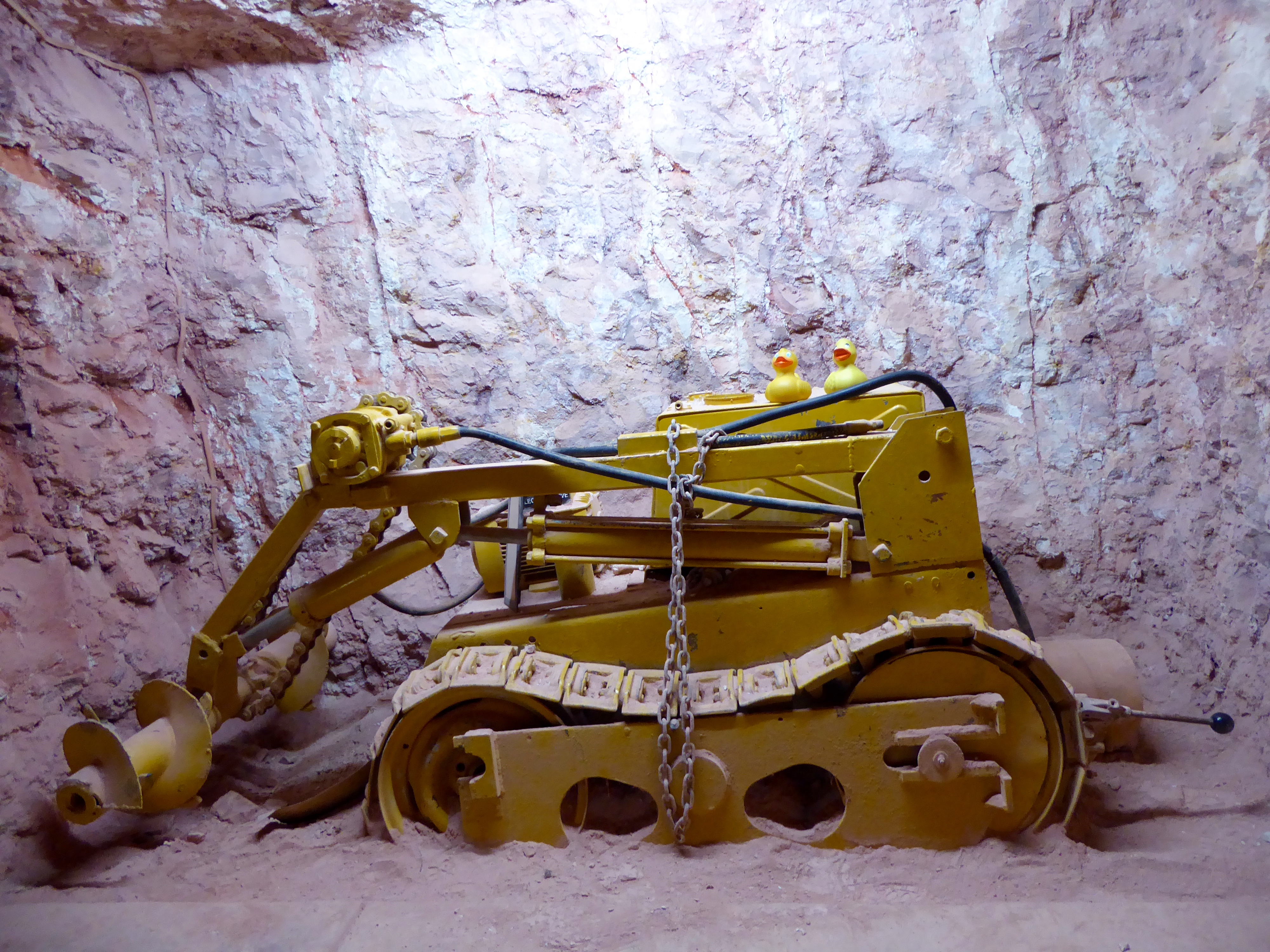
There is a photographic history of Coober Pedy in the tunnel.   We are on some mining machinery in the tunnel.

We are on old mining equipment

We are on old mining equipment

We really liked our hotel and we like visiting Coober Pedy.   If you visit here, be sure to arrange transportation to your hotel before you arrive.   There are no taxis in Coober Pedy.   Next time we will show you some of Coober Pedy.   We like it here.

Australia’s Ayers Rock or Uluru and Kata Tjuta with Zeb and Eider Duck

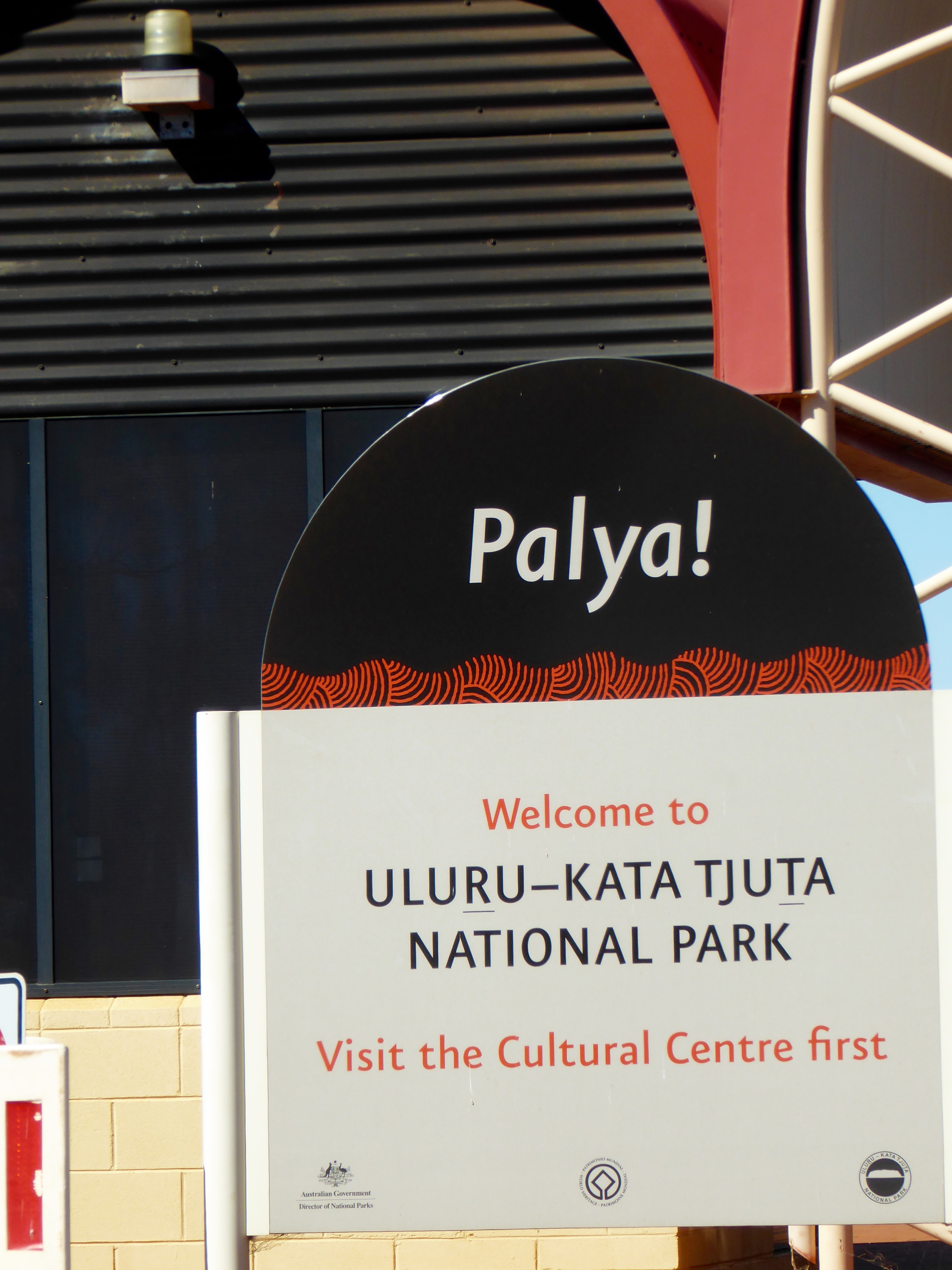
Zeb and Eider and the humans visited Uluru-Kata Tjuta National Park.

Uluru-Kata Tjuta National Park

Uluru-Kata Tjuta National Park

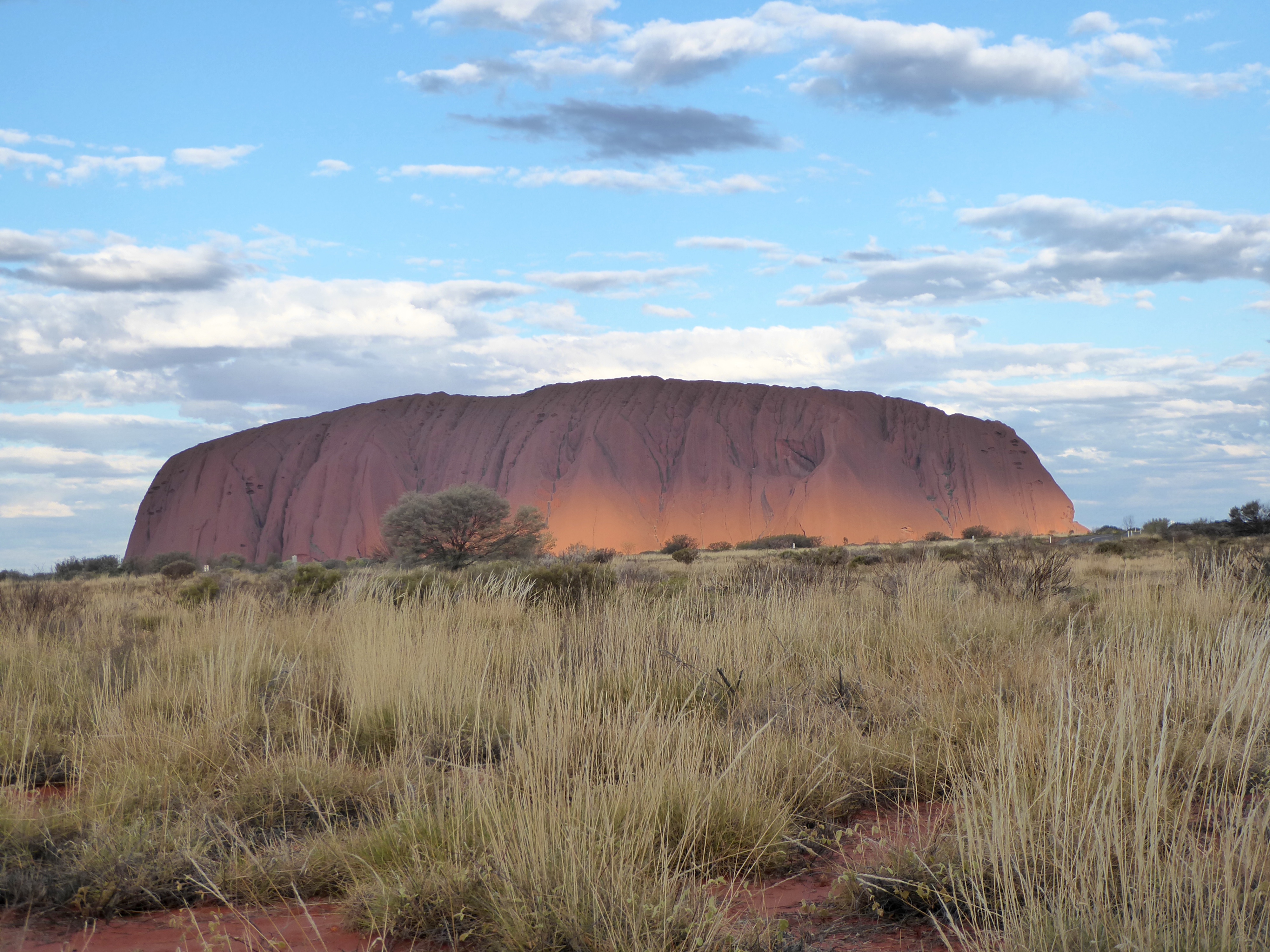
We arrived in the afternoon and immediately arranged to view Uluru, previously called Ayers Rock, at sunset.   The rock seems to change color as the sun begins to set.

Uluru as sun begins to set

Uluru as sun begins to set

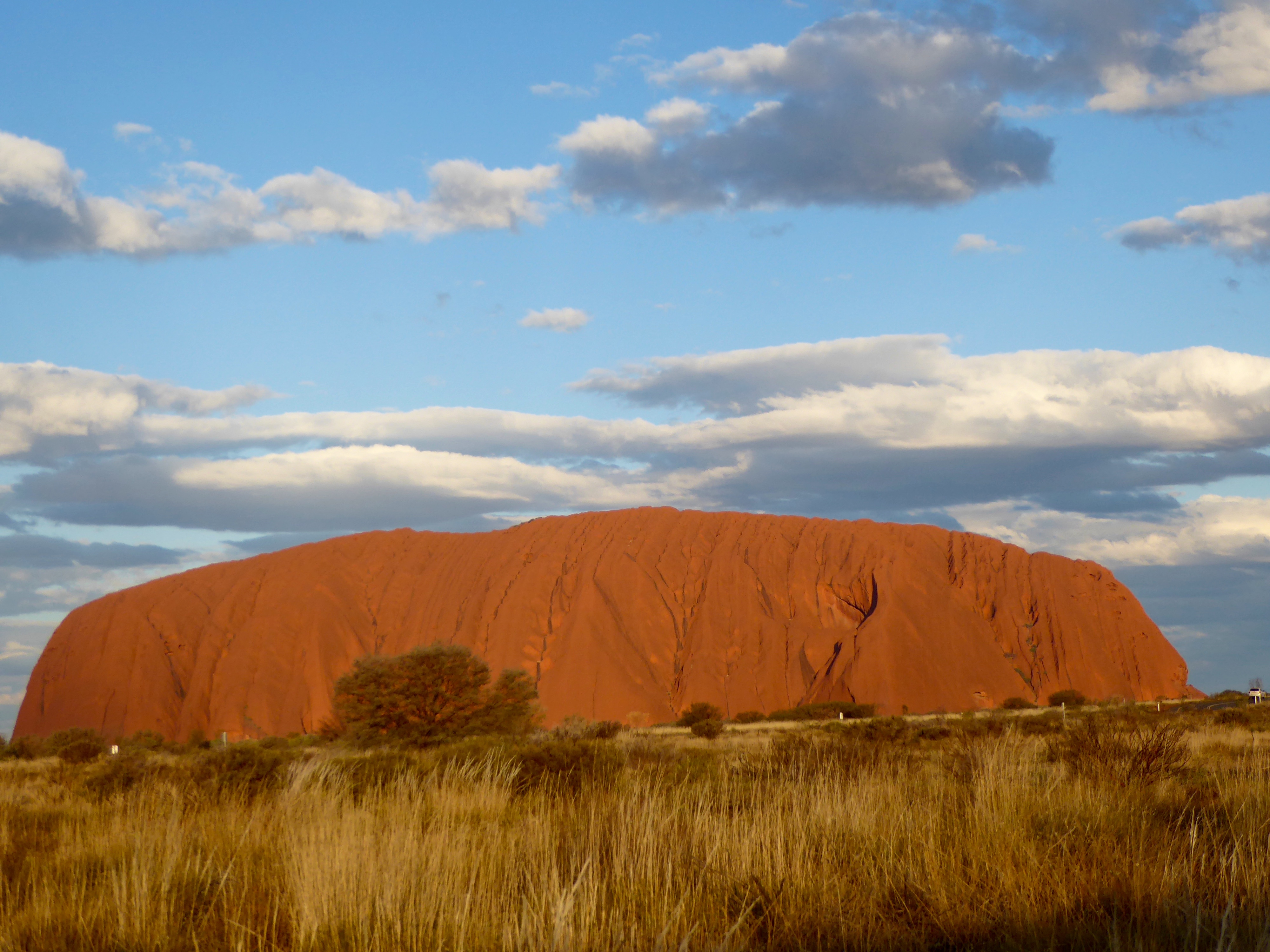
This is one of our favorite sunset photos.

Uluru at sunset

Uluru at sunset

The next morning we returned to view the sunrise.   The sun is hitting Uluru now, creating light and great shadows.

Sunrise at Uluru

Sunrise at Uluru

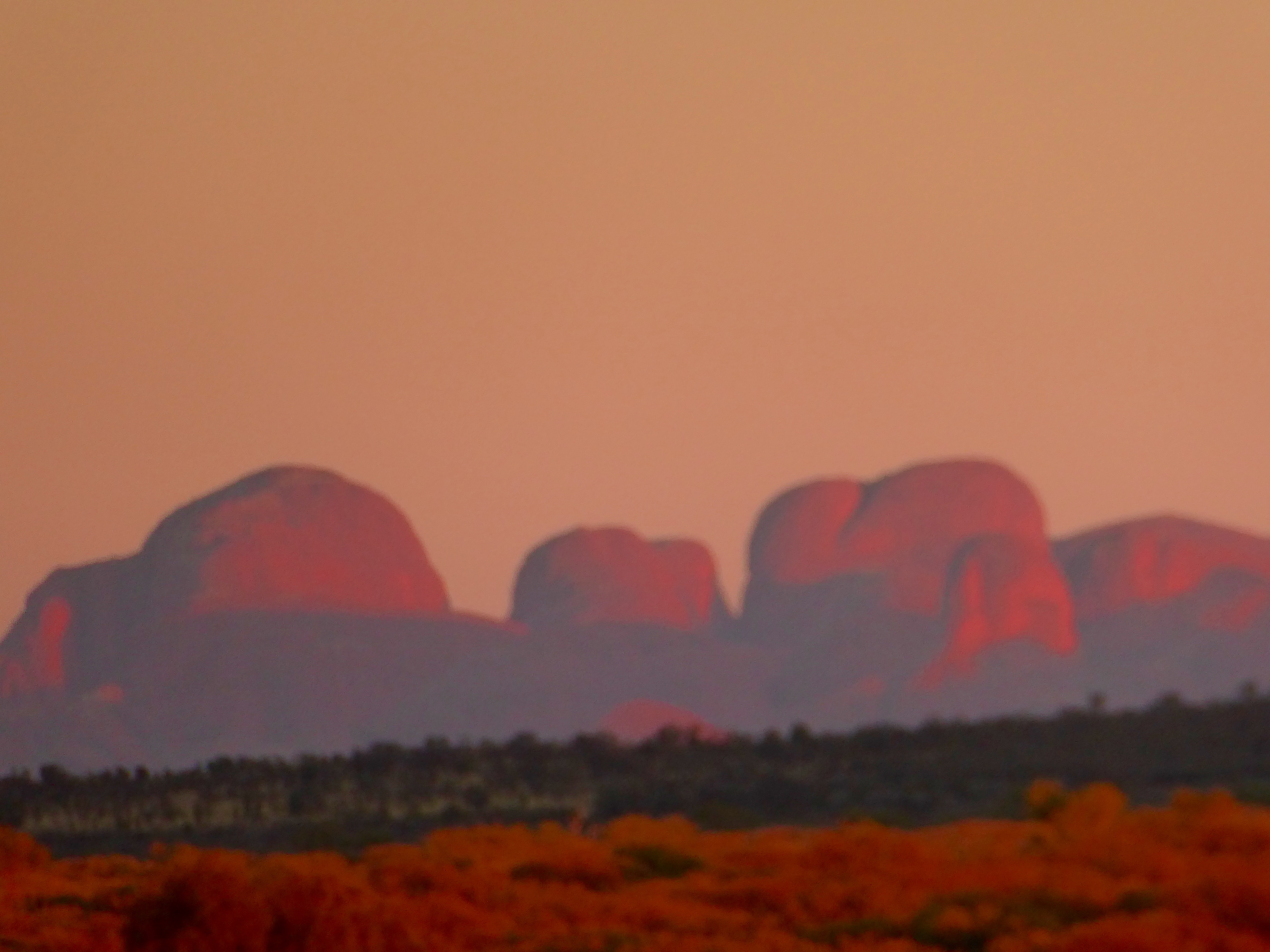
The rock is so large that photographs are difficult.   From Uluru, we could see the rising sun reflect on the Kata Tjuta formation.

Sunrise over Kata Tjuta

Sunrise over Kata Tjuta

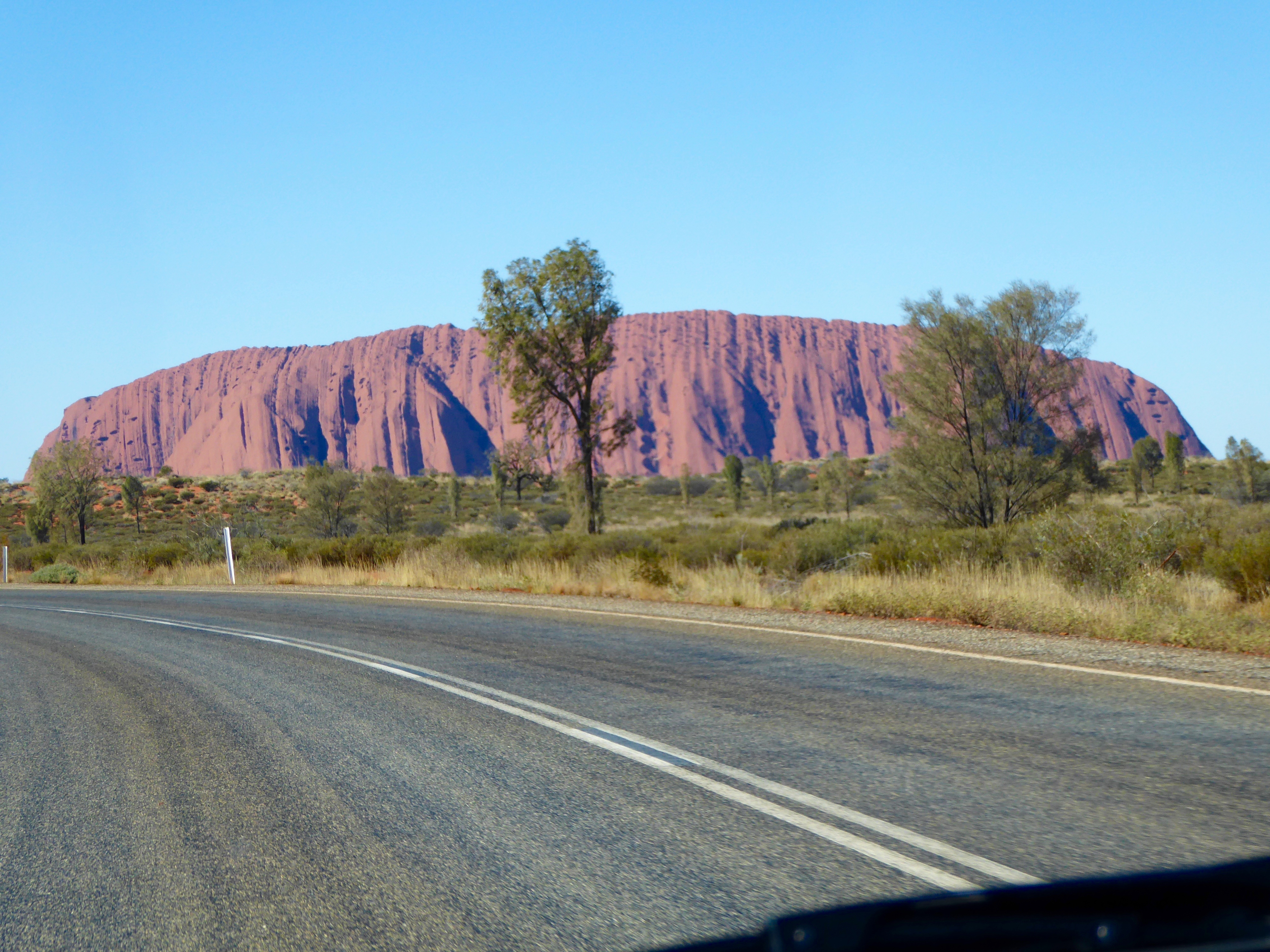
The entire scene of sunrise and huge rocks is very impressive.   Later we drove around Uluru.   You can see the rock is not smooth.

Not just a smooth rock

Not just a smooth rock

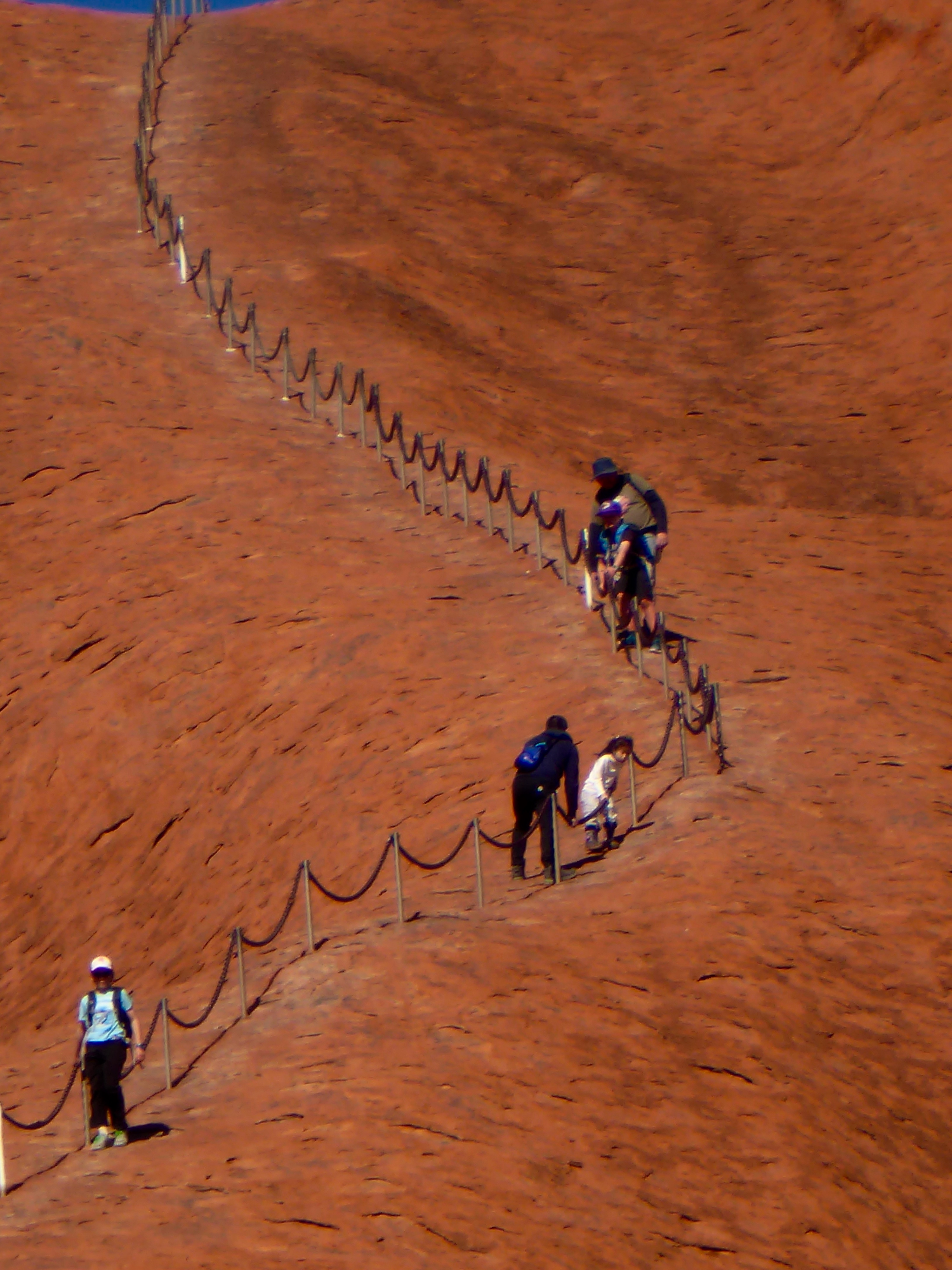
The uneven surface and holes or small caves, make the rock more interesting and mysterious to us.   Many humans walk round the rock,and many climb Uluru.

Some tourists climb Uluru

Some tourists climb Uluru

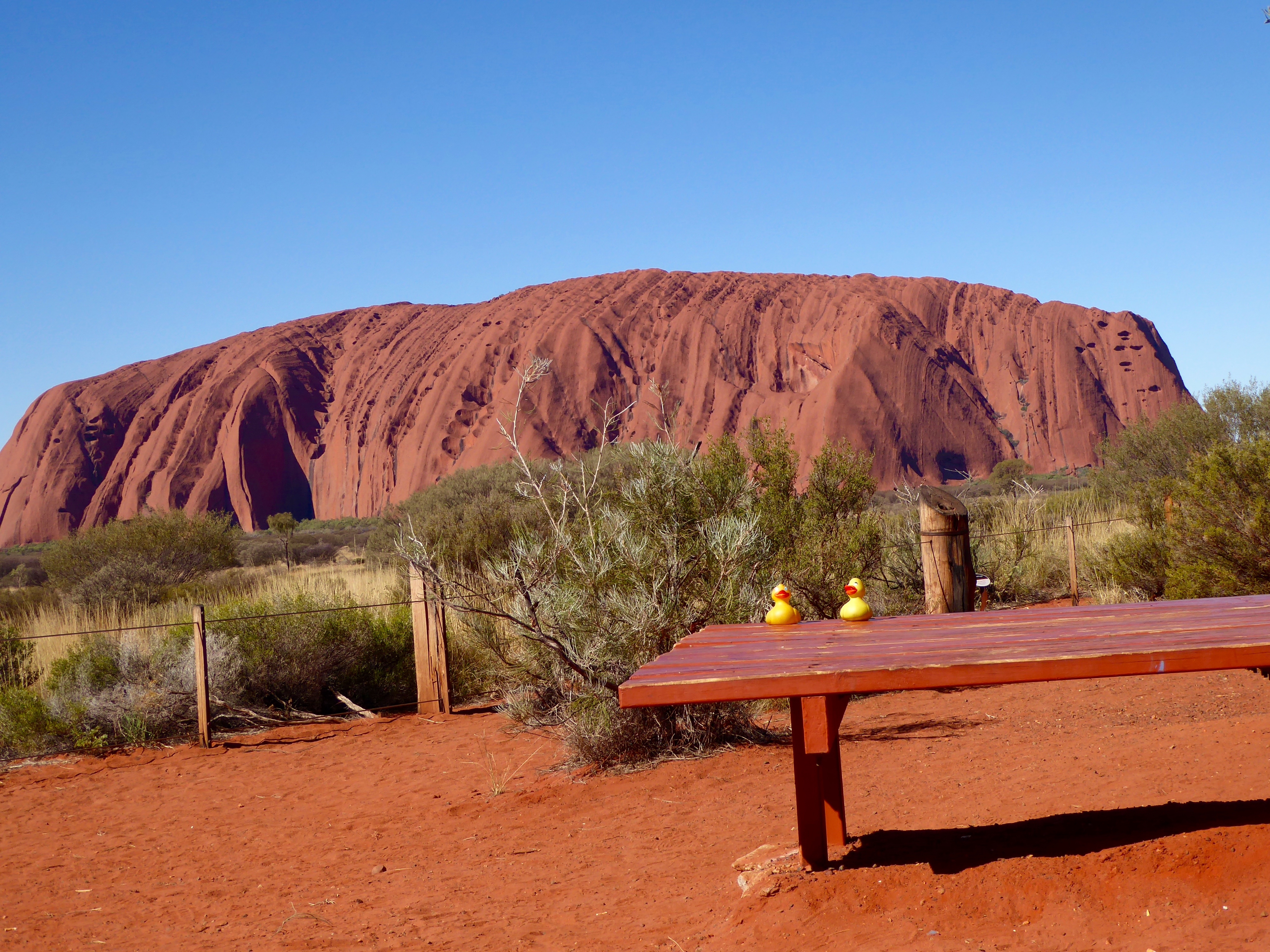
Climbing Uluru can be dangerous and the native aboriginal people ask you not to climb their sacred sites.   We sat here close to the ground, but we did not climb Uluru.

We did not climb. Just sat at bottom of rock. Aboriginals request no climbing.

We did not climb. Just sat at bottom of rock. Aboriginals request no climbing.

It is very impressive to walk round the area, gazing at the 1,150 feet, or 350 meters of the giant monolith that is above ground.

Uluru. Best appreciated from a distance to see whole thing

Uluru. Best appreciated from a distance to see whole thing

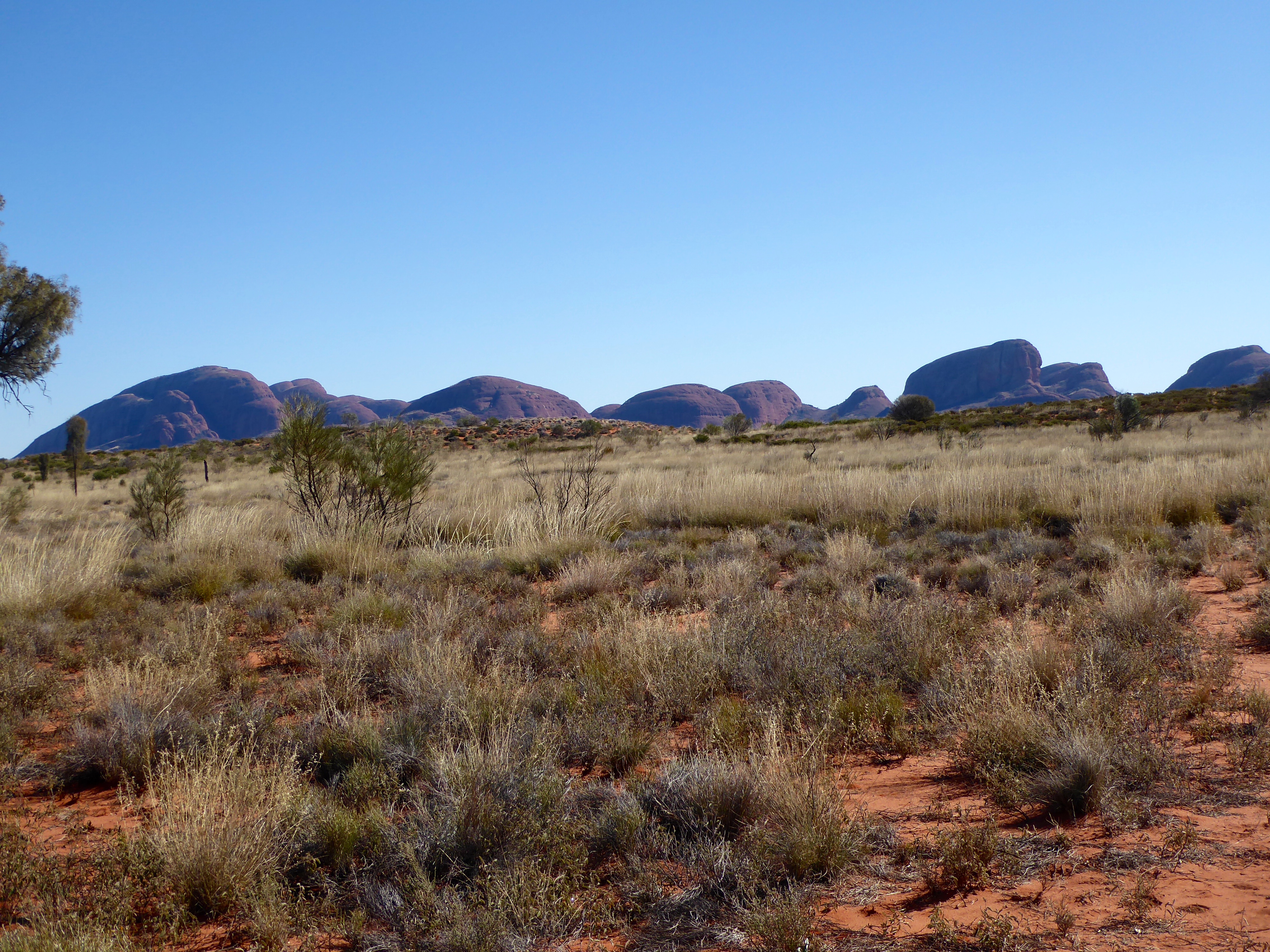
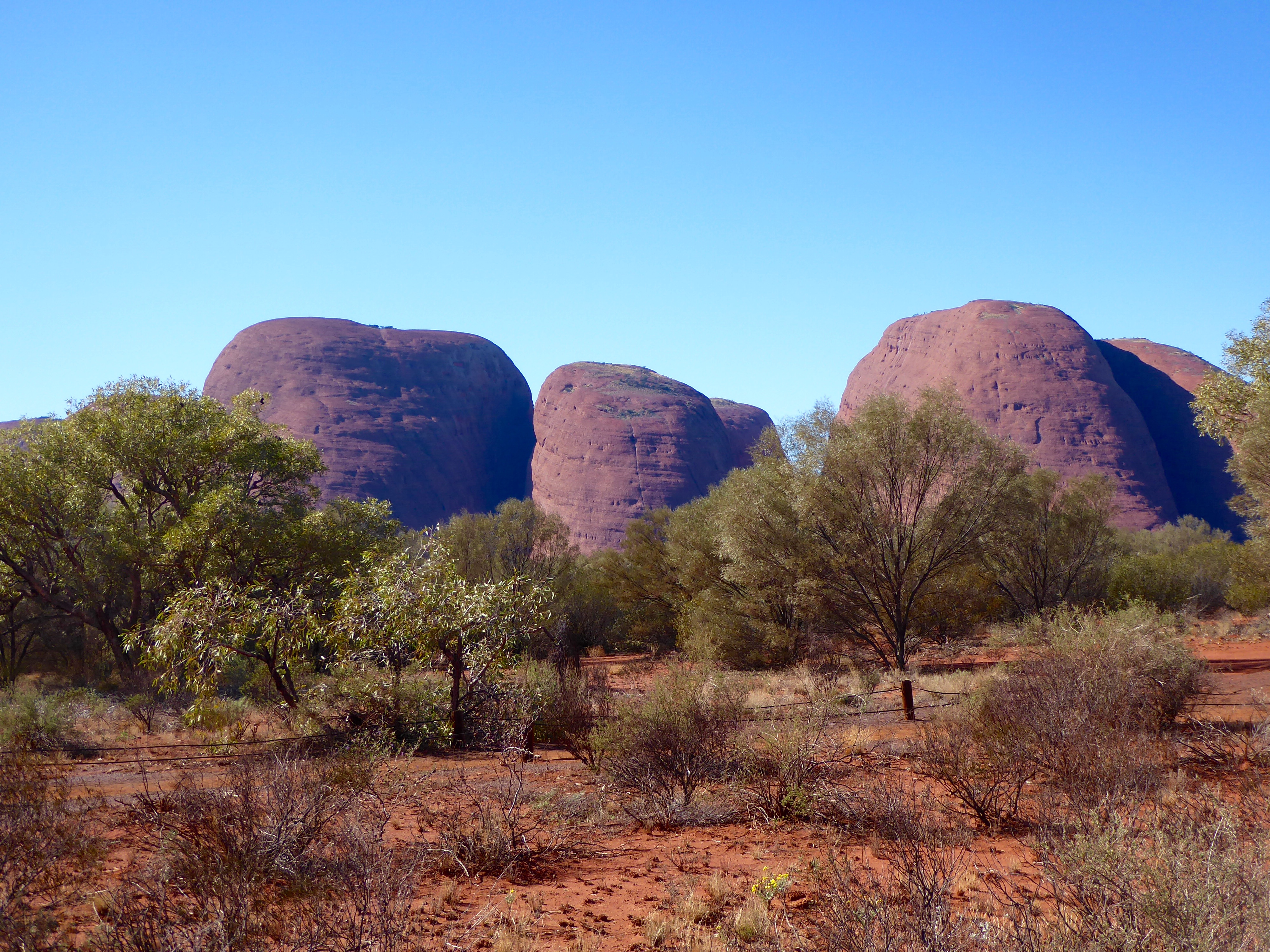
Geologists say that Uluru is the summit of a massive underground chunk of sandstone, about 600 million years old.    About 10% of the rock is visible.   Next we drove 20 miles (32km) west to Kata Tjuta, or the Olgas.   Kata Tjuta is  a cluster of 36 sandstone and arkose (sedimentary rock formed from granite sands).

Kata Tjuta is cluster of several rocks

Kata Tjuta is cluster of 36 sandstone rocks

The largest, Mount Olga, rises 1,800 feet (549 meters) above the ground.

Mount Olga

Mount Olga

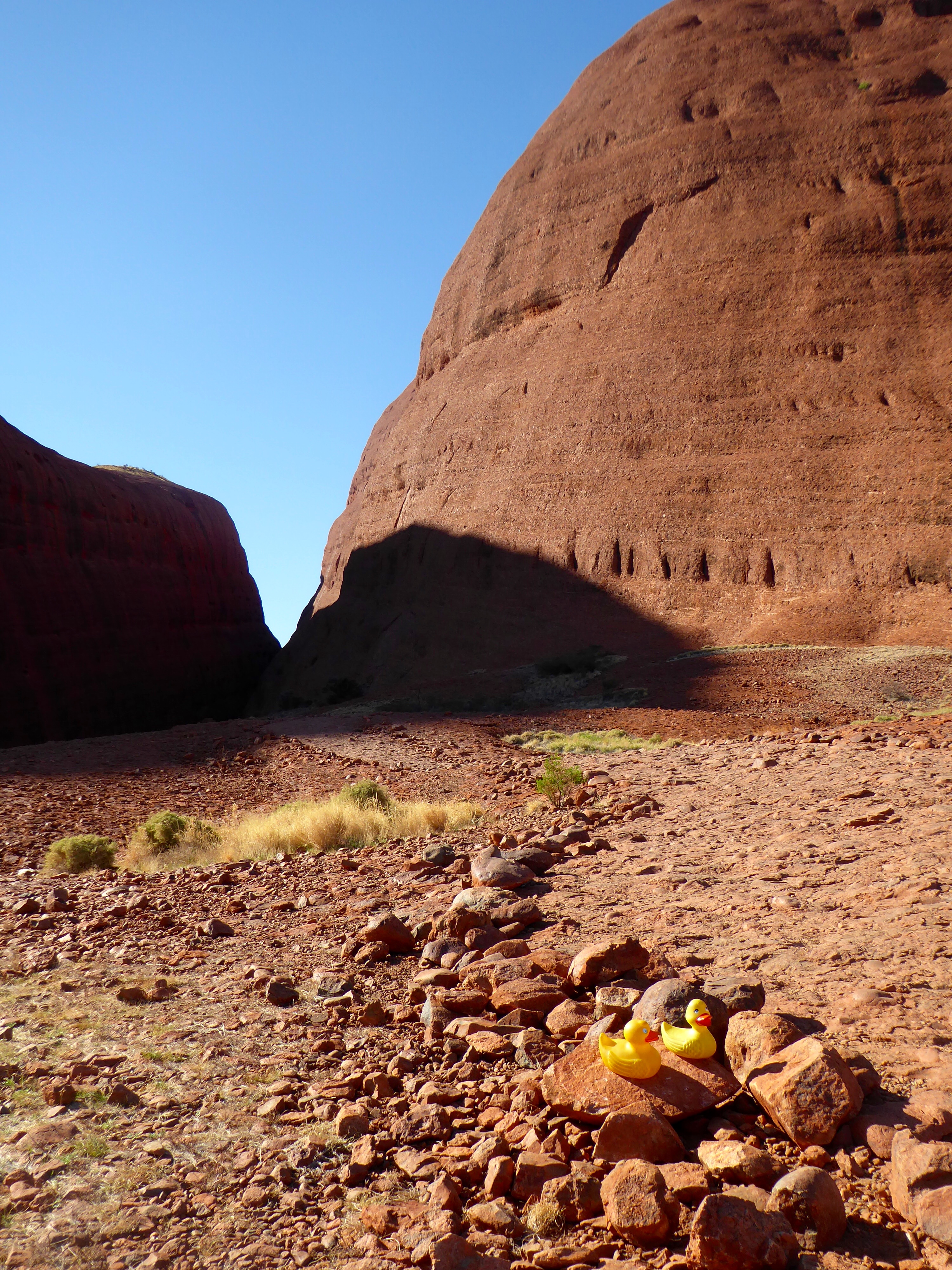
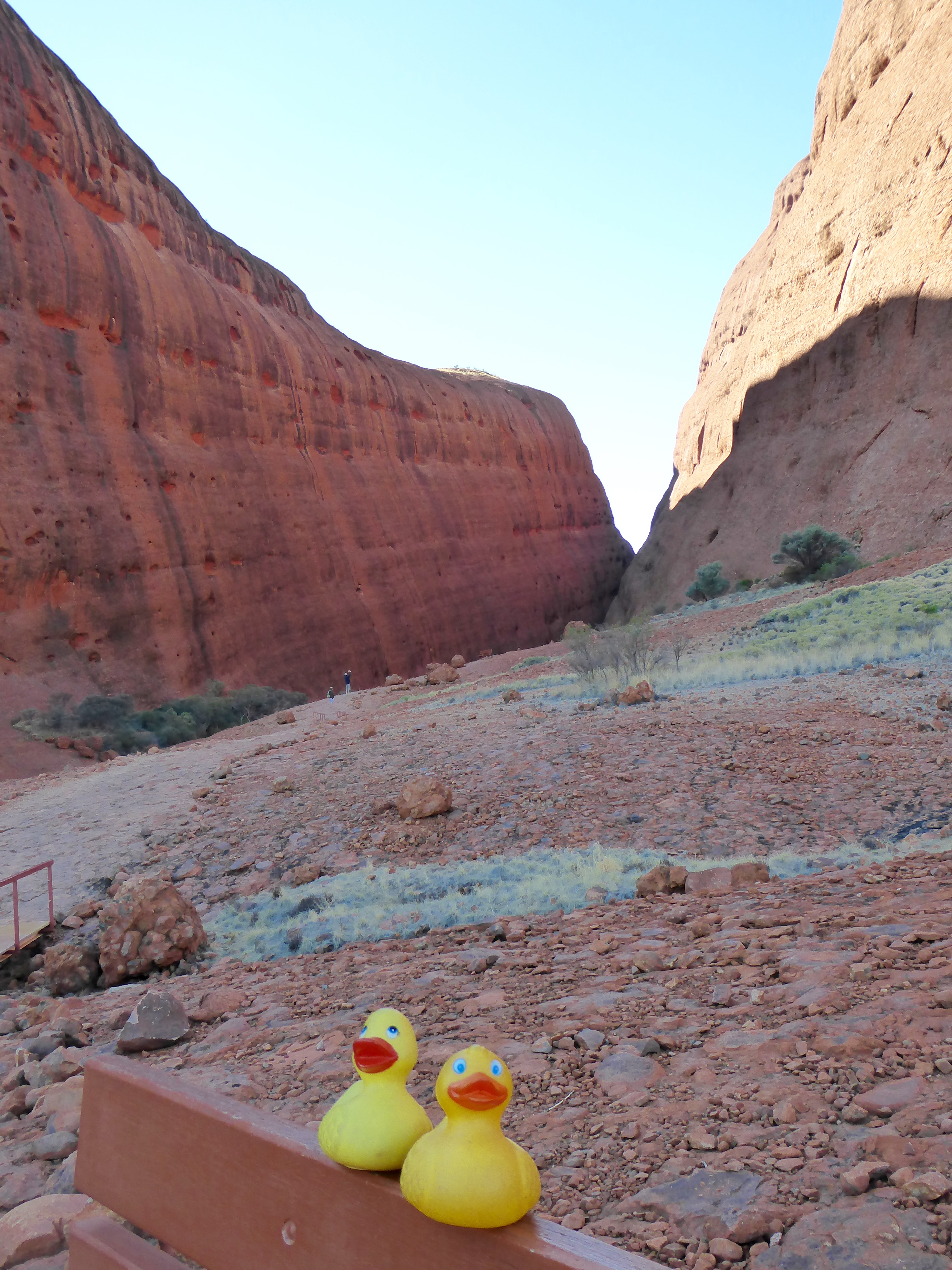
Scientists believe Kata Tjuta was part of a giant monolith about 10 times the size of Uluru.   Kata Tjuta has fewer visitors than Uluru and there are no facilities or water available.    Also, no climbing on the rocks is permitted   There are several hikes around the rocks, but visitors must stay on the trails.    The winds were pretty strong when we were there.    This is the trail to the Olga Gorge.

Trail to Olga Gorge

Trail to Olga Gorge

We are getting closer.

Getting higher

Getting higher

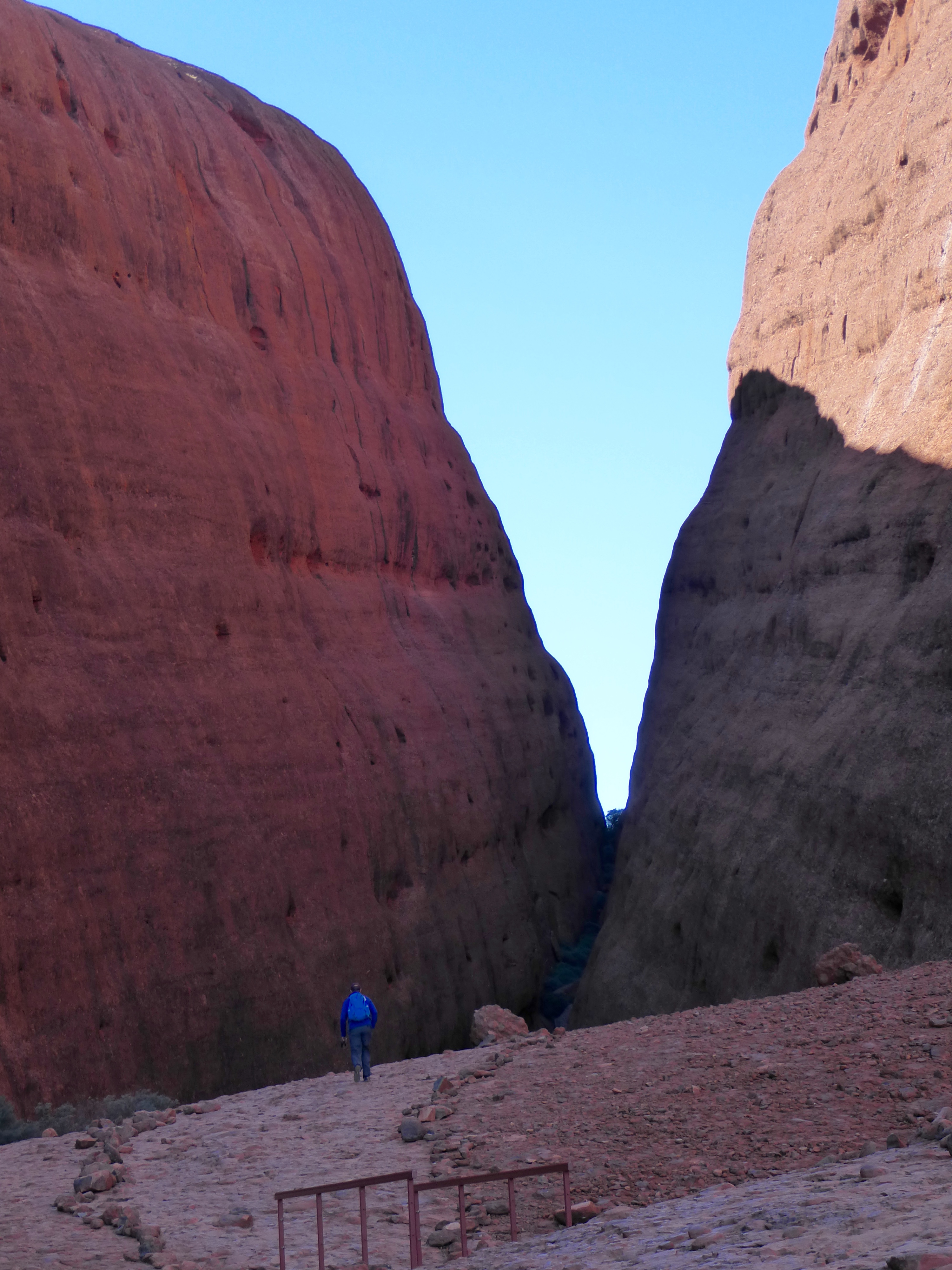
It is quite windy now.   People can hike to the gorge, but not climb on the rocks.

Really windy now

Really windy now

We liked Kata Tjuta,

Kata Tjuta

Kata Tjuta

and Uluru.

Uluru

Uluru

When you visit, we think you will really enjoy the park.   We also think you will take hundreds of photos of the rocks.   Our humans did.

Winter Snow in the Colorado Mountains near Denver

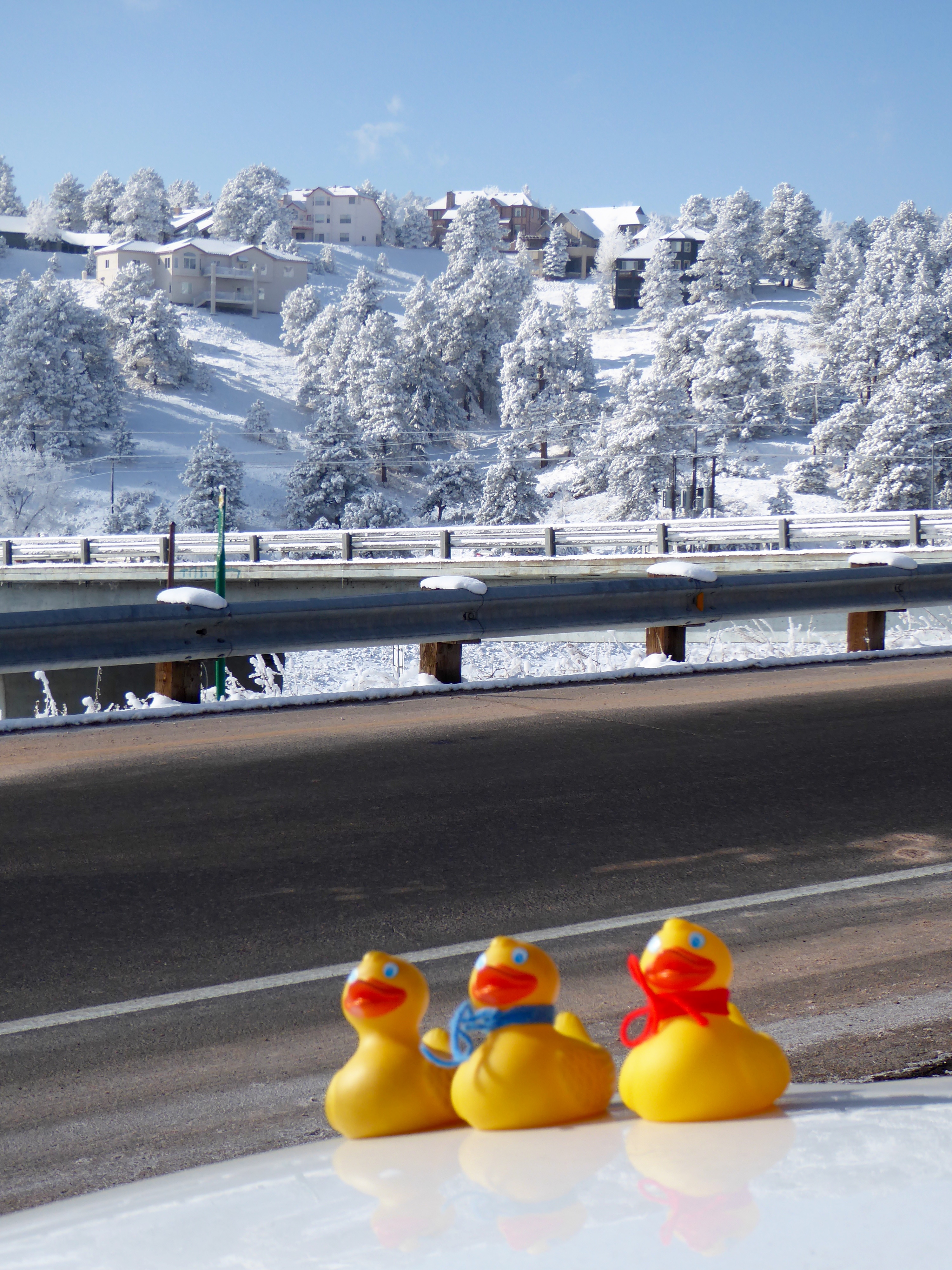
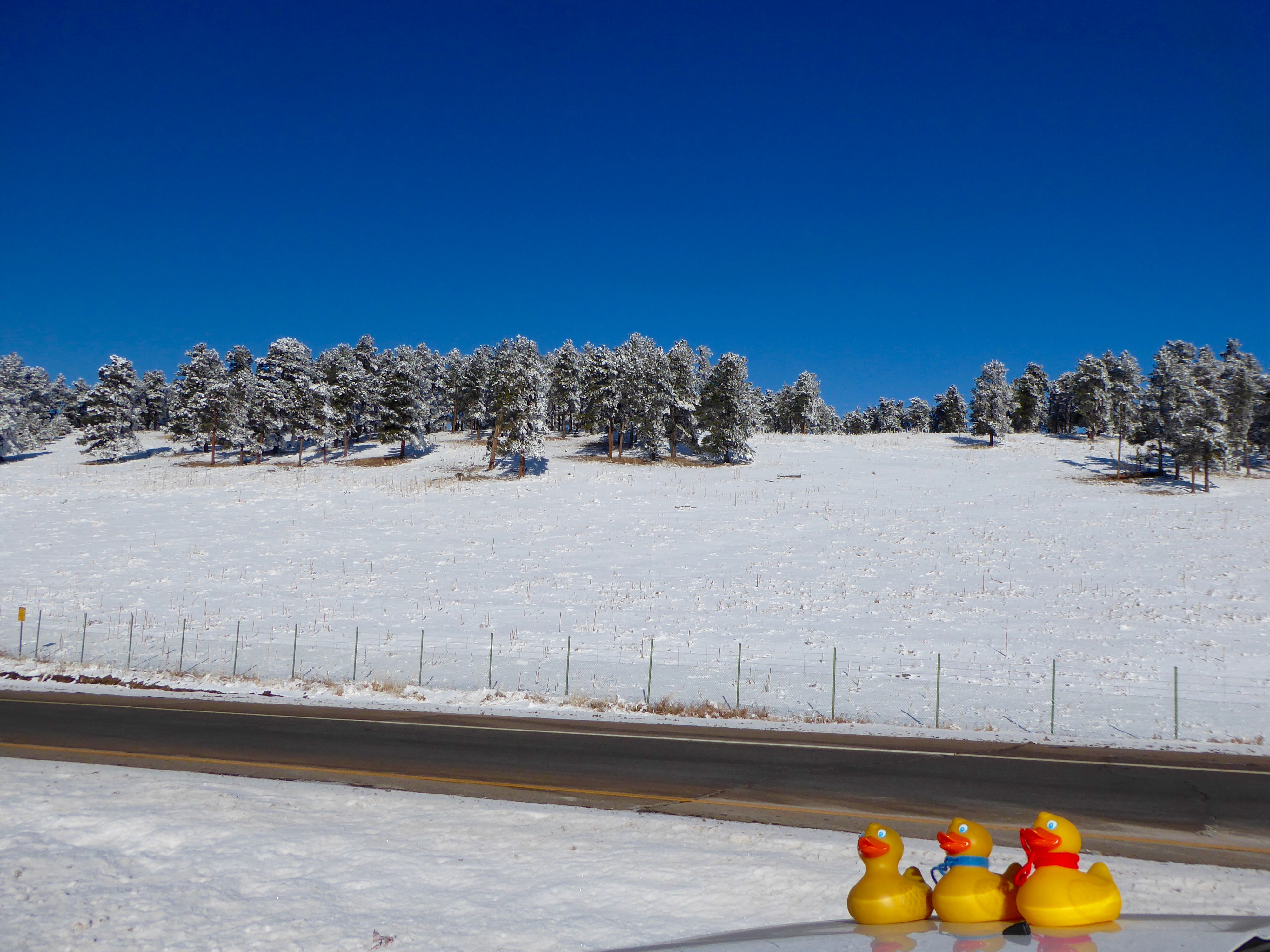
We had snow for Thanksgiving Day and Friday this year.  There was a possibility of more snow for later Sunday.   In town, we had a few inches, but it is still very cold.   Sunday, Zeb the Duck, Soapy Smith Duck, and JB Duck drove a short distance from Denver to see the new snow in our nearby mountains.   Ten or fifteen minutes from Denver, it was very overcast, but these trees look beautiful.

Very overcast close to Denver

Very overcast close to Denver

Soon we saw sun breaking through on this mountain.

Colorado sun is breaking through

Colorado sun is breaking through

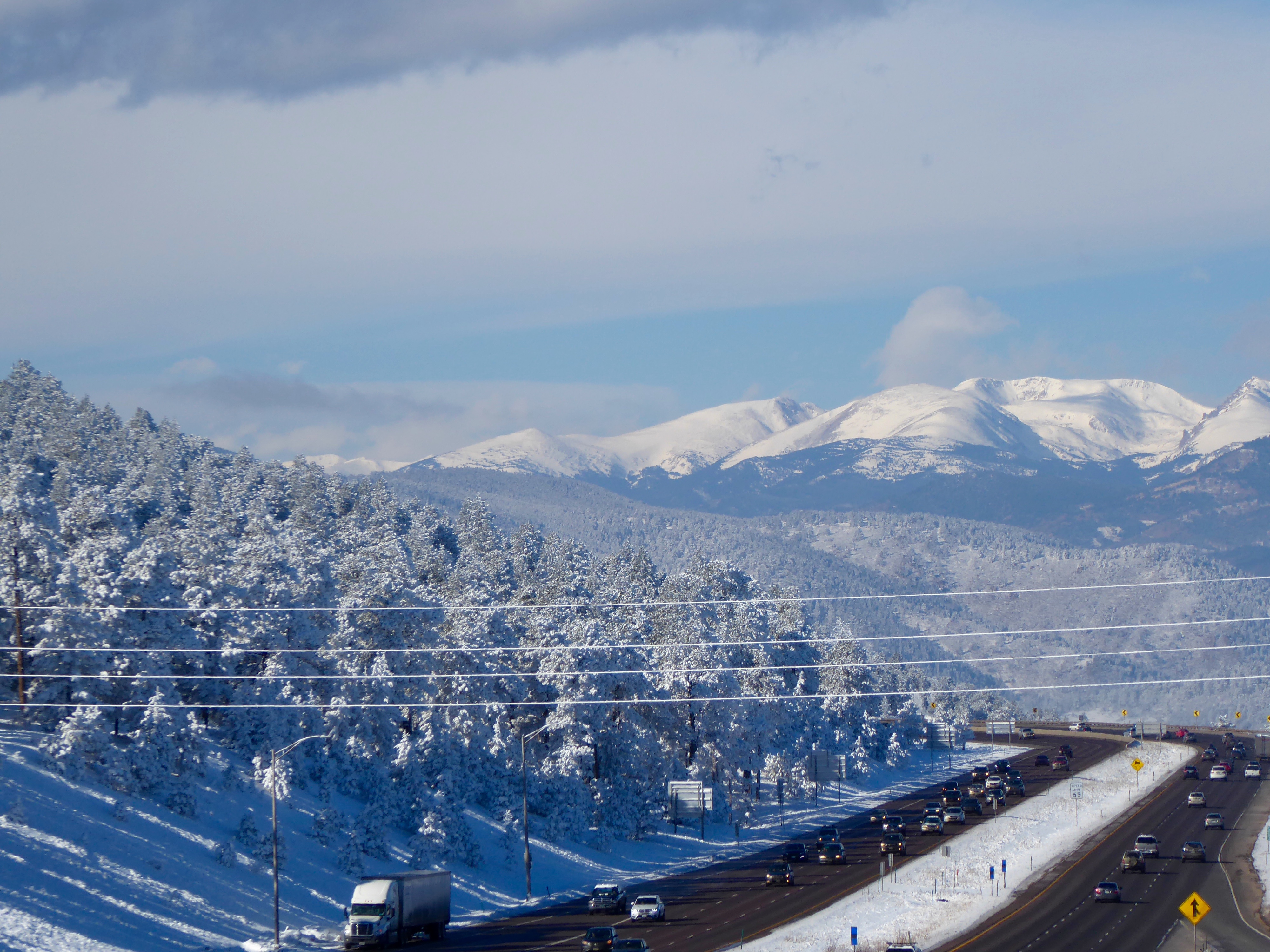
Here is I-70 looking west.

View of Continental Divide from I-70

View of Continental Divide from I-70

This is one of our favorite views heading to the mountains.   The continental divide does not have much snow yet, but it will.   You can see the traffic from the mountain ski areas has not begun yet.   Light traffic on I-70 is rare on weekends.   A little further west, the sun is out and our bright blue Colorado sky is beautiful.  *

Snowy trees and bright blue Colorado sky

Snowy trees and bright blue Colorado sky

These trees appeared to be decorated with snowballs, to celebrate the Christmas season.

Decorated with snowballs for the Christmas season

Decorated with snowballs for the Christmas season

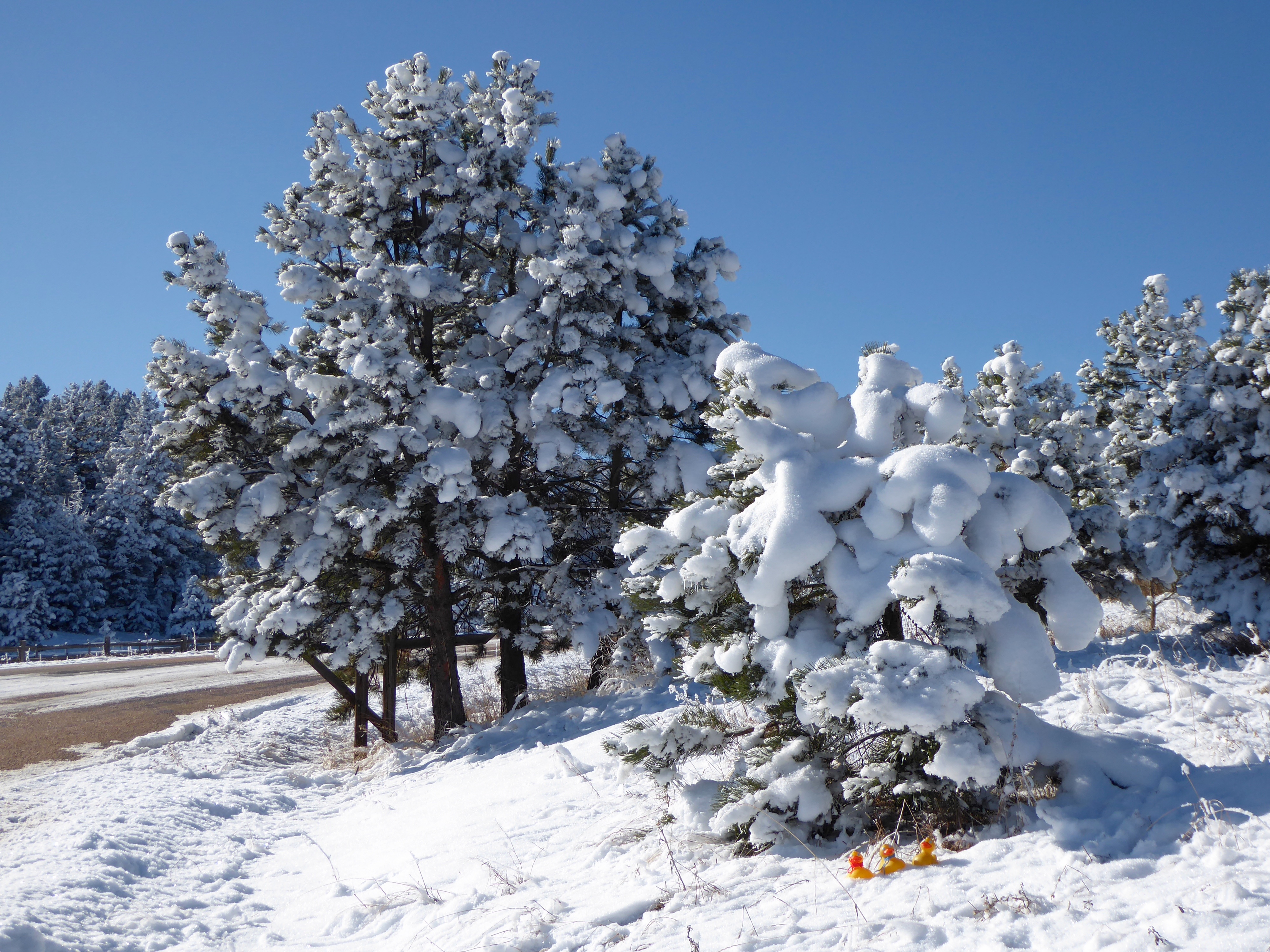
We really like this snowy tree, but we don’t want to sit in the cold snow very long.

Snow decorated tree

Snow decorated tree

Looking down the road, winter is coming to the Colorado mountains.

Continuing down the road

Continuing down the road

Although the sun is bright, the temperature was only 20 degrees, in the sun.   We were no more than 20 minutes from our home in the Denver suburbs.   We hope  you visit Colorado this winter.   Many of our ski areas are now open for winter fun.

Riding The Ghan in Australia with Zeb and Eider Duck

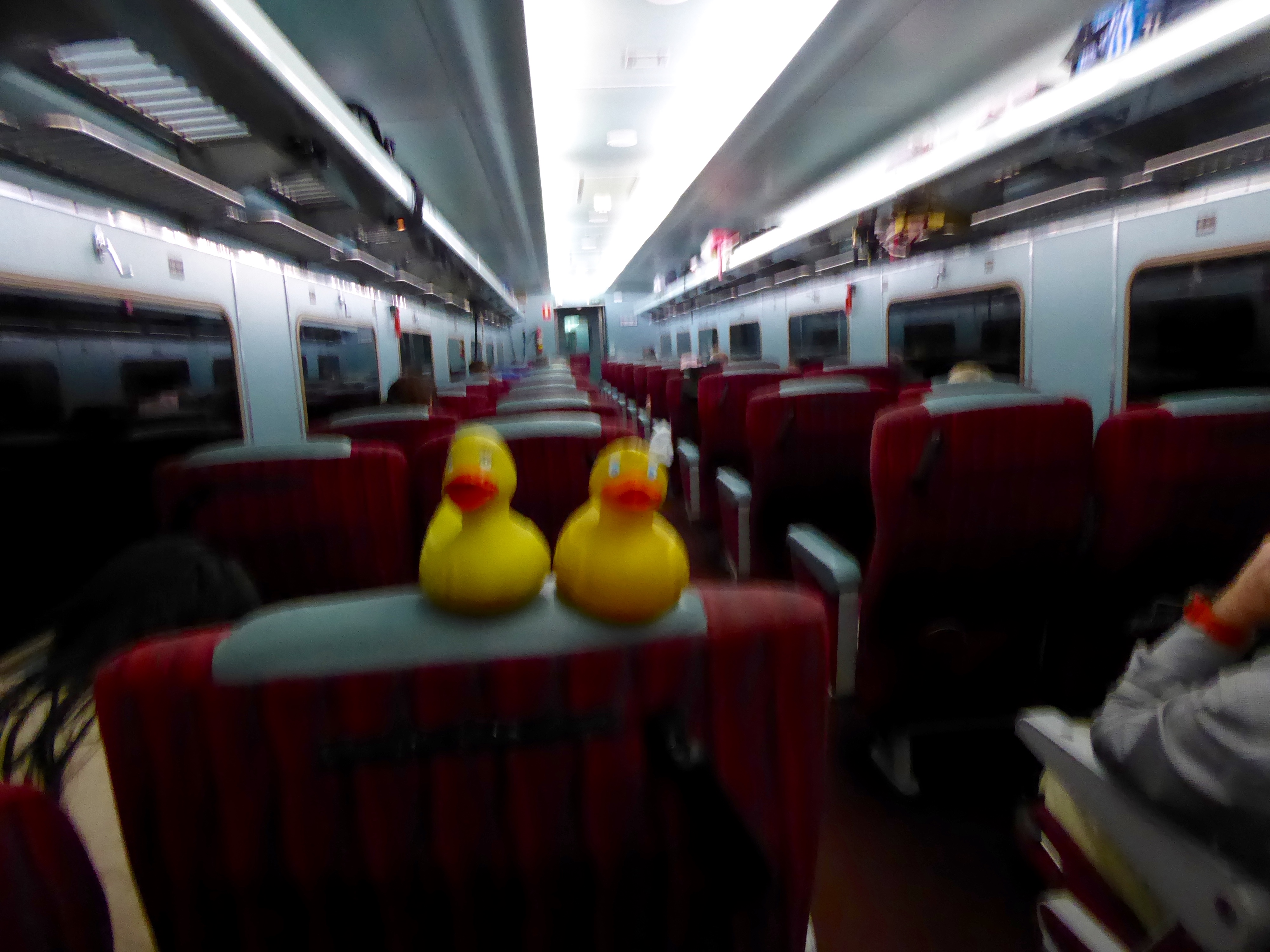
Zeb and Eider Duck are on another train.

Comfortable in our seat with a water bottle

Comfortable in our seat with a water bottle

We had our first long train ride on Australia’s Indian Pacific, and now we are going on another one.   This is the Ghan.   The Indian Pacific travels east and west, between the Indian and Pacific Oceans.   The Ghan travels north and south, connecting Darwin with Adelaide.

The Ghan. Our second Australian train

The Ghan. Our second Australian train

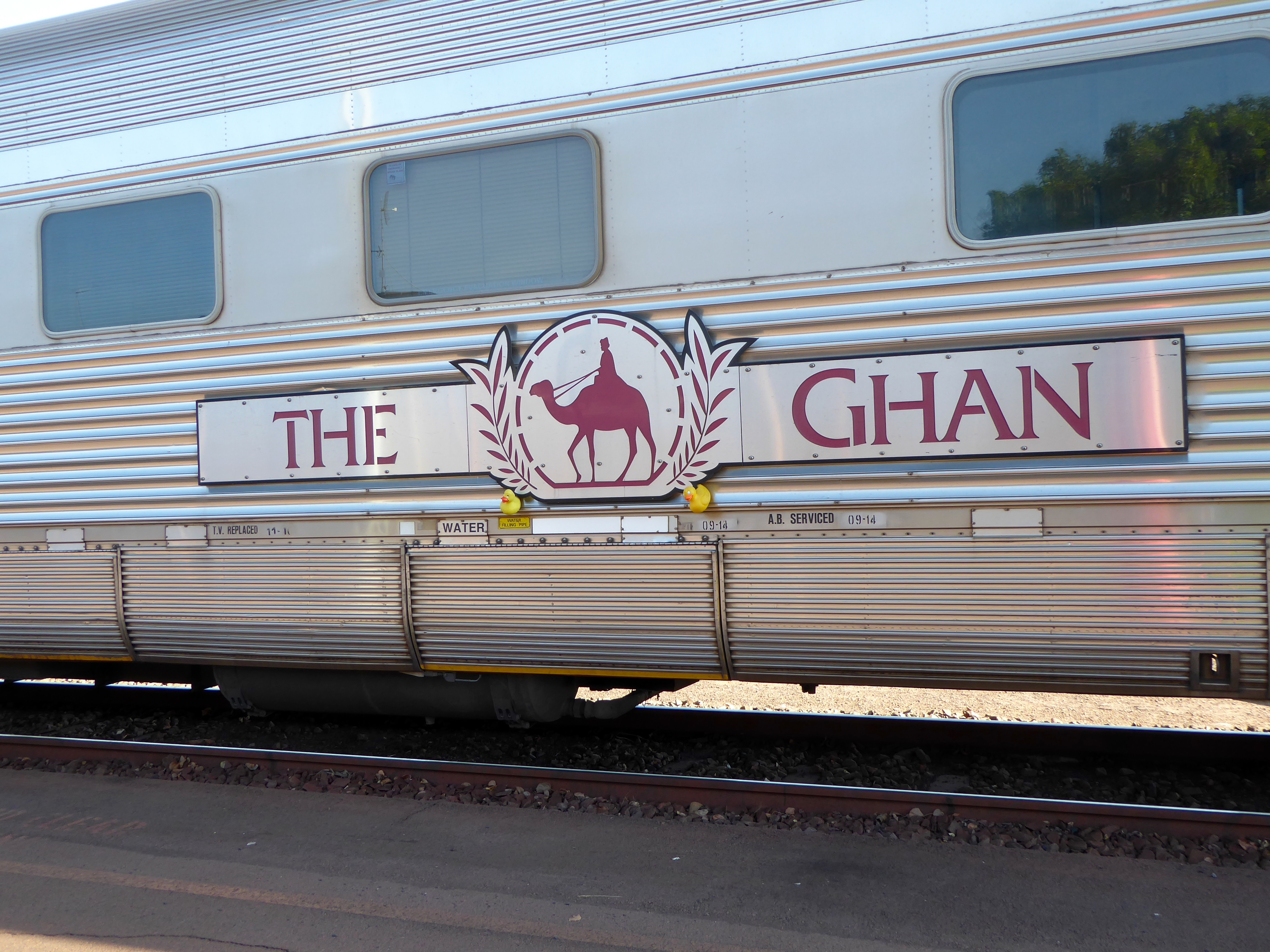
We are getting on the train in Darwin, in Australia’s Northern Territory.   The Ghan is named for the Afghan camel drivers that worked in Australia building the telegraph system.   That is why we have a camel emblem on the side of our train car.   People are still getting on the train.

Many people boarding the Ghan

Many people boarding the Ghan

People are loading our luggage on the train.

The luggage goes on the train. We can only have hand luggage with us.

The luggage goes on the train.   We can only have hand luggage with us.

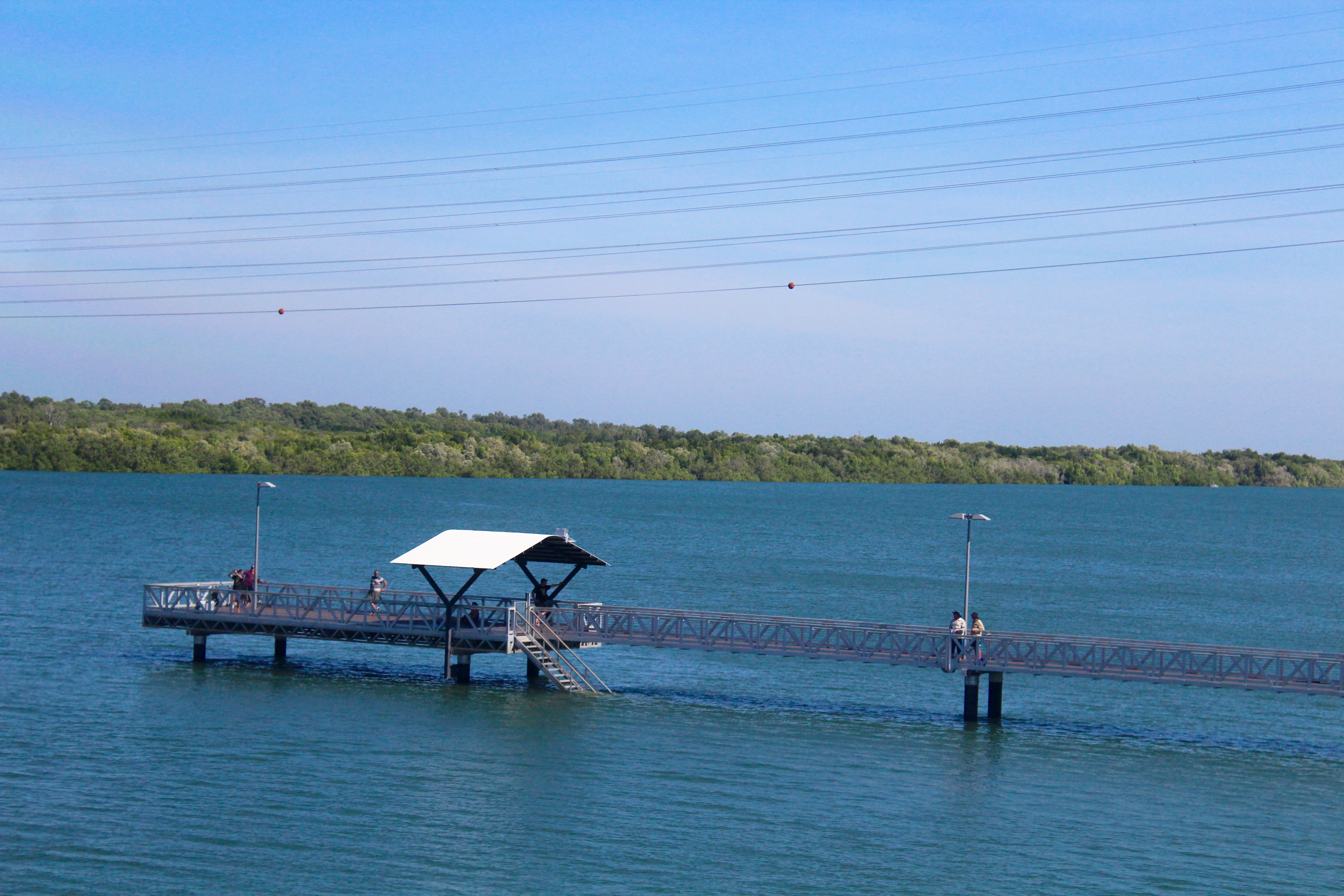
Larry, the safety manager, said that we have about 36 cars on our train.   We also have train cars with automobiles.   Some people are bringing their personal vehicles with them.   We, of course, retuned our rental car and our personal vehicles are in Colorado and Alaska, so no car for us.   Soon we crossed the Elizabeth River.

Elizabeth River

Elizabeth River

This is one of Australia’s most important rivers.   This is a view as we approach the town of Adelaide River.

Approaching town of Adelaide River

Approaching town of Adelaide River.   Much open space and many trees.

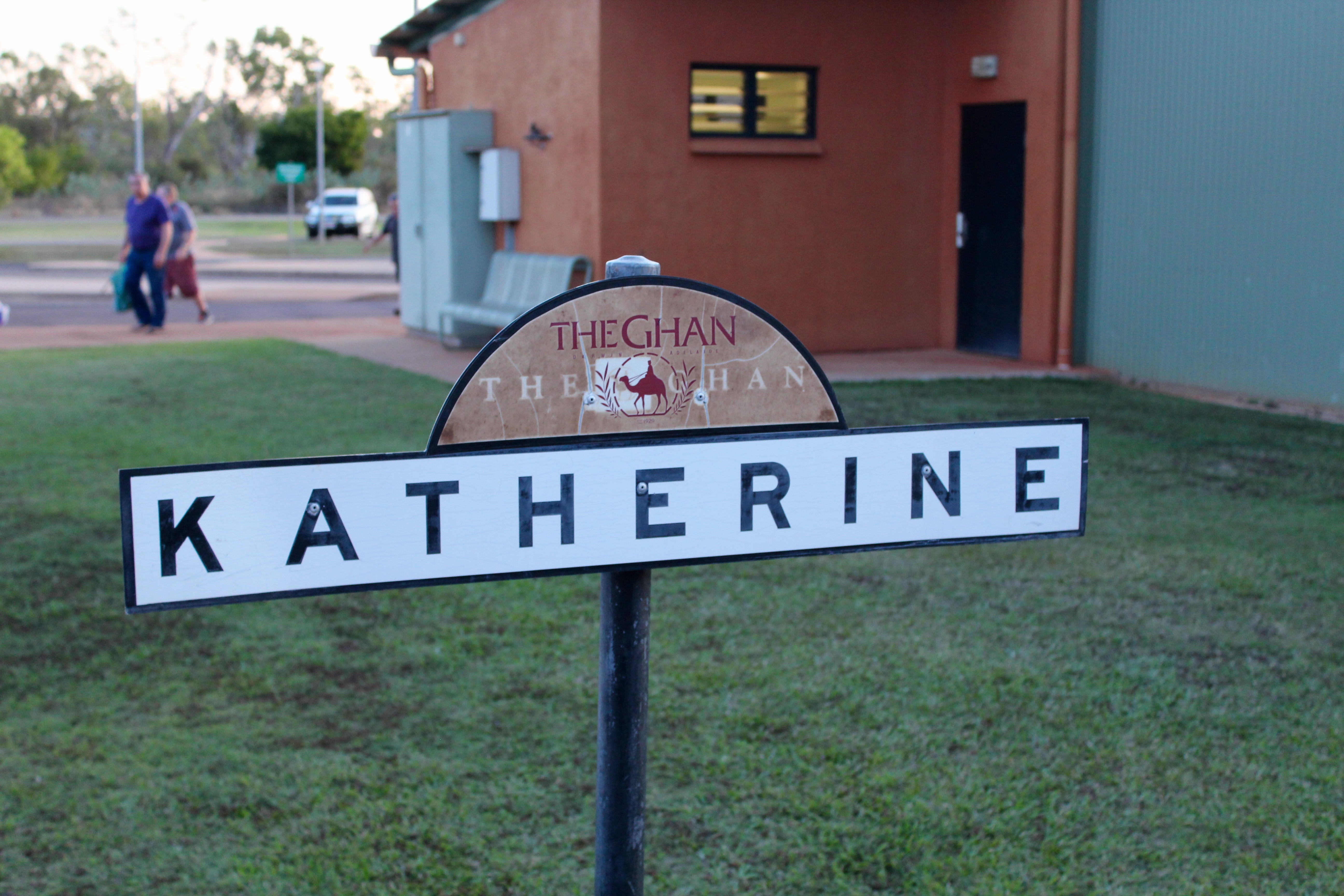
The Ghan stops in Katherine.

Stopping in Katherine

Stopping in Katherine

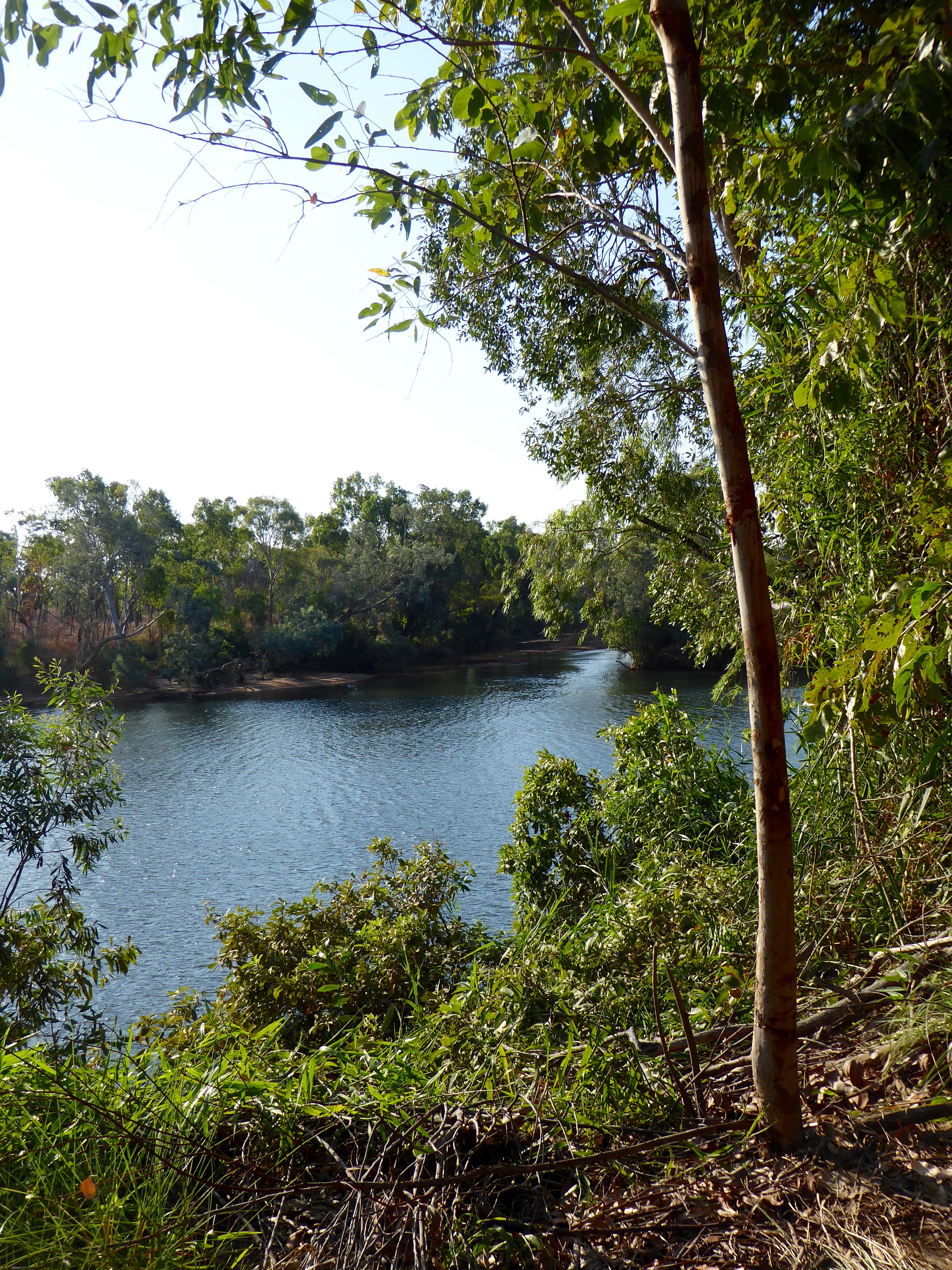
We stay here for a couple hours.   Eider’s dad took a shuttle into Katherine.   Zeb’s mom took Zeb and Eider into Nitmiluk Park again.   We were here before, but it is very pretty.

Nitmiluk National Park is beautiful

Nitmiluk National Park is beautiful

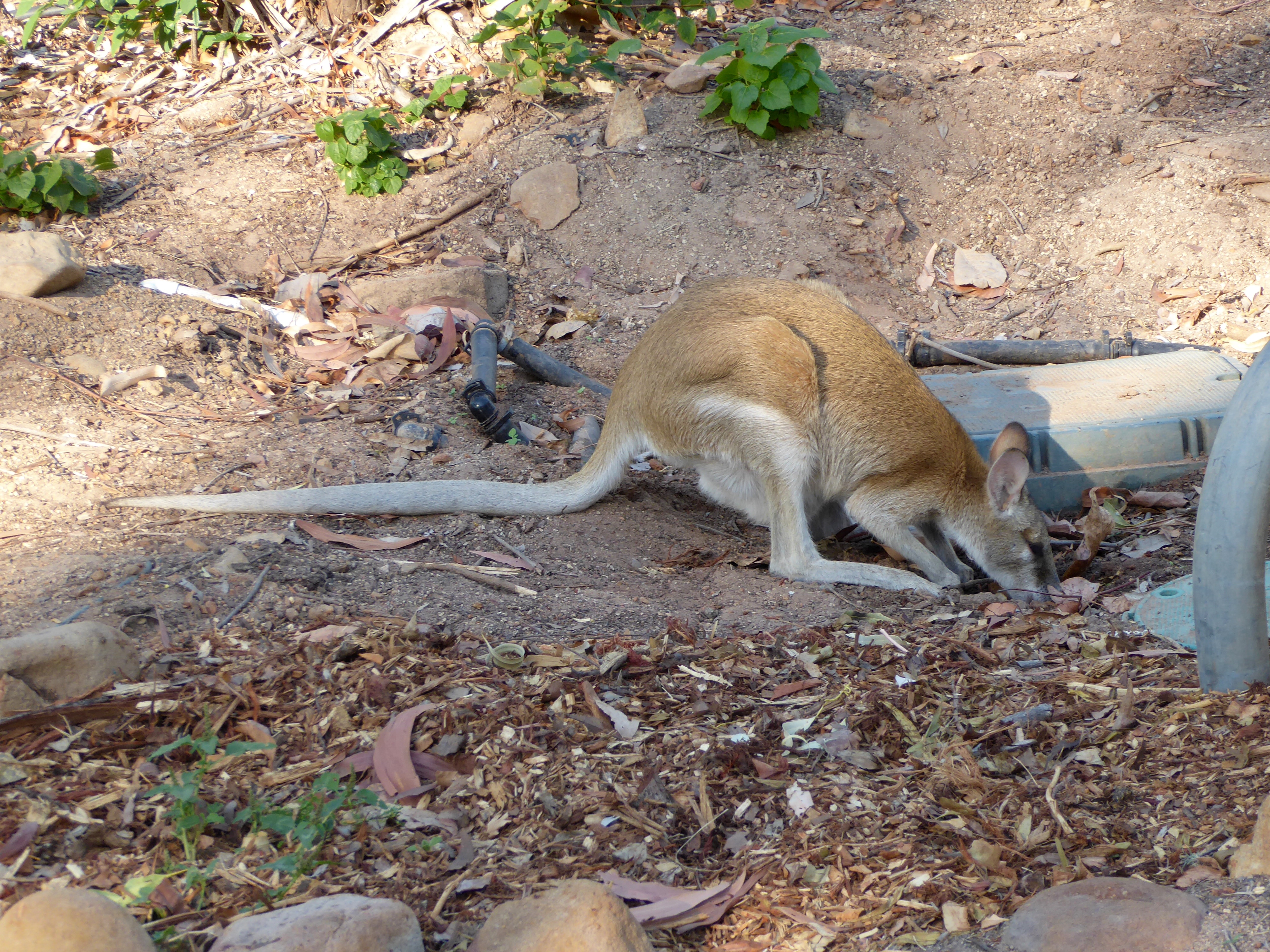
As we approached the Visitor’s Center, this wallaby was busy and did not pay attention to the tourists taking her photo.

Wallaby at Nitmiluk National Park

Wallaby at Nitmiluk National Park

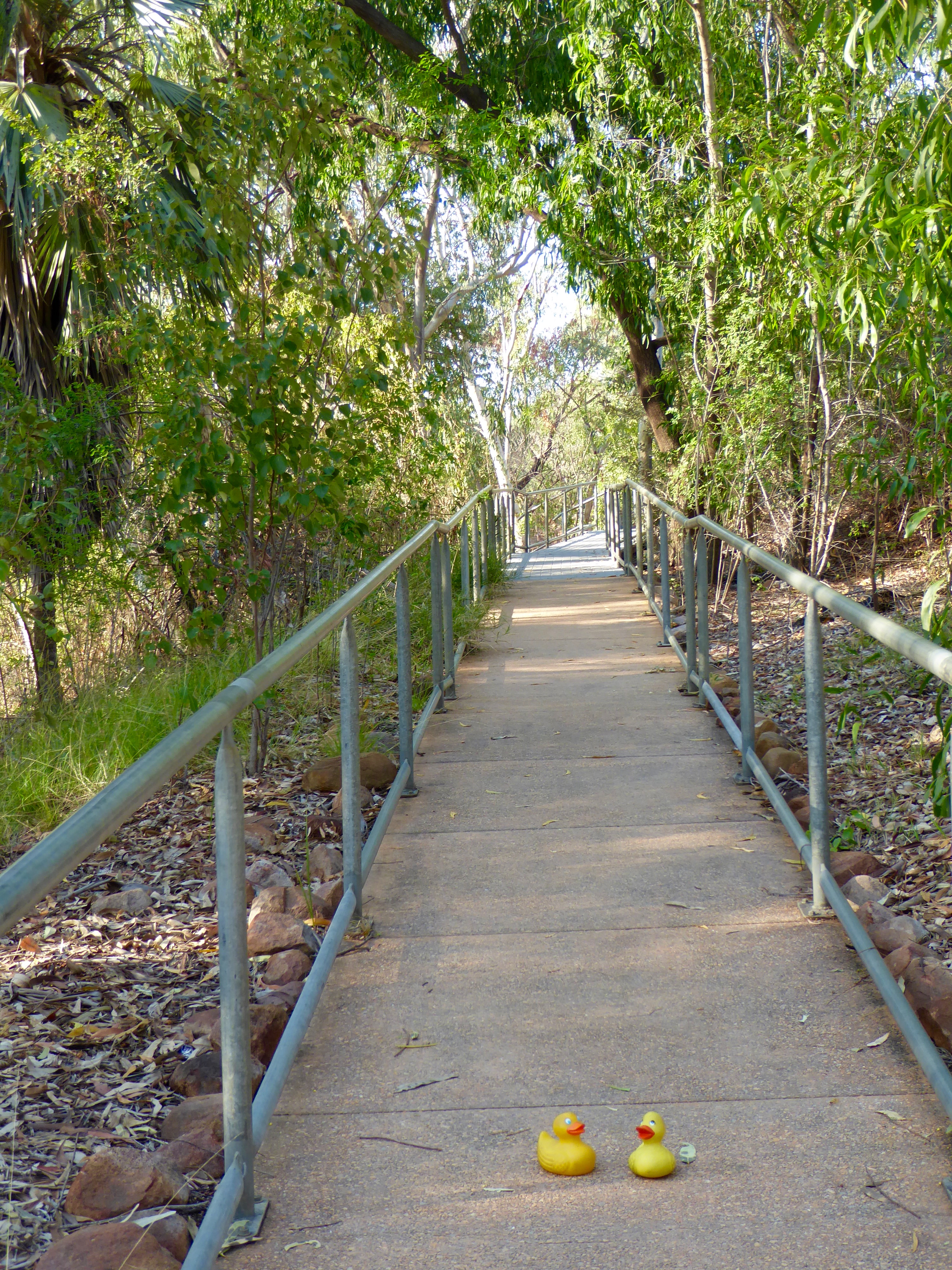
Wallabies look like small kangaroos.   We like this wallaby.   Some passengers on the Ghan took a short version of the cruise we enjoyed through the gorges.    We did a little hiking.

Hiking in Nitmiluk National Park

Hiking in Nitmiluk National Park

Back on the Ghan, we wanted to show you the inside of  train passenger car.

Inside our car on The Ghan

Inside our car on The Ghan

The dining car looked like the one we showed you on the Indian Pacific train.    In the morning the landscape had changed.

Earth is red approaching Alice Springs this morning. Blurry since train is moving quickly

Earth is red approaching Alice Springs this morning.   Blurry since train is moving quickly

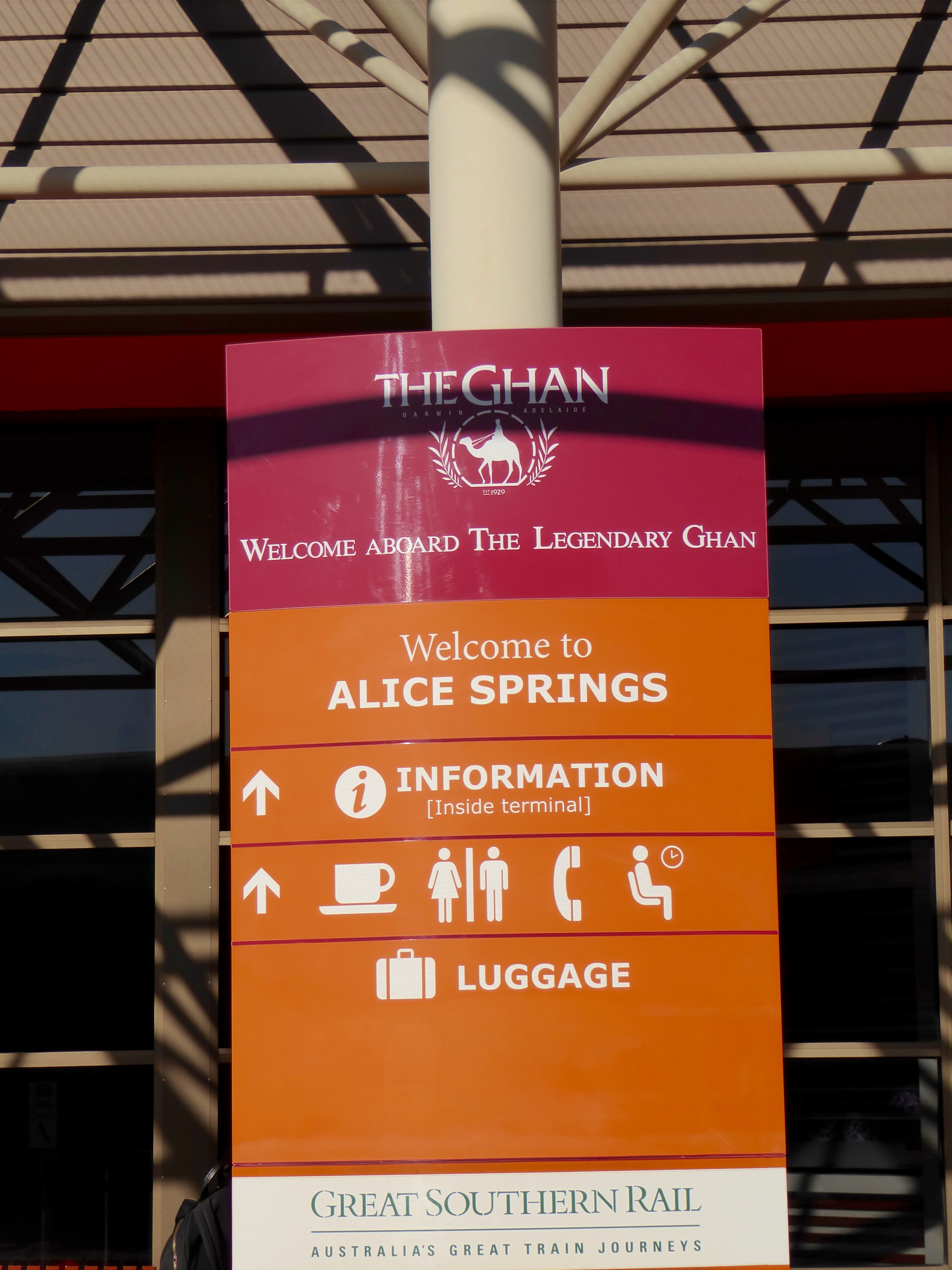
As we approached Alice Springs, in the center of Australia, the dirt is red and we are entering desert areas.   We arrive in Alice Springs.

The Ghan arrives at Alice Springs

The Ghan arrives at Alice Springs

This camel statue is here to welcome all the passengers to Alice Springs.

Camel statue at Alice Springs Ghan station

Camel statue at Alice Springs Ghan station

We are leaving the train here and flying to Ayers Rock Airport where we will see Uluru, or Ayers Rock.   In the airport, we visited the restroom.   This was a new sign for us.

In the airport. This was an unfamiliar sign for us

In the airport. This was an unfamiliar sign for us

We liked our Australian train trips.   We hope you travel by train there, too.

Happy Thanksgiving 2015

Happy Thanksgiving to everyone.   Thanksgiving is time for all of us to reflect on the many things we have to be thankful for in our lives.   Our family is most important for us, followed closely by appreciating the lives we are able to live in Colorado.   We give thanks to all that make these blessings possible for the Colorado Traveling Ducks and the humans.   Enjoy a huge dinner with family and friends today!

Kakadu National Park in Australia’s Northern Territory

Zeb and Eider are in Kakadu National Park in the Northern Territory of Australia.   This park is huge.   It is 20,000 square kilometers, or 8,000 square miles of varied Australia landscape.   First we walked

Hiking in Kakadu National Park

Hiking in Kakadu National Park

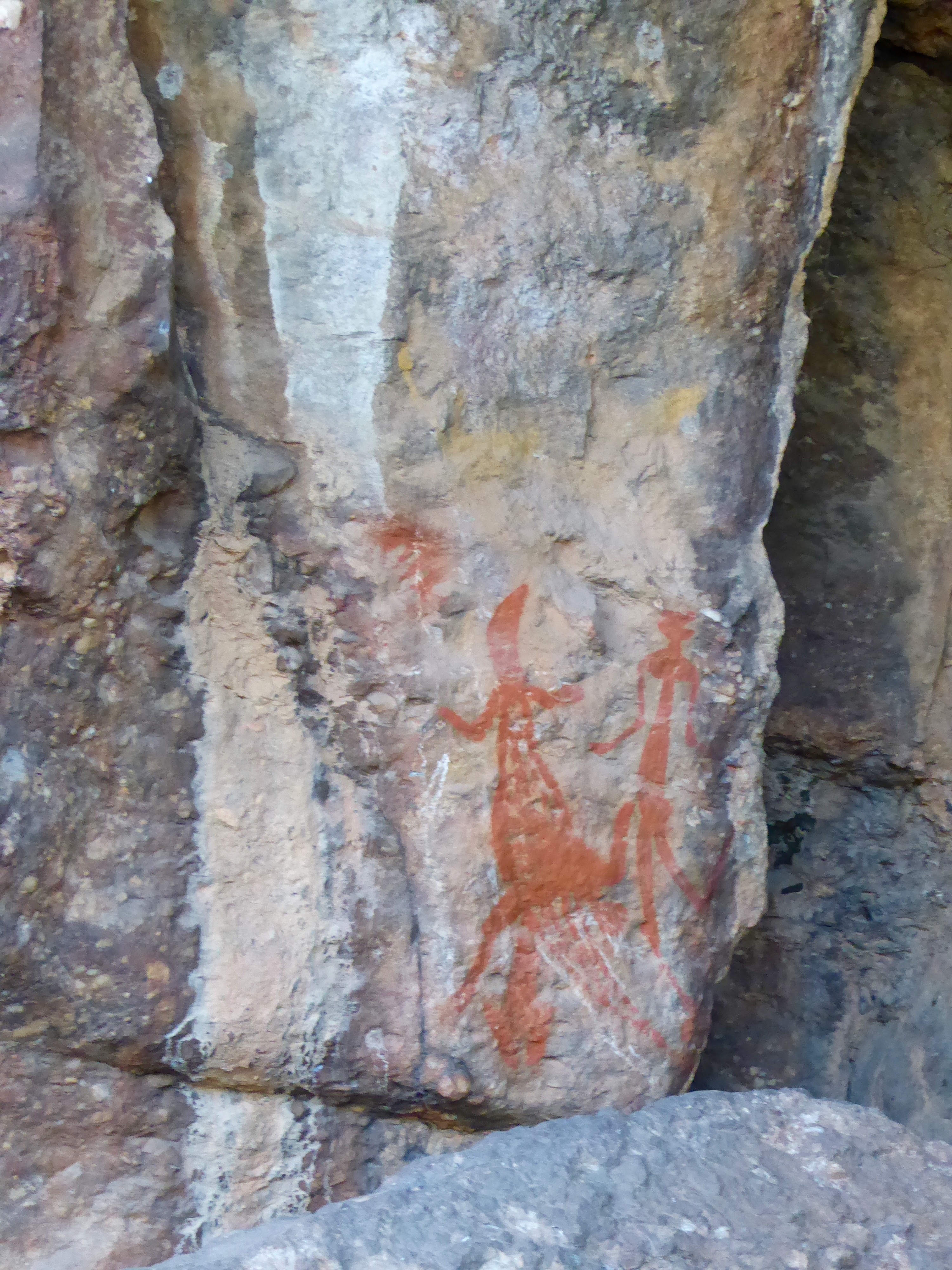
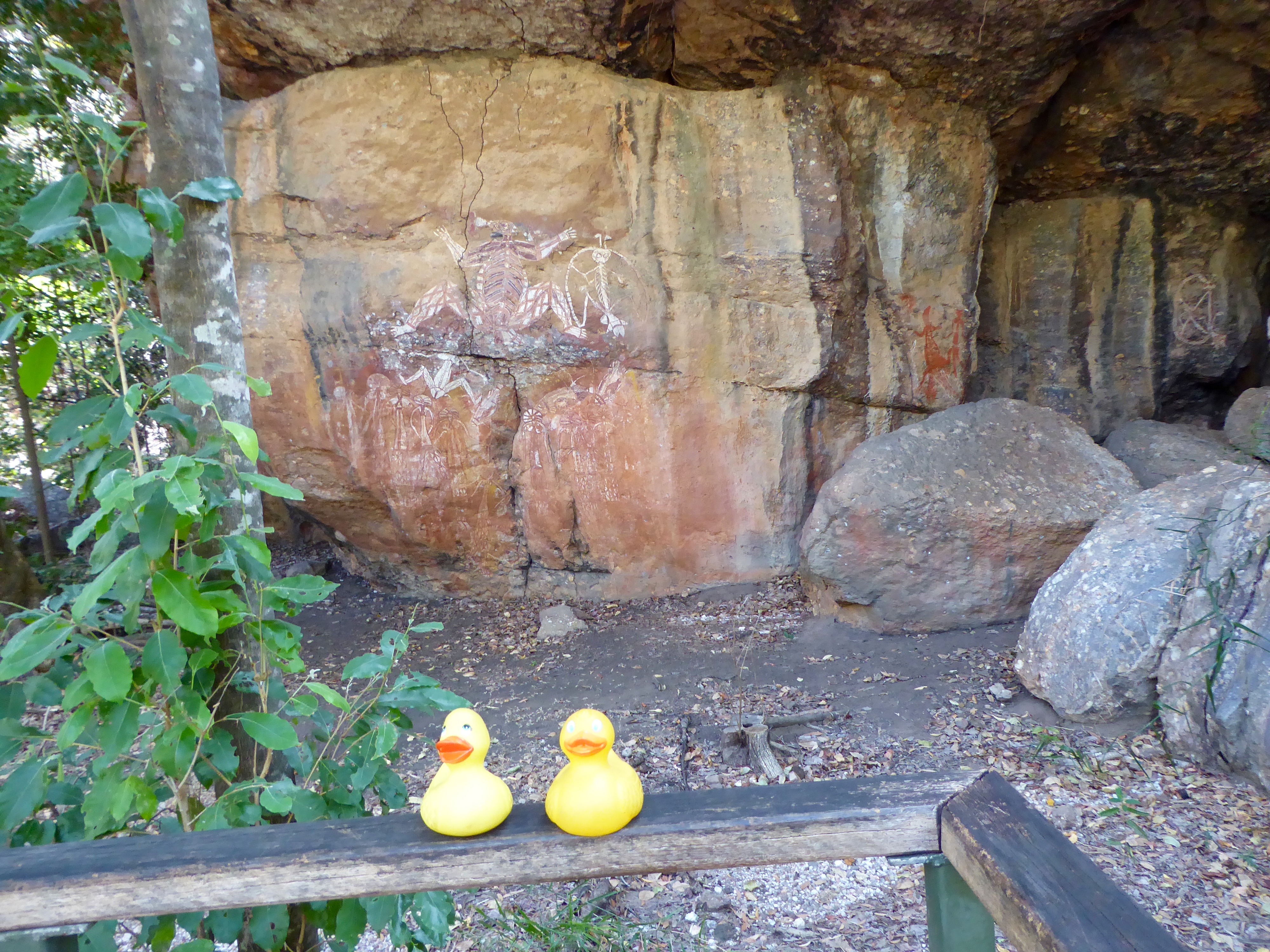
to see some Aboriginal Rock Art.

Aboriginal rock art

Aboriginal rock art

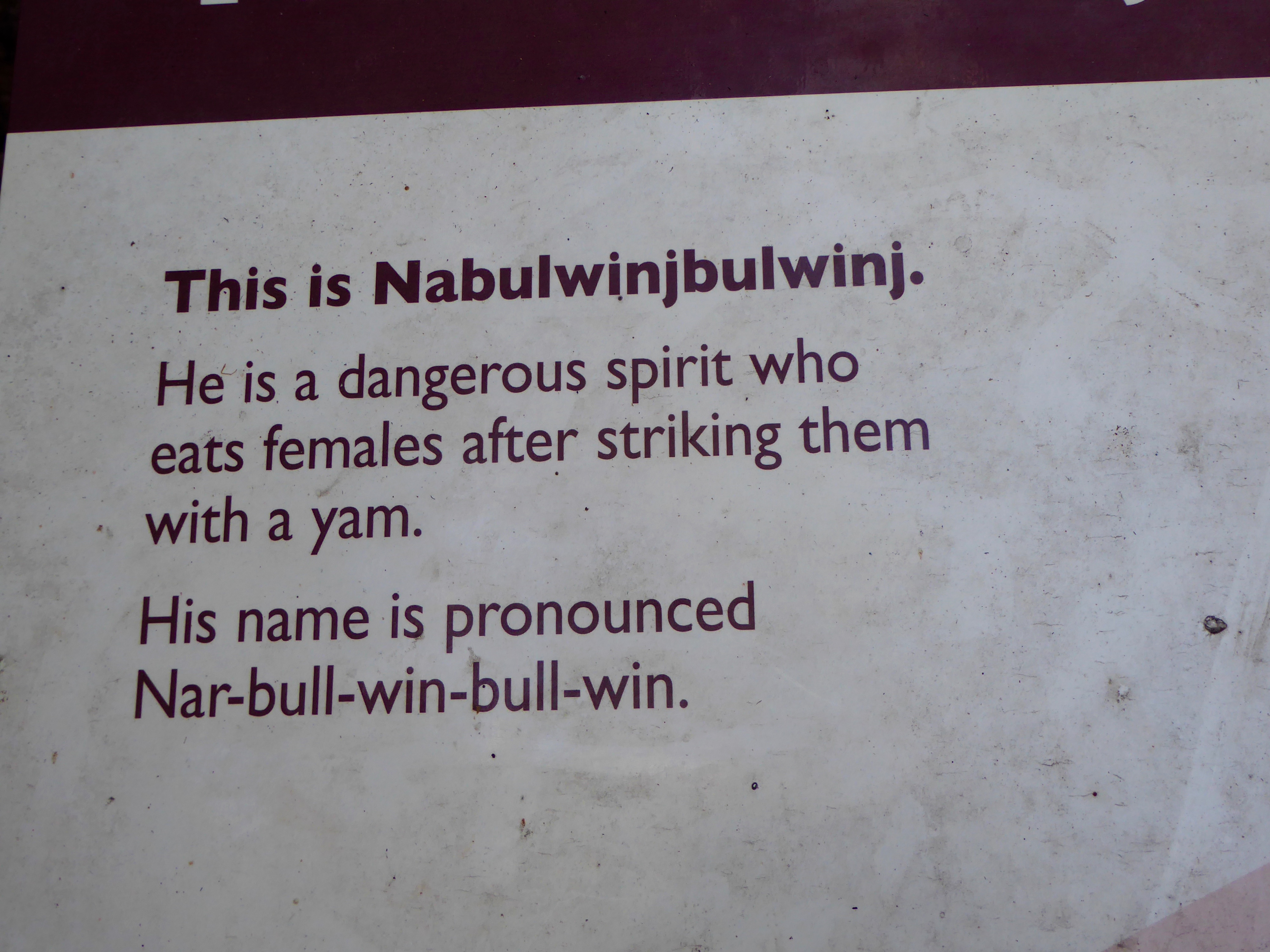
Our National Geographic guide book says humans were here more than 20,000 years ago.   This sign explains what we are seeing.

With a yam?

With a yam?

Here is some art.

We admire this aboriginal rock art

We admire this aboriginal rock art

This one is also interesting.

Aboriginal rock are

Aboriginal rock art

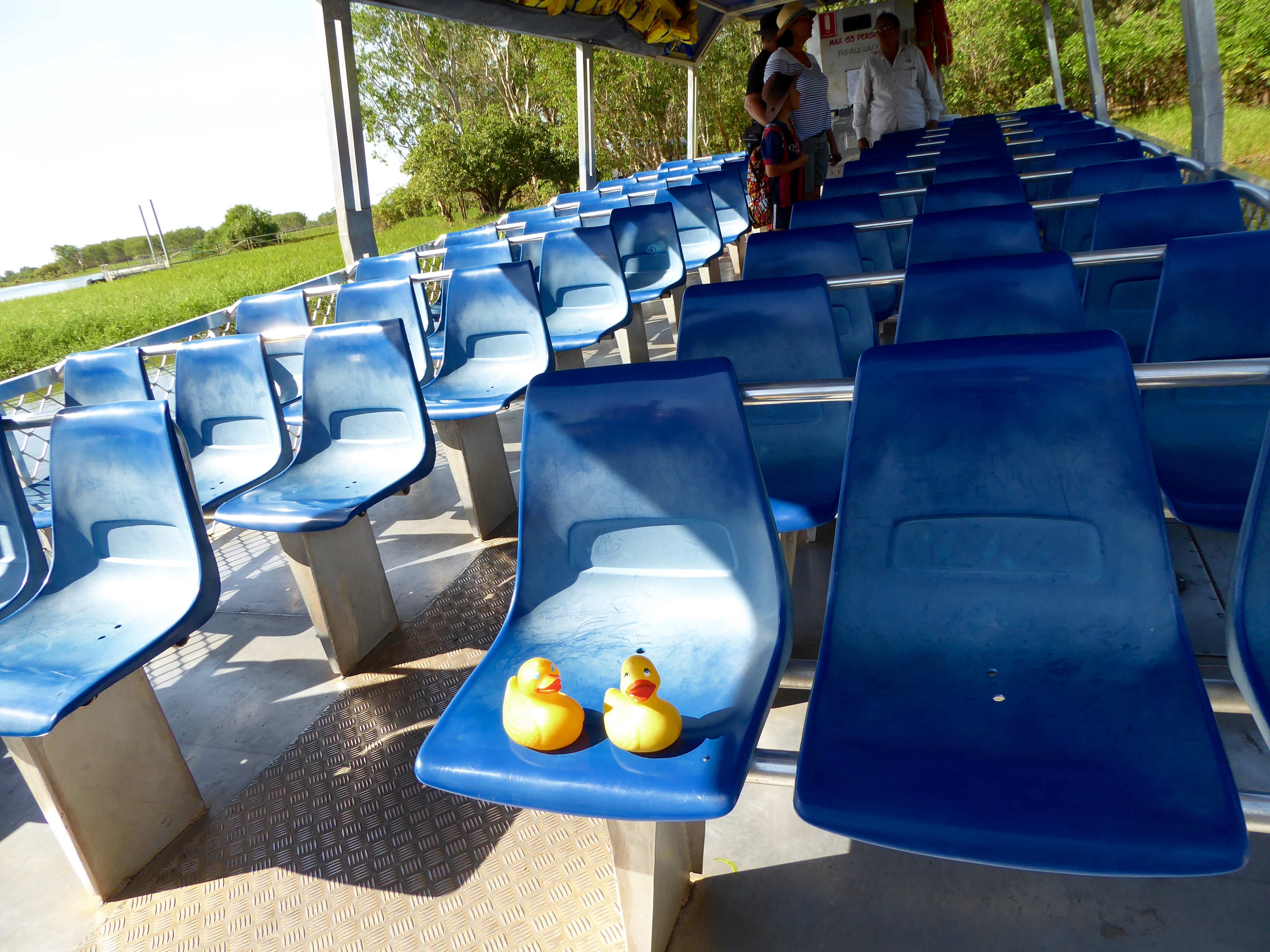
Now we are getting on another boat.

We love river boat rides

We love river boat rides

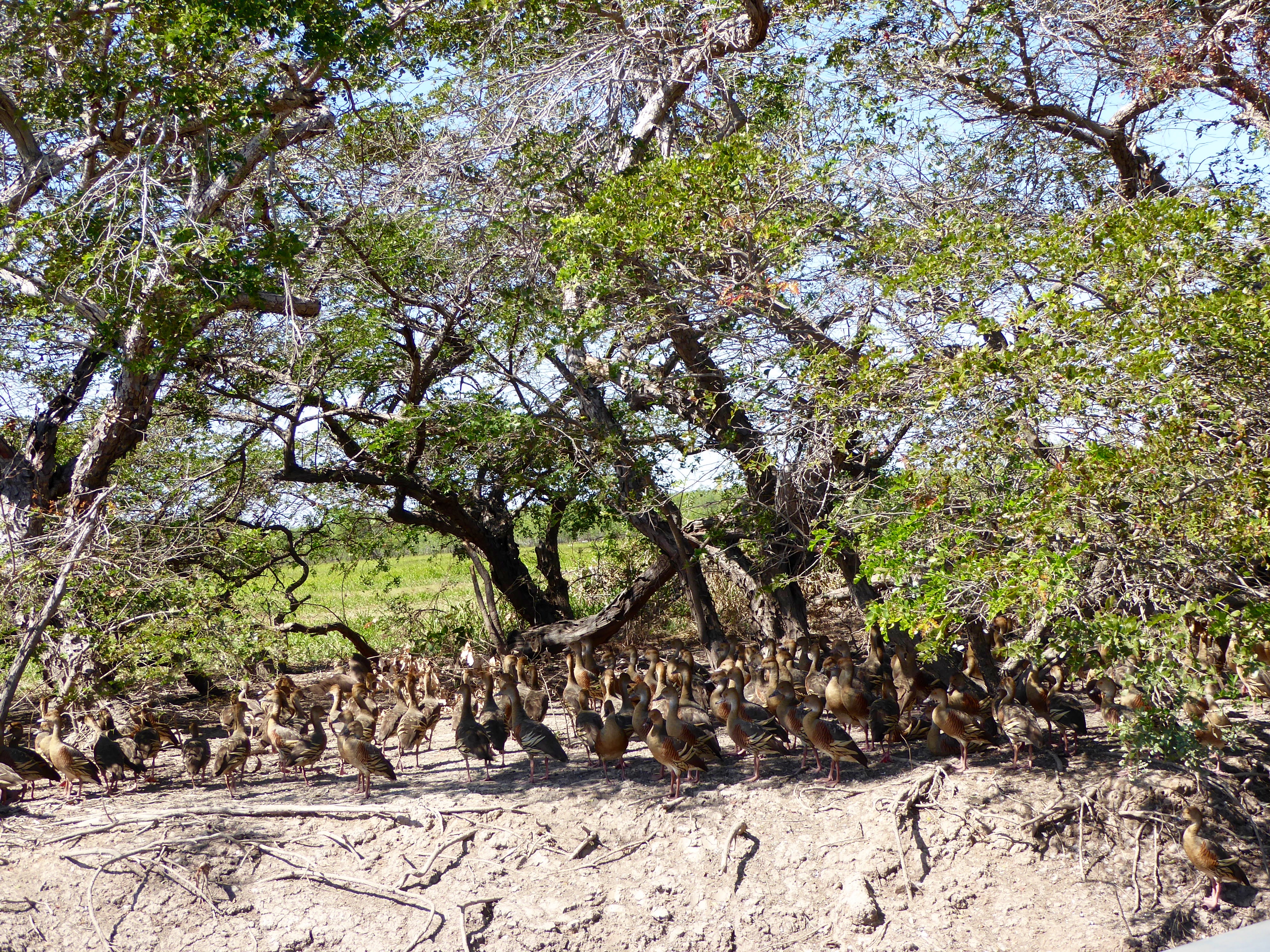
We love these boat rides.   There are so many of these brown, wood ducks.

So many ducks along the river bank

So many ducks along the river bank

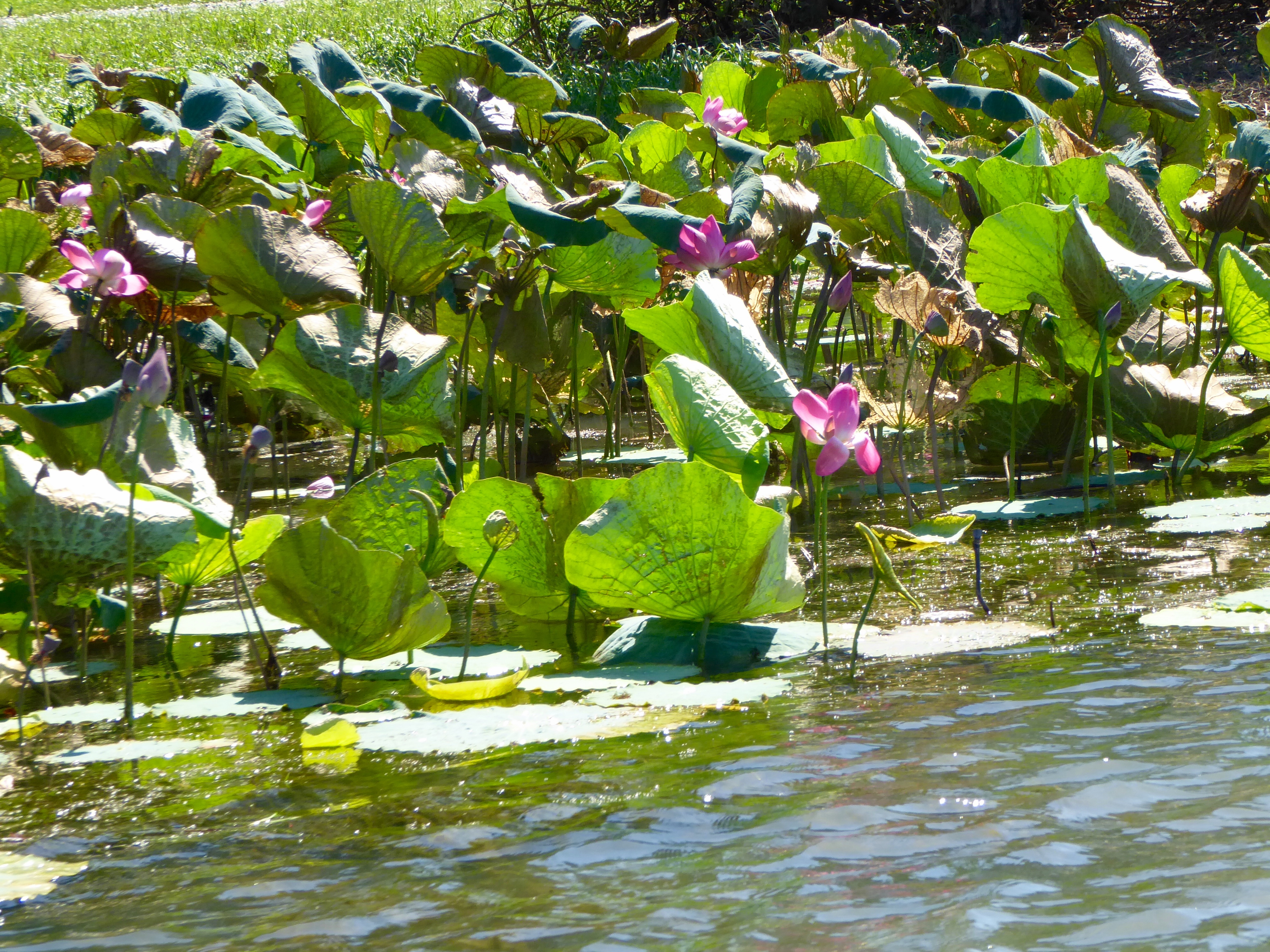
Aren’t these flowers in the lily pads beautiful?

We like lily pads and bright flowers

We like lily pads and bright flowers

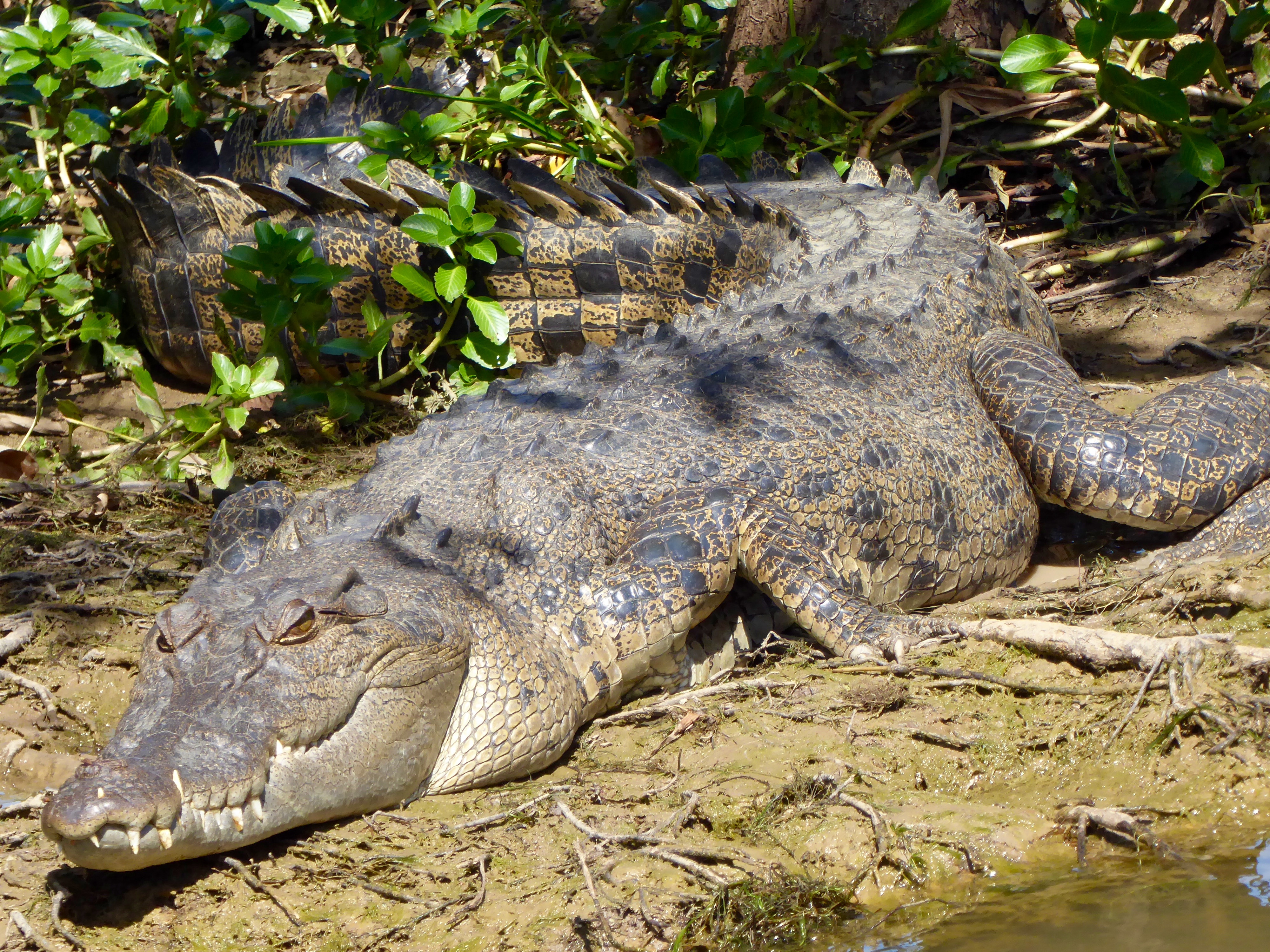
We really like them.   Kakadu National Park is home to both salt water and fresh water crocodiles.   We believe this is a fresh water crocodile.

A really big crocodile at Kakadu

A really big crocodile at Kakadu enjoying the sun.

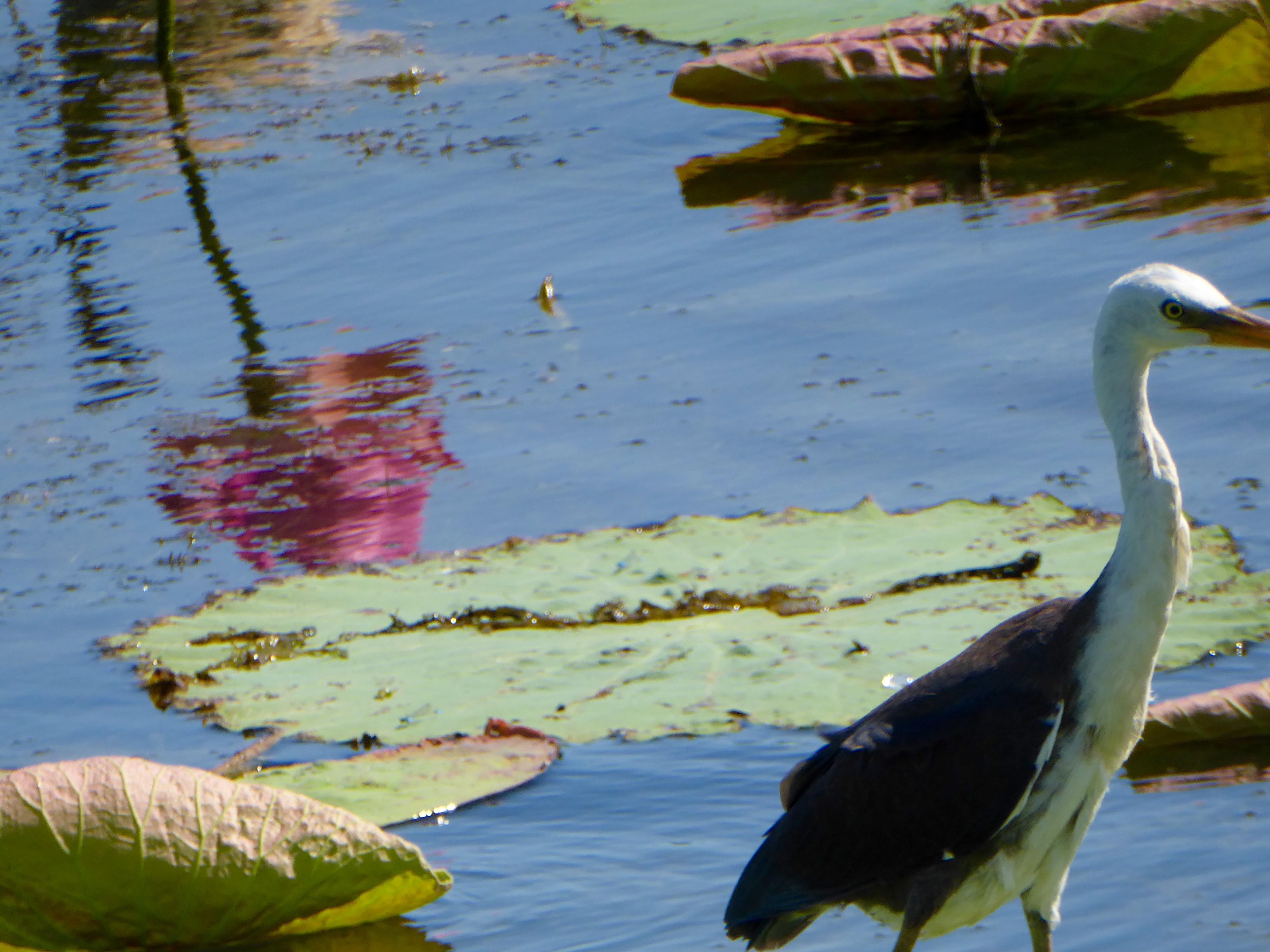
This bird seems to be looking for a snack.

Bird seems to want a snack

Bird seems to want a snack

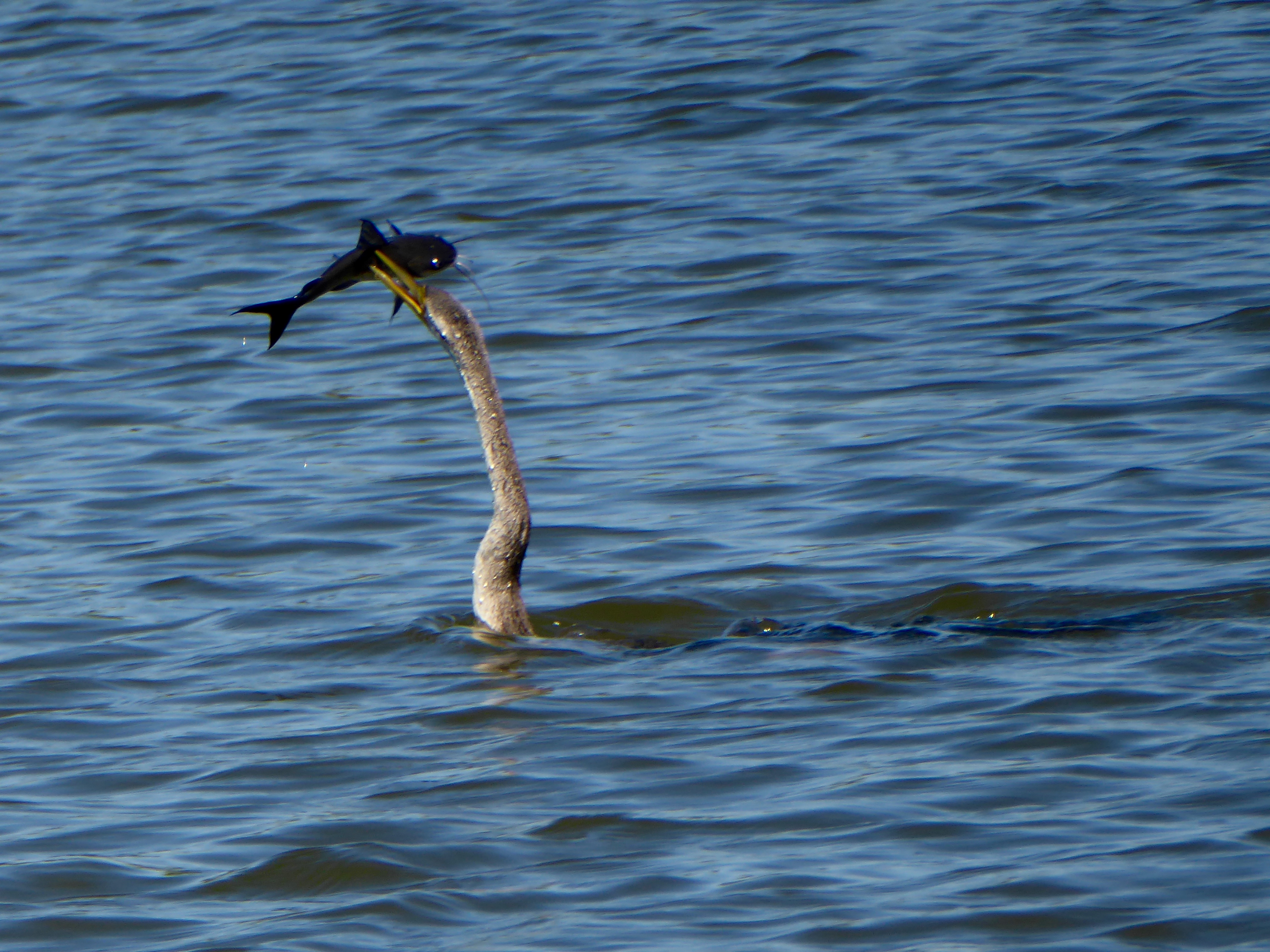
He caught a fish and is trying to position the fish so he can eat now.

Now, how to eat this fish

Now, how to eat this fish

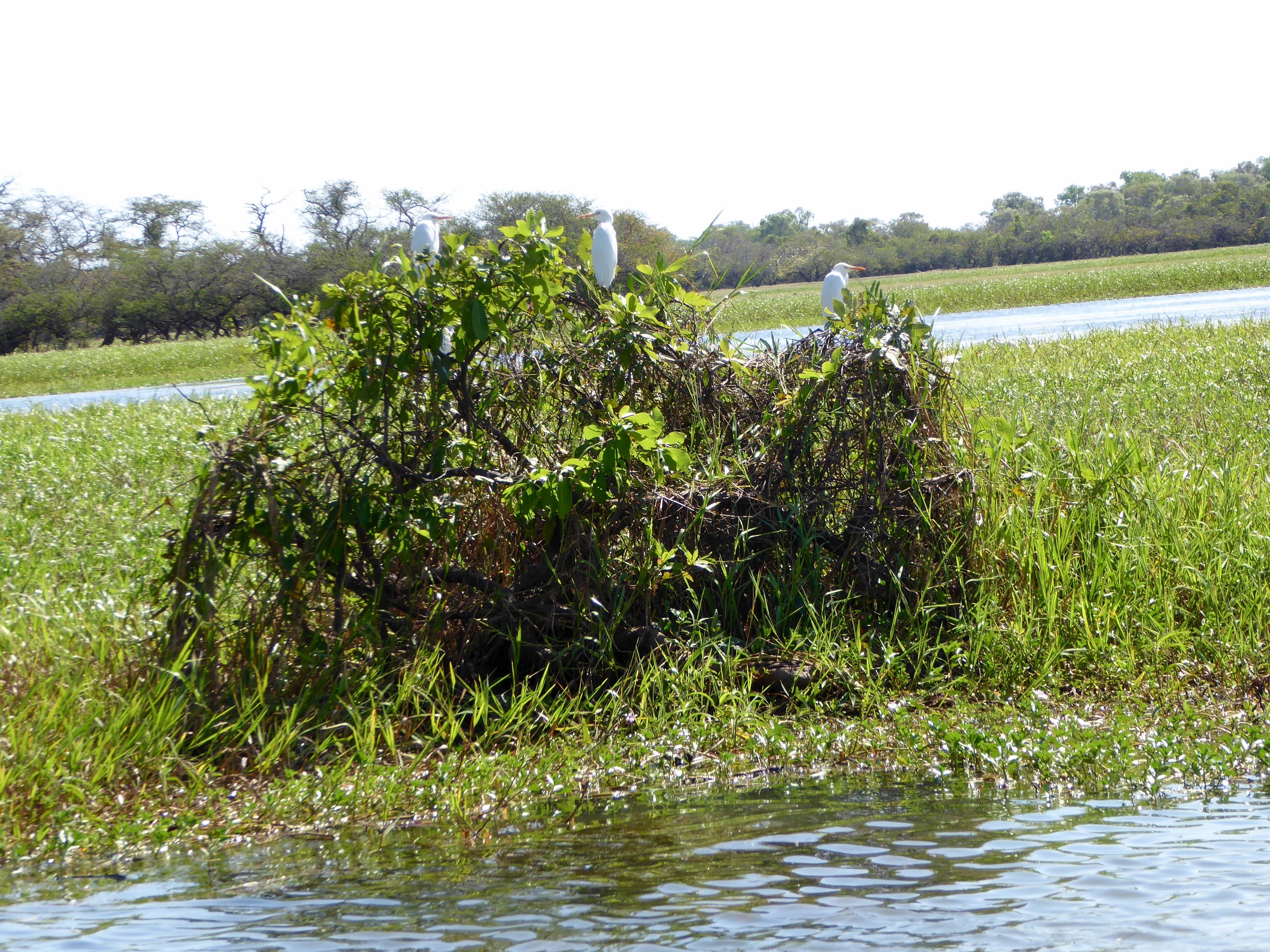
Kakadu National Park has 290 species of birds and 74 species of reptiles.   There are also more than 1,600 species of plants and over 52 different types of fish.   Today we saw so many birds.   These white birds are great.

Pretty white birds

Pretty white birds

These white and grayish blue birds are also wonderful.

The beaks match the wings

The beaks match the wings

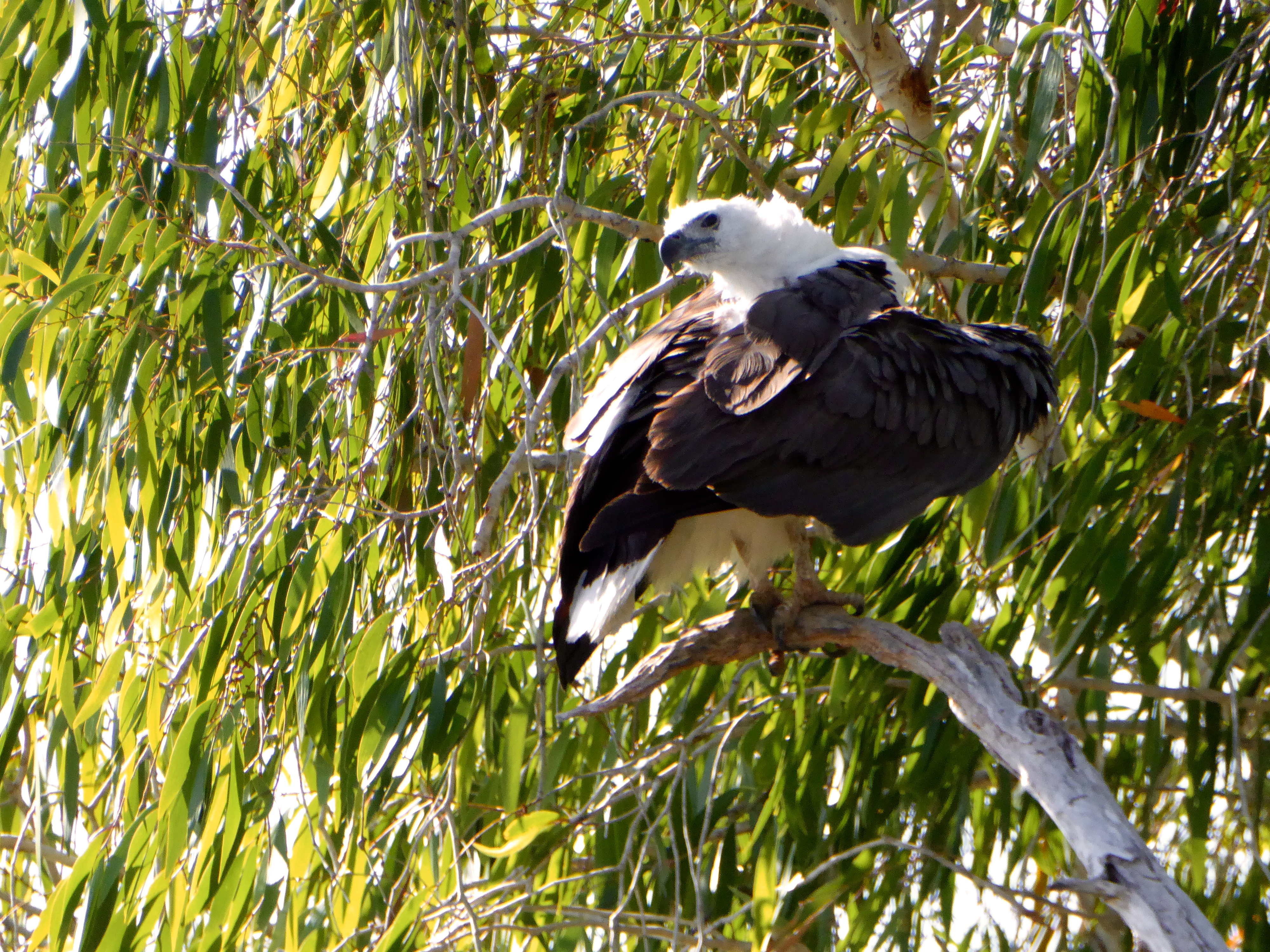
We really like their beaks.   This looks like a type of eagle.

Type of eagle?

Type of eagle?

After our boat trip, we visited the Warradjan Aboriginal Culture Center.

Cultural Center at Kakadu

Cultural Center at Kakadu

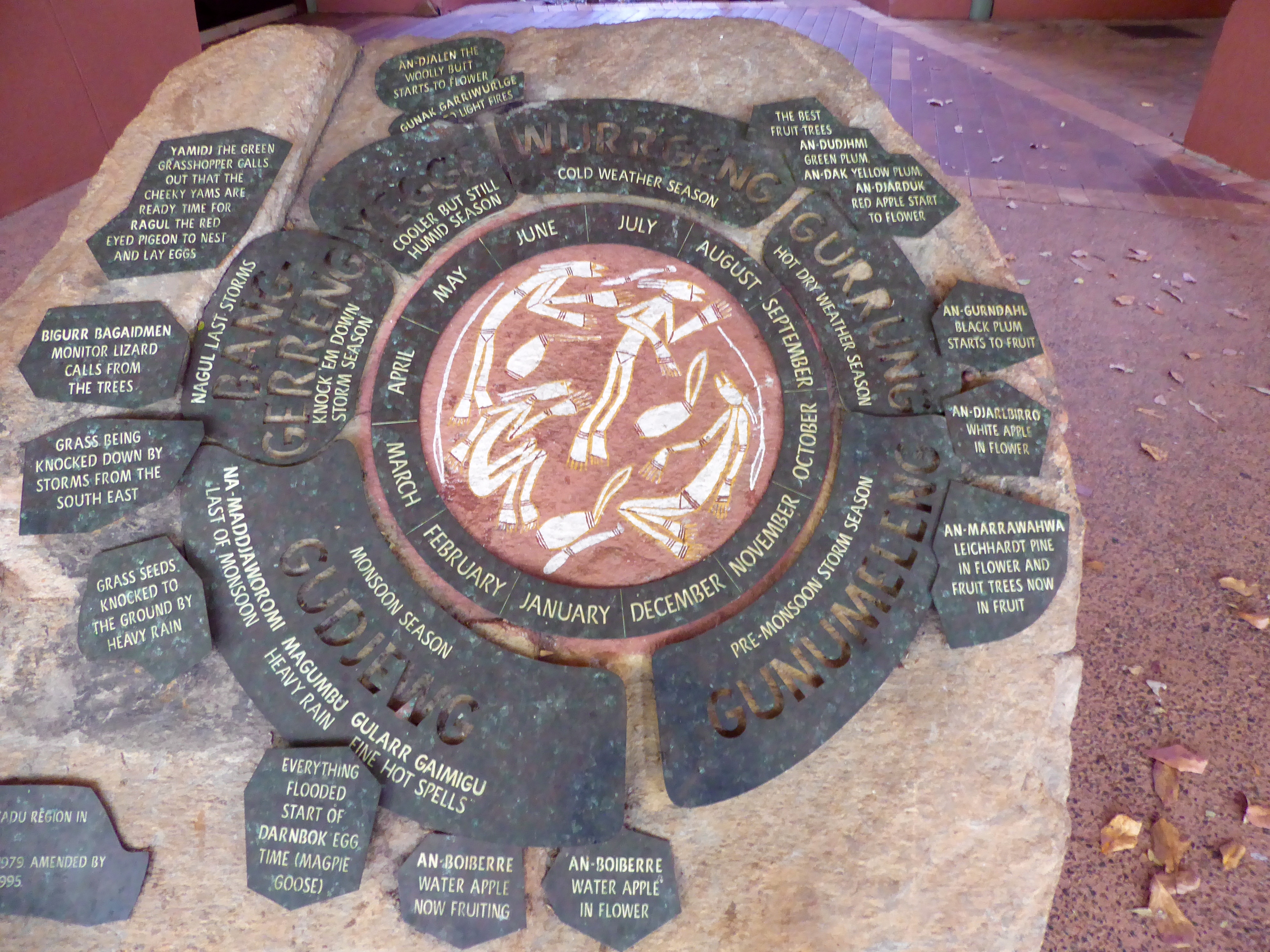
The aboriginal calendar at Kakadu shows 6 seasons.

Six seasons here. We are enjoying the dry season.

Six seasons here. We are enjoying the dry season.

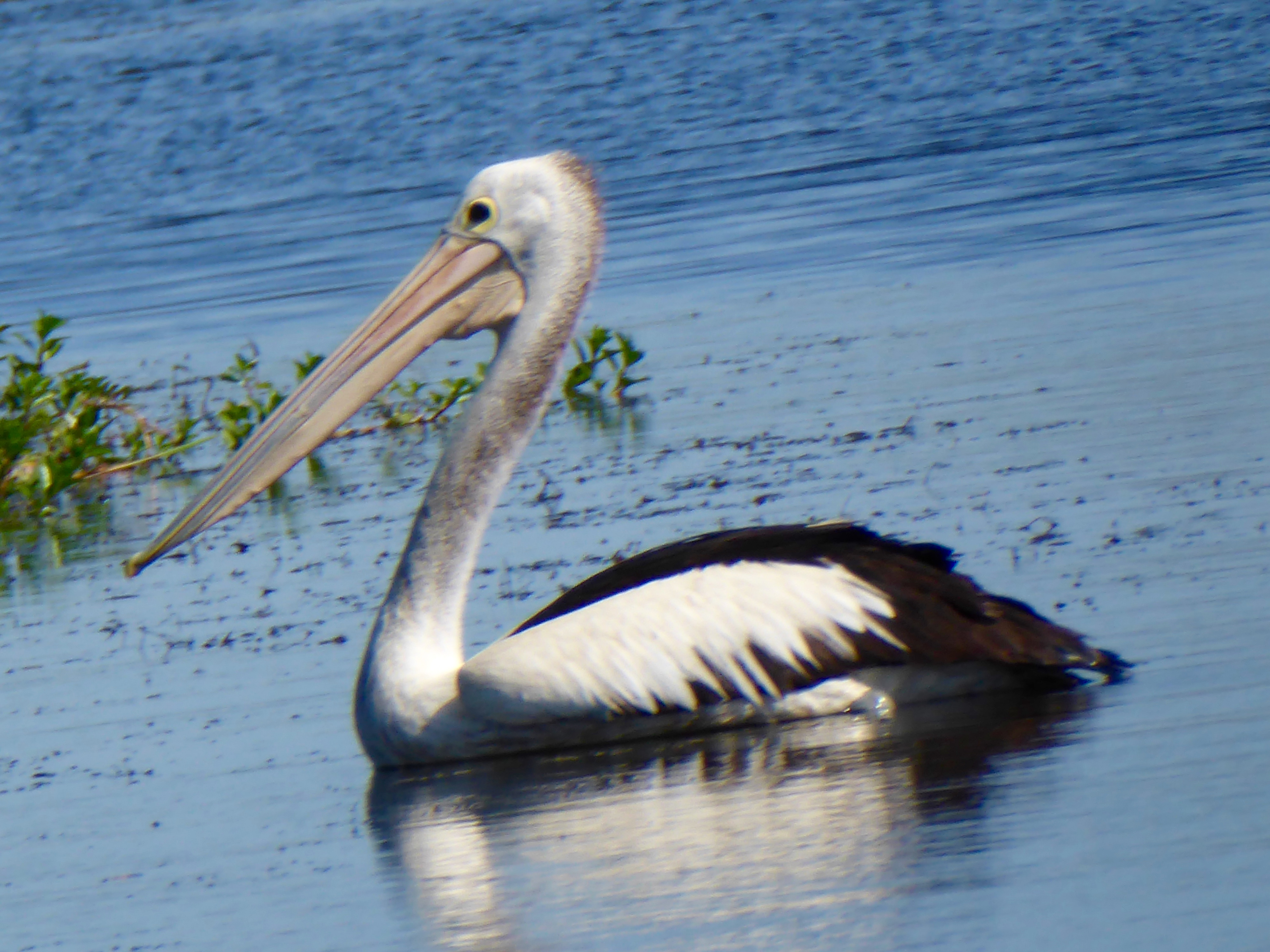
The cultural center was very interesting, but photos were not allowed in many exhibits.   If you go, we think you would enjoy the center.    Before we leave Kakadu National Park, we want to remind you that no boat ride here would be complete without a pelican.

Always admire pelicans

Always admire pelicans

Australia’s Northern Territory is so wild and seems to be as it was thousands of years ago.   When you go, you will feel the difference in the Northern Territory.   We did.

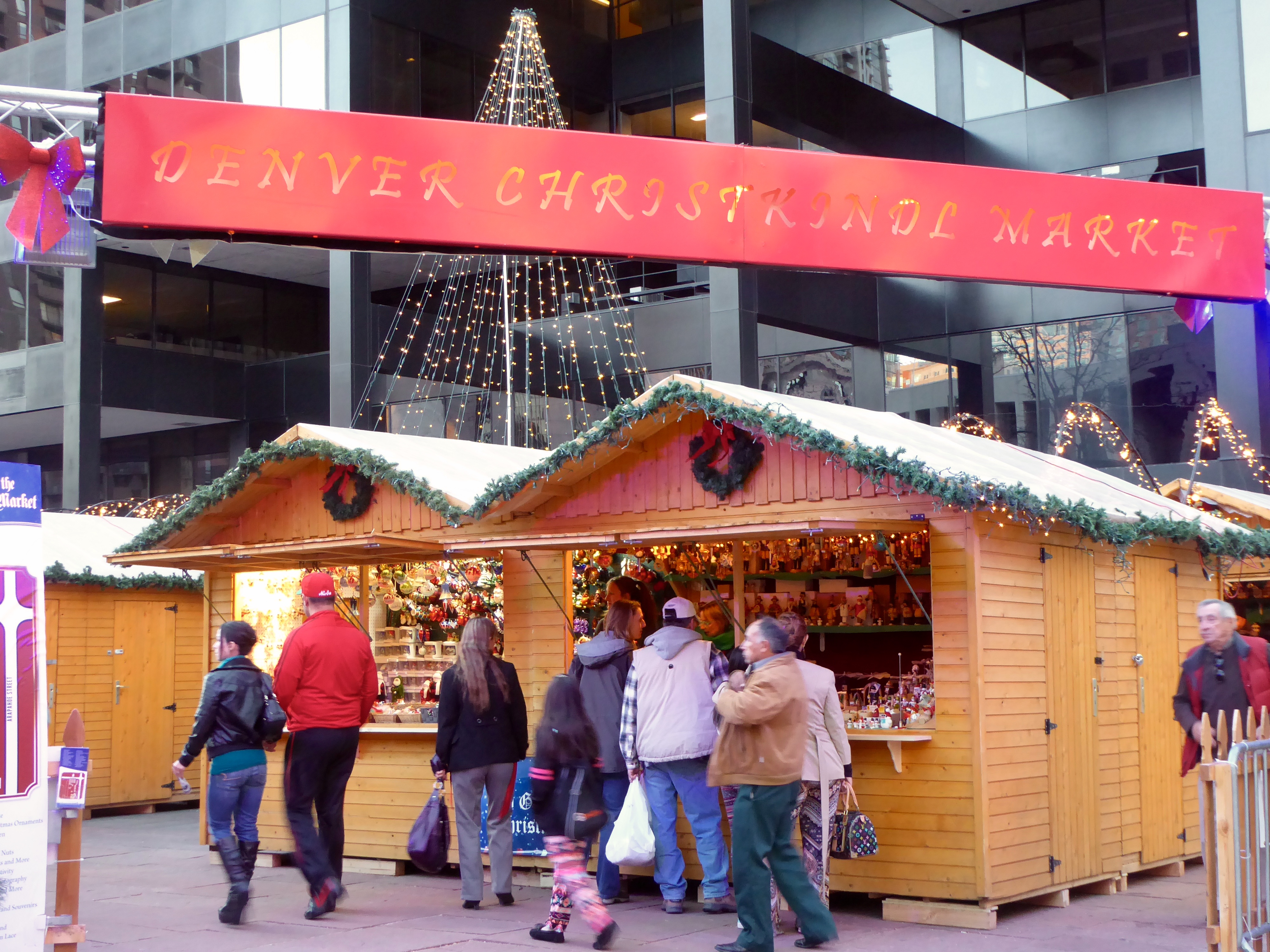
Denver’s Christkindl Market with Zeb and Soapy Smith Duck

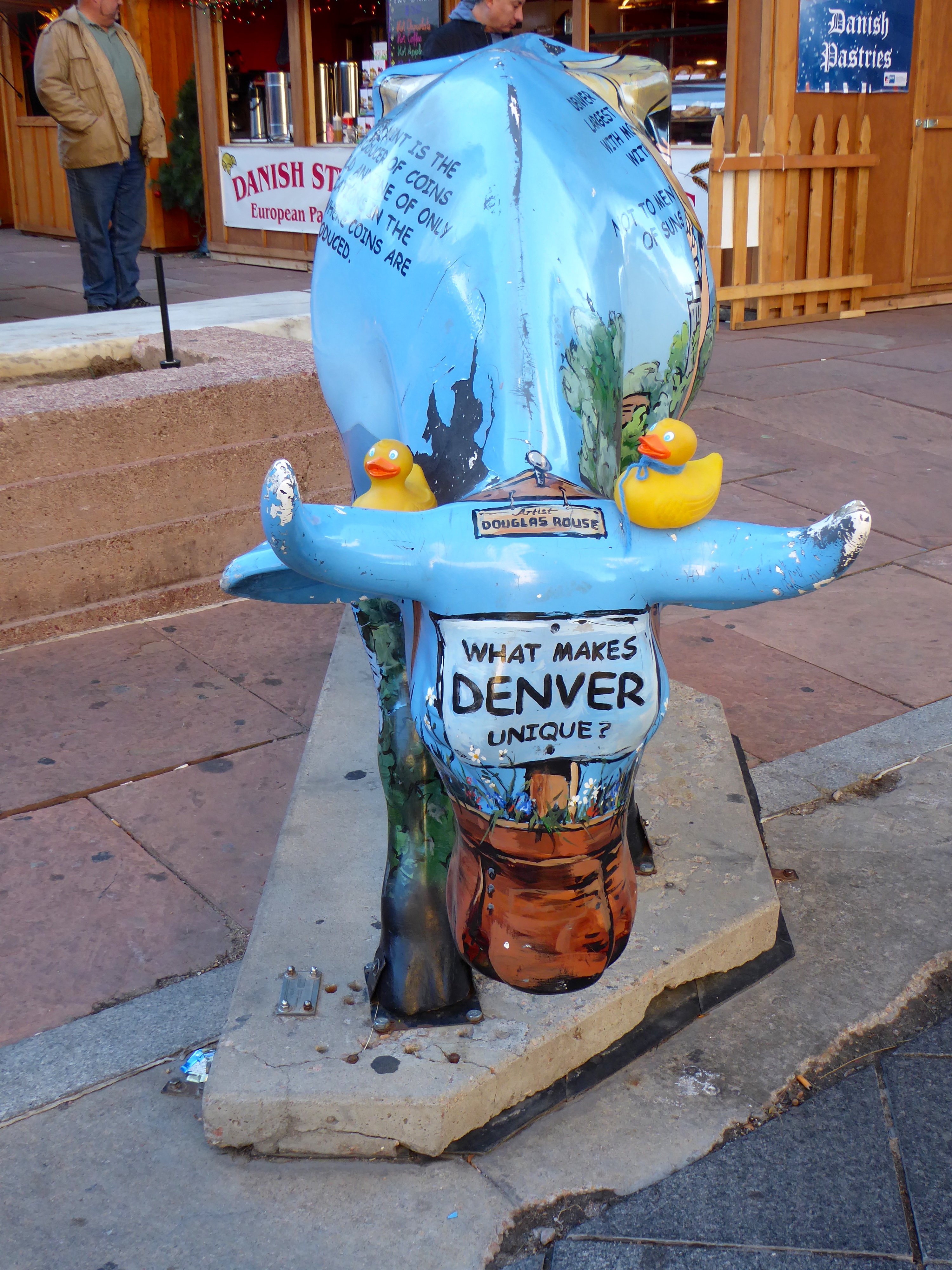
On a sunny Sunday, Zeb and Soapy Smith Duck wandered through Denver’s German Christmas Market.   Walking down Denver’s Sixteenth Street Pedestrian Mall, heading toward Skyline Park, we stopped to read the blue cow by Douglas Rouse.

Denver's Blue Cow

Denver’s Blue Cow

We love the blue cow with some facts unique to Denver.   Denver has the nation’s largest city park system with more than 200 parks within city limits.   And we love the 300 days of sunshine each year to enjoy them.   Our airport, Denver International, is the nation’s largest at 53 square miles.   Did you know that the Denver Mint is the largest producer of coins in the world?   And the thirteenth step of Colorado’s State Capitol Building is exactly 5,280 feet above sea level.   We are the Mile High City.   Let’s enter Denver’s Christkindl.

Entrance to Denver's Christkindl Market

Entrance to Denver’s Christkindl Market

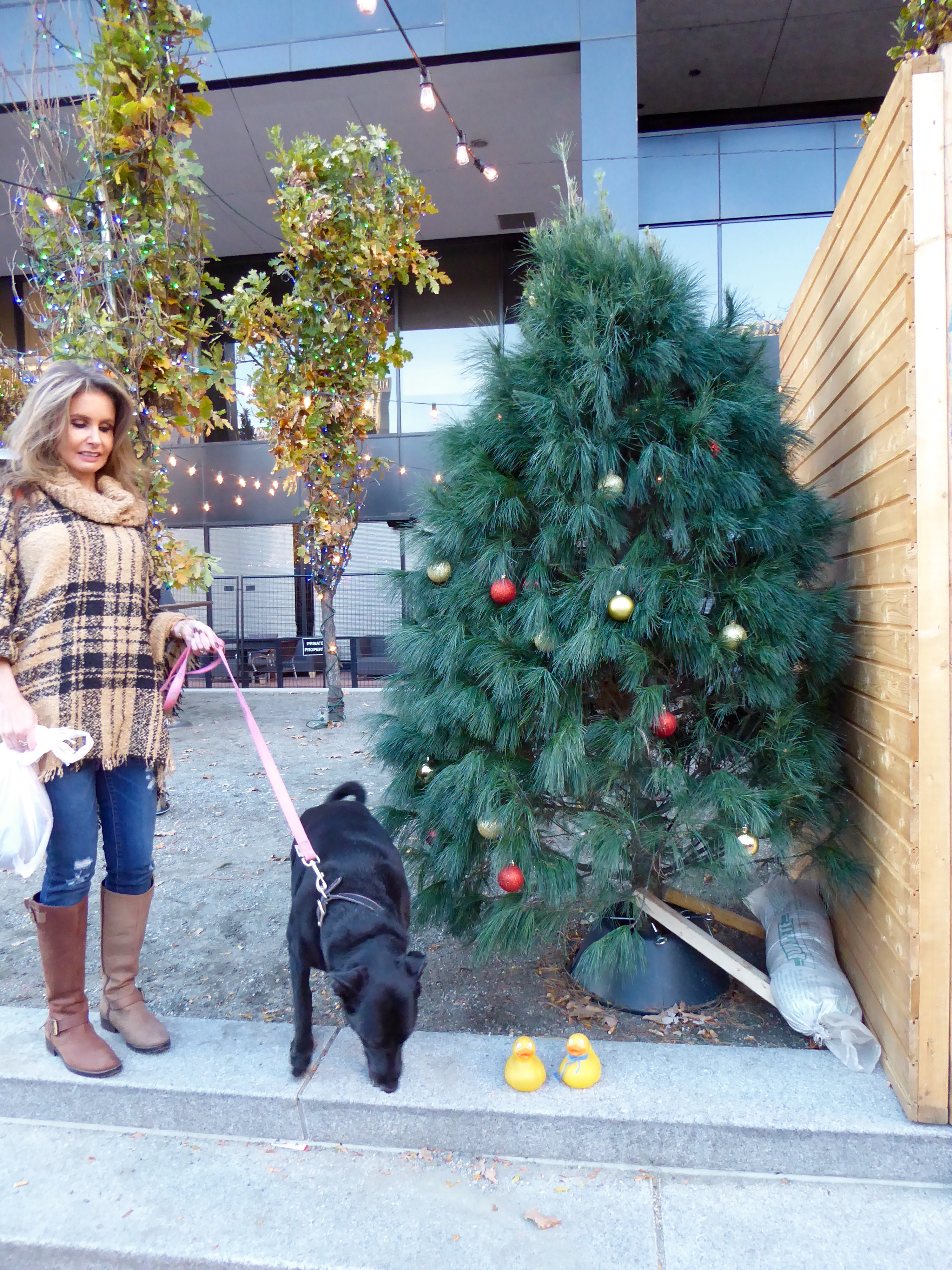
There are so many venders with German or European themed items and food.   We, Zeb and Soapy, want Soapy’s dog, Steve, to help us decorate this Christmas tree.

Let's decorate this tree

Let’s decorate this tree

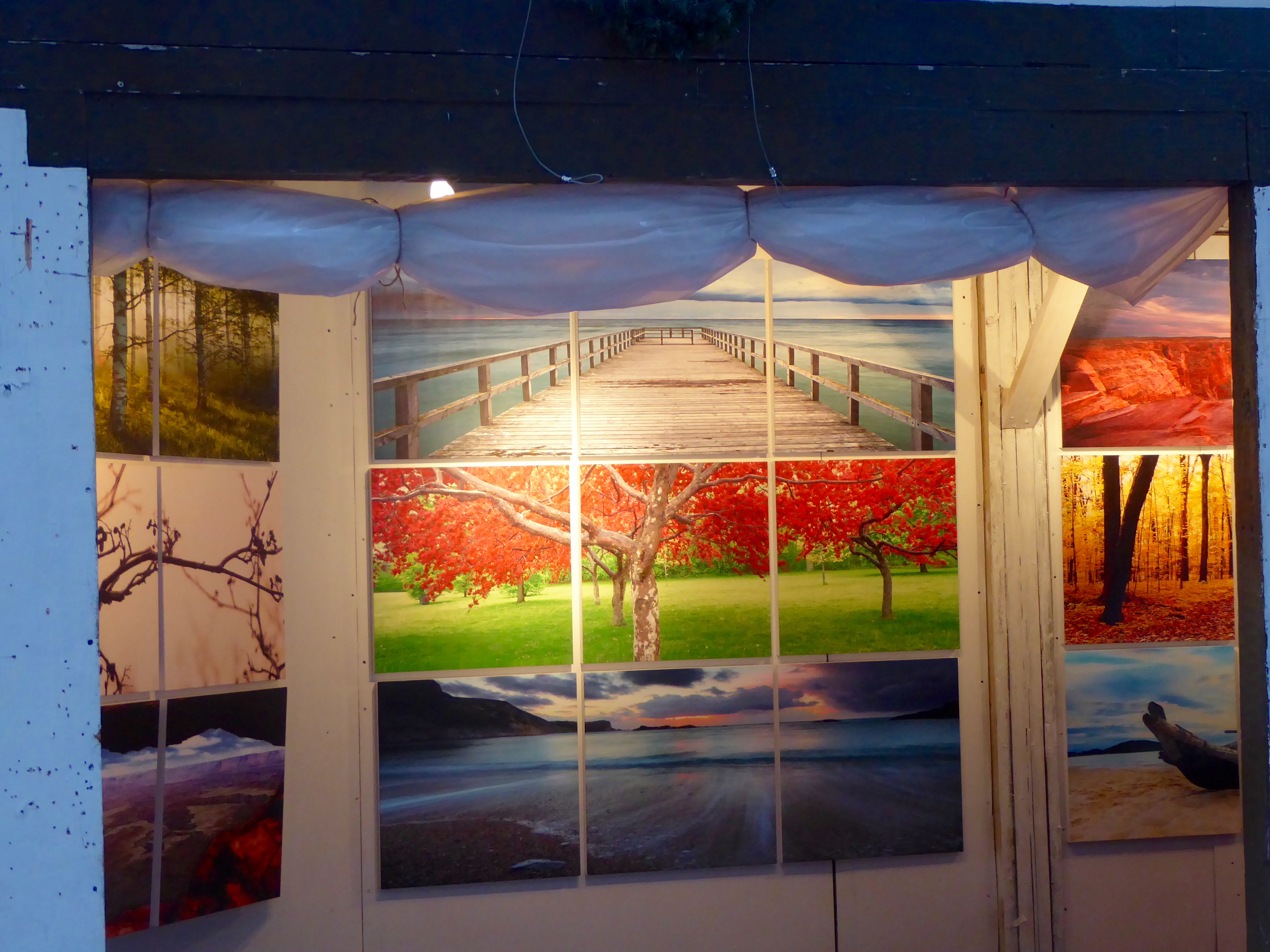
Remember our Soapy Smith Duck is quite the rascal, so Zeb and Steve will watch him so he does not take ornaments off the tree and give them to strangers.   We love the top picture of a pier going over the water.

We like this art

We like this art

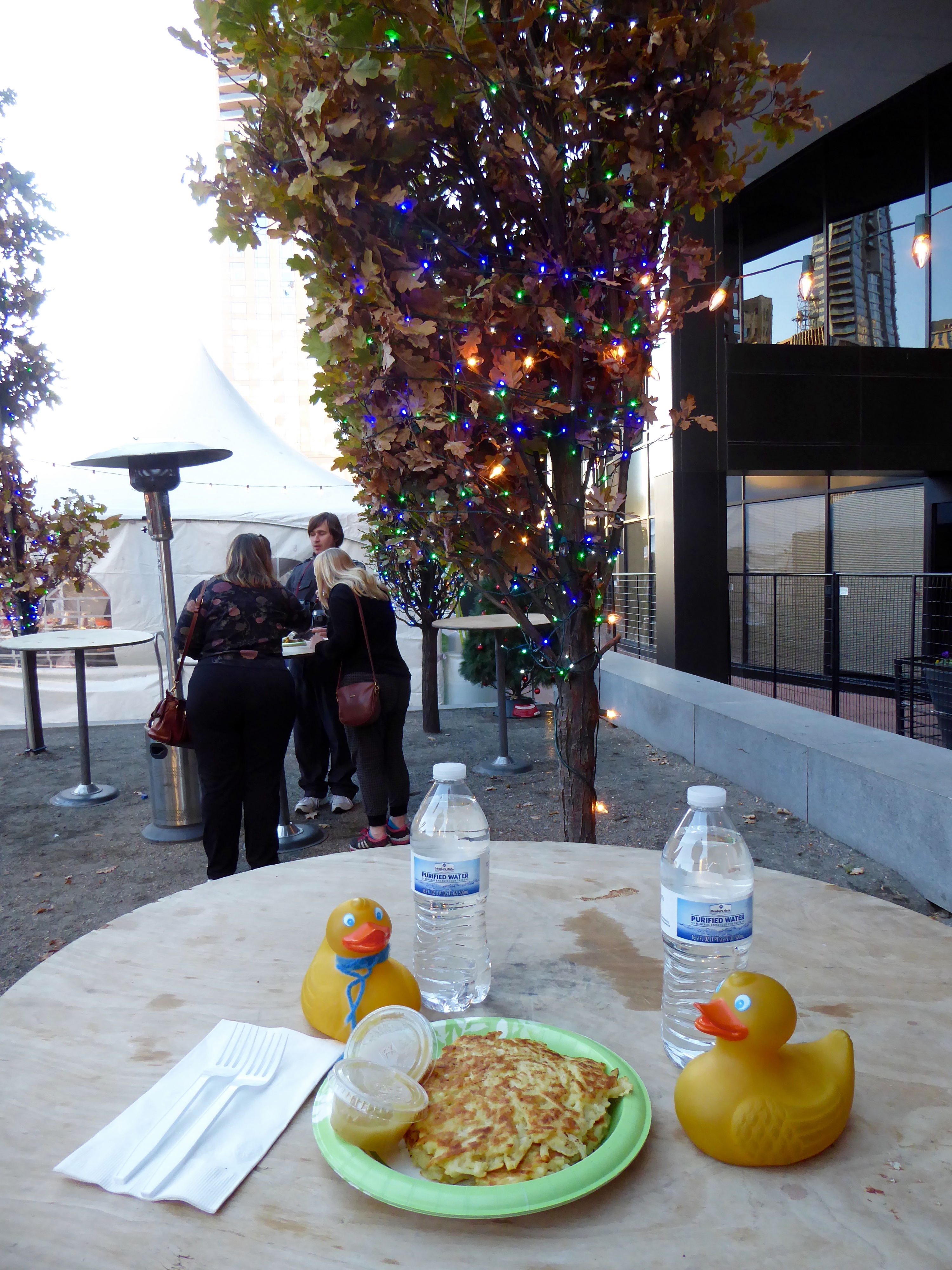
This booth had great art for sale.   We were so tempted and had to try the potato pancakes, with applesauce.

Wonderful potato pancakes

Wonderful potato pancakes

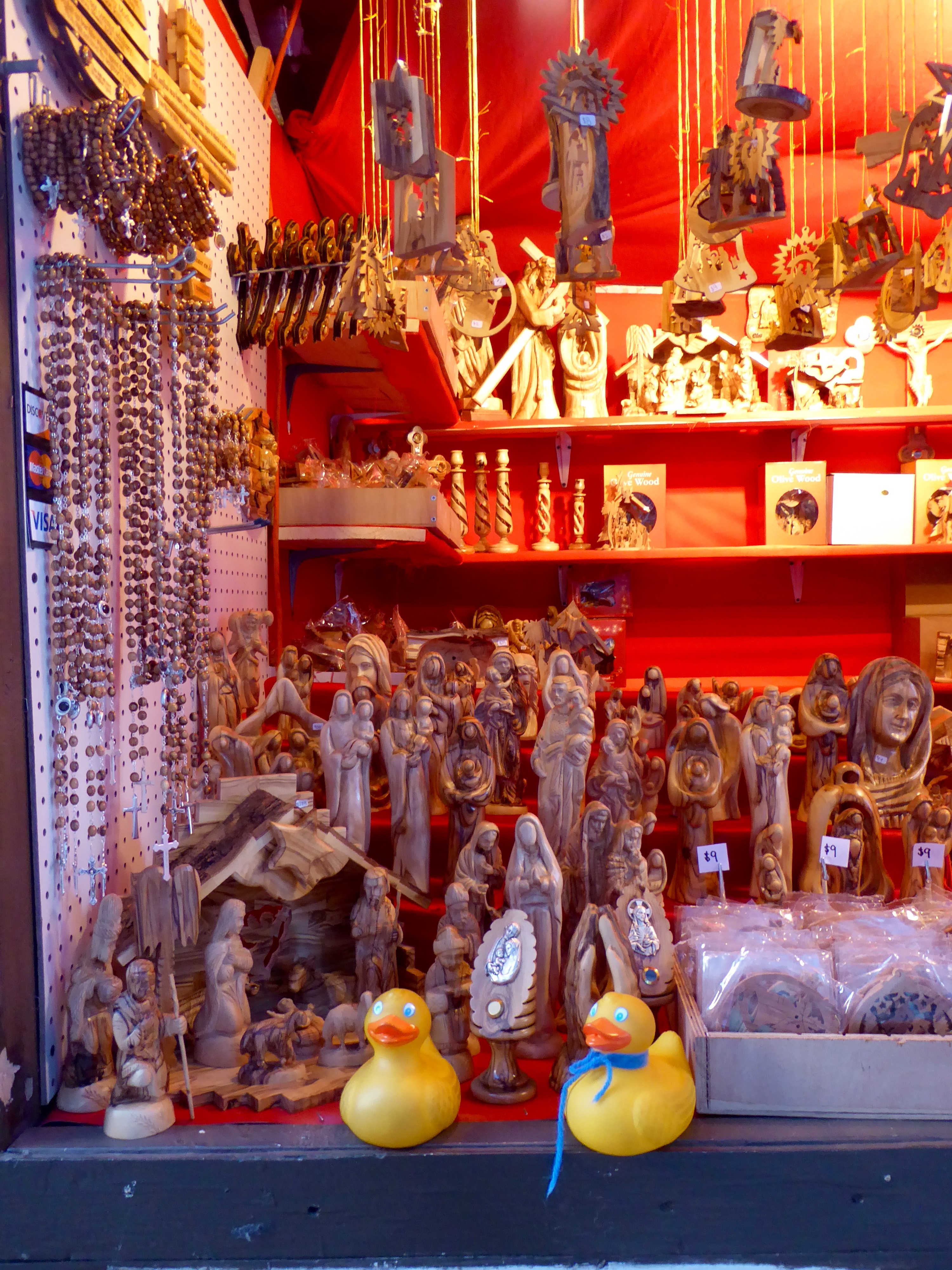
We really like them.   Hand carved wooden decorations were a big hit.

Wood carvings at Bethlehem Nativity

Wood carvings at Bethlehem Nativity

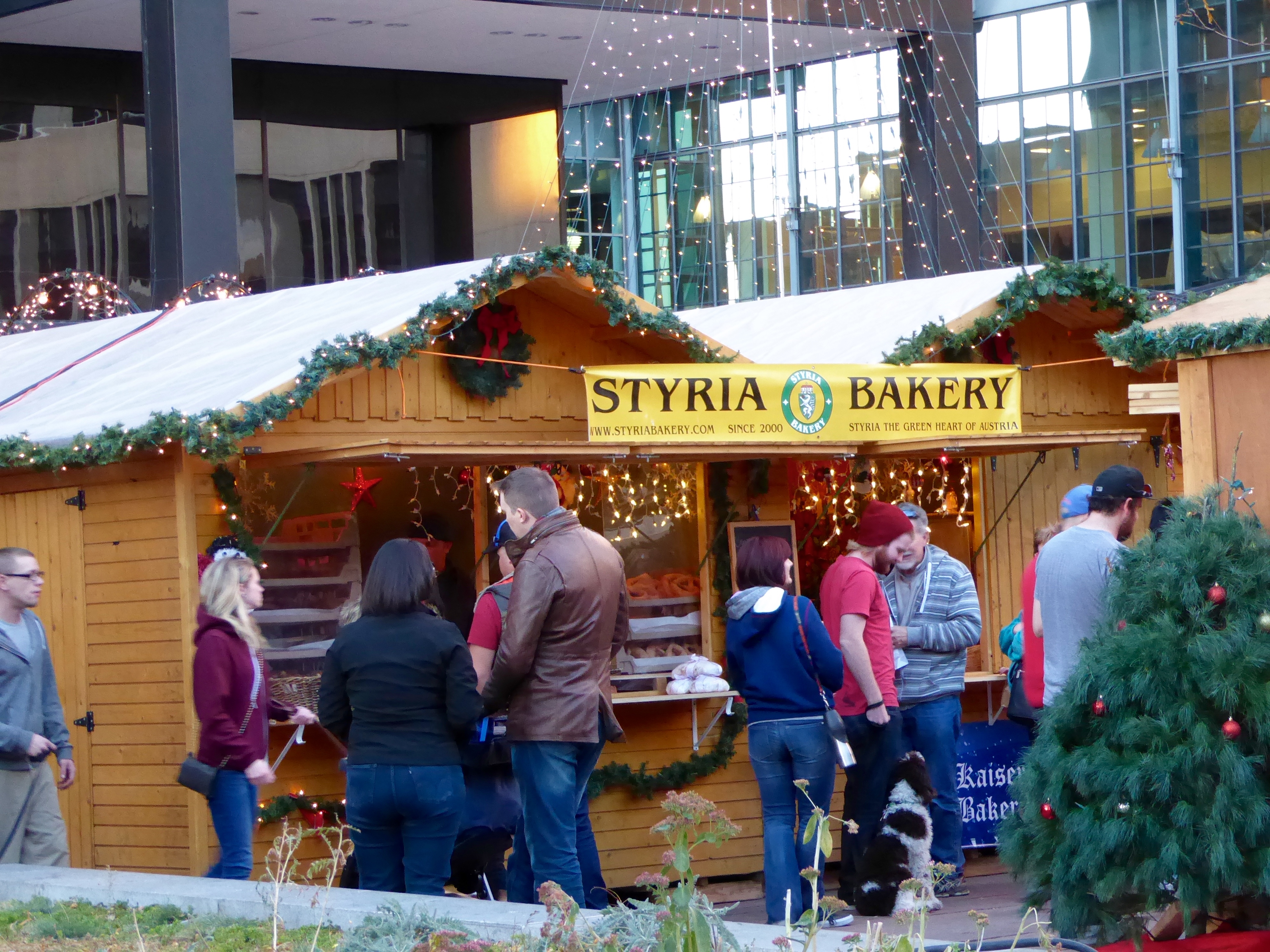
Aren’t they nice?   The potato pancakes were good, but we could still eat more.   Then we saw the Styria Bakery.

Stryka Bakery. Can't pass up a good bakery

Stryka Bakery.   Can’t pass up a good bakery

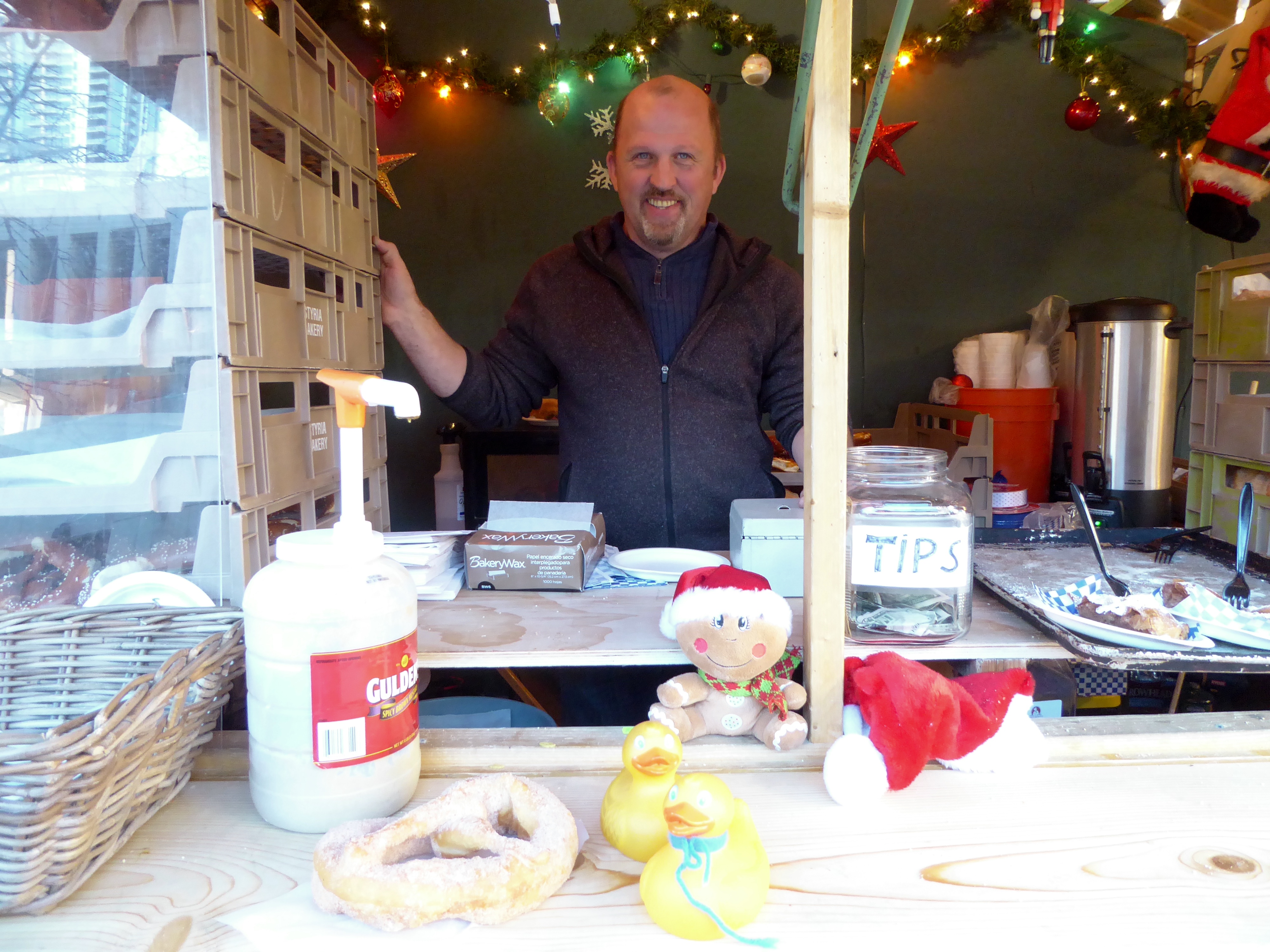
This huge pretzel with cinnamon and sugar was just what we wanted.

Cinnamon Pretzel

Cinnamon Pretzel

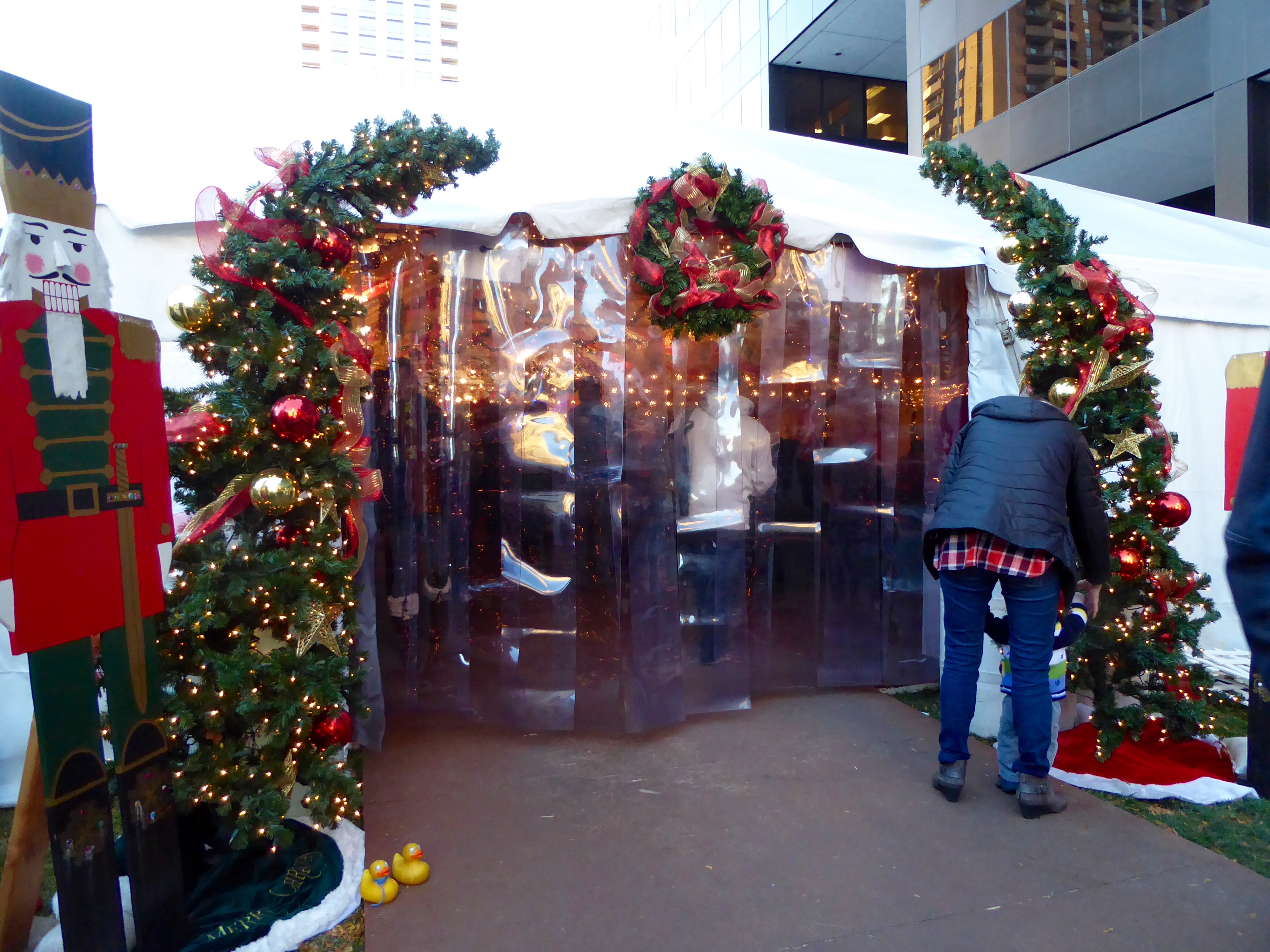
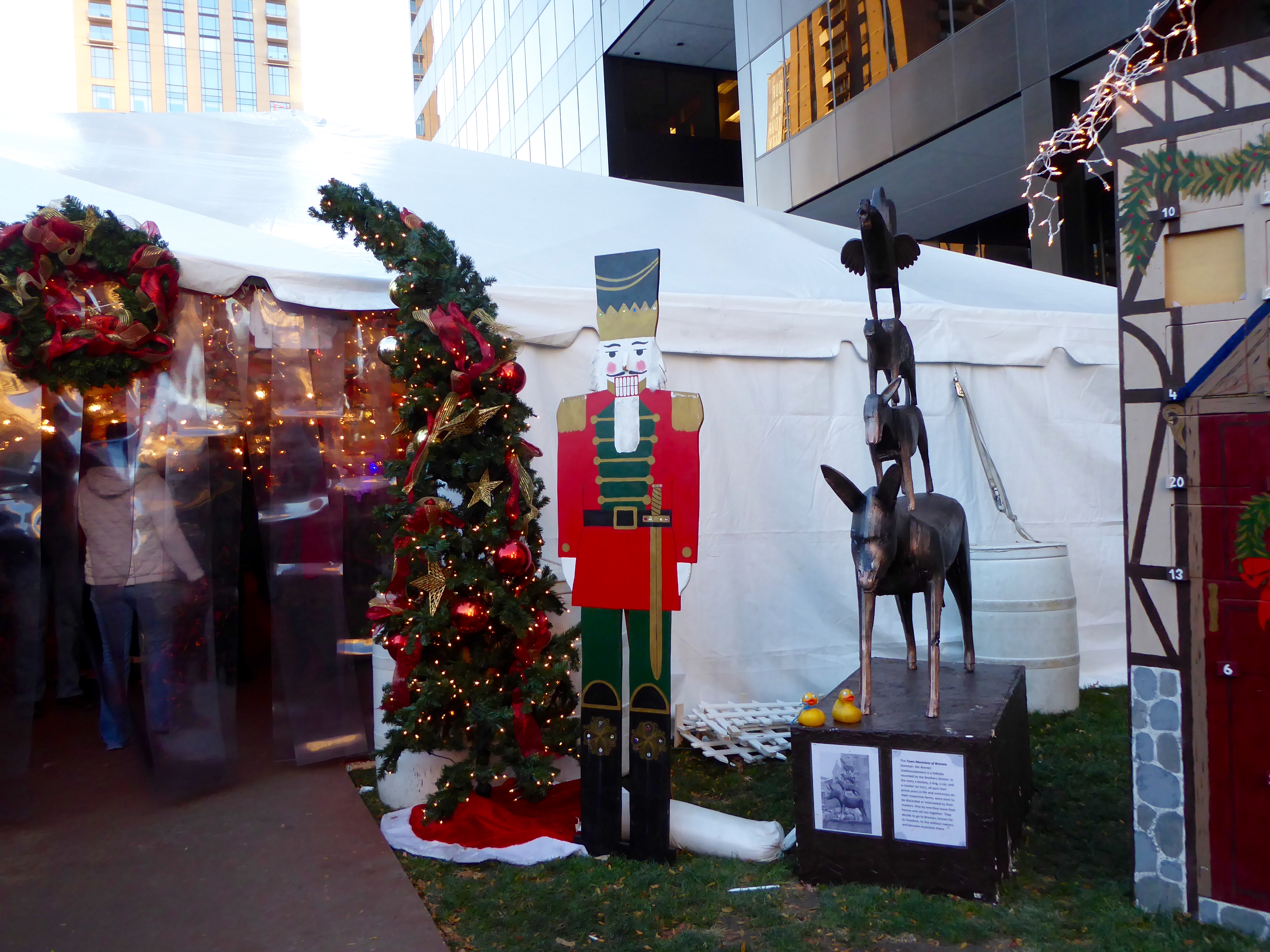
Delicious!   Here we are near the warming tent, which also happens to be the beer garden.

Entrance to warming tent and beer garden

Entrance to warming tent and beer garden

By the entrance we saw and recognized this statue.

The Musicians of Bremer

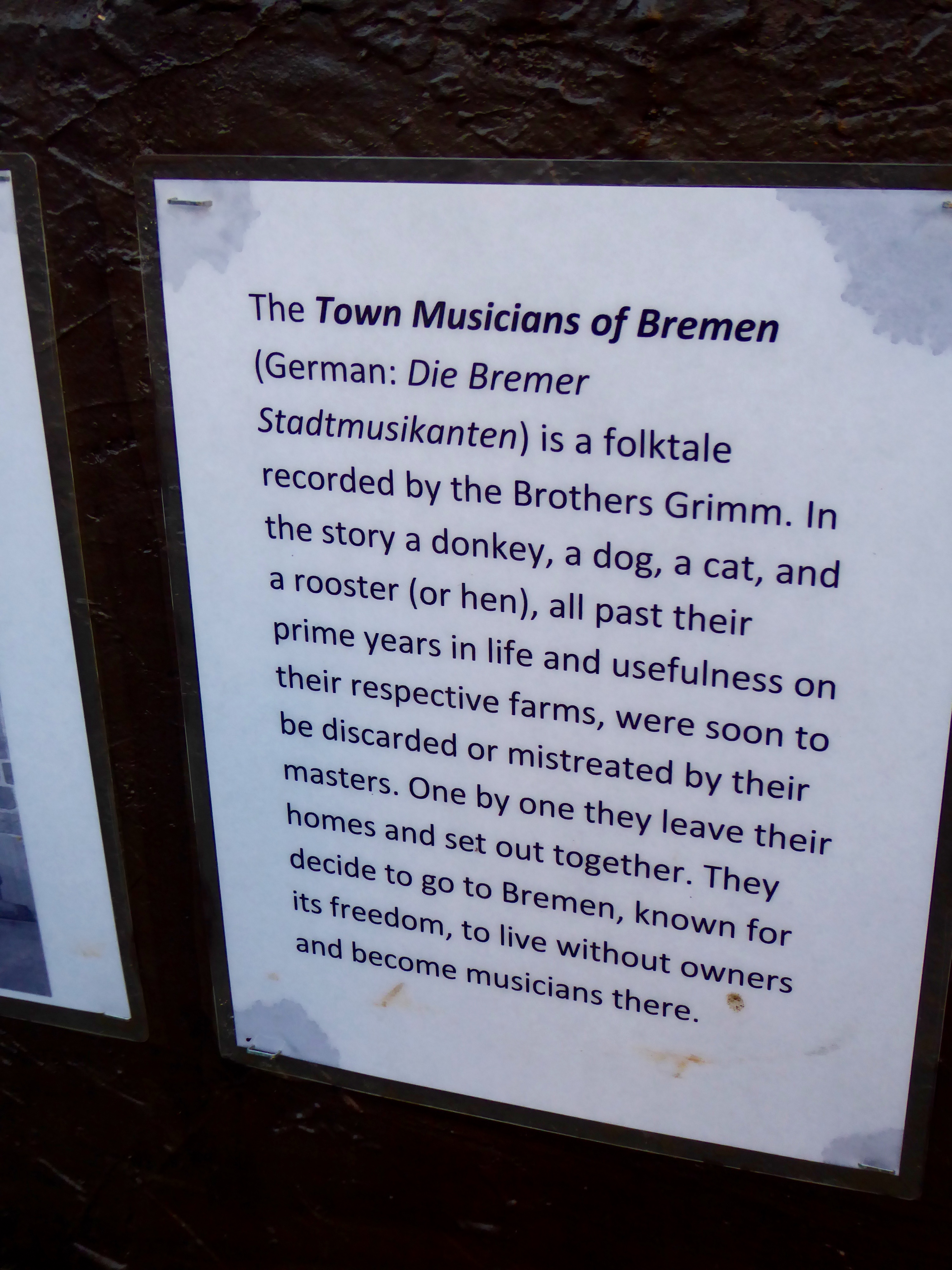
The Town Musicians of Bremen

The Town Musicians of Bremen.

The musicians created by the Brothers Grimm

The musicians created by the Brothers Grimm

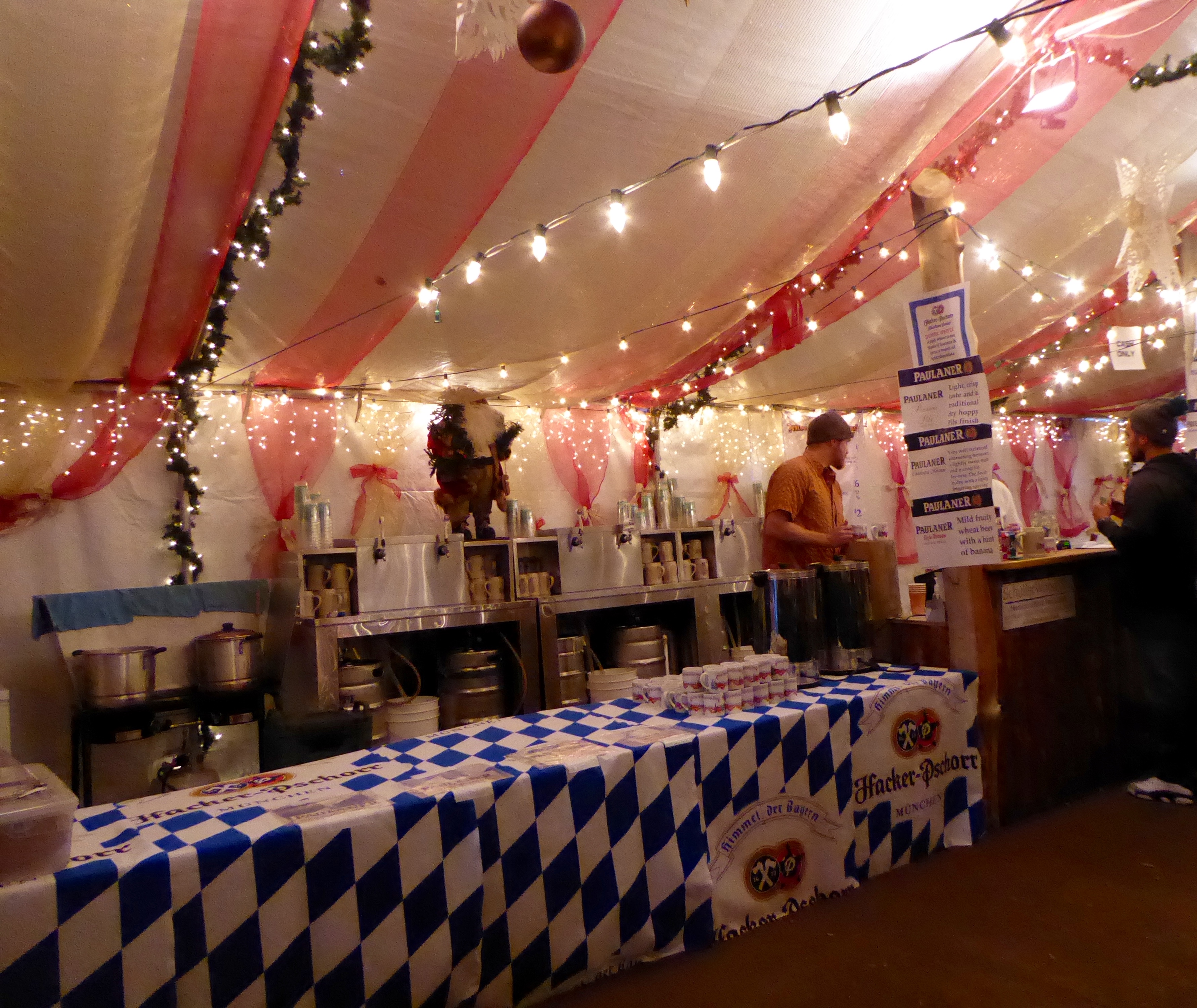
Inside the tent, people were enjoying the German beer.

Beer available here

Beer available here

We spend a little more than one hour here, but it is great.   The Christkindl Market will be opened every day at 11:00 a.m.    It will close at 1:00 p.m. on Thanksgiving.   It usually closes at 7:00 p.m., but stays open until 9:00 p.m. Fridays and Saturdays.   The market will be in Denver through December 23.   We hope you will visit here on one of our many sunny days.   We might even return again.    This is a great place to purchase gifts, for others and for yourself.

Katherine Gorge in Nitmiluk National Park with Zeb and Eider Duck

Zeb and Eider Duck are going to another Australian National Park   We are going to Nitmiluk National Park.   Nitmiluk National Park was formerly called Katherine Gorge National Park.   First we go to Edith Falls

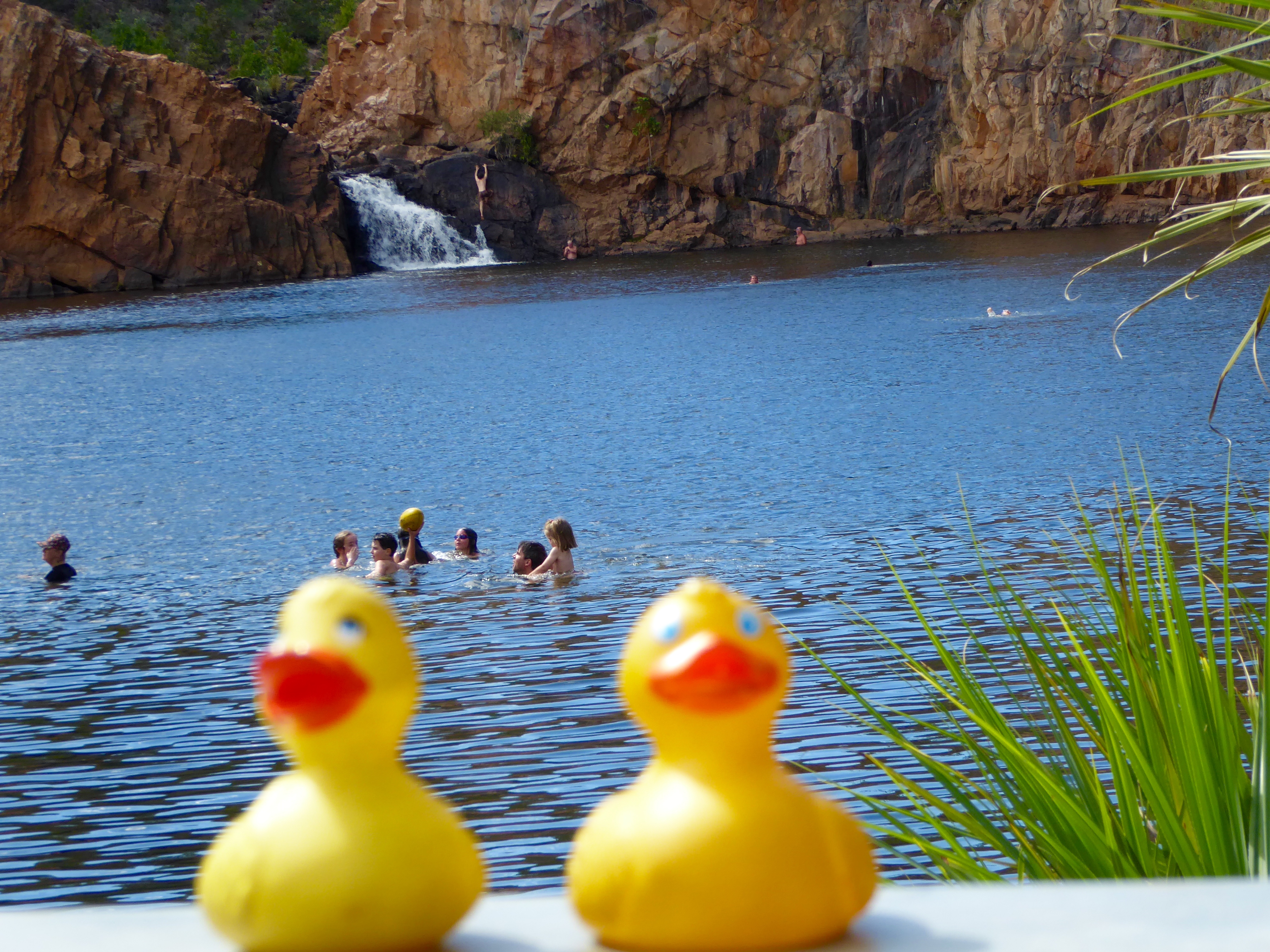
Beautiful Edith Falls in Nitmiluk National Park

Beautiful Edith Falls in Nitmiluk National Park

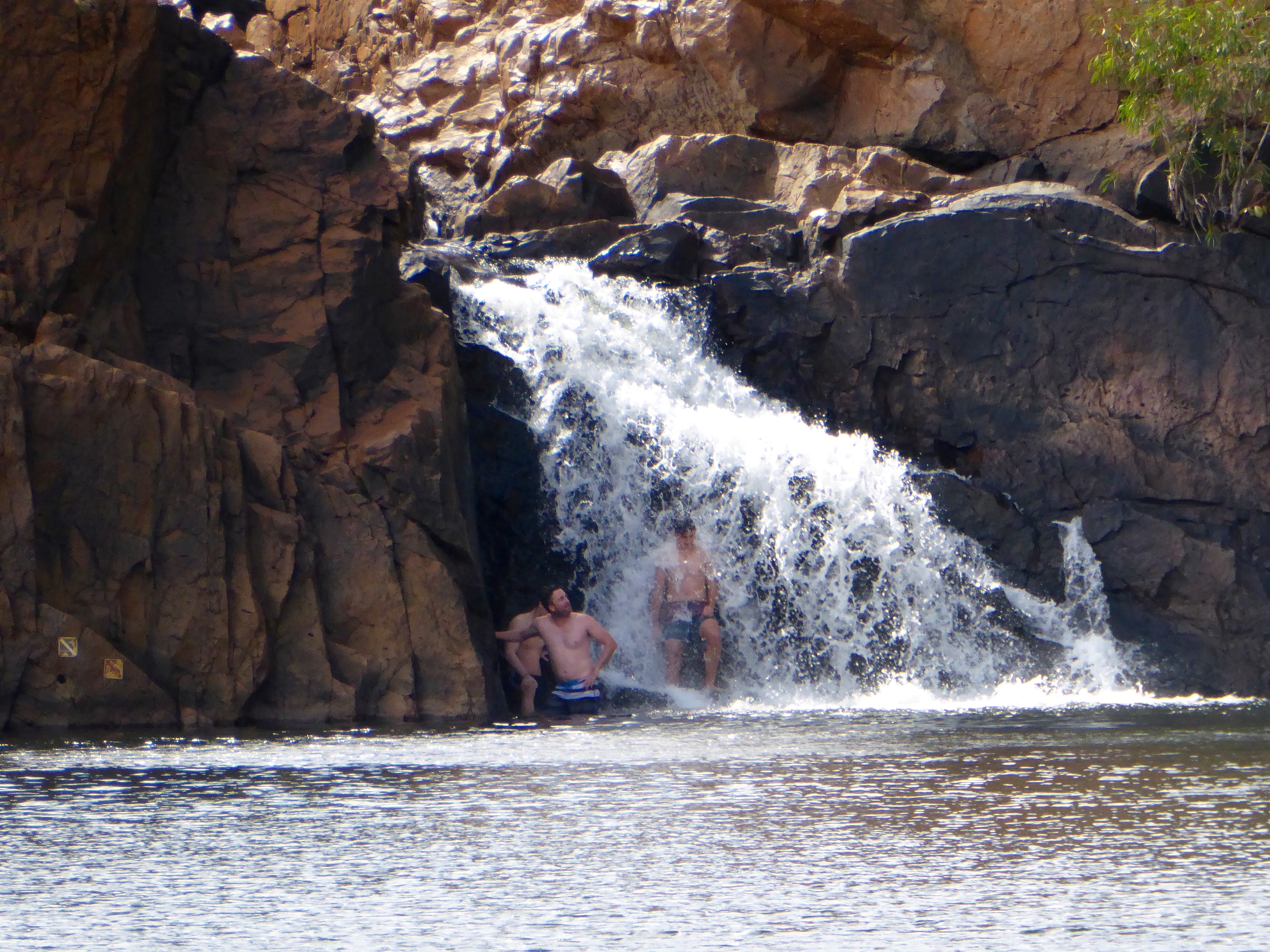
Several humans are swimming in the water.

Swimming in Edith Falls pool

Swimming in Edith Falls pool

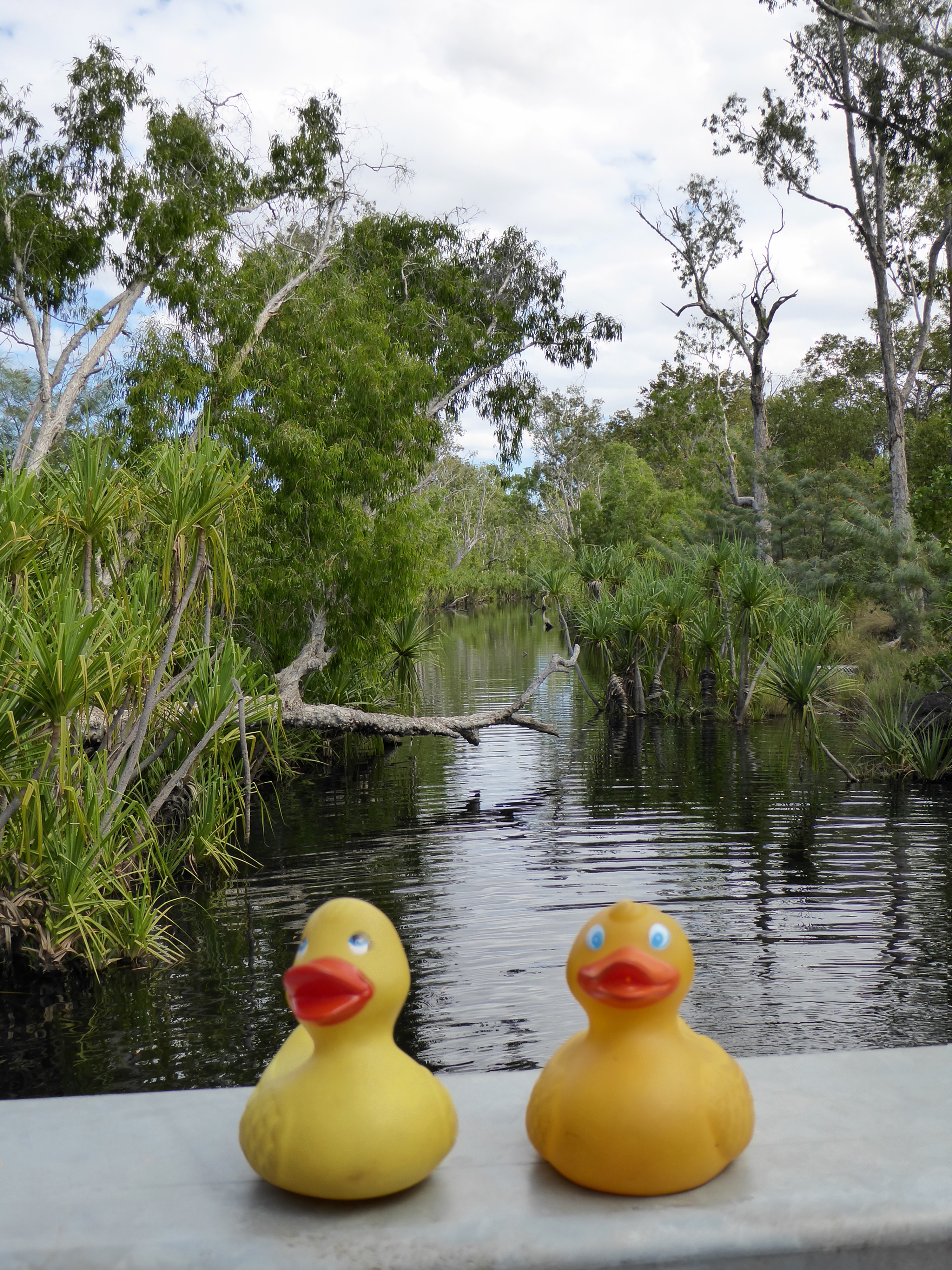
It is so refreshing.   The water from the falls flows under the bridge and becomes a peaceful river.

Edith Falls feeds this serene river

Edith Falls feeds this serene river

Near Edith Falls, we enjoyed this grassy area.

Would be great picnic place if we had more time

Is a great picnic place

Now we are getting on a boat on the Katherine River.

On the boat to tour Katherine Gorge

On the boat to tour Katherine Gorge

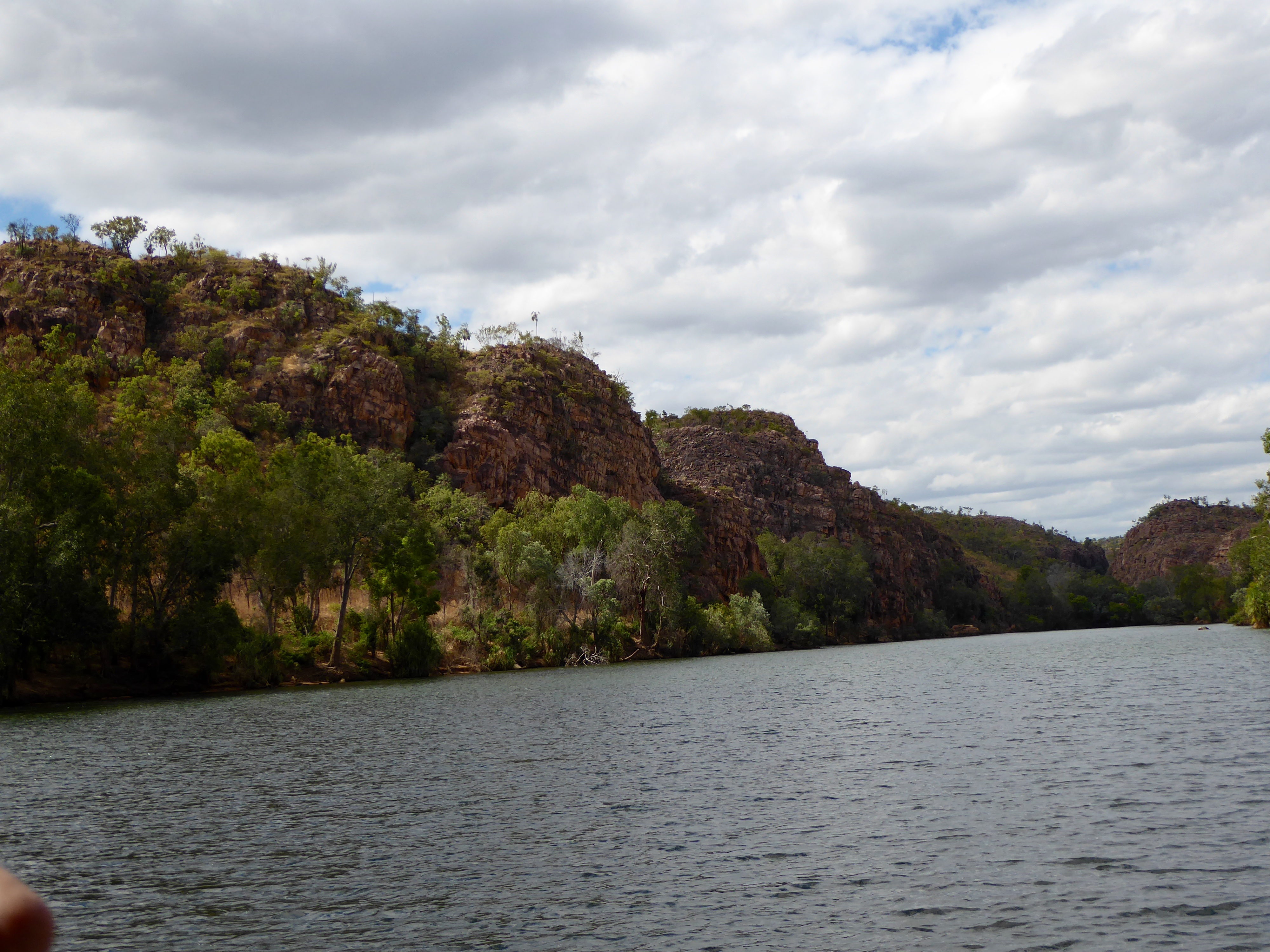
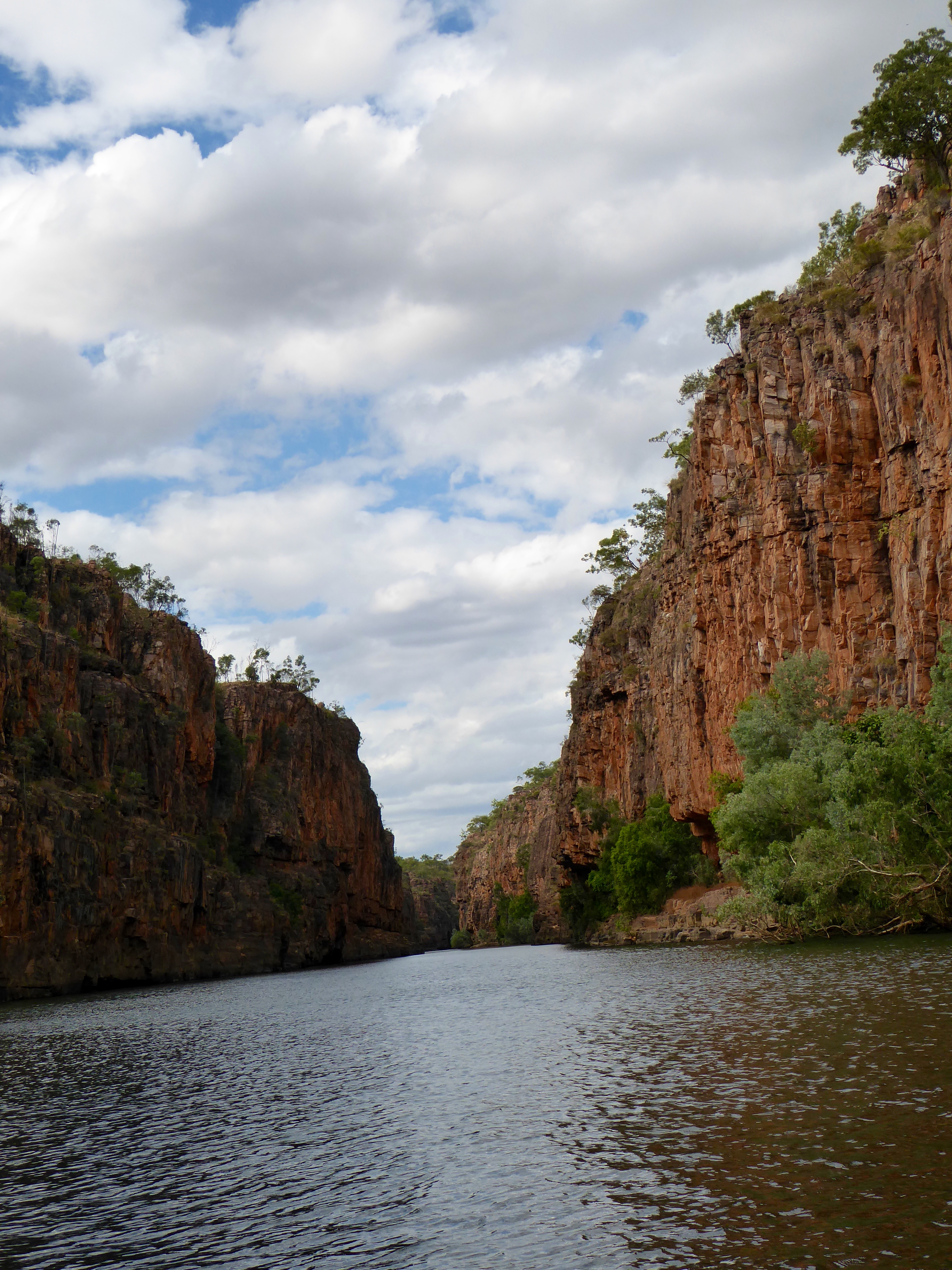
Heading through the first gorge.

Boating on first gorge

Boating on first gorge

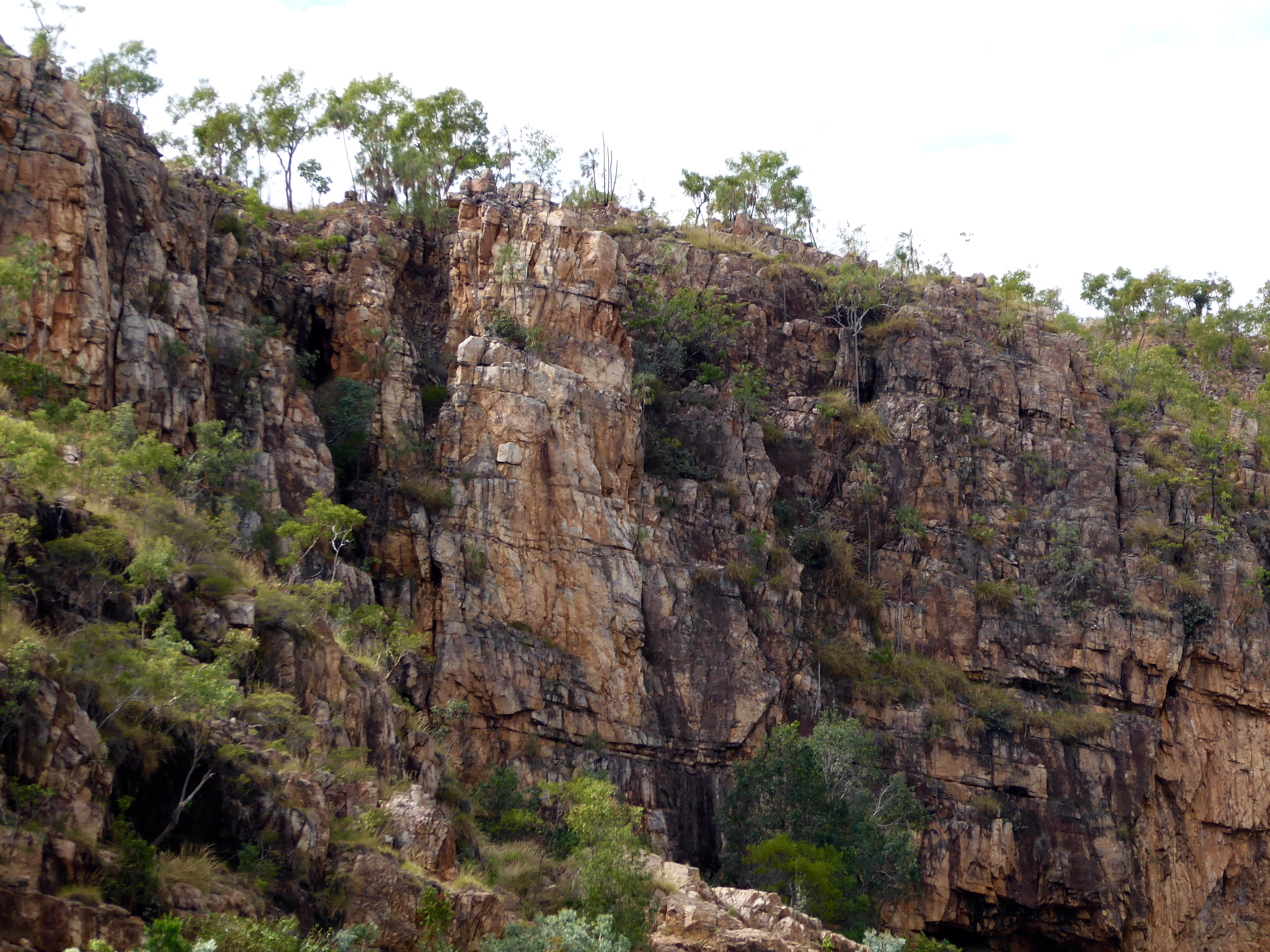
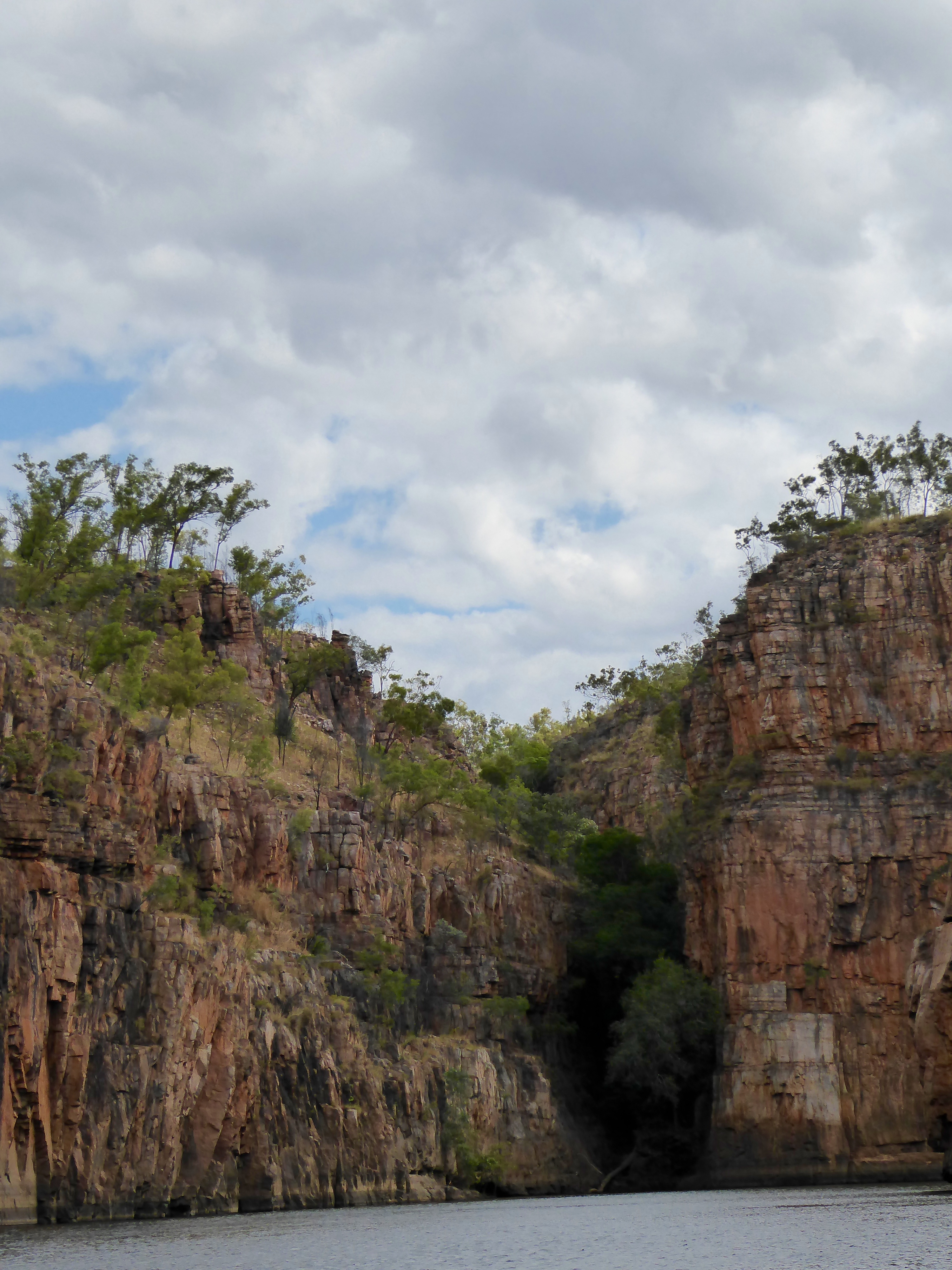
Pretty steep rock walls, really sandstone walls,  here.

Steep rock walls of gorge

Steep sandstone walls of gorge

People can rent canoes here also.

Canoes are available

Canoes are available

We get out of our boat and walk toward this narrower gorge.

Walking to second gorge

Walking to second gorge

Now we are on the second boat,

Riding on boat on the second gorge

Riding on boat on the second gorge

cruising again.   But, we are not alone here.

Big crocodile. They SAY fresh water crocodiles will not bother us. But stay clear!!

Big crocodile!   They SAY fresh water crocodiles will not bother us.  But stay clear!!

This is the famous view in Katherine Gorge.

Postcard view in Katherine Gorge

Postcard view in Katherine Gorge

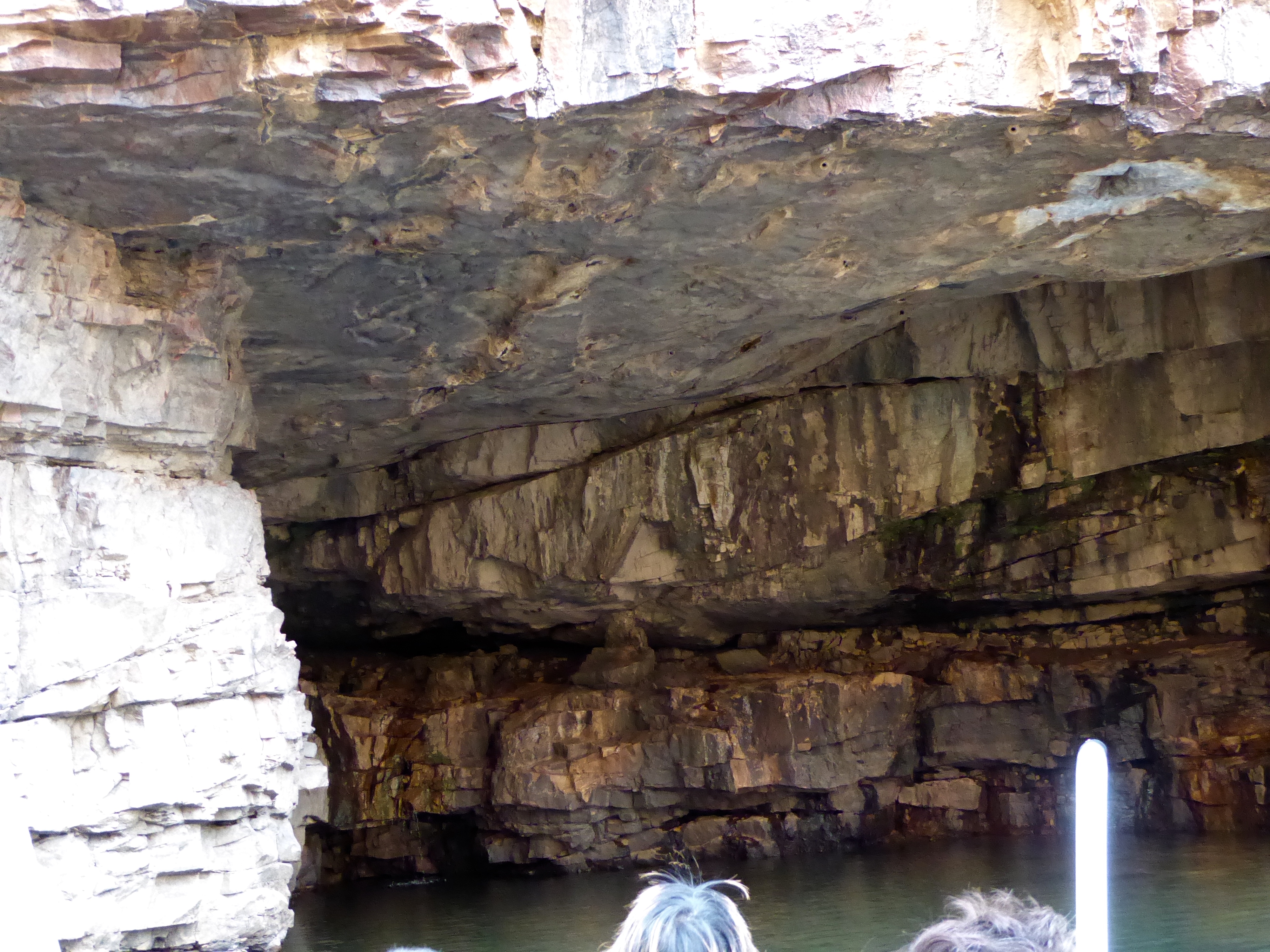
There are many postcards with this picture.   Heading into a small cave,

Into the cave

Into the cave

we see these mud nest made by migrating birds and bats.

Mud nests on roof of cave

Mud nests on roof of cave

We dock, get off the boat, and walk along the path to where our first boat left us.

Pathway between two gorges

Pathway between two gorges

Back on the first boat, we are heading back to our starting point.

Enjoying boat ride in Katherine Gorge

Enjoying boat ride in Katherine Gorge

This is a beautiful river and an incredible gorge.   Some of the people that helped us today in this national park are Jawoyn, the local people.   They were here first and are now the custodians of Nitmiluk National Park.   We loved our cruise.   We hope you go on it soon, too.