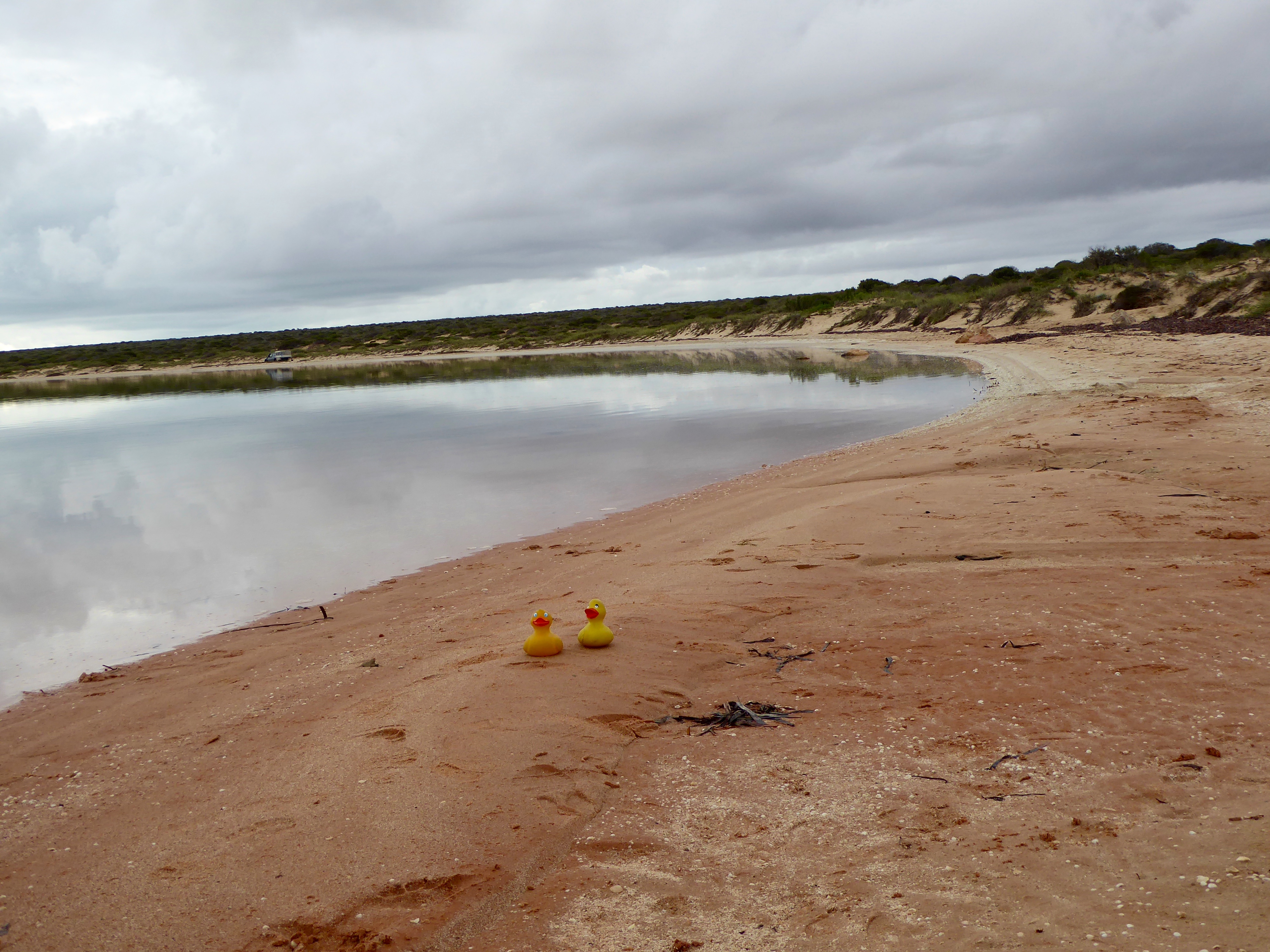
Exmouth Australia During World War II with Zeb and Eider

During World War II Australia and the United States often worked together.   Remember that the United States entered World War II after Japan bombed Pearl Harbor in Hawaii on December 7, 1941.   The US declared war on Japan.   In 1942 the US had ships docking in Fremantle, Australia which is southwest, near Perth.   A refueling port further north was needed for the submarines.   The US and Australia each built bases near Exmouth.
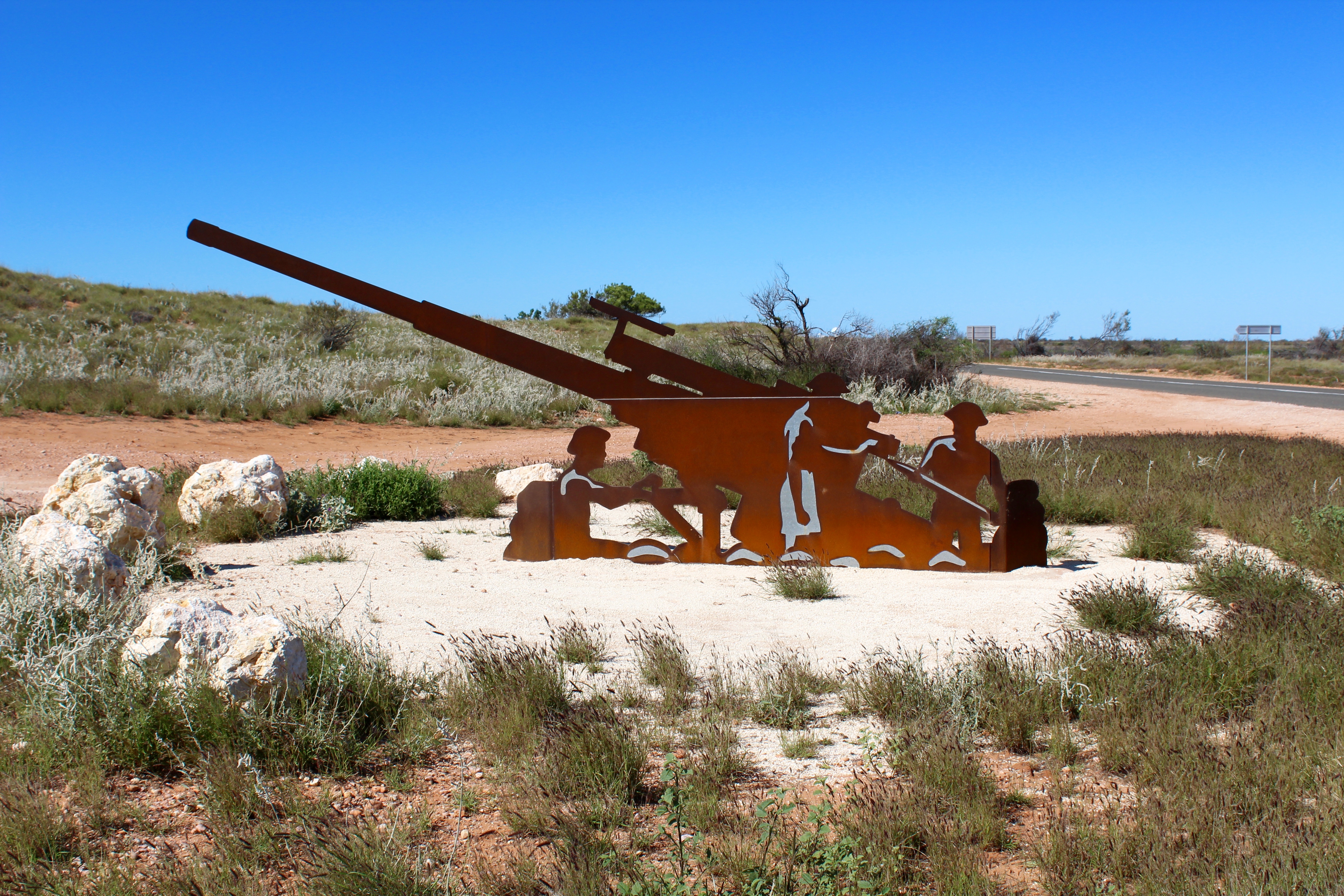
Operation Potshot Monument

Operation Potshot Monument

The US stayed here from 1942-1944.    The two countries worked very close in this area.
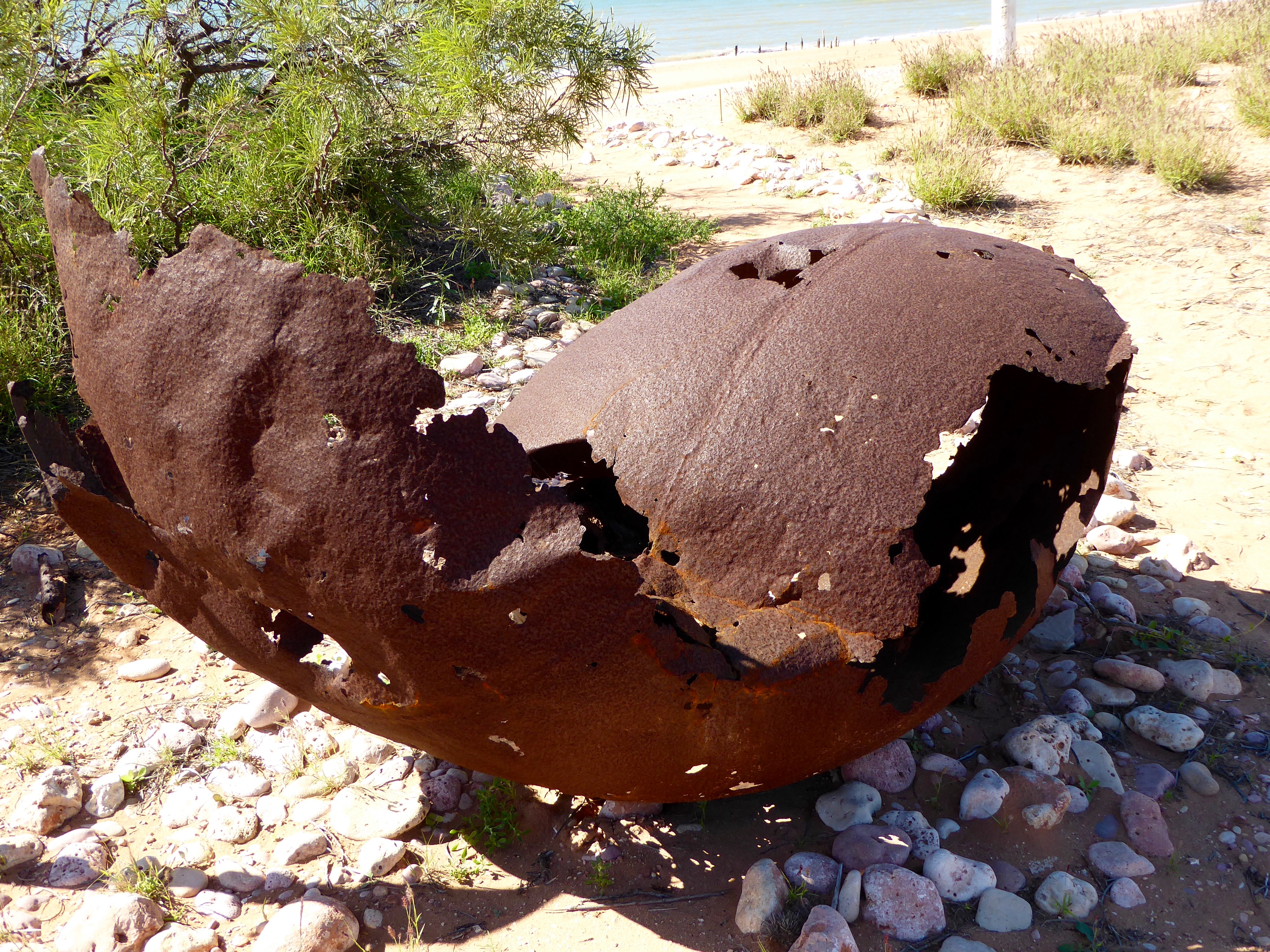
Balls of Steel

Balls of Steel

These balls of Steel, or ball float, were anchored in the nearby Gulf and used as a mooring point by boats or barges involved in Operation Potshot.

Zeb and Eider visited the site of the former US basis, called Operation Potshot.   At this monument, there are several signs explaining the differences and similarities of conditions for the soldiers from each country.
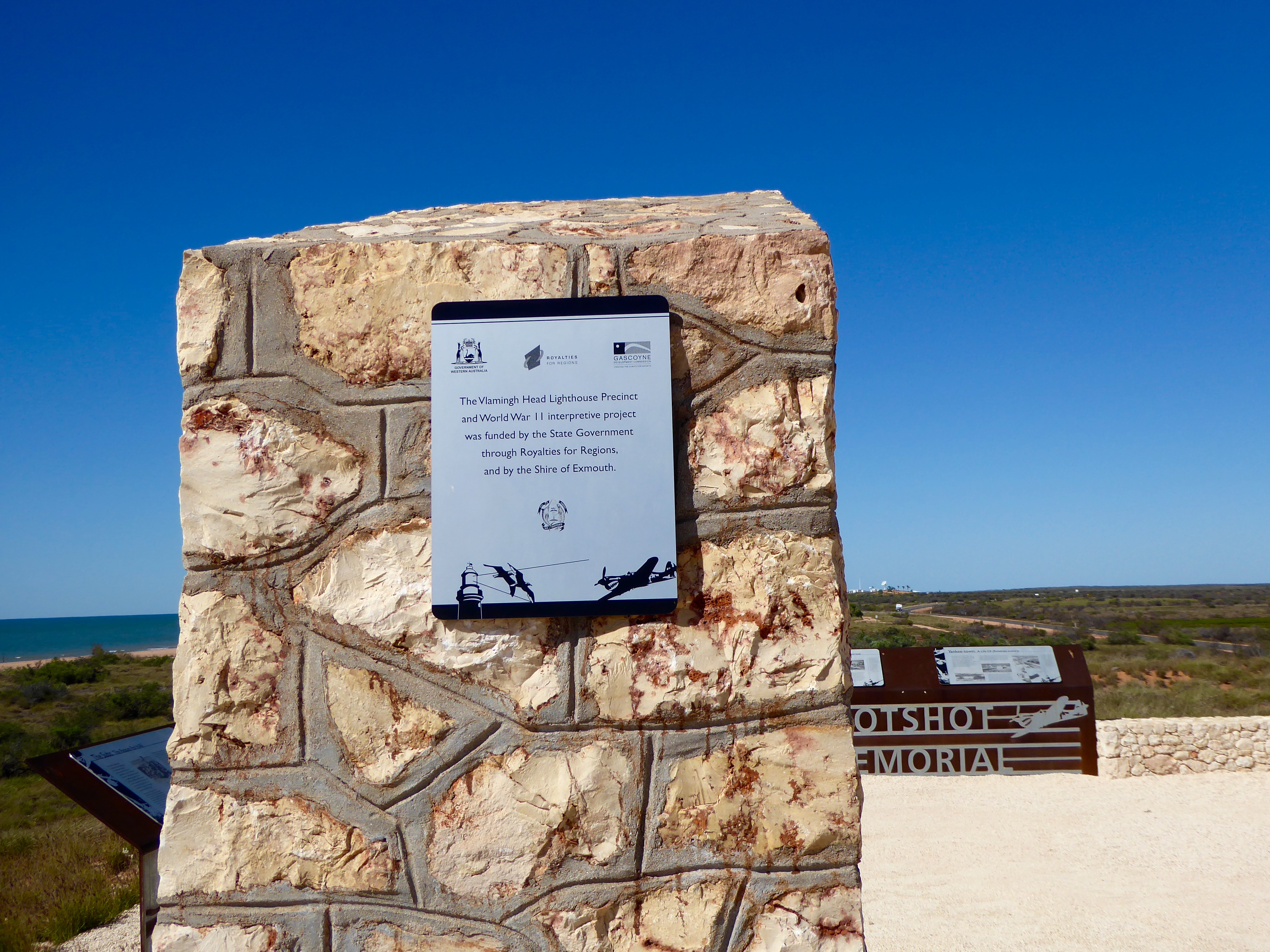
Operation Potshot Monument

Operation Potshot Monument

We think you would find these signs interesting.   During this time the Japanese military was very aggressive in southeast Asia.   Japan had moved through Thailand, into Malaysia and Singapore.   Singapore is very close to northern Australia.   During World War II Japan bombed northern Australia very heavily.
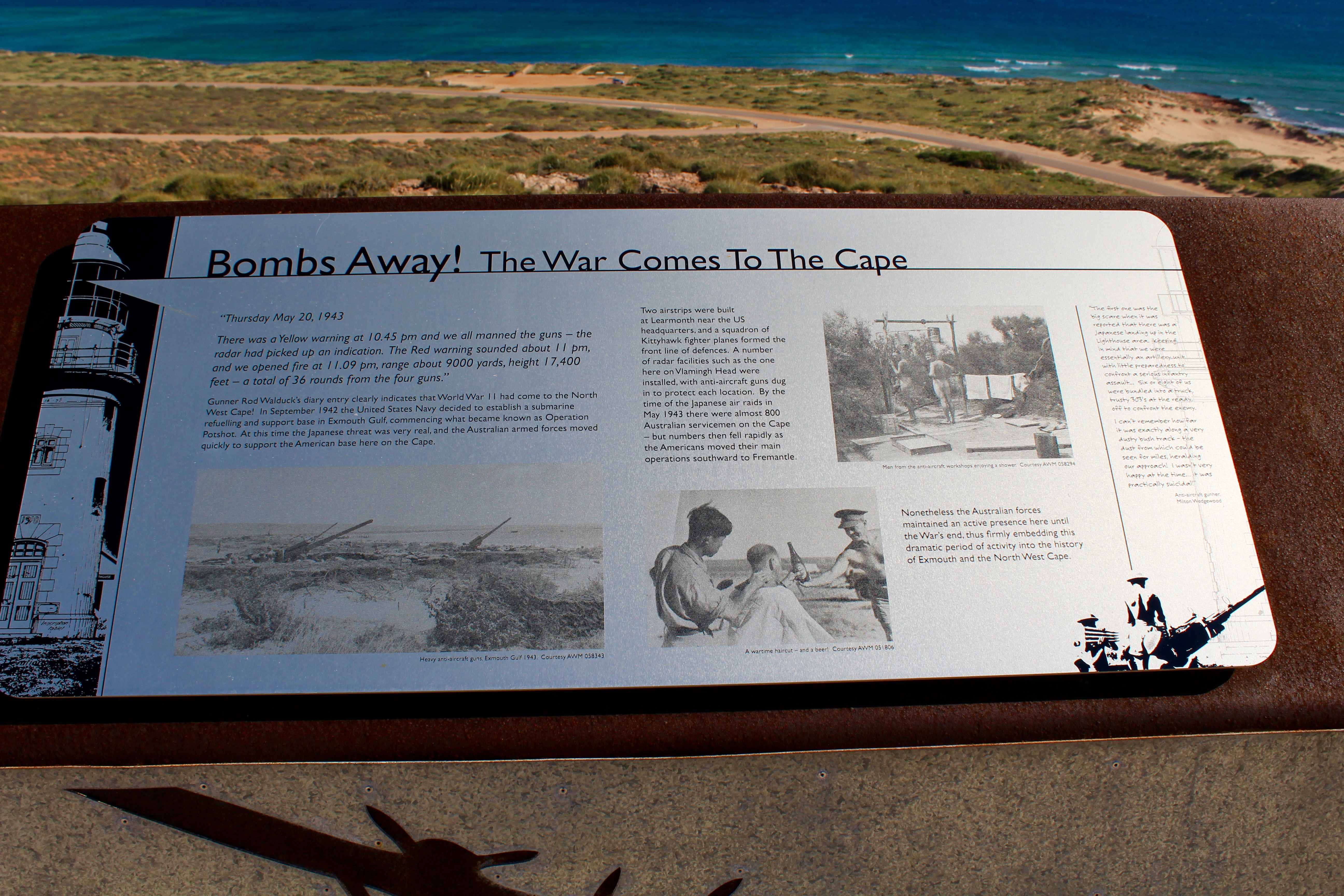
Australia attacked by Japanese

Australia attacked by Japanese

Broome and Darwin were frequent targets.   Operation Jaywalk, a joint effort of 14 men from Australia and Britain, left Exmouth from the US base, September 2, 1943.
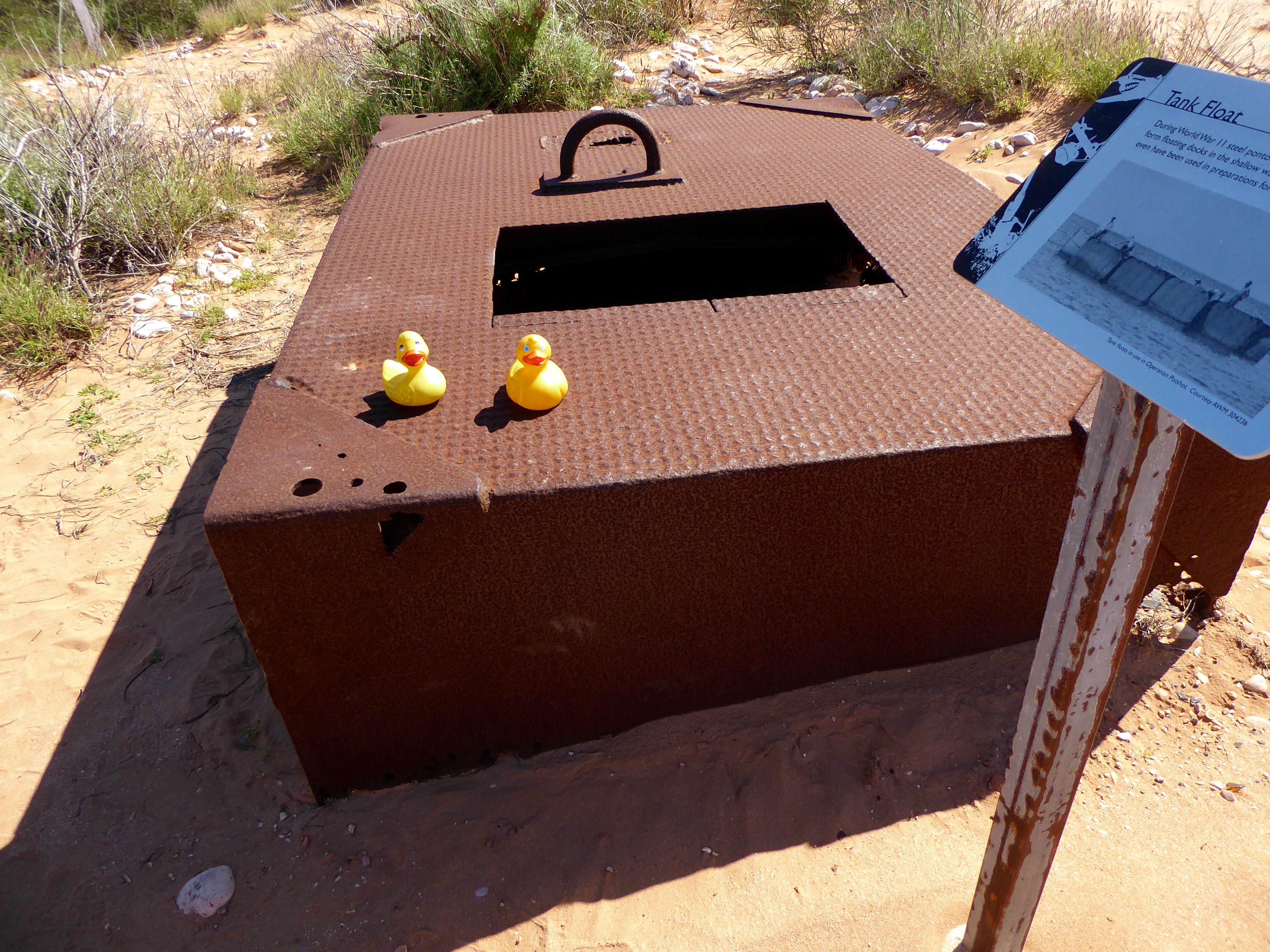
Tank Float

Tank Float

Tank floats were steel pontoons hitched together to form floating docks.

These men conducted a raid on the Japanese ships in Singapore.   As  result, 7 Japanese ships sank or were seriously damaged.   All 14 men returned to the US Base at Exmouth October 19, 1943.
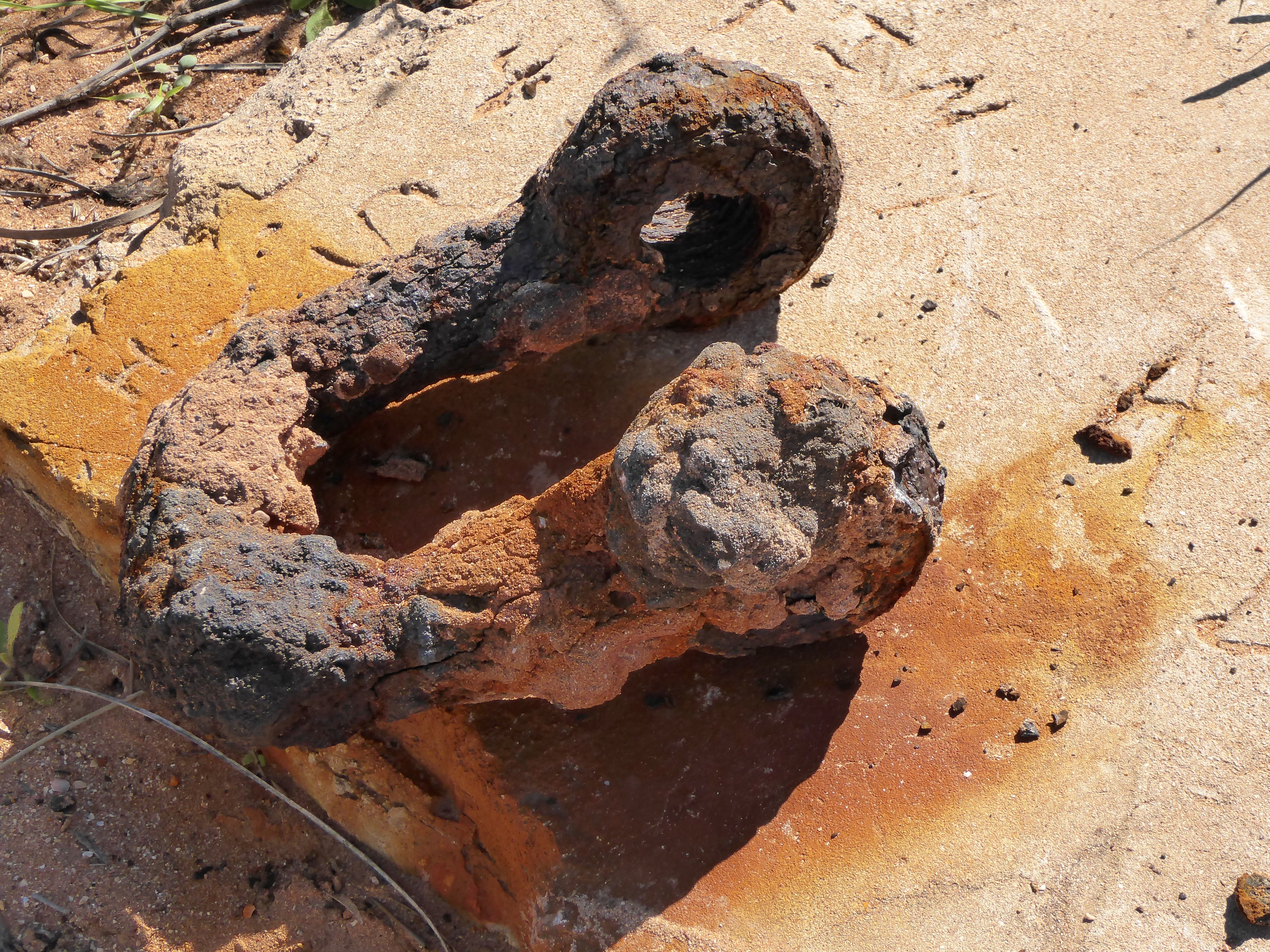
From Operation Jaywick
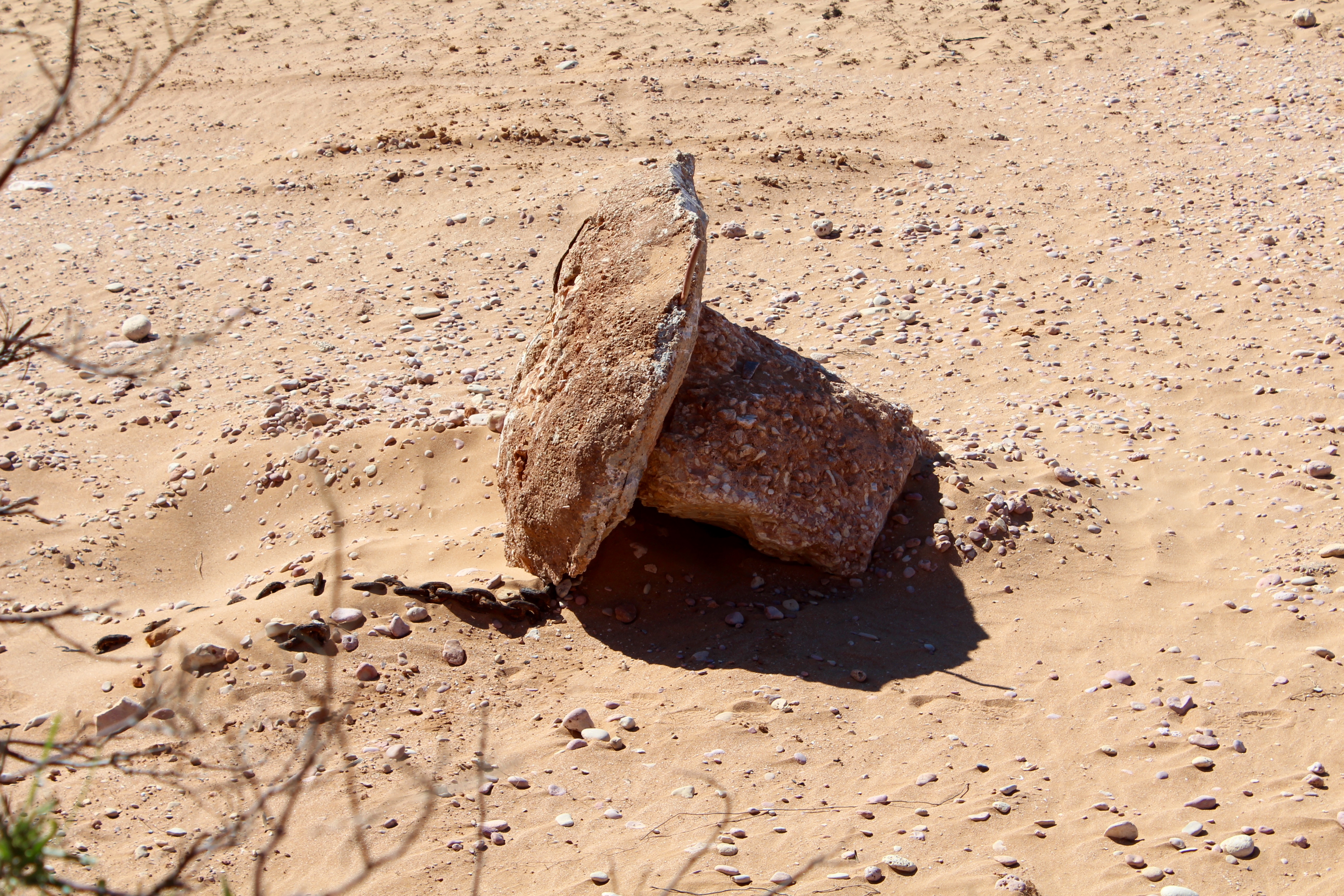
From Operation Jaywick

From Operation Jaywick

From Operation Jaywick also

The US base was heavily damaged during the Cyclone of February 3, 1945.   We, the Colorado Traveling are not history experts, but we are happy to see that both countries were able to work together to help end World War II.
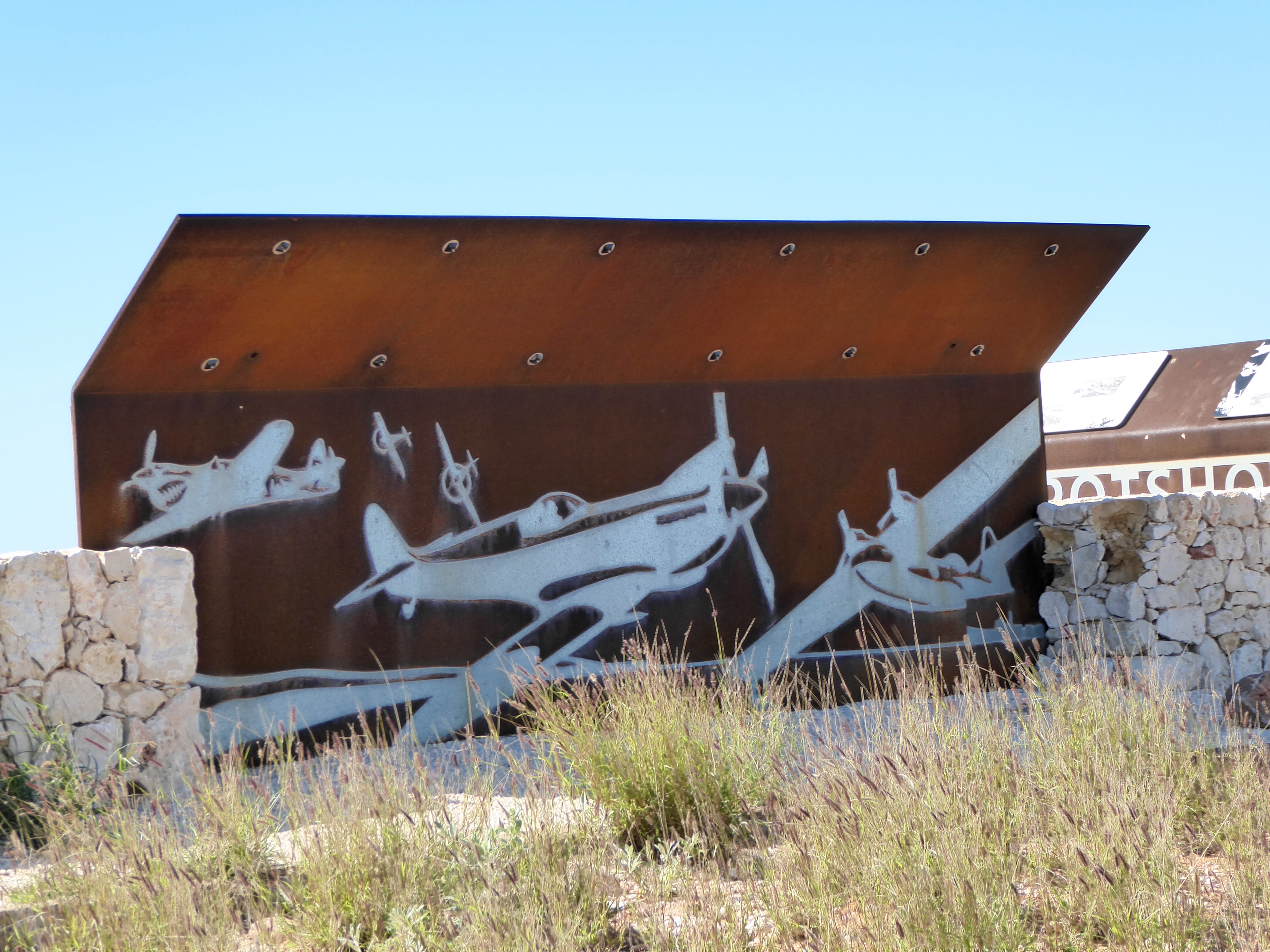
Operation Potshot

Operation Potshot

These monuments are very interesting and informative.
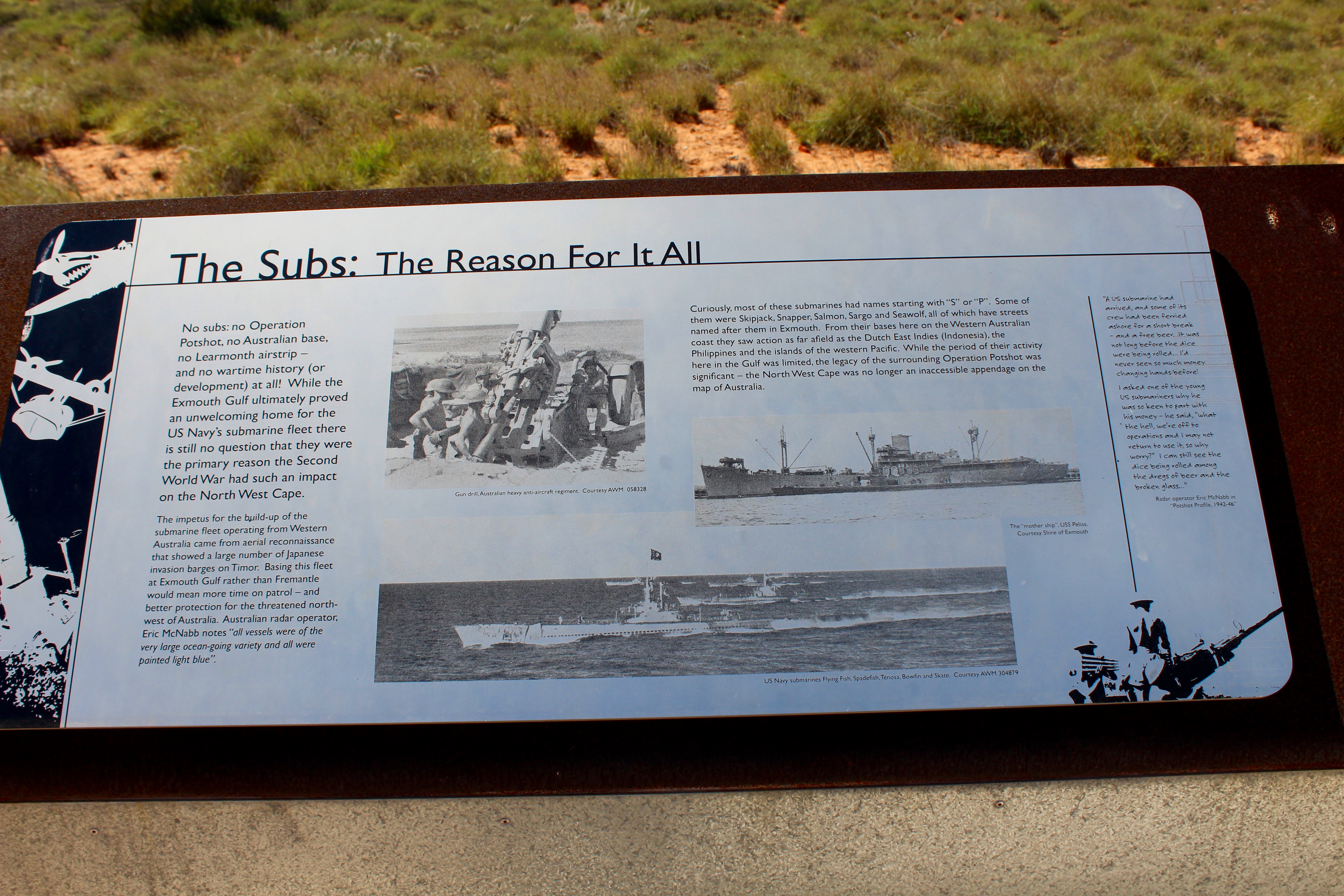
Submarines need refueling port

Submarines need refueling port

We think they would be worth some of your time when you are in the area of Exmouth, Western Australia.   Standing by the monuments, the Indian Ocean in on one side and sheep grazing in a pasture are on the other side.
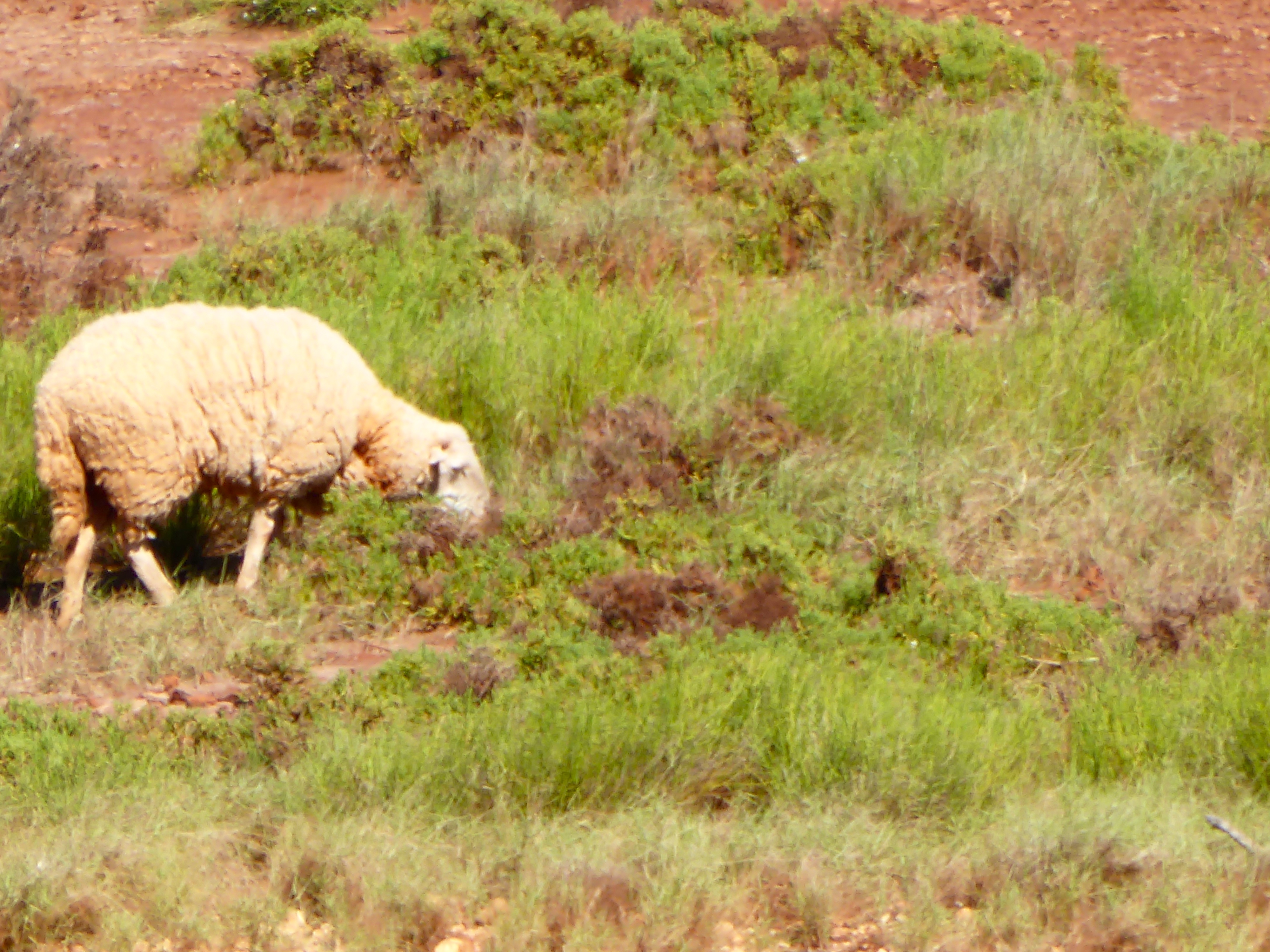
We love this guy

We love this guy

We like seeing all the sheep.
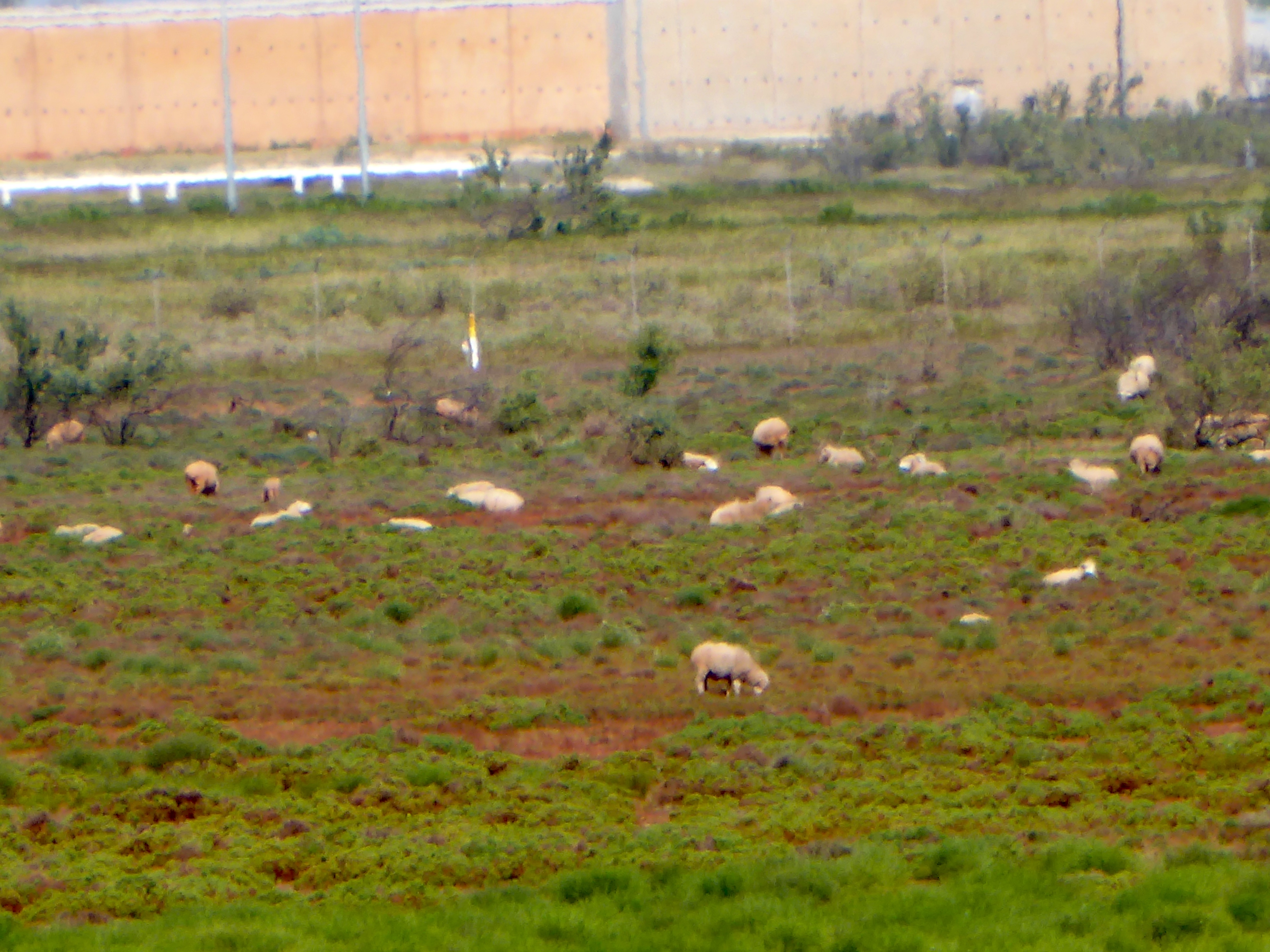
Grazing sheep

Grazing sheep

More peaceful now than during the war.
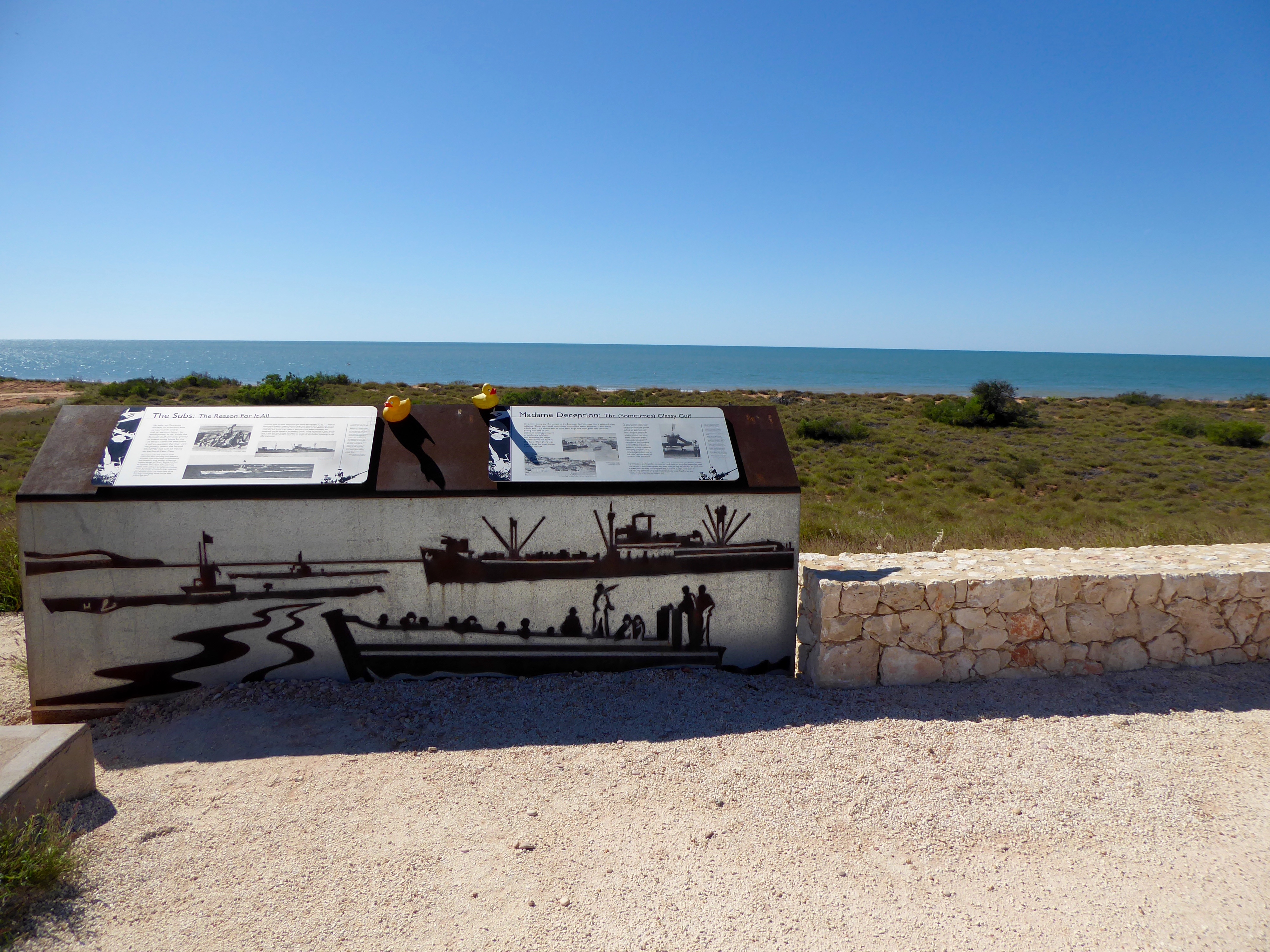
Operation Potshot Monument
Operation Potshot Monument
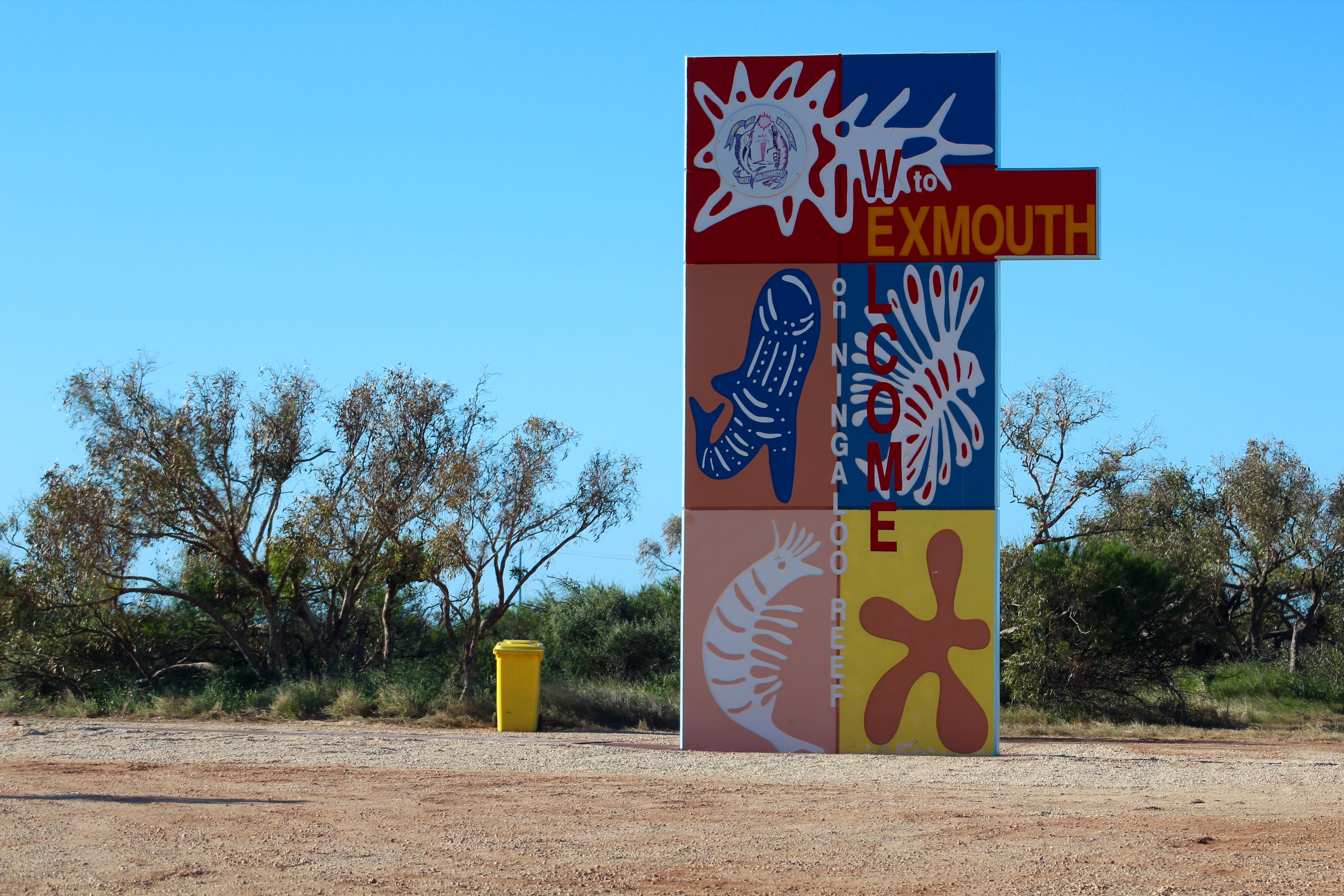
Exmouth on the Ningaloo Reef with Zeb and Eider Duck

From Coral Bay we continued north to Exmouth.   We made it!

We are in Exmouth, Western Australia

We are in Exmouth, Western Australia

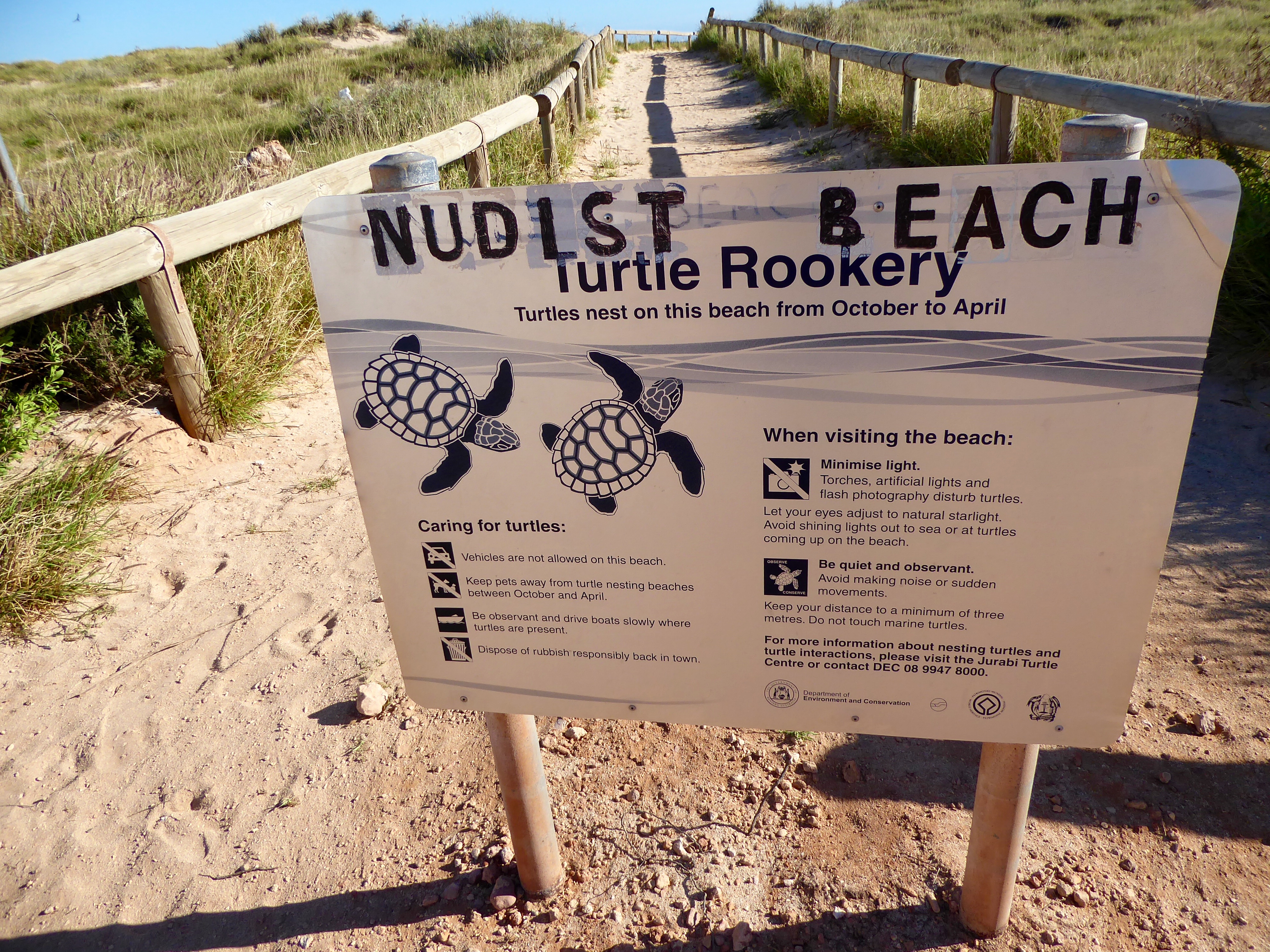
Turtles are born here.   However it was not turtle season when we were there, but this is the path to one of the nesting beaches.

Turtle Rookery

Turtle Rookery

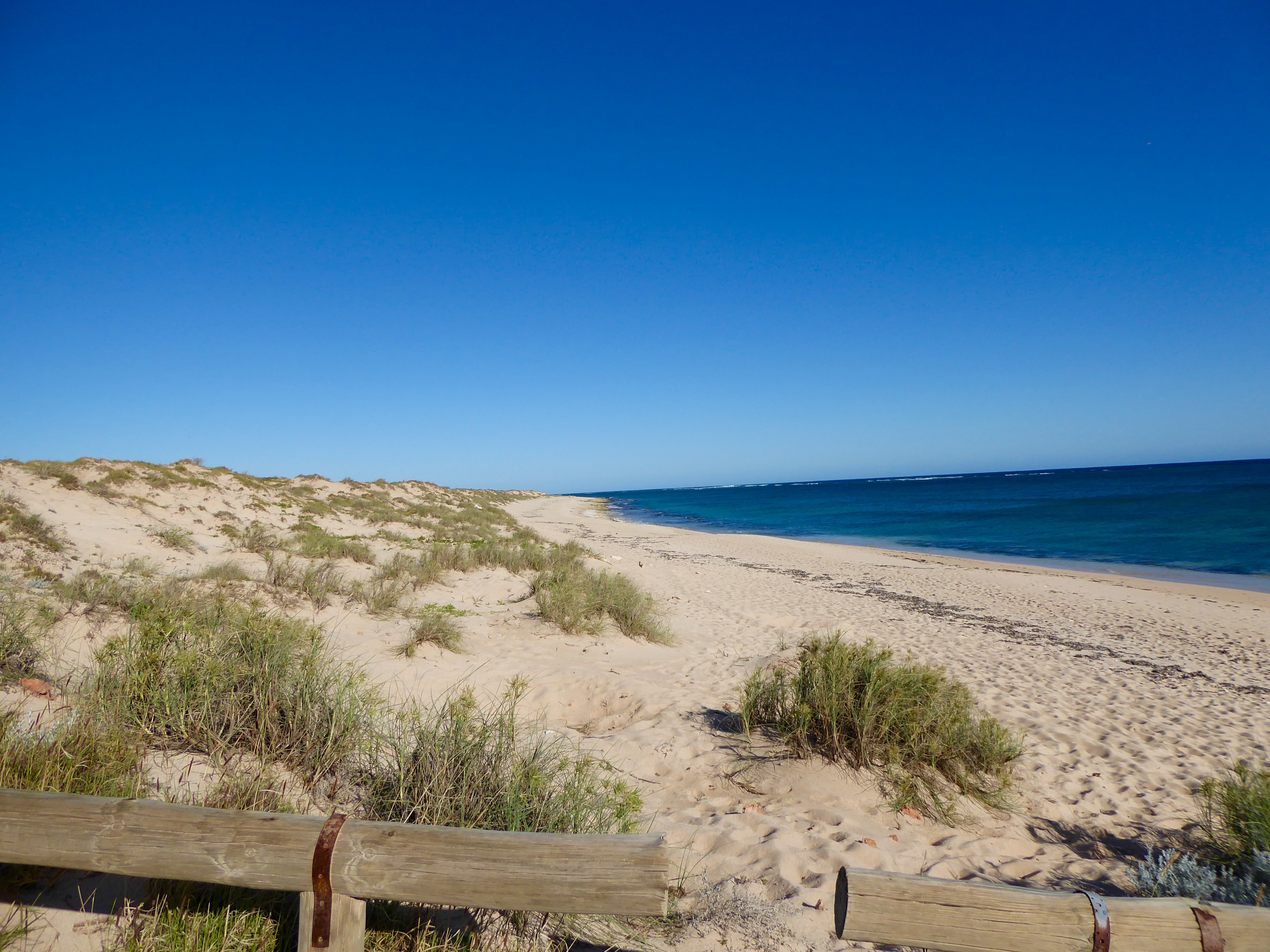
Looks like a nice beach.

Turtle nesting beach

Turtle nesting beach

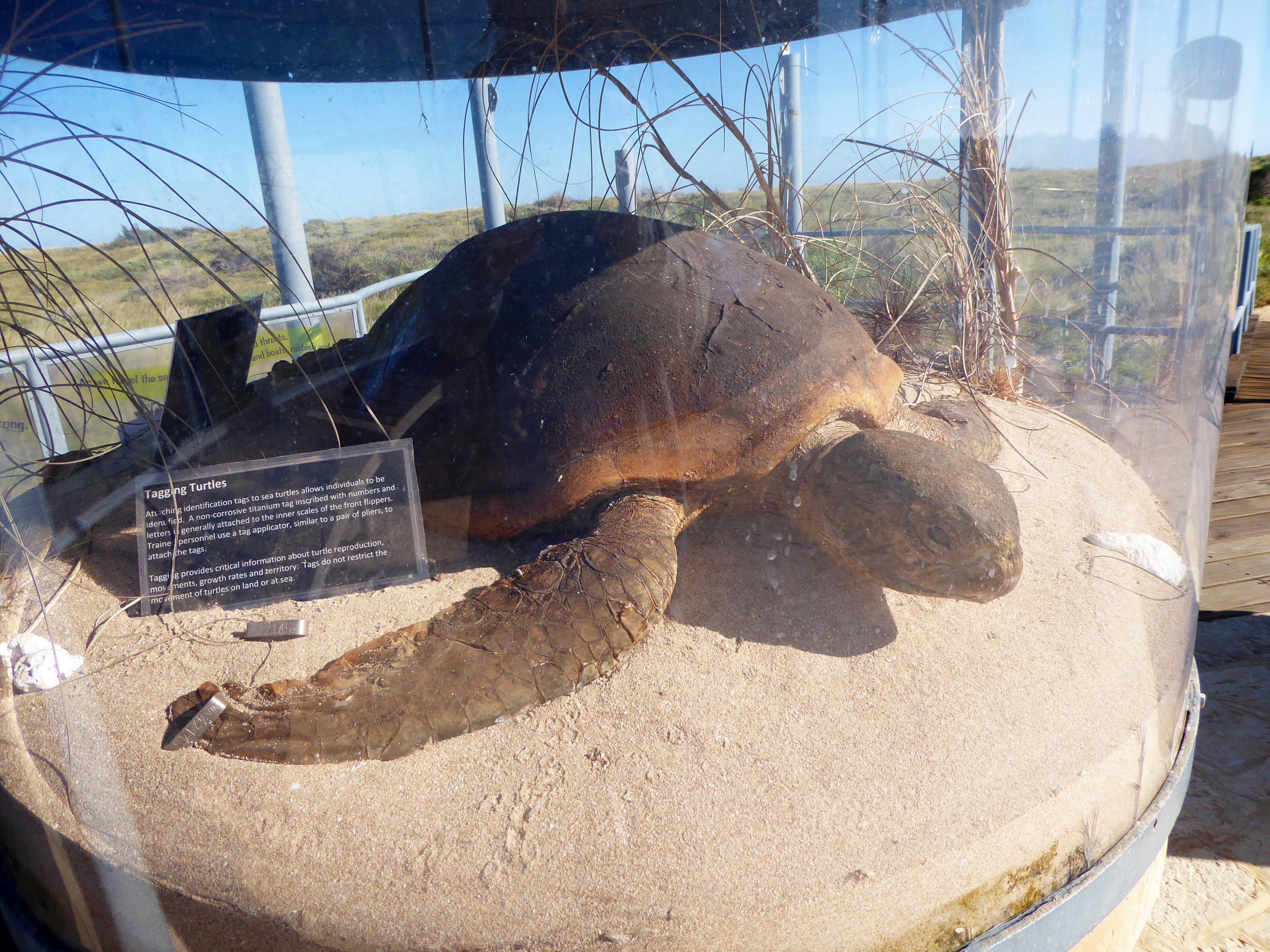
Further along the beach we liked this turtle sculpture.

Ceramic turtle

Turtle Sculpture

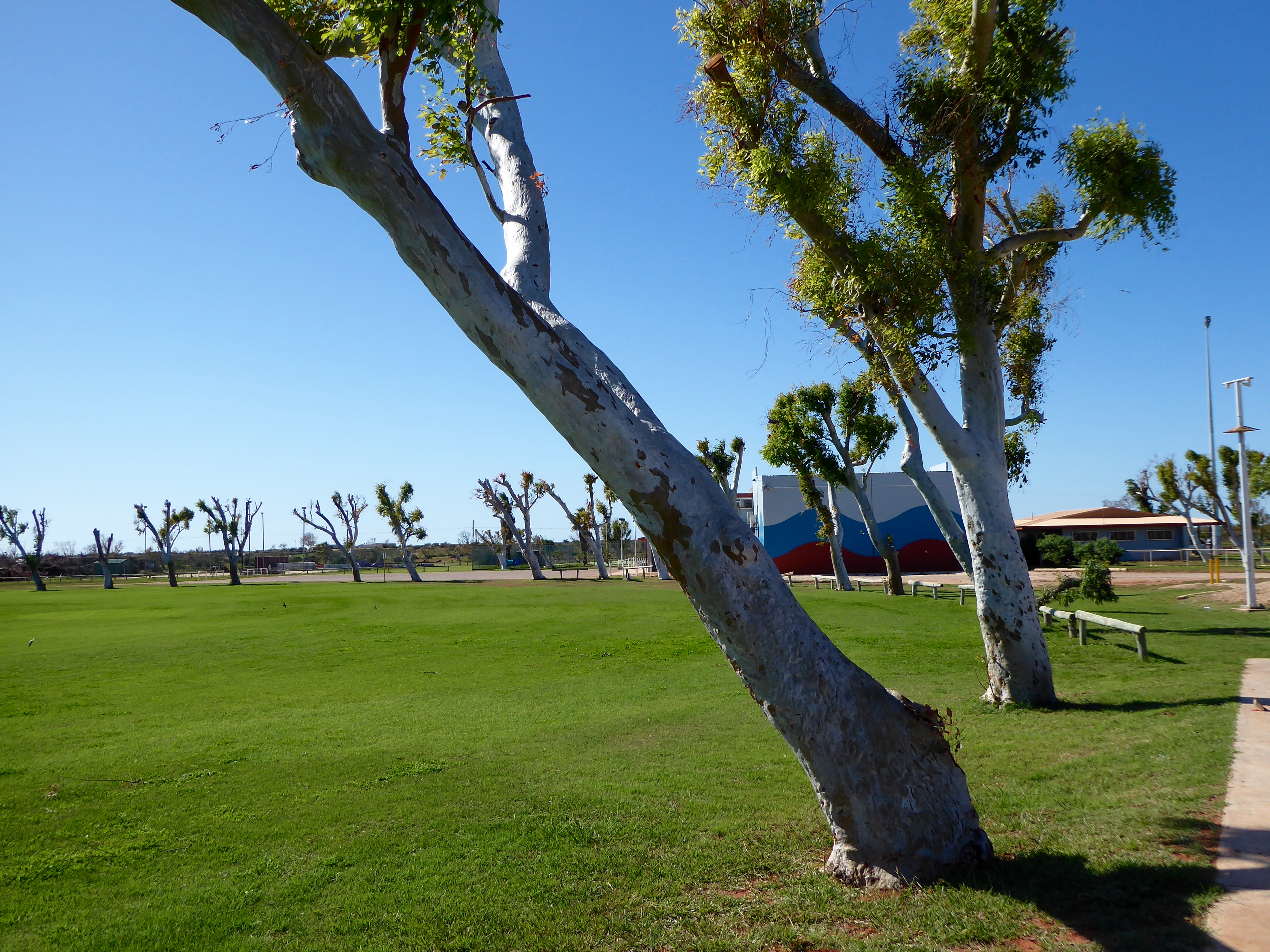
The small town was very nice and the people friendly.    This is the Koobooroo Oval, and sports field.

Koobooroo Oval in Exmouth

Koobooroo Oval in Exmouth

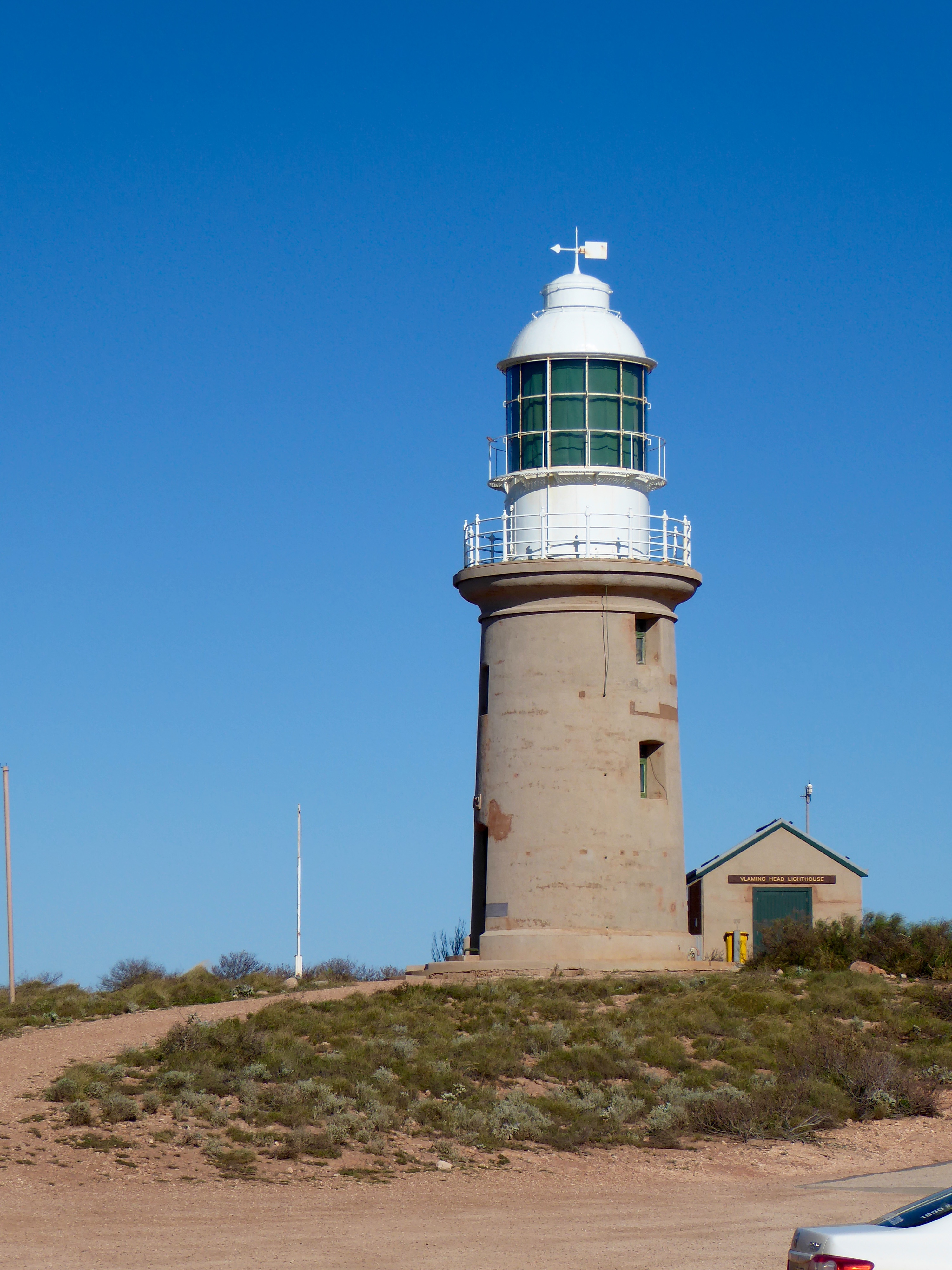
We liked the trees planted around the oval.   In Coral Bay we showed you the beaches, so today we will show you the Vlaming Head Lighthouse.

Vlaming Head Lighthouse

Vlaming Head Lighthouse

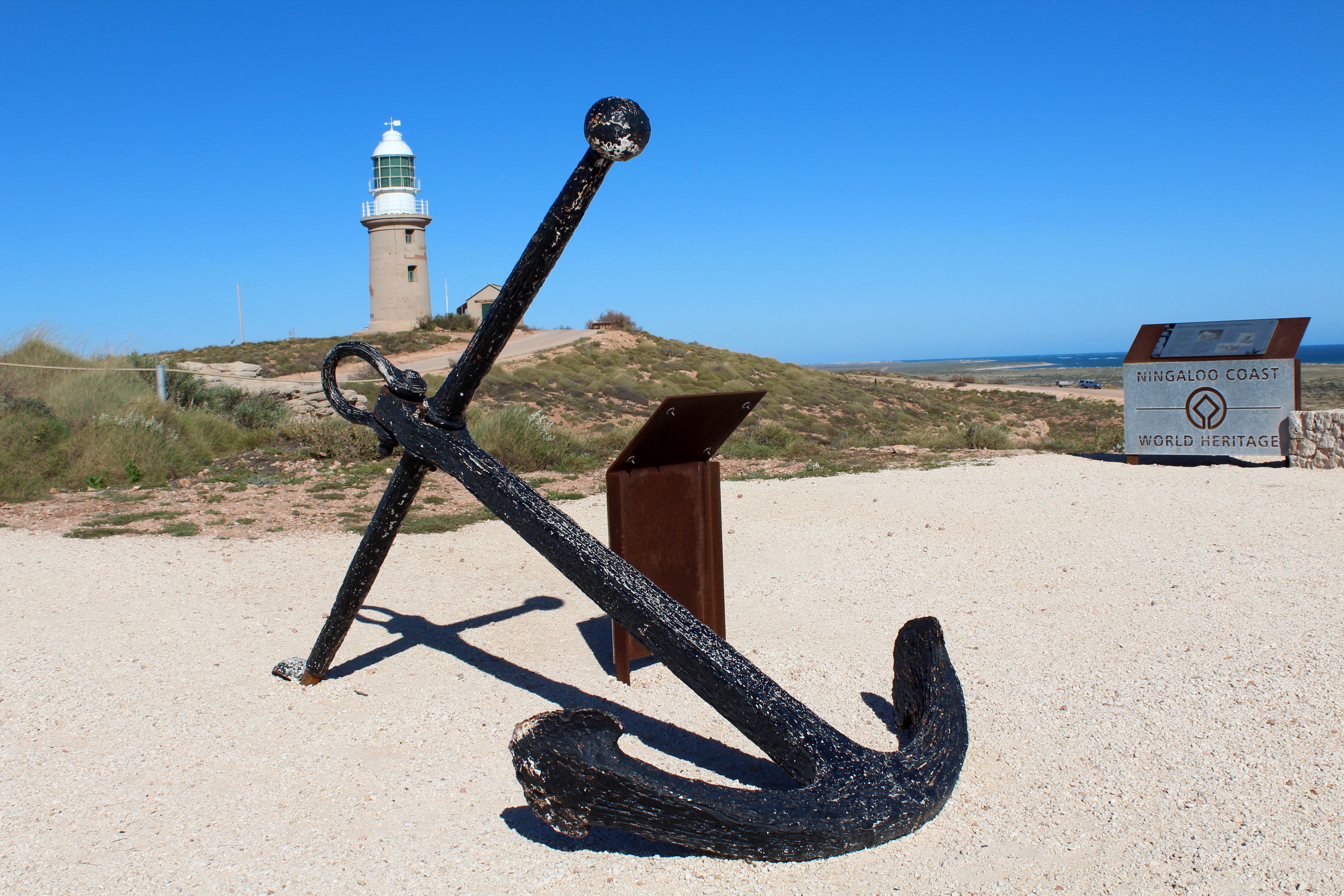
This lighthouse is 17 km from the town of Exmouth.   Since it is built on the northern most tip of Cape Range, it is one of the few places in Australia where you can watch the sun rise and also set.   Building the lighthouse had been under consideration for  few years, but in 1907 when the SS Mildura sank here and many good men were lost, the lighthouse building date was accelerated.   The lighthouse was completed in 1912 and was a welcome addition to this coast.   This is the anchor from the SS Mildura.

Anchor from SS Mildura ship

Anchor from SS Mildura ship

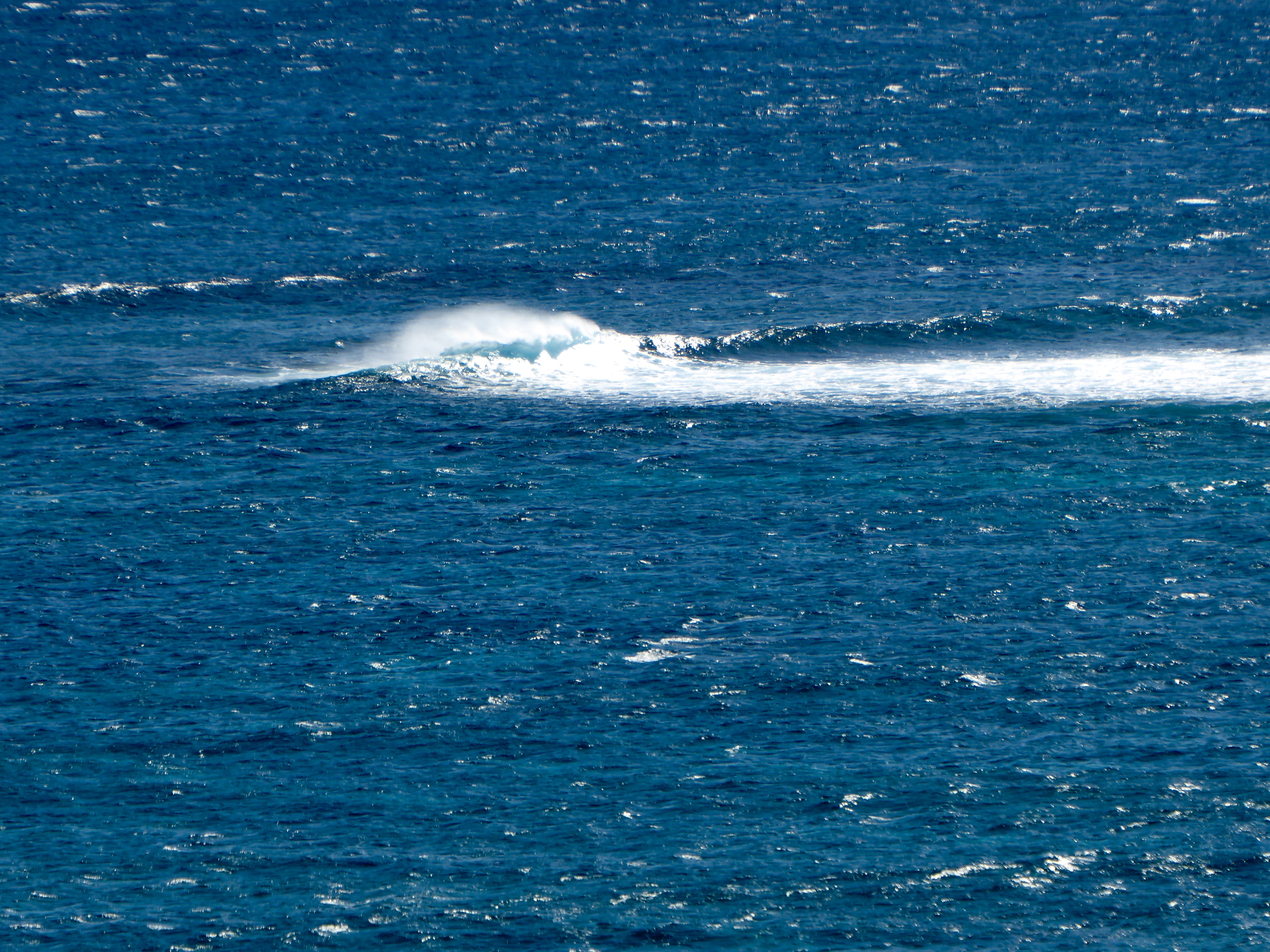
The view from the lighthouse is wonderful.   Many people report seeing the migrating whale shark from here.   The ocean current here made an unusual pattern on the Indian Ocean.

Unusual currents viewed from lighthouse

Unusual currents viewed from lighthouse

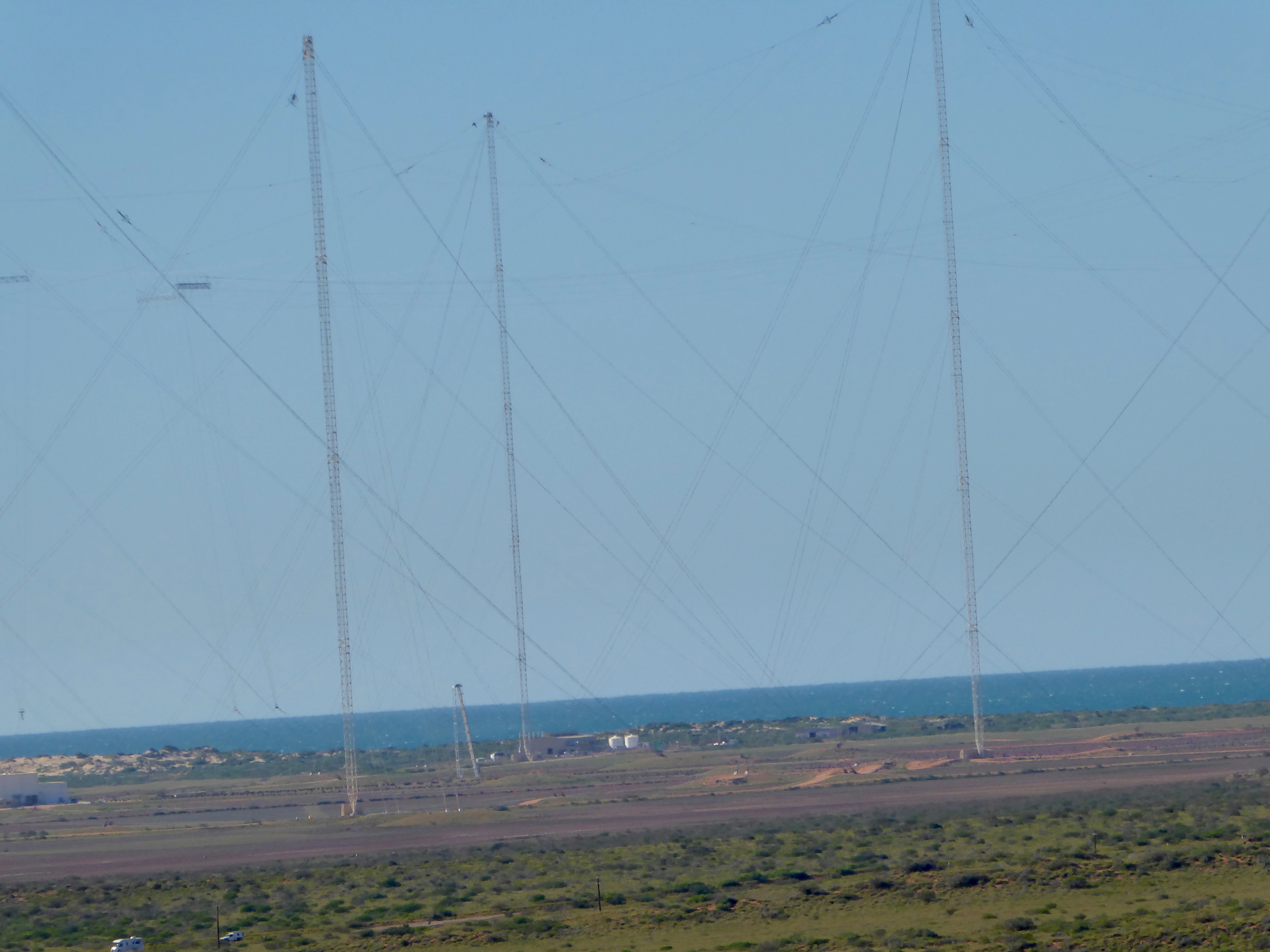
From the lighthouse 13 tall towers are visible.

13 tall towers

13 tall towers

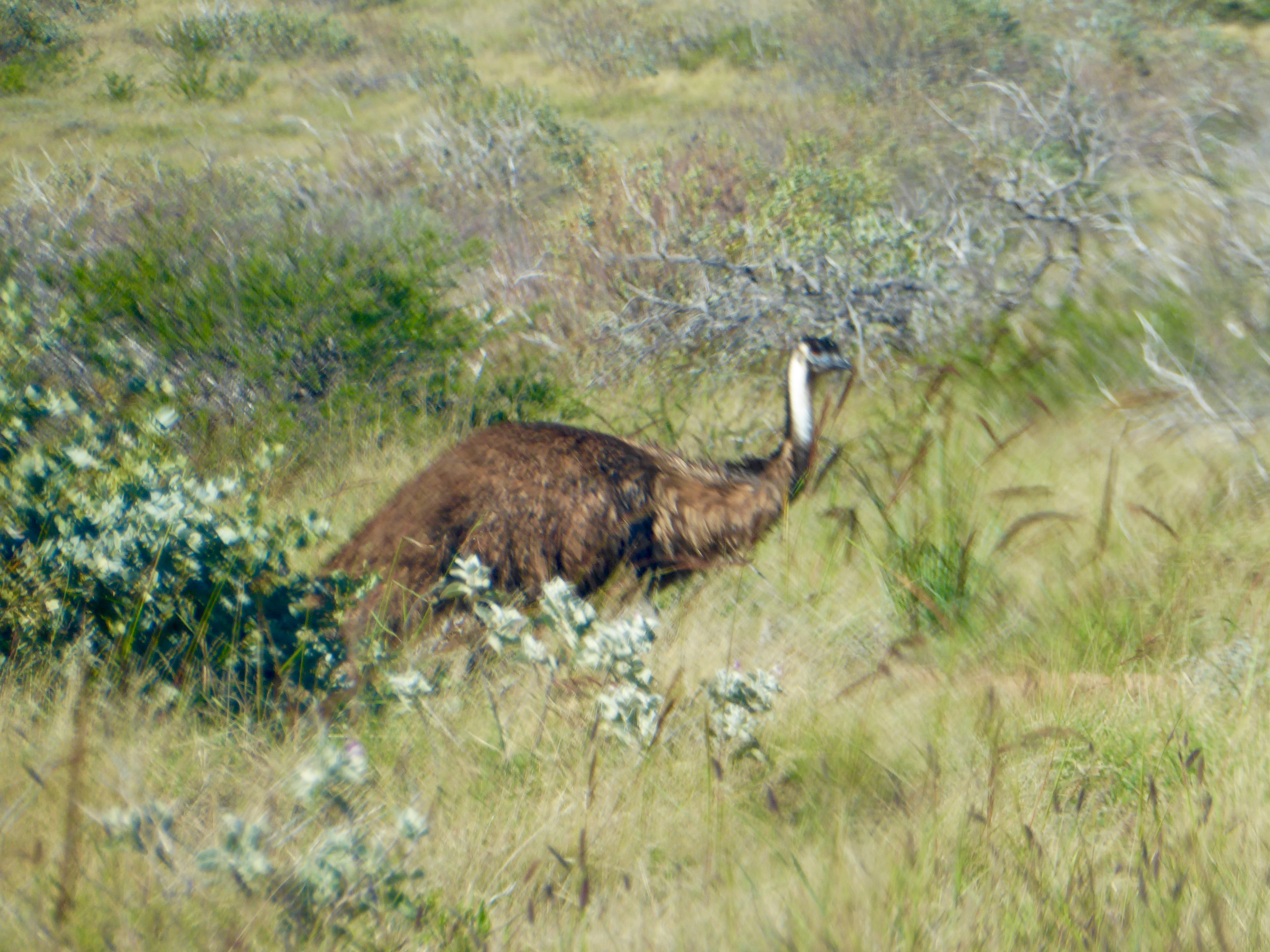
During the 1960s the US Navy was granted permission from Australia to build these towers to aid in the US communication network.   During our visit to Australia, we learned about many joint military efforts between the United States and Australia.   We will show you more of these sites soon.   Leaving the Vlaming Head Lighthouse, we saw this friendly emu.

Friendly emu

Friendly emu

Emus are very common in and around Exmouth.   We are still enjoying our road trip up the western coast of Australia.   We hope you enjoy some of our explanations and photos also.

Zeb Loves the Lego Exhibit at the Denver Zoo

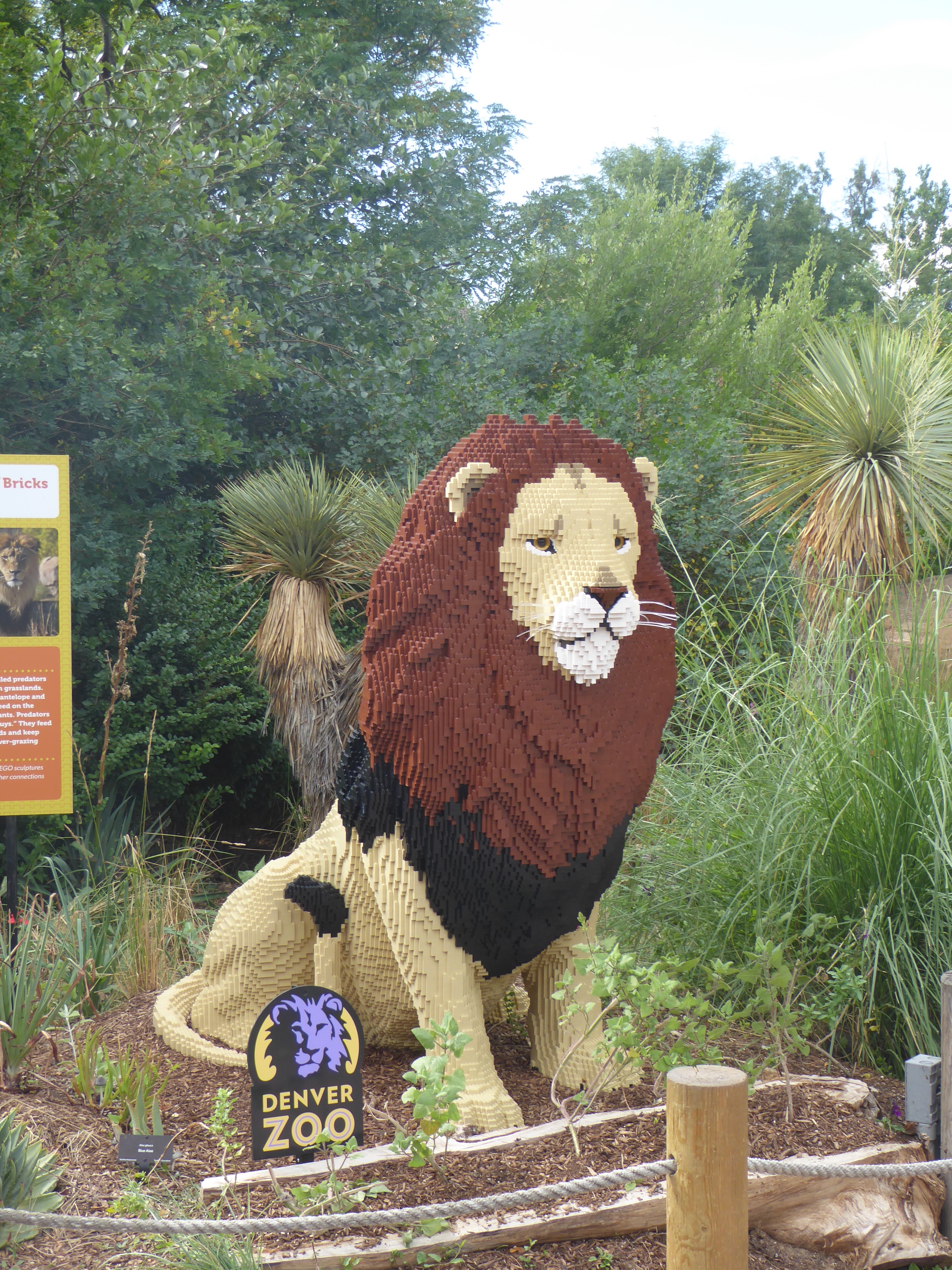
I, Zeb the Duck, visited the Denver Zoo.    The zoo is a great place.   I love all the animals, but this time we enjoyed a Lego exhibit.   Look at this lion made of legos.

Lego Lion

Lego Lion

And then, look at this real lion.

Powerful Lion

Powerful Lion

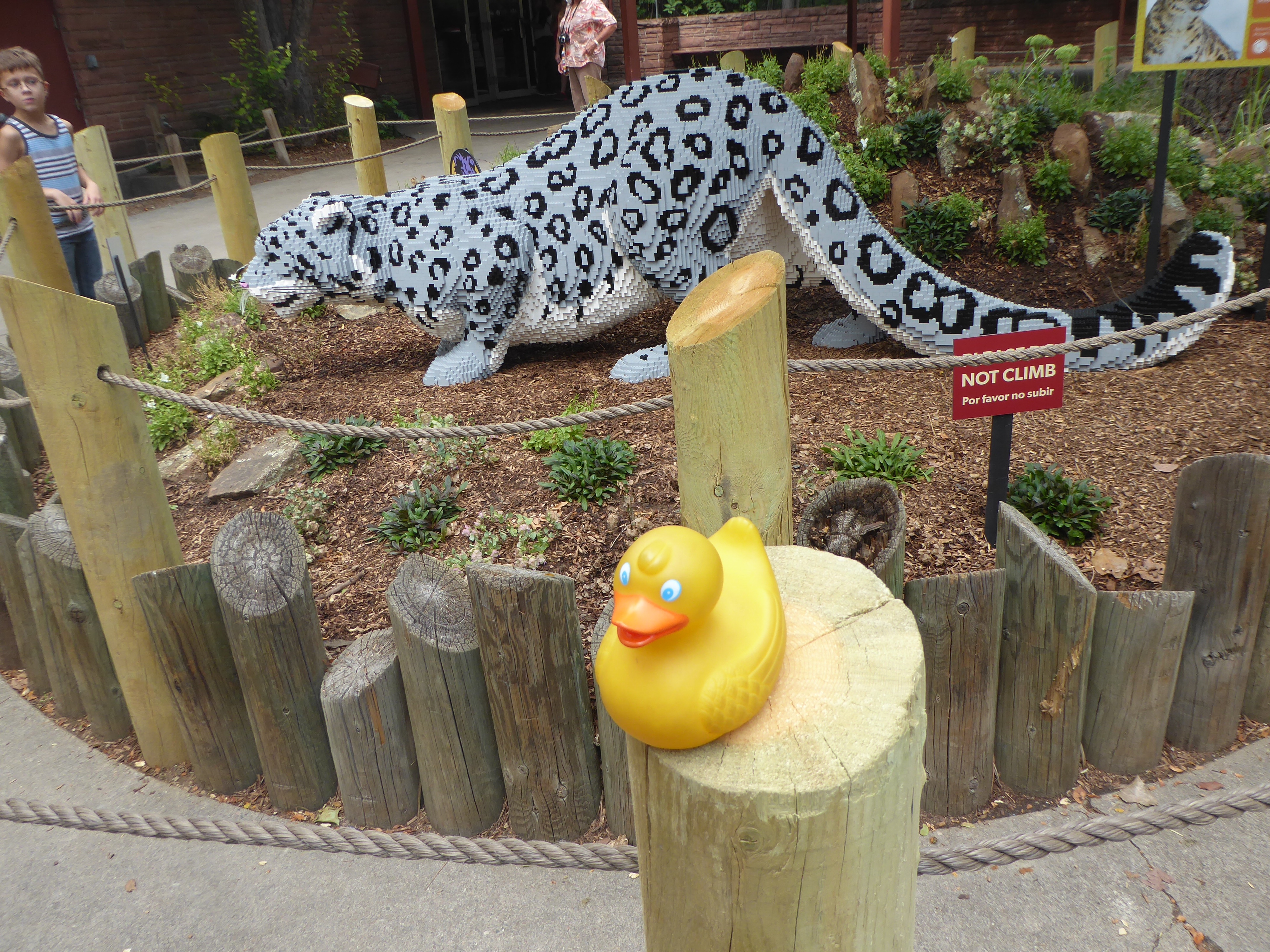
Almost like being in Africa.   We headed to the snow leopard.

Lego Snow Leopard

Lego Snow Leopard

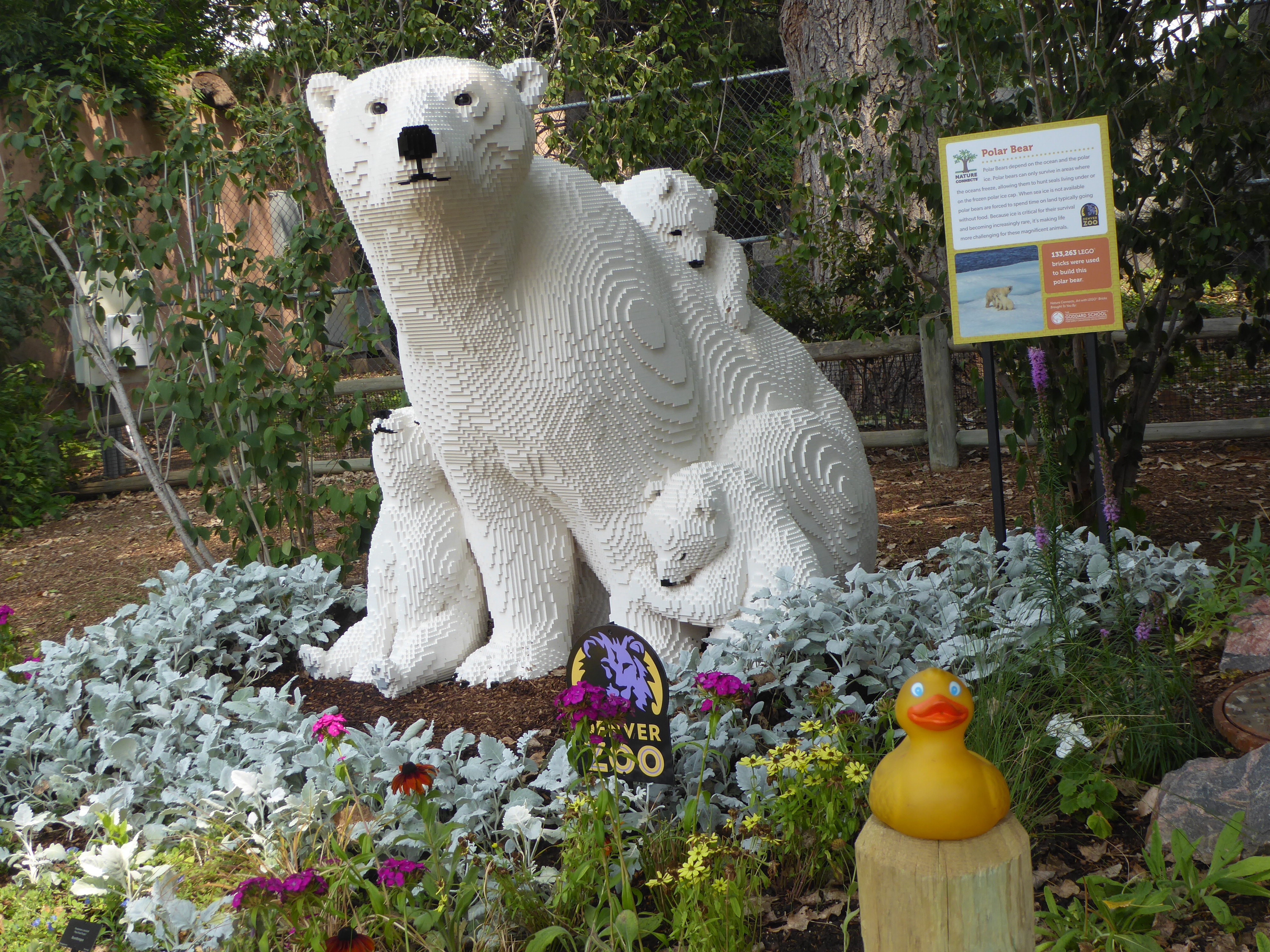
This one is made from  63,379 legos.   We love this polar bear with her cubs.

Lego Polar Bear with cubs

Lego Polar Bear with cubs

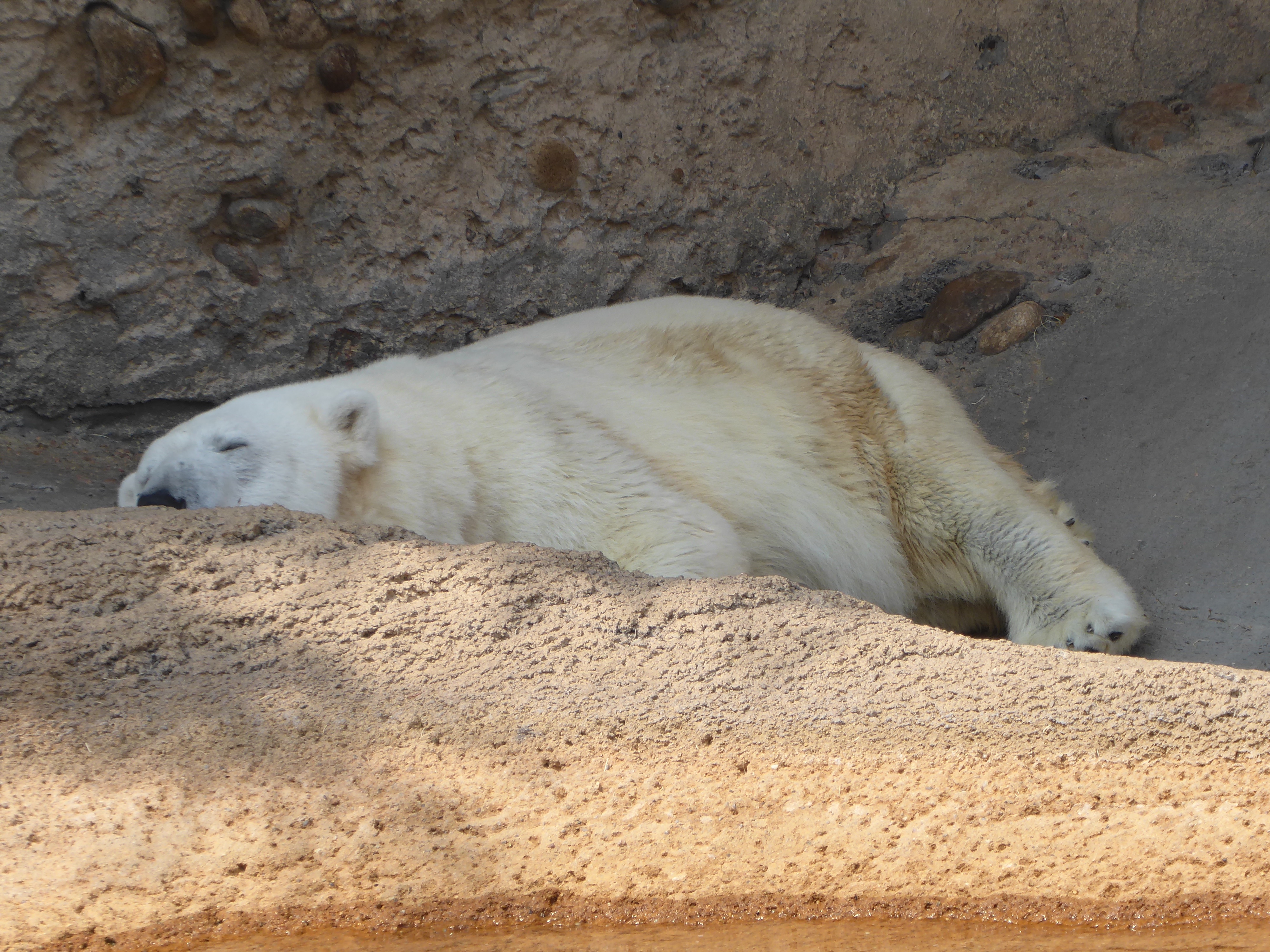
There are 133,263 legos in this sculpture.    The live polar bear is taking a nap.

Live Polar Bear taking a nap

Live Polar Bear taking a nap

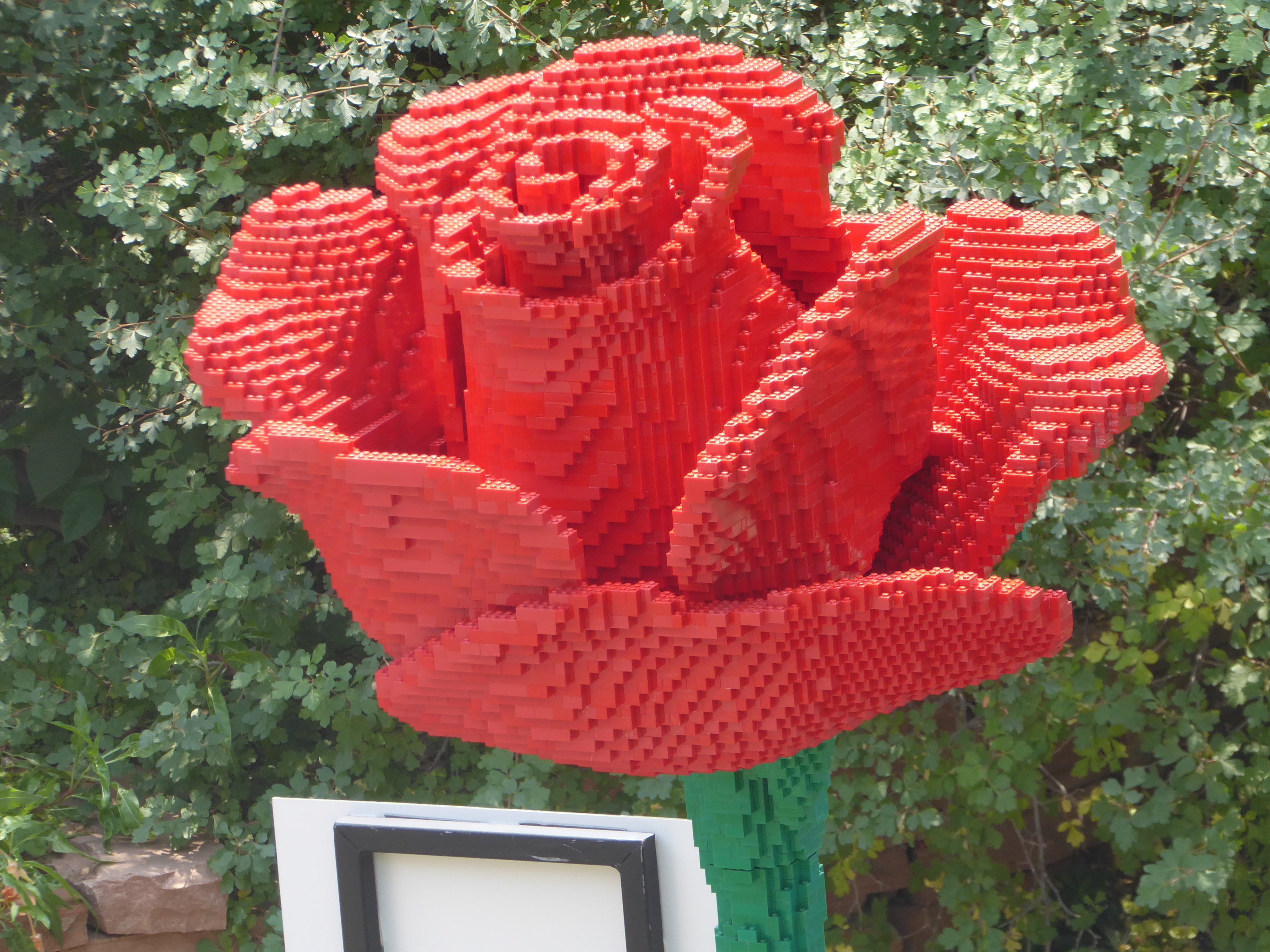
This red rose is great.

Lego Rose

Lego Rose

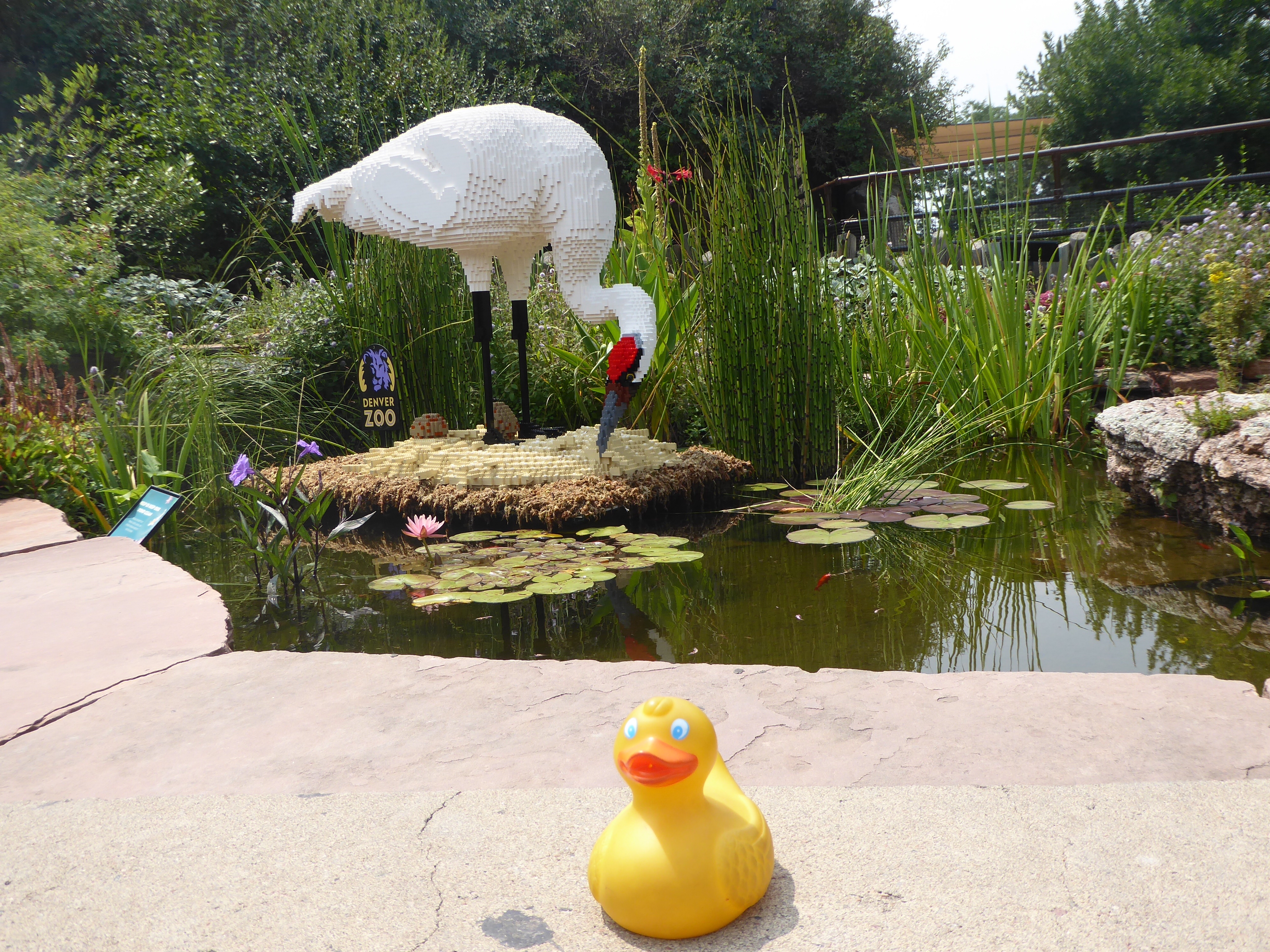
We really liked this whooping crane.

Lego Whooping Crane

Lego Whooping Crane

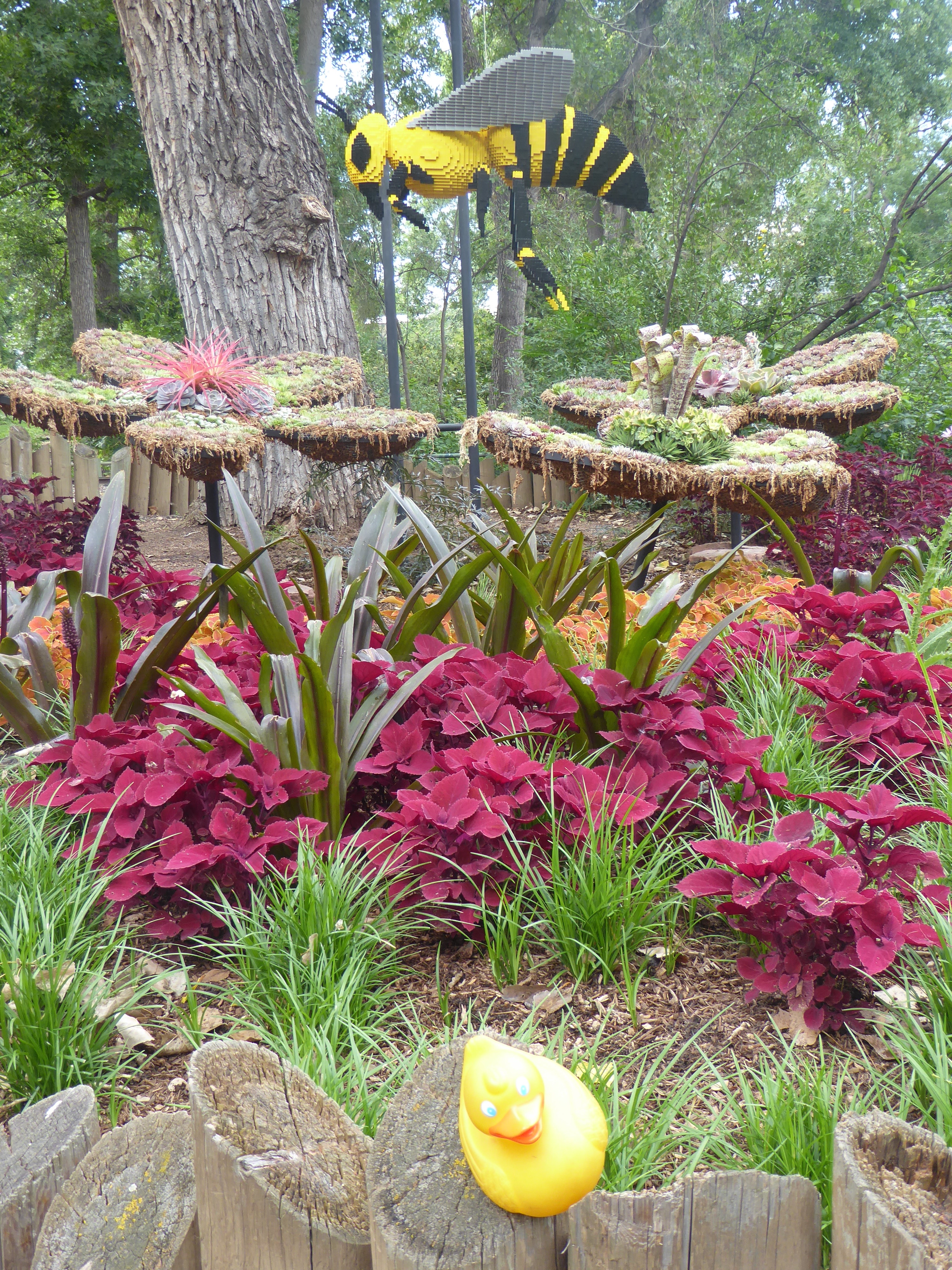
Check out this bumblebee

Lego Bumblebee

Lego Bumblebee

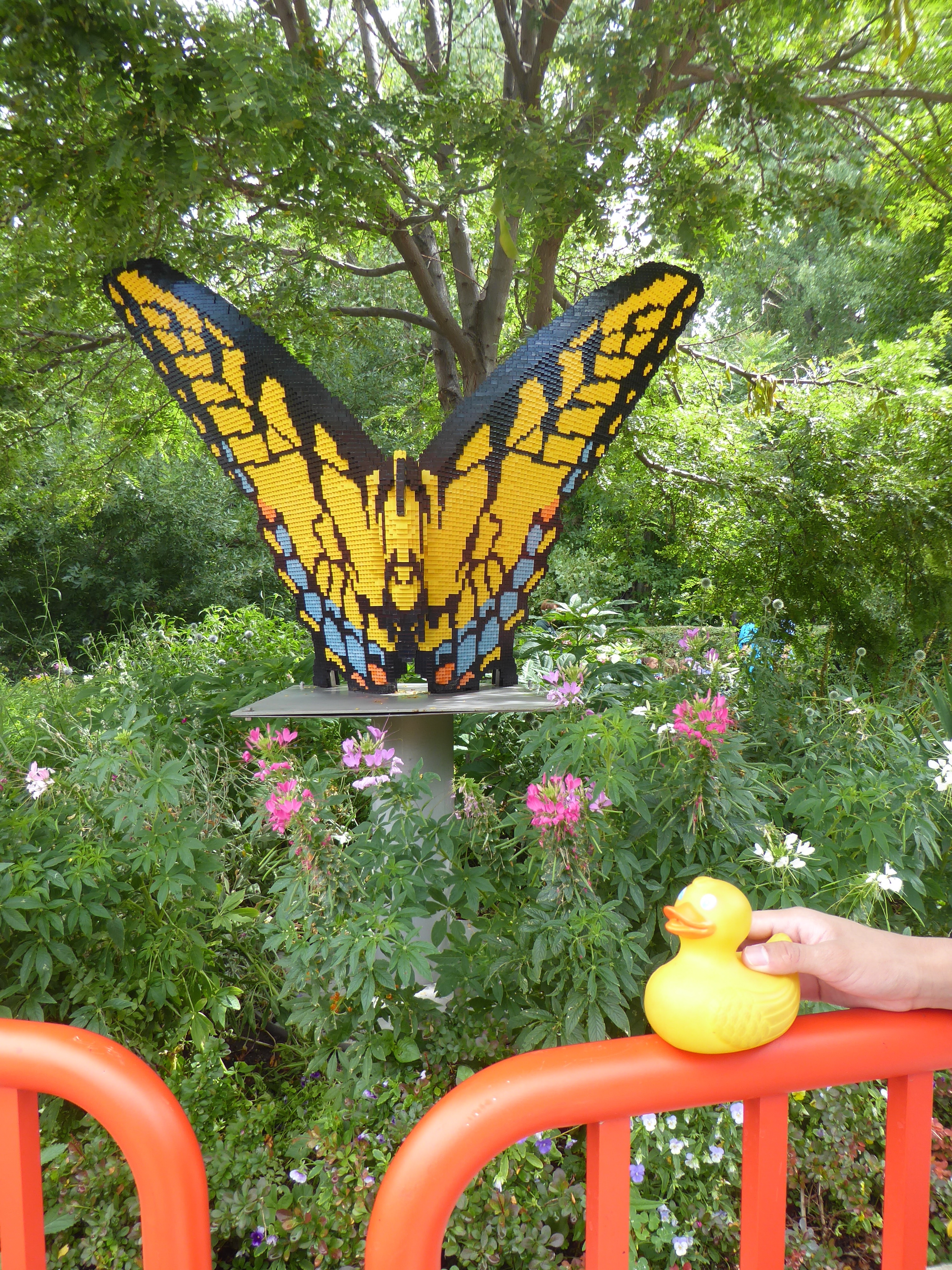
and this gorgeous butterfly.

Huge butterfly

Huge butterfly

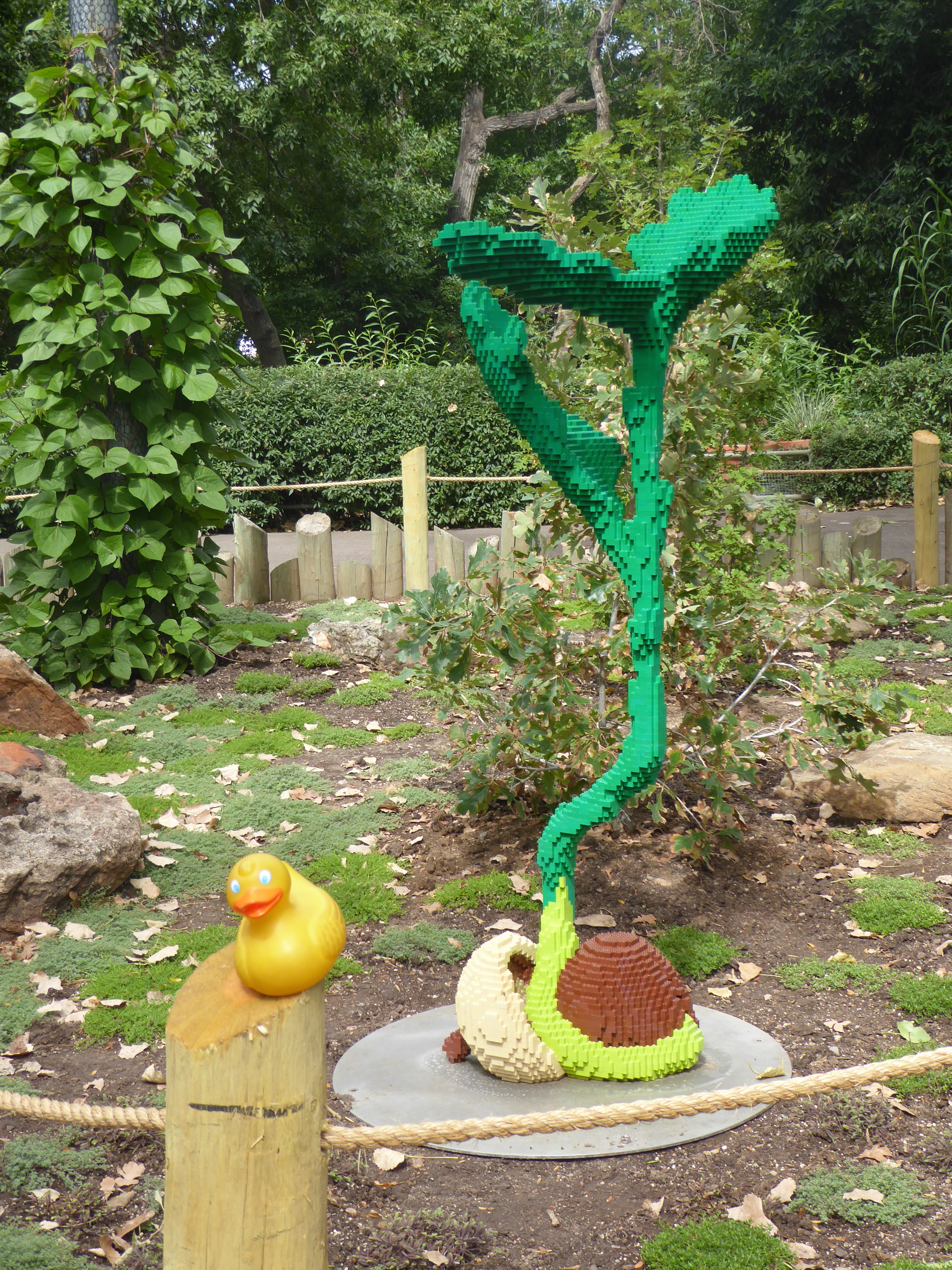
The germinating acorn is very nice also.

Lego acorn germinating

Lego acorn germinating

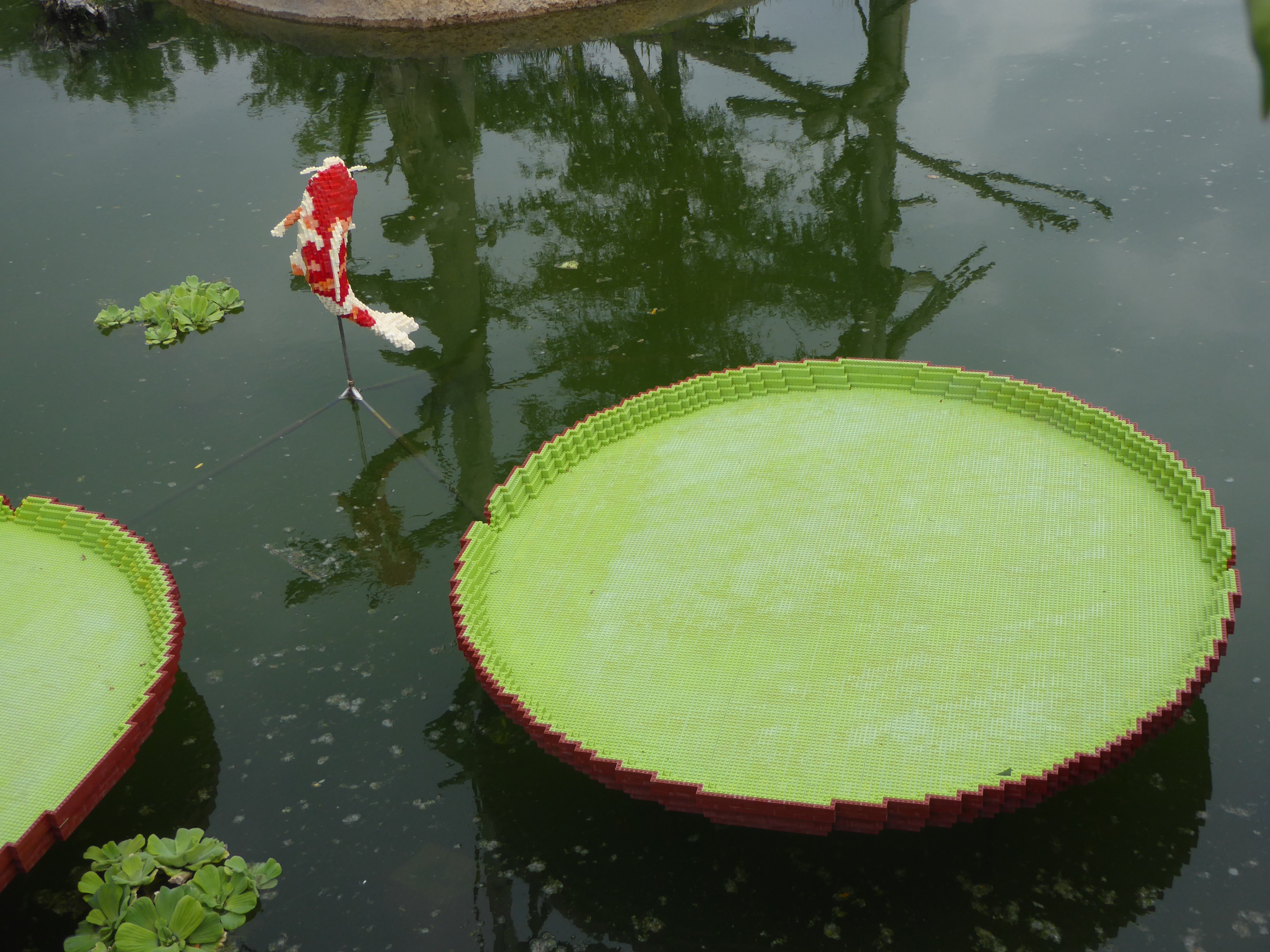
The Koi and Lily Pads seem so tropical.

Lego Koi and Lily Pad

Lego Koi and Lily Pad

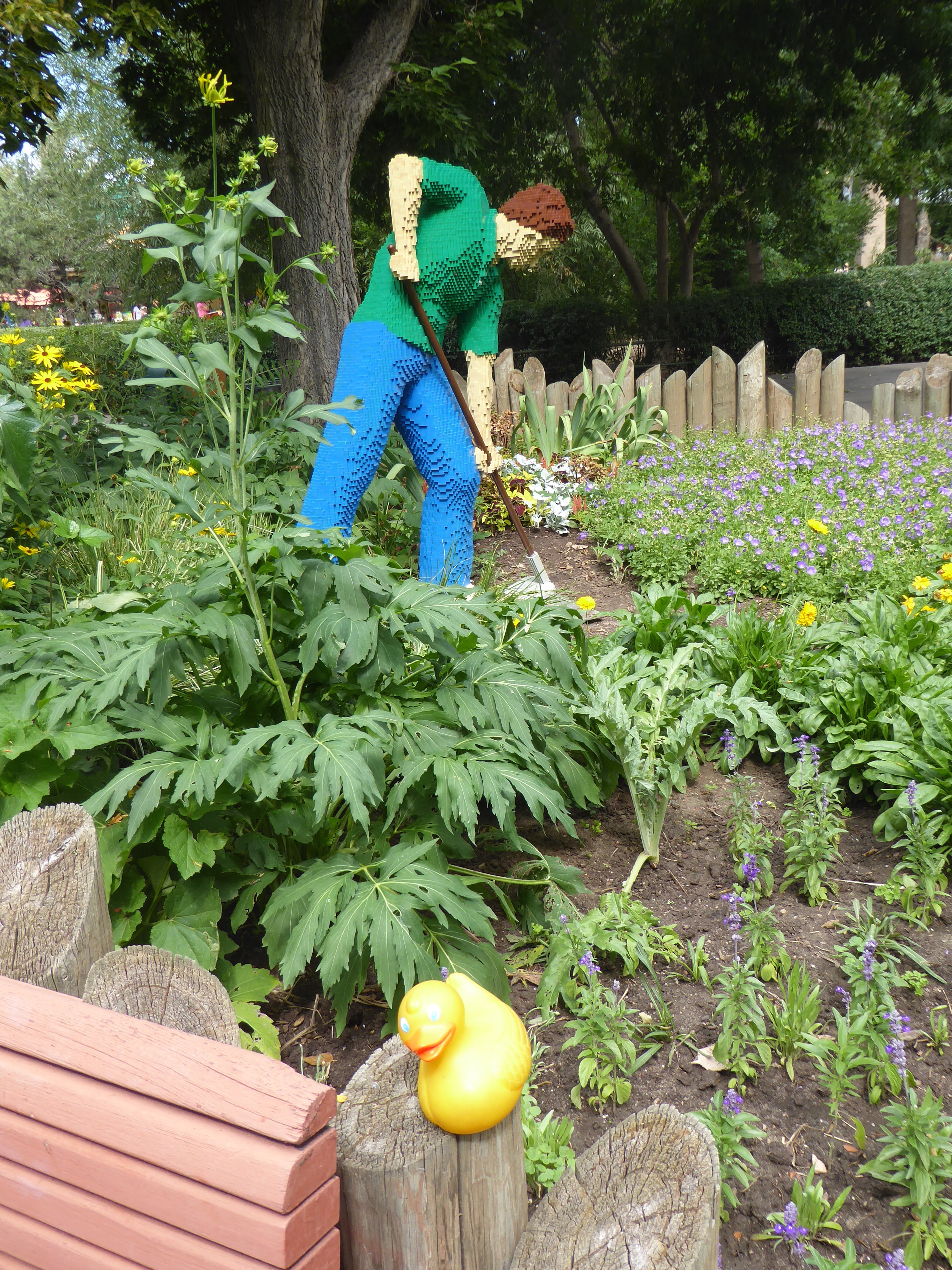
It takes a lot of work to keep the zoo nice for visitors.   This honors a man that keeps things is great shape for our visits.

Honoring those who work to keep the zoo nice for us

Honoring those who work to keep the zoo nice for us

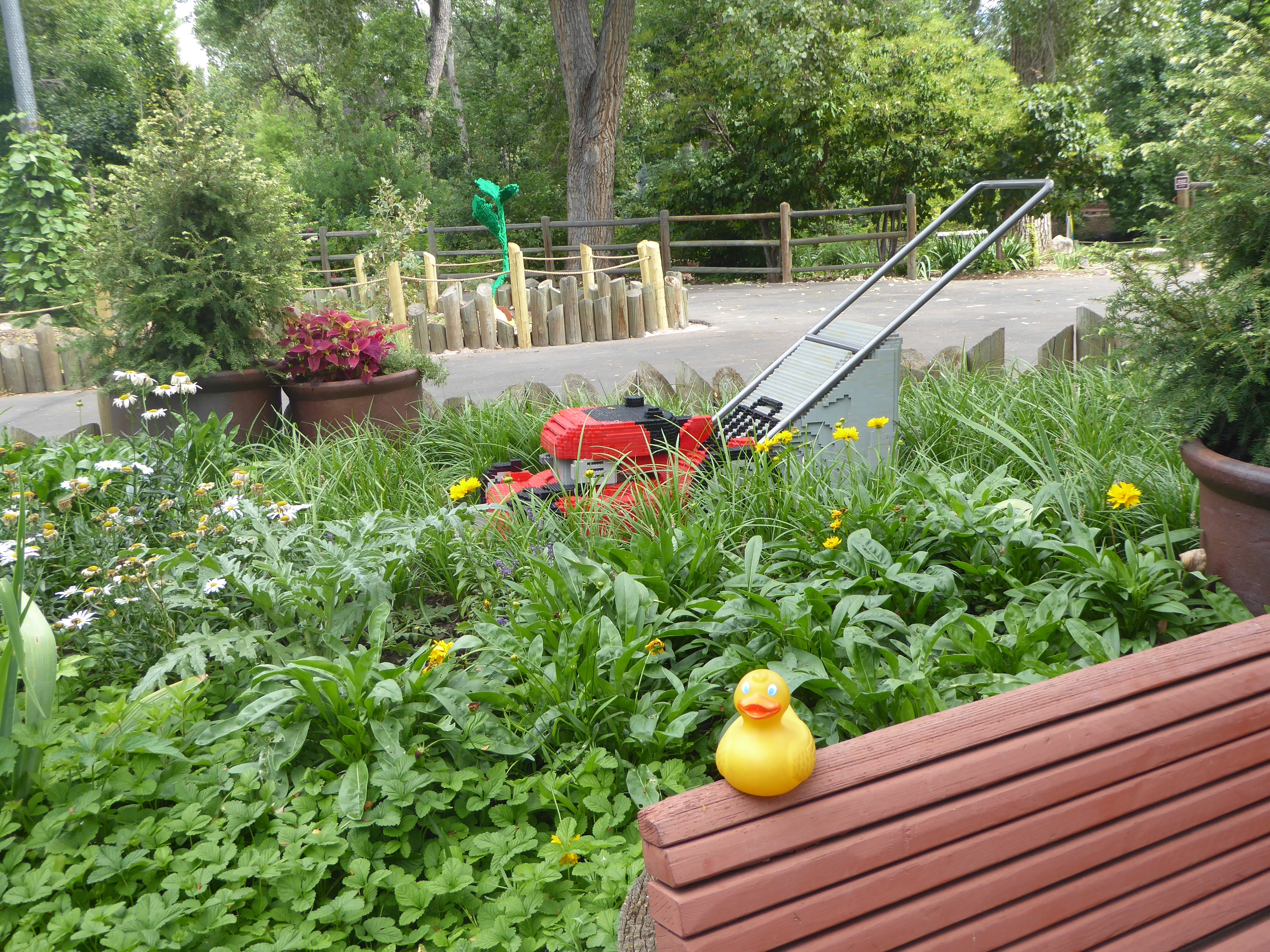
Of course, a lawn mower is a necessity.


A lawn mower of Legos. Looks so real

A lawn mower of Legos. Looks so real

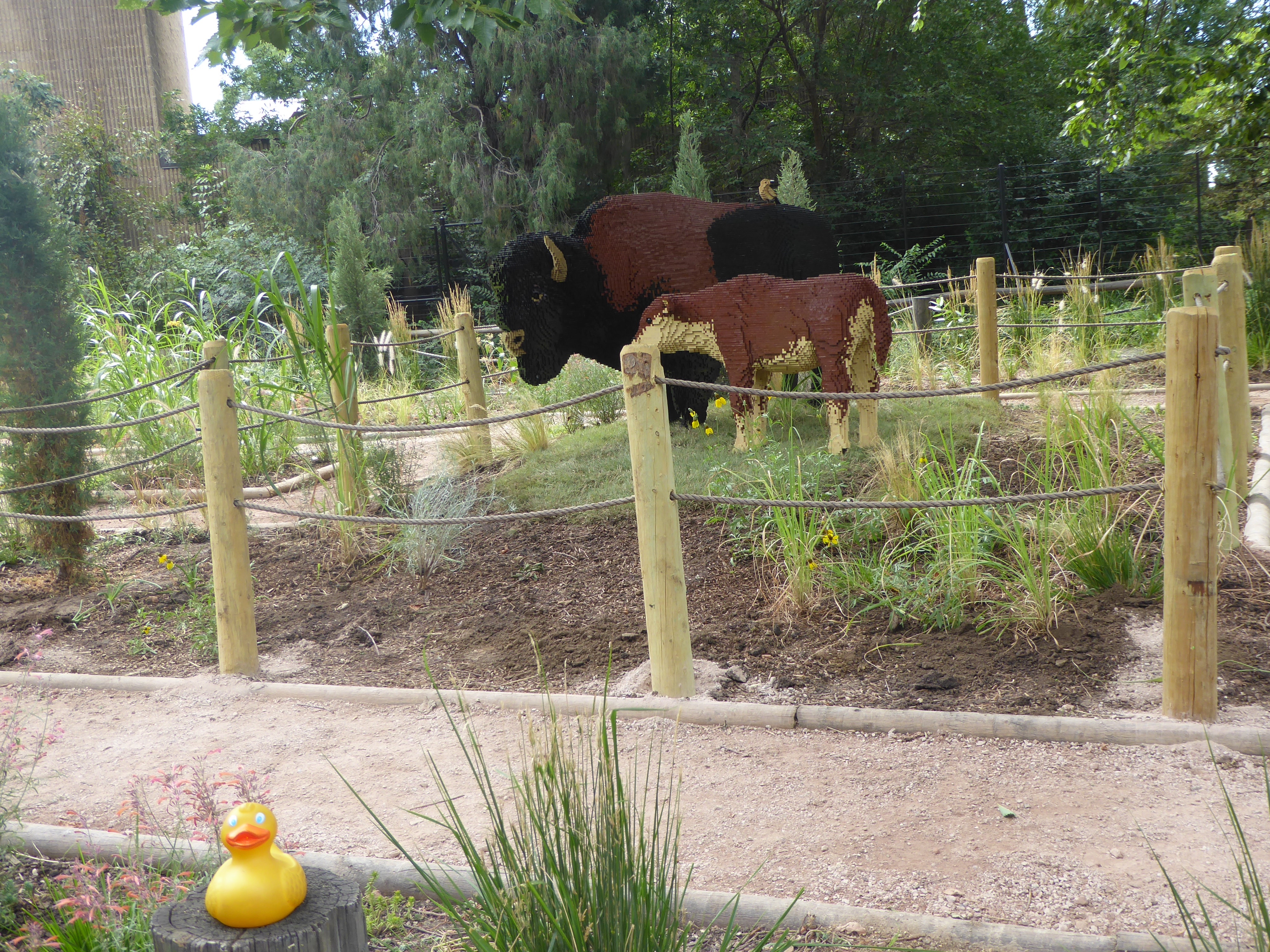
We liked the bison and calf of legos.

Bison and calf made of Legos

Bison and calf made of Legos

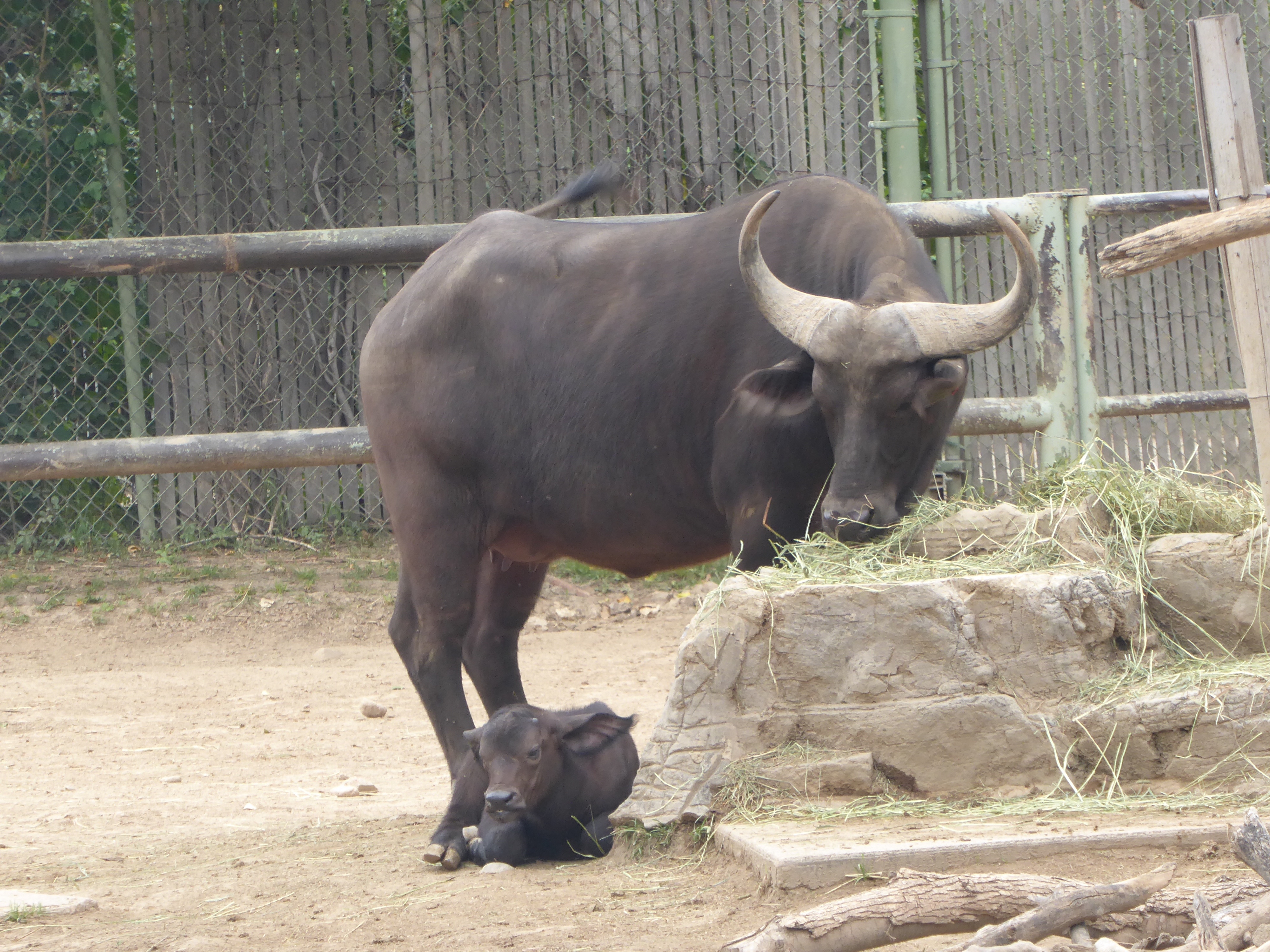
We also liked these live cape buffalo.

Cape Buffalo and Baby

Cape Buffalo and Baby

The baby was born July 24, 2015.    We love the zoo anytime, but these legos are spectacular.   They will be on display at the Denver Zoo until  November 1, 2015.     We recommend that you visit the zoo and see the animals and the legos.   We have seen them three times and will definitely go back again.   We always see something new at the zoo.

Zeb and Eider Duck Drive North to Coral Bay on Australia’s Ningaloo Coast

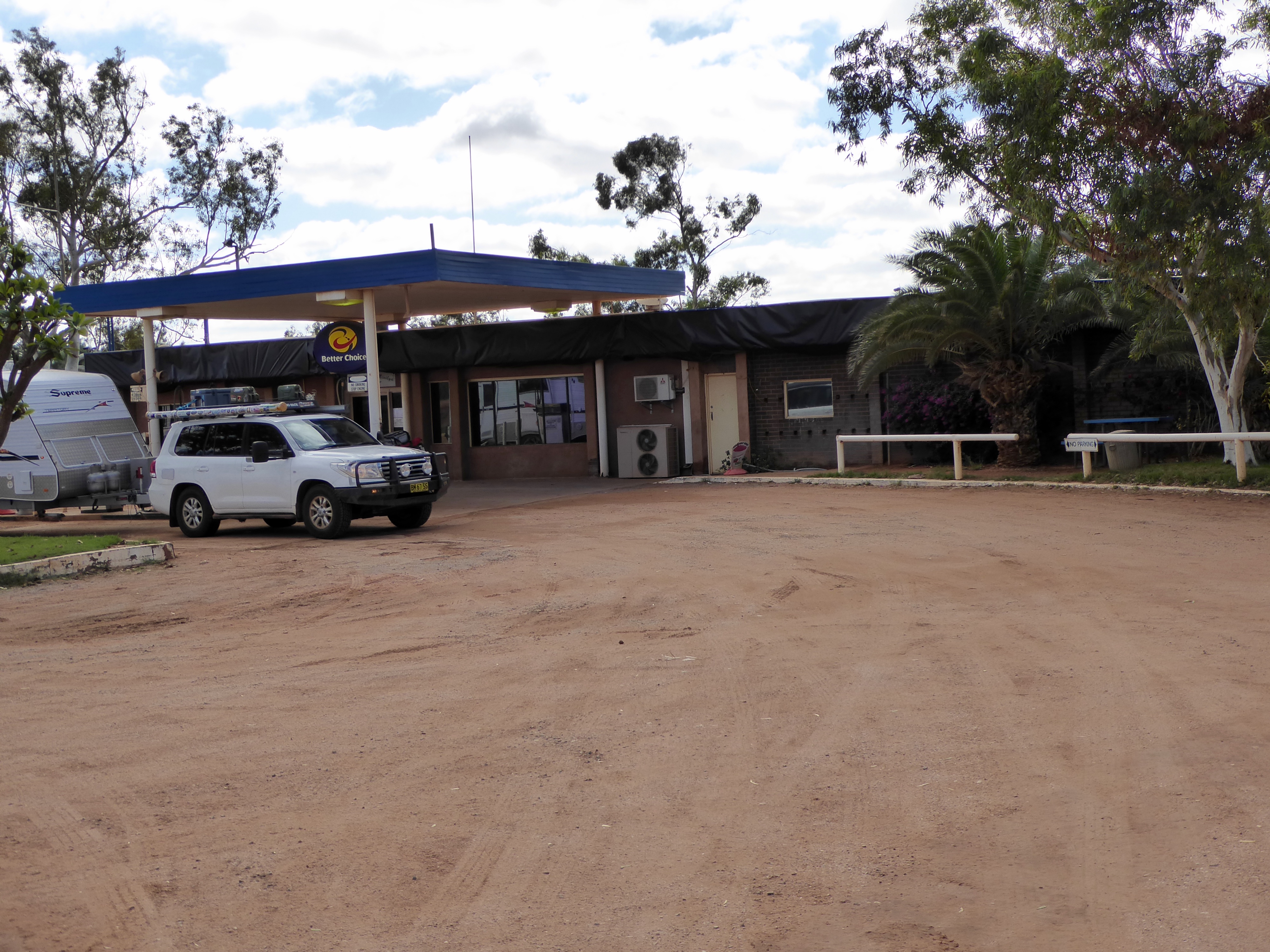
Zeb and Eider left Carnarvon and drove north toward the Ningaloo Coast.   We love car trips.   We can see so much of the land and watch the terrain change.   Soon we stopped here at the Minilya River Roadhouse.

Minilya River Roadhouse

Minilya River Roadhouse

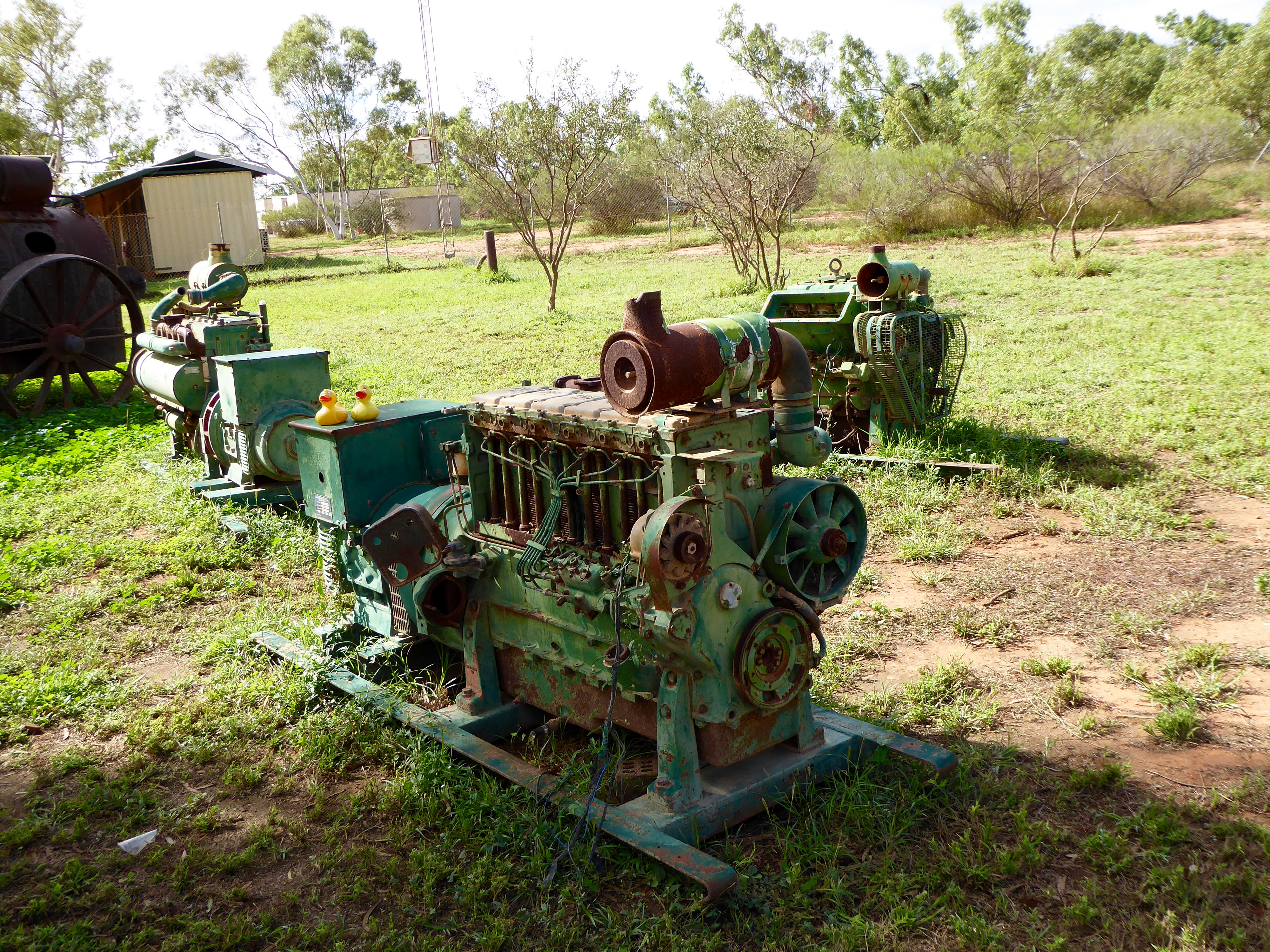
Those humans think they need a Magnum Ice Cream bar every day.   While they are eating (again) we admire the display of old farm equipment.

Old equipment
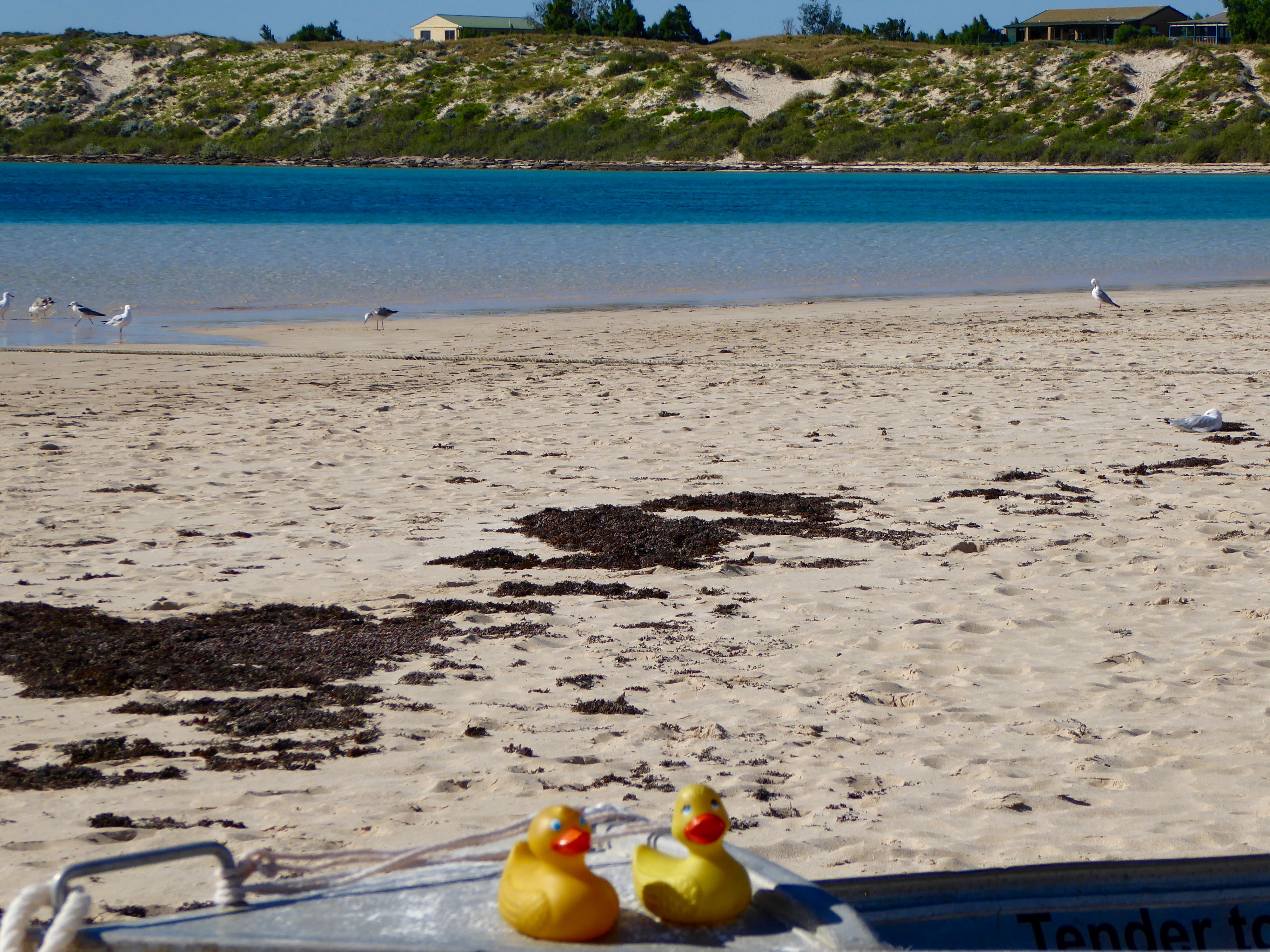
Old equipment
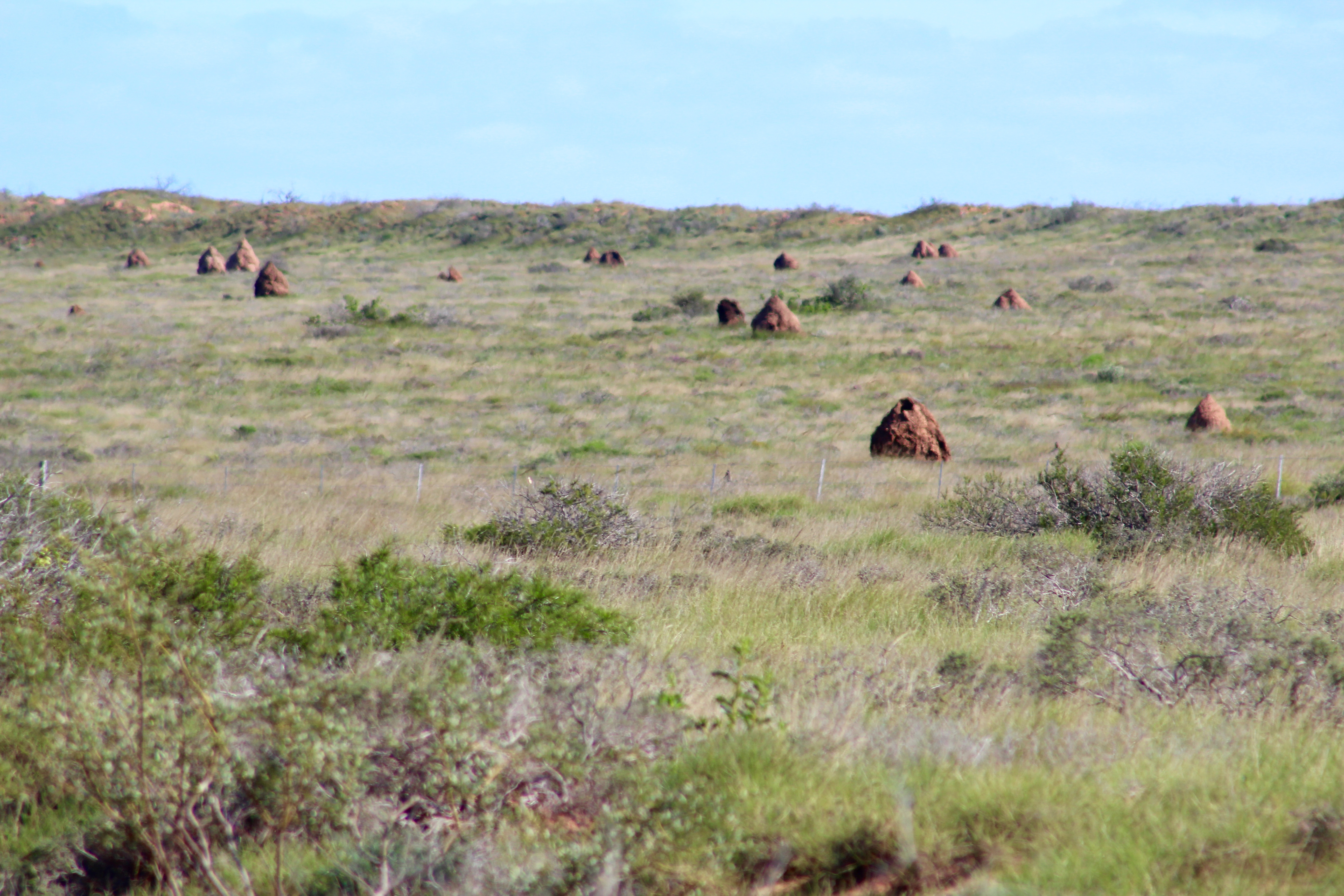
Continuing north, we begin seeing strange things in the fields.   First we think they are large rocks, but soon realize they are termite hills.

Hundreds of Termite Hills

Hundreds of Termite Hills

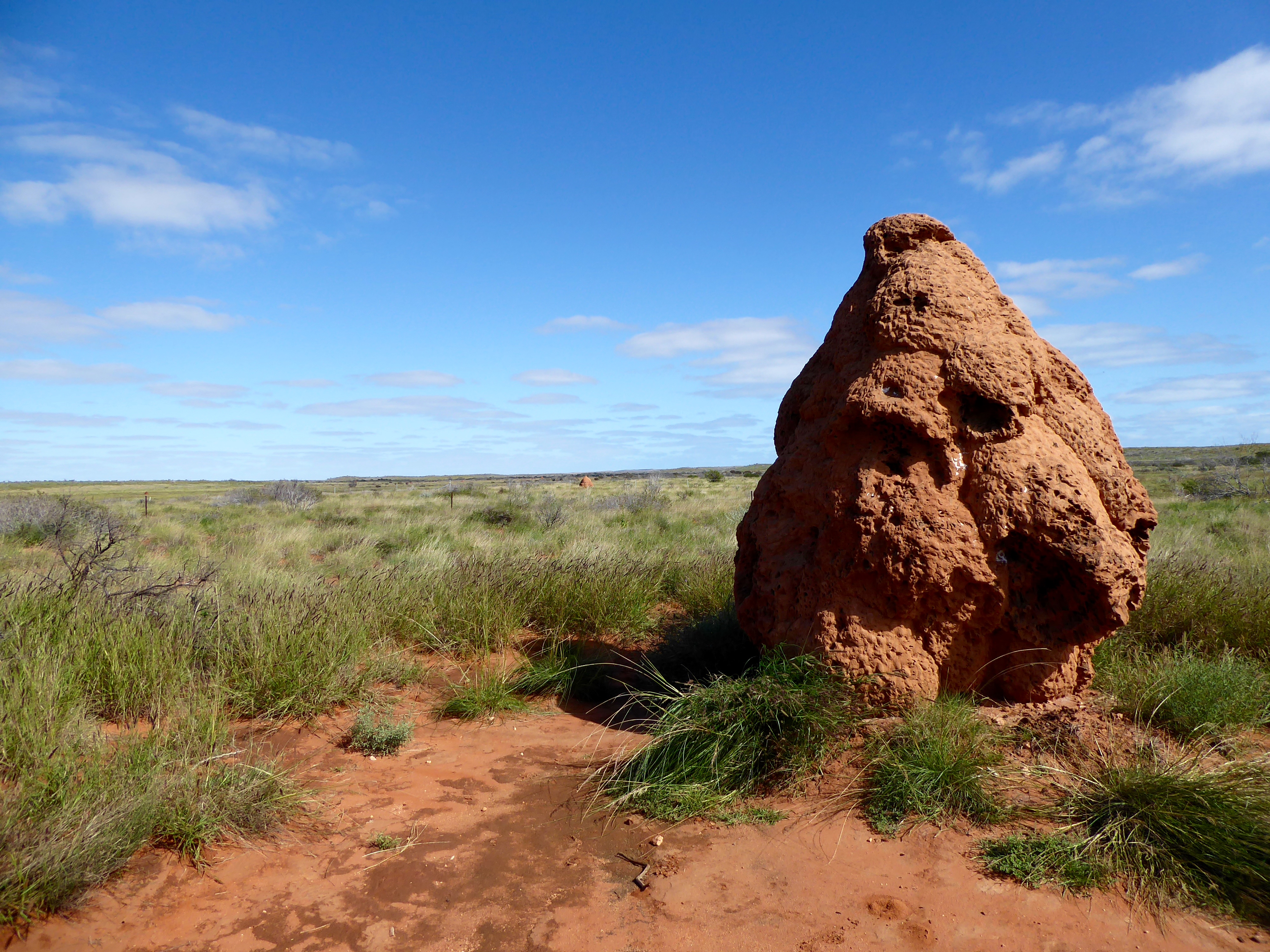
Termites are a type of ant.   There are many types of termites and they build many different shape and size homes, or termite hills.   This one is pretty large and very lumpy.
Big, lumpy termite hill

Big, lumpy termite hill

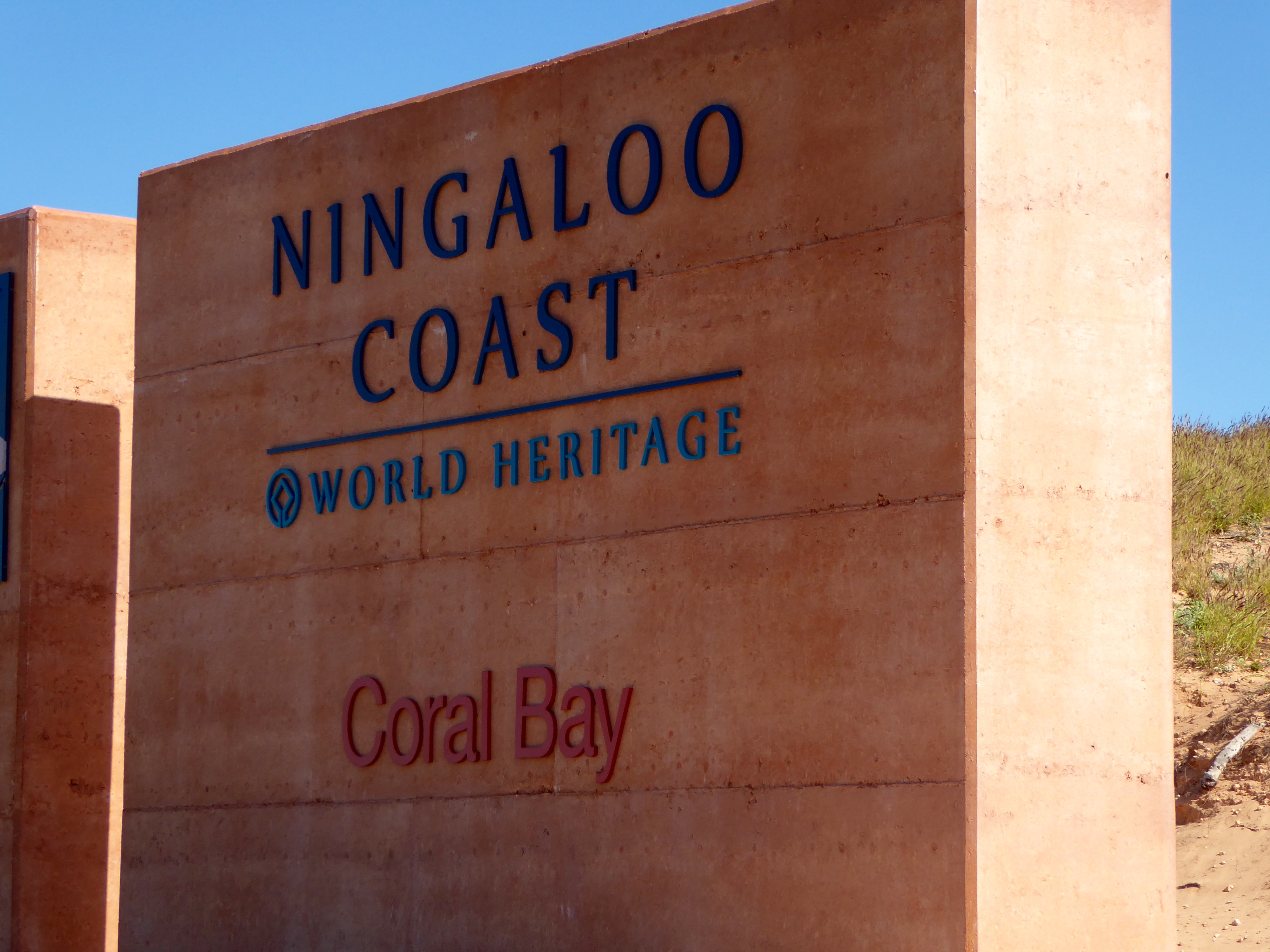
We showed you a few smaller termite hills on Kangaroo Island in our August posts.   We have arrived at the Ningaloo Coast.
We are here on the Ningaloo Coast

We are here on the Ningaloo Coast

This is another World Heritage Site.   First we will visit Coral Bay.

Beautiful Coral Bay

Beautiful Coral Bay

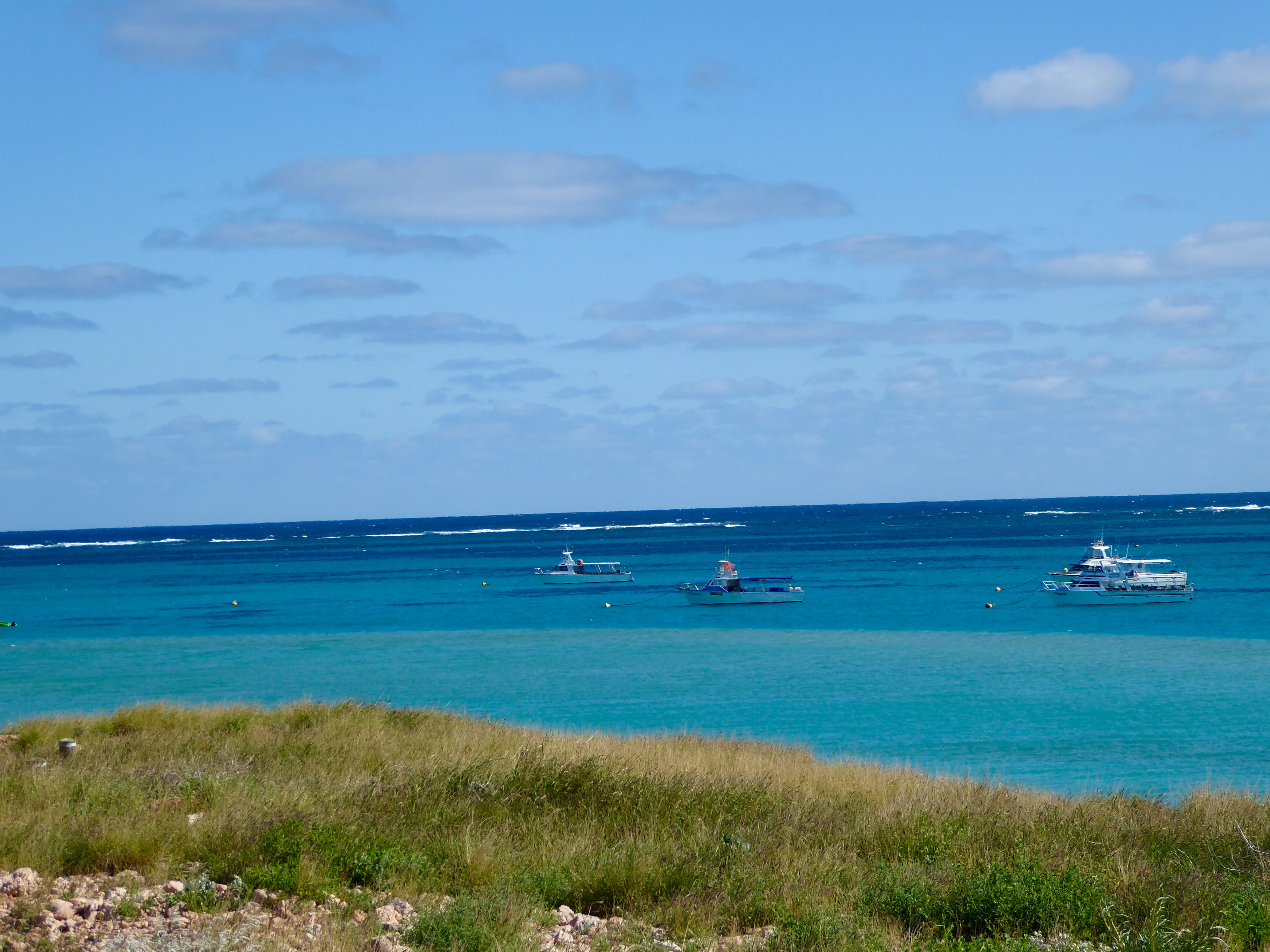
Another beautiful view of the Indian Ocean.   Coral Bay is just north of the Tropic of Capricorn.   The Ningaloo Reef forms a natural lagoon.

Coral Bay

Coral Bay

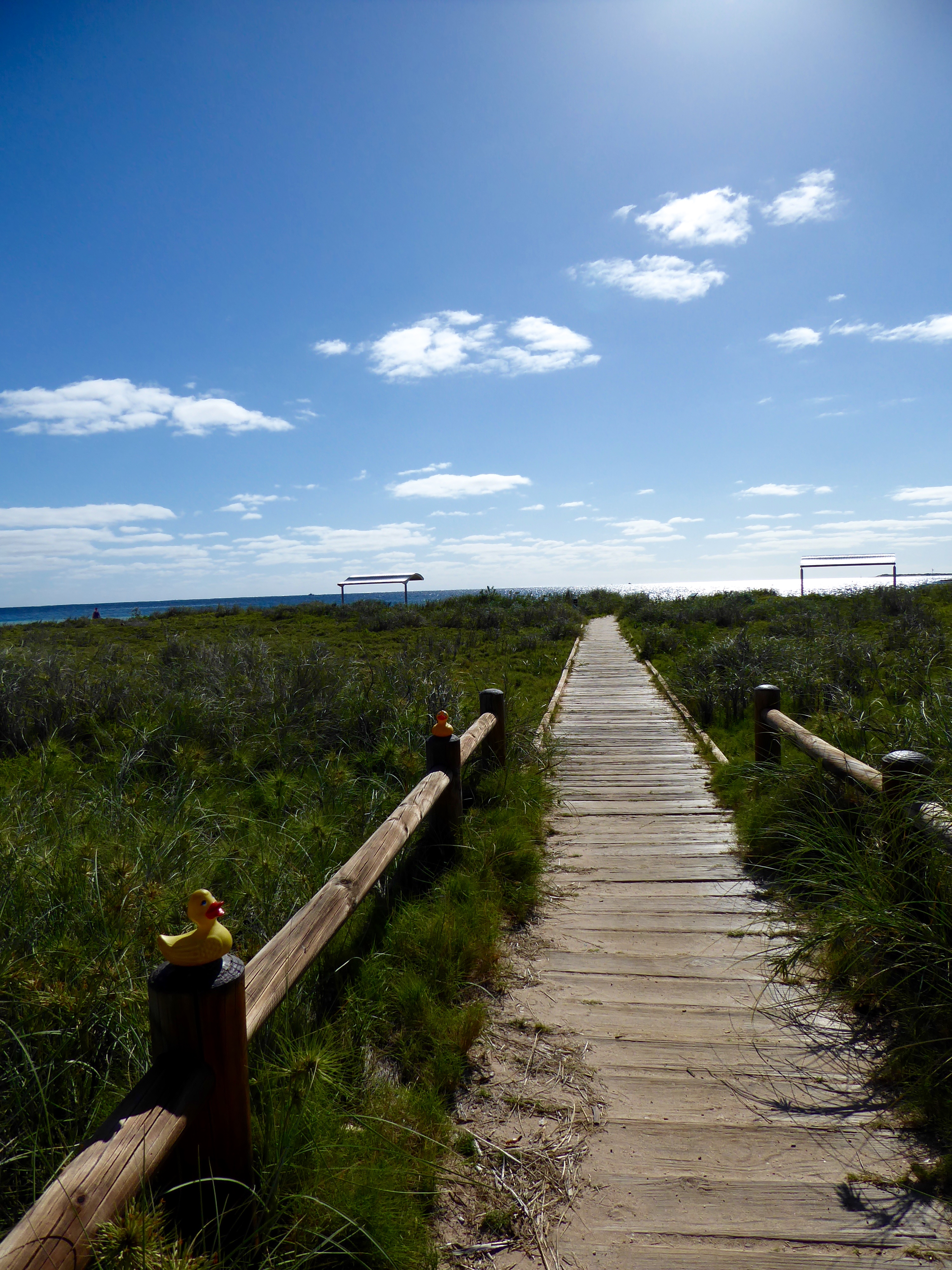
The Ningaloo Reef runs for 80 km off shore, starting about 300 meters from the beach.     This is the boardwalk to the public beach.

Boardwalk to the beach

Boardwalk to the beach

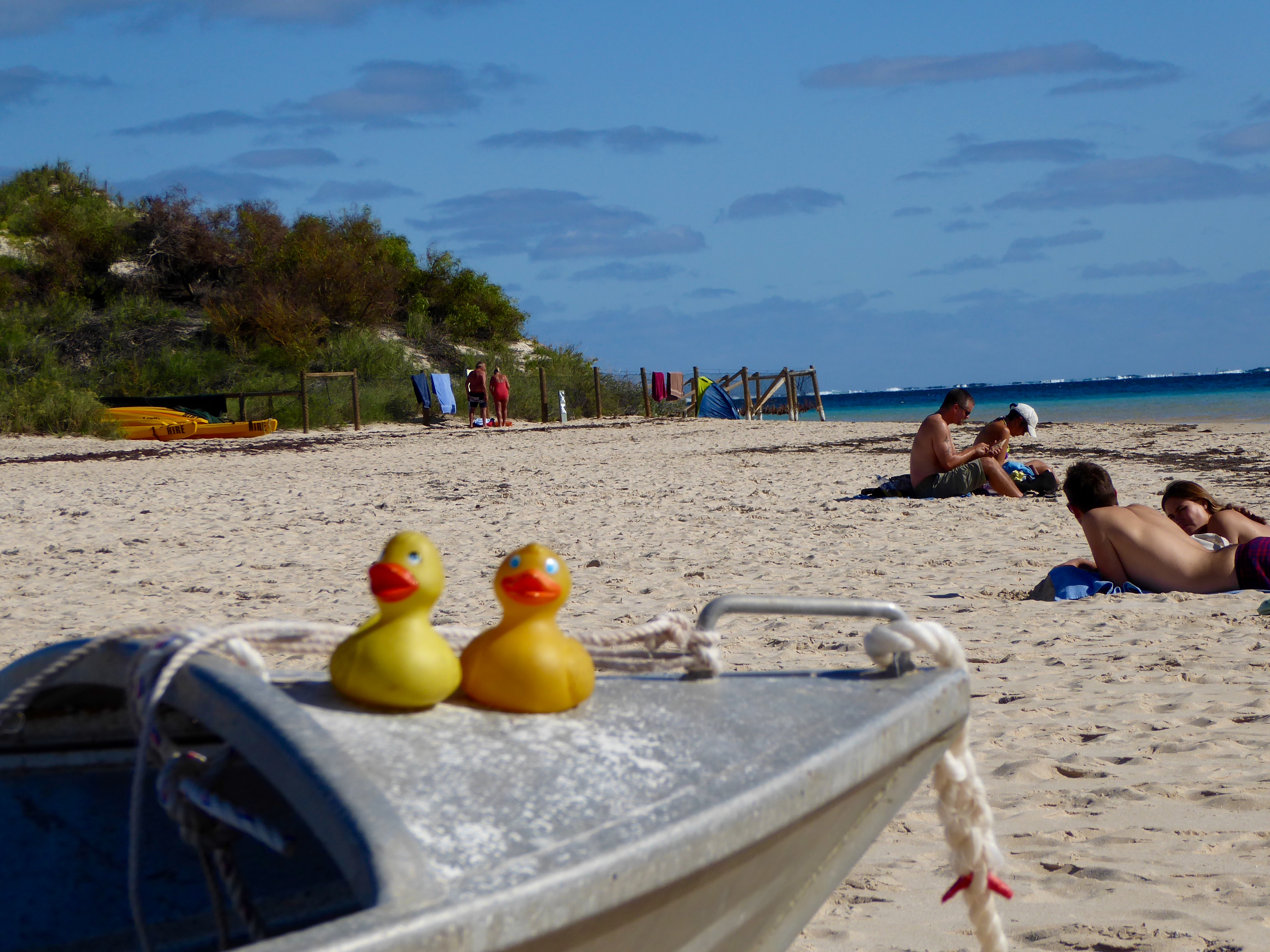
Much of Coral Bay and the Ningaloo Coast forms the Ningaloo Marine Park and much of that is an animal sanctuary.   Turtle hatching takes place in February.   Whale sharks can often be seen from March to June.   Human activity on the water is limited, but on this beach we can enjoy the beach and swimming.

Swmming and sunning here

Swmming and sunning here

Isn’t this a pretty beach?   We think it is.

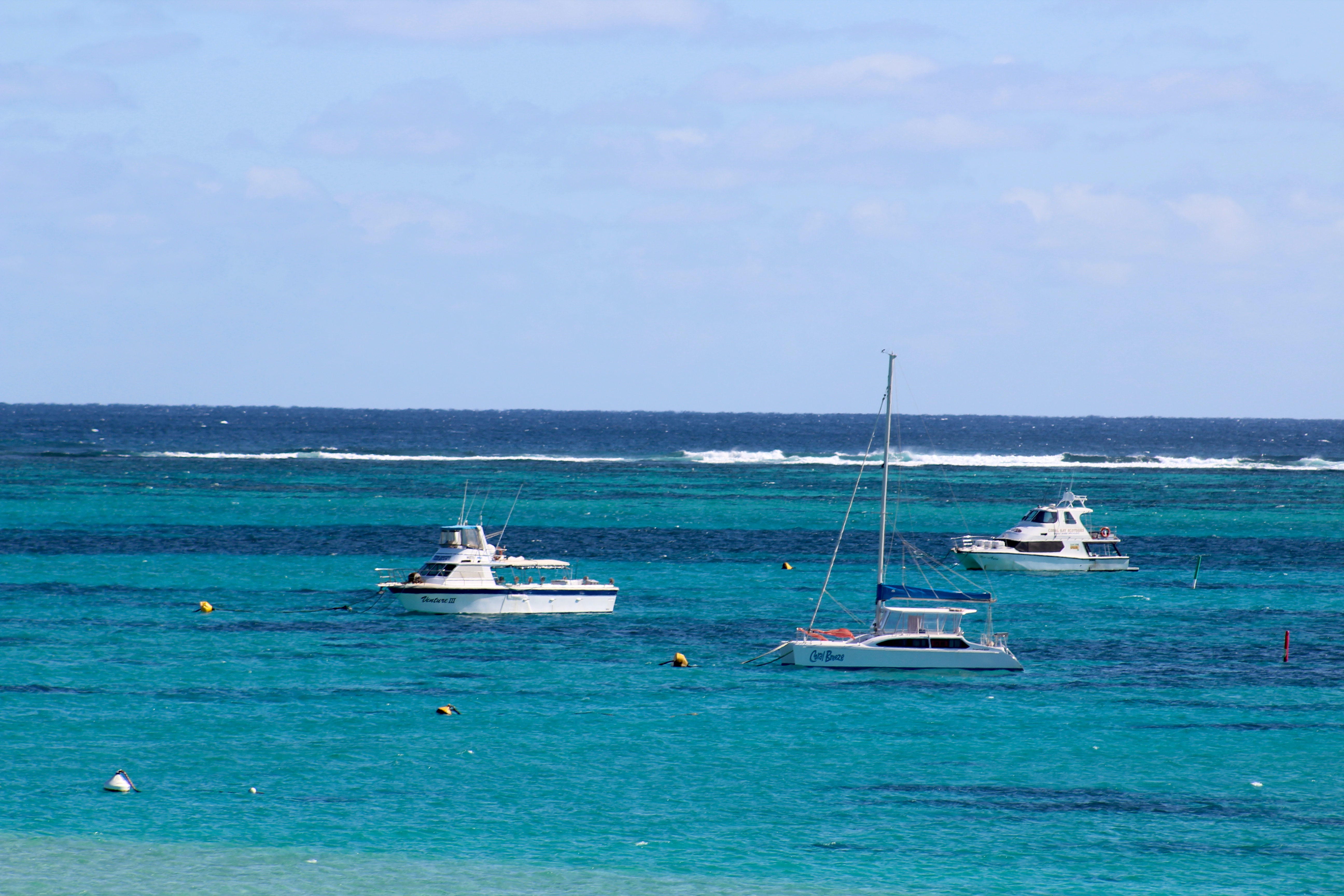
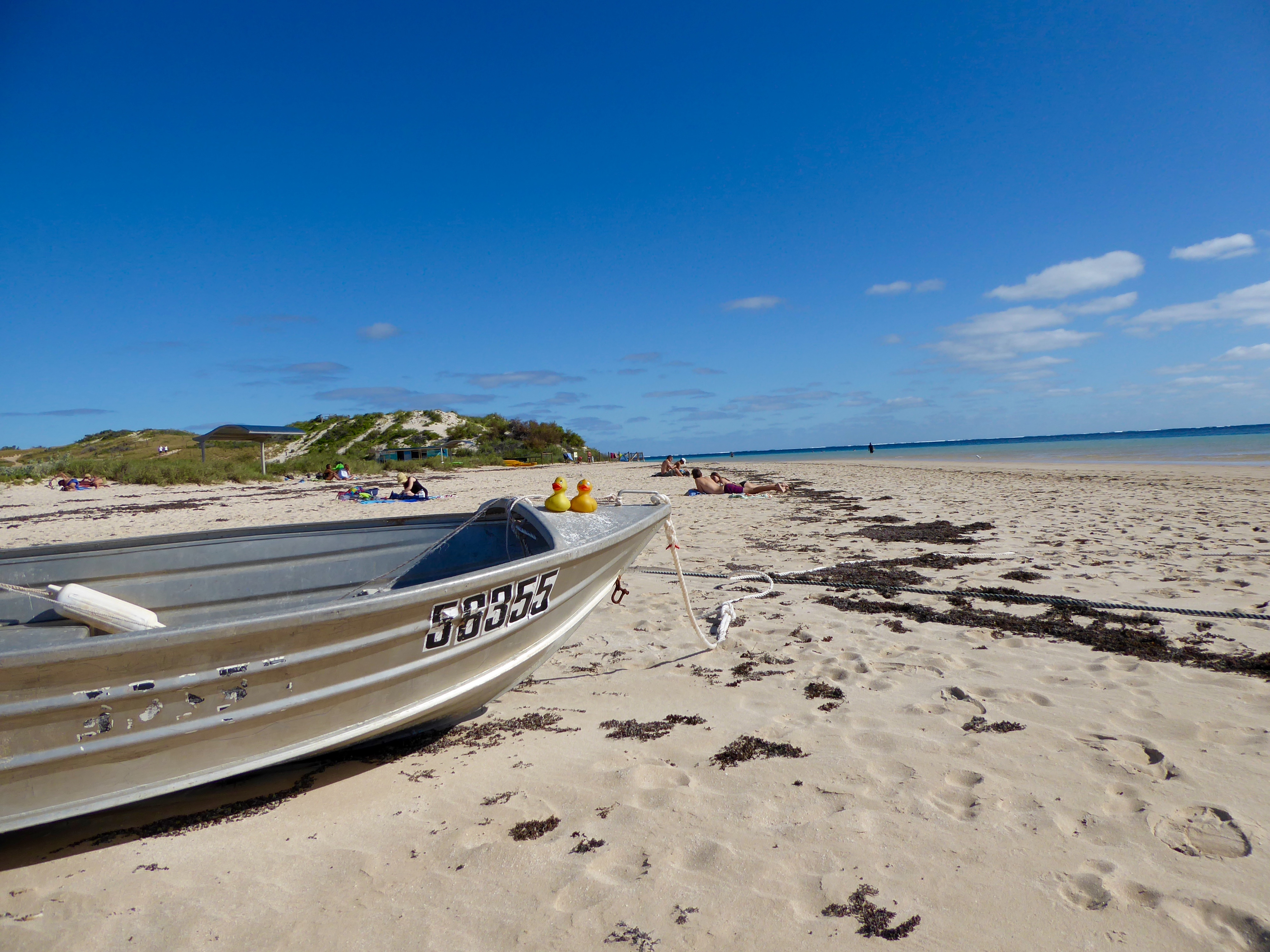
Lets take a boat ride

Lets take a boat ride

We ducks think this boat is here just for us.   But, the humans would not let us take it out on the water.   They said it was not ours and not for rent to tourists.
Beautiful beach and not many humans

Beautiful beach and not many humans

Notice that like so many other places on Australia’s west coast, the beaches are not at all crowded.   This is so nice.

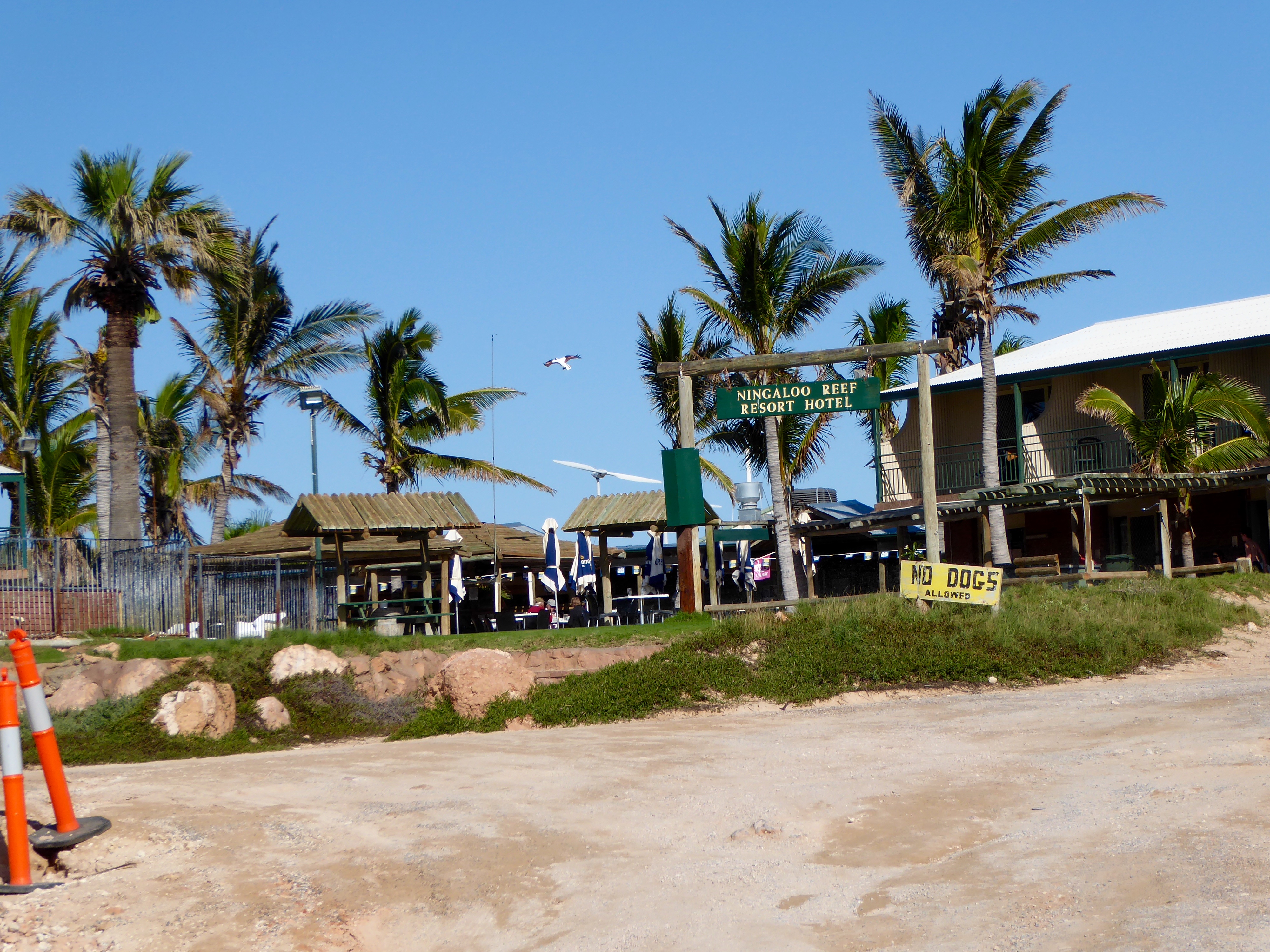
Ningaloo Reef Resort Hotel

Ningaloo Reef Resort Hotel

This is the Ningaloo Reef Resort Hotel and is the perfect place to stay while enjoying the Ningaloo Reef.   We could stay here for a long time if the humans would let us.

Carnarvon Australia with Zeb and Eider Duck

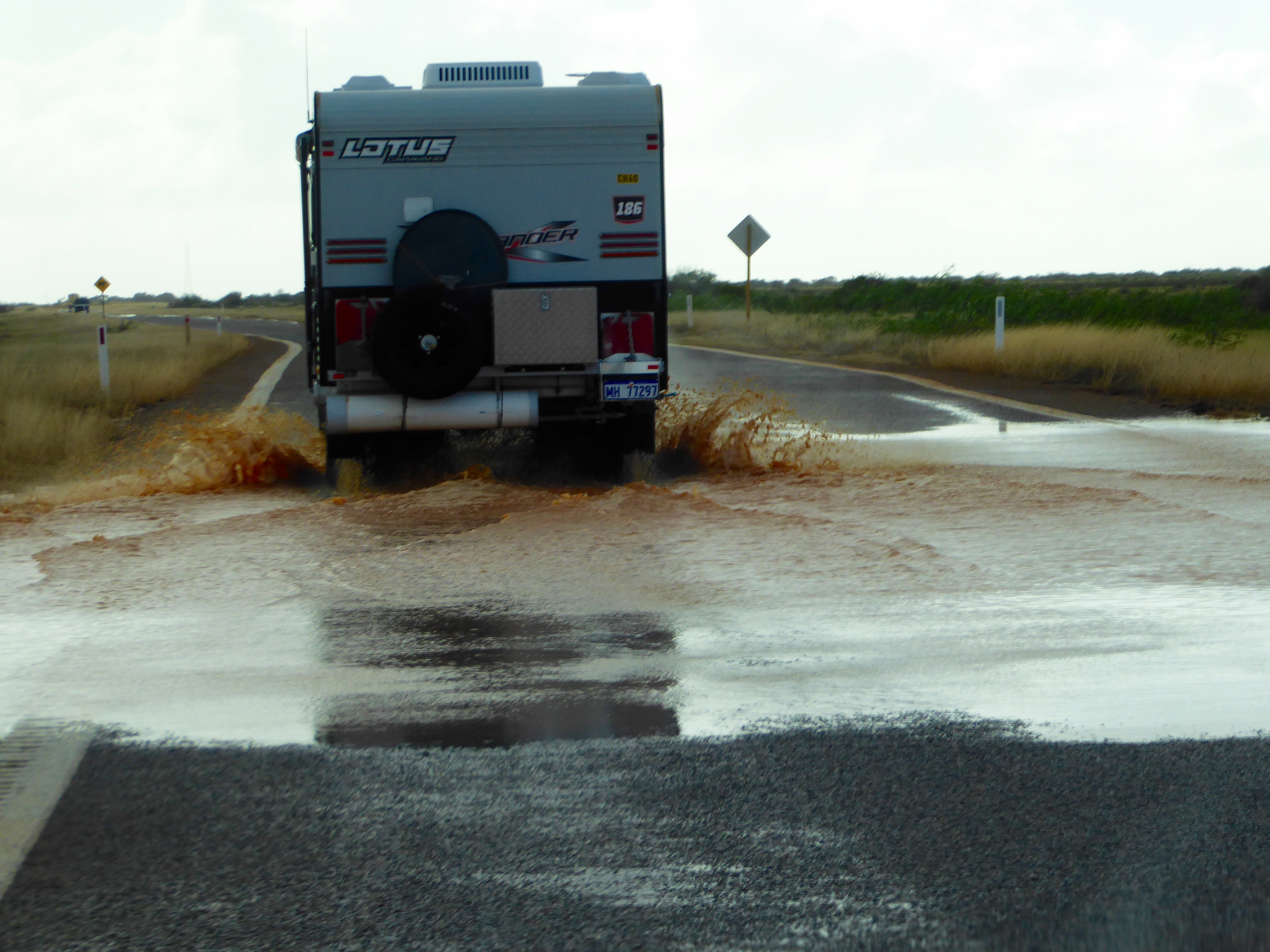
It was raining when Zeb, Eider, and the humans left Monkey Mia in Shark Bay, Western Australia.   The road was flooded in places, but we were able to drive through.

They drove through the water. So did we!

They drove through the water. So did we!

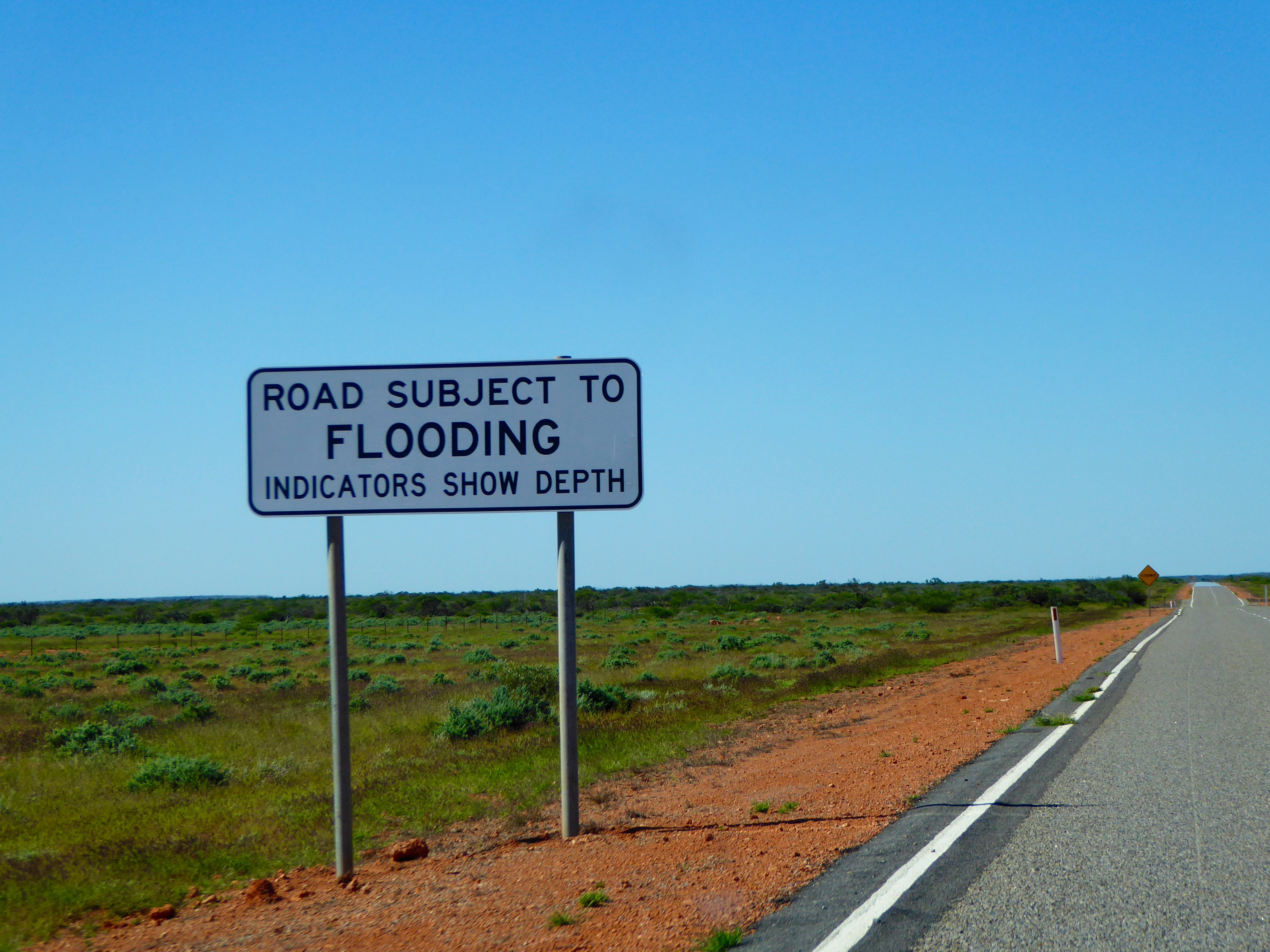
Apparently the roads flood a lot in the rainy season, and also in the drier winter.  This was a common sign along the road.

Common sign along the road

Common sign along the road

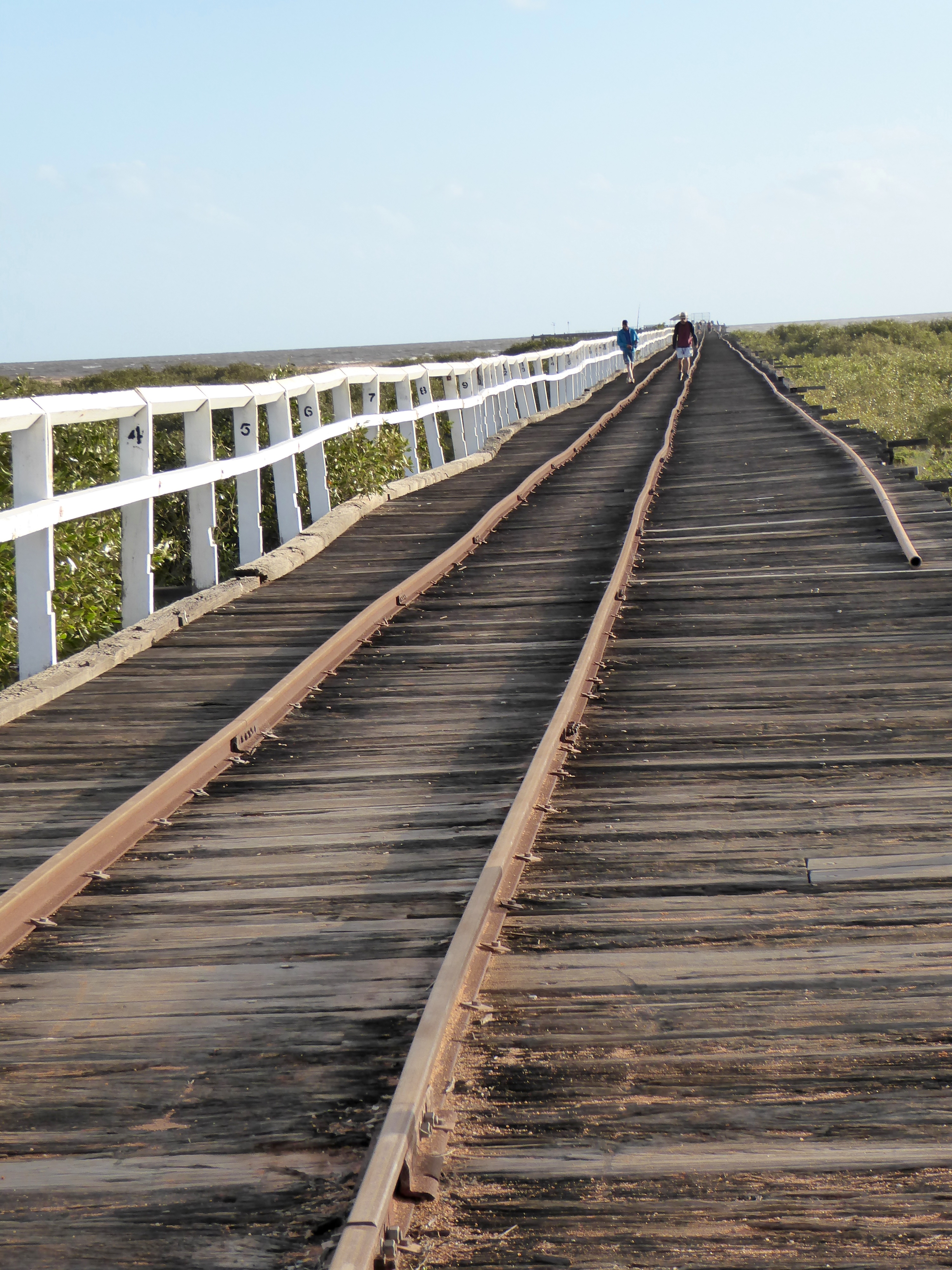
We are still driving north and decided to spend the night in Carnarvon.    Carnarvon is famous for its great climate and banana plantations.   Carnarvon is the commercial center for the rich Gascoyne district.   We went to the historic One Mile Jetty, built by Matthew Price in 1897.
Carnarvon's One Mile Jetty

Carnarvon’s One Mile Jetty

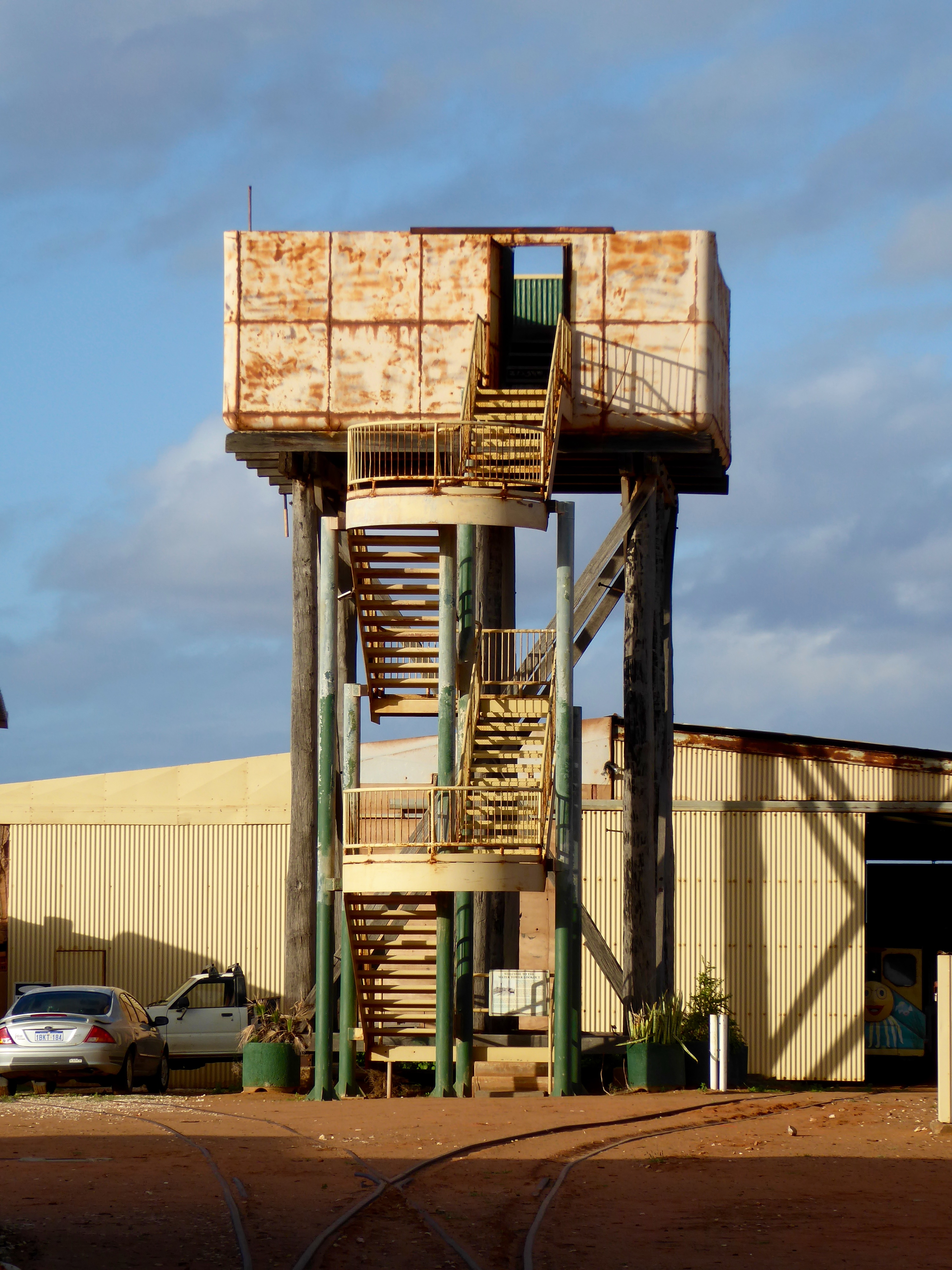
It was built to accommodate State Ships bringing supplies and passengers from Perth and allow the export of livestock and wool from the region.   Today there is great fishing from the jetty.   Nearby is the water tower lookout.

Water Tower Lookout

Water Tower Lookout

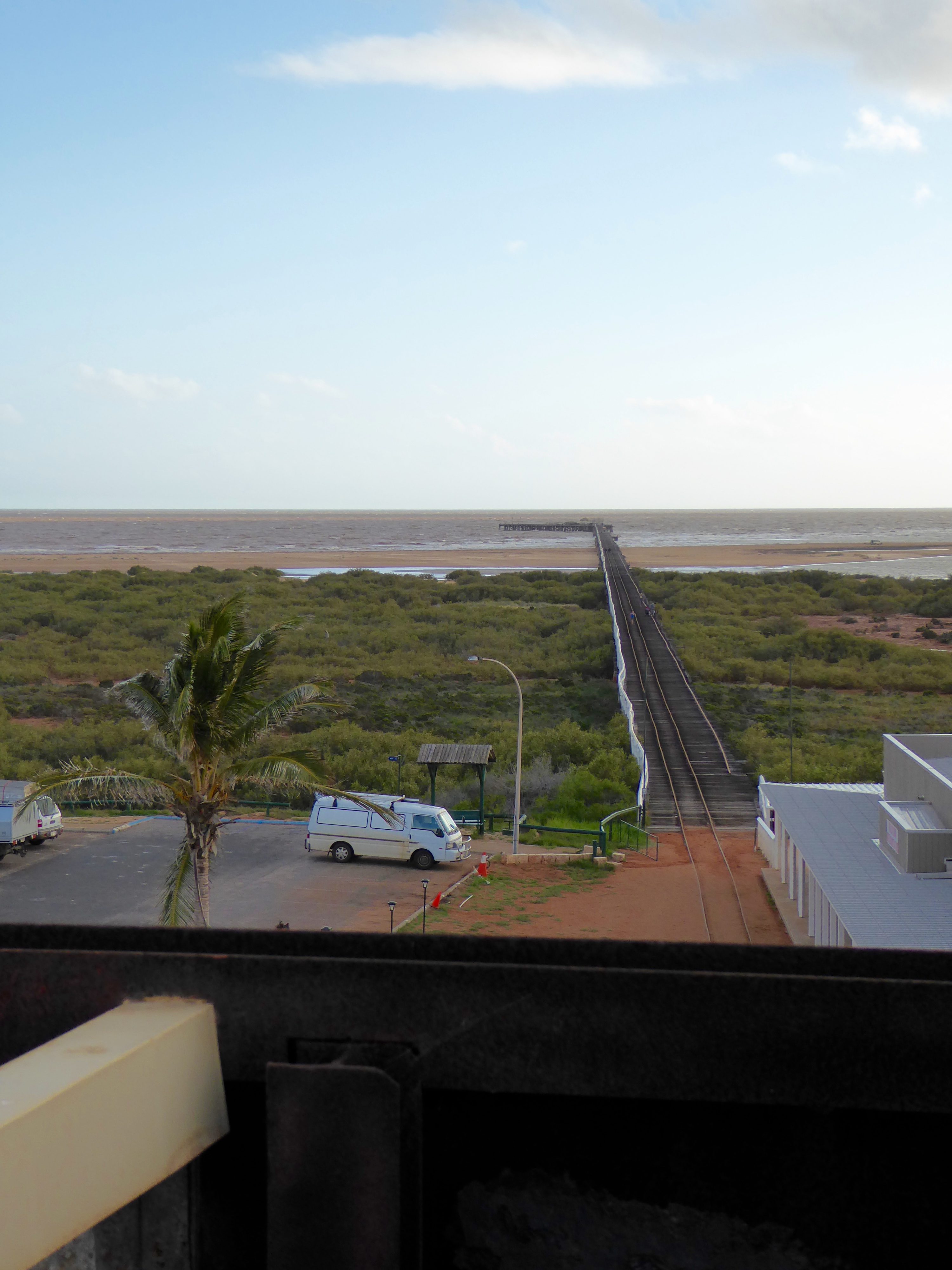
From this lookout we saw great views of the mouth of the mighty Gascoyne River.

Indian Ocean from Water tower lookout

Indian Ocean from Water tower lookout

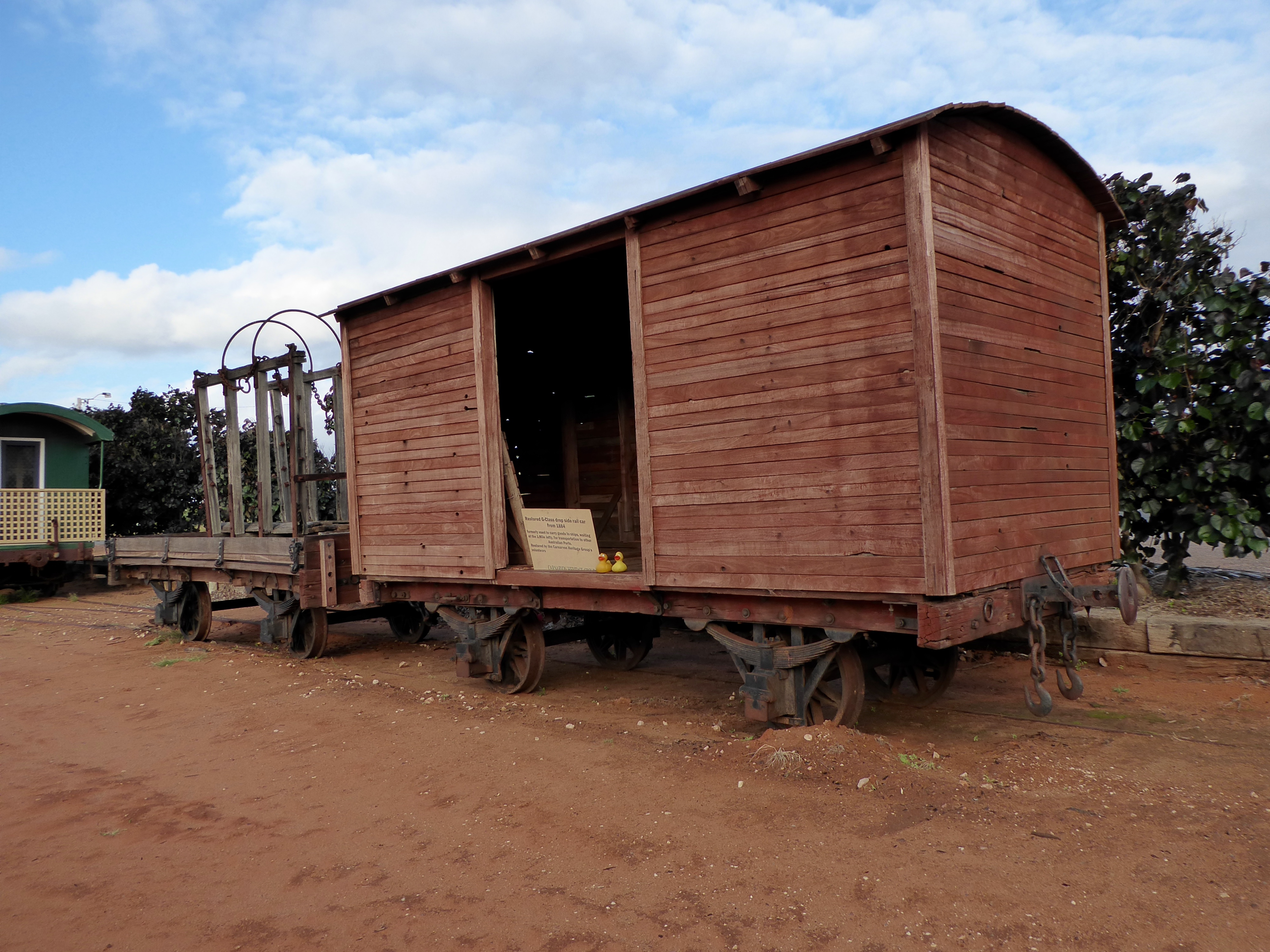
There is also a Railway Museum here.   We liked this restored G-Class dropside railcar from 1884.

Drop side rail car

Drop side rail car

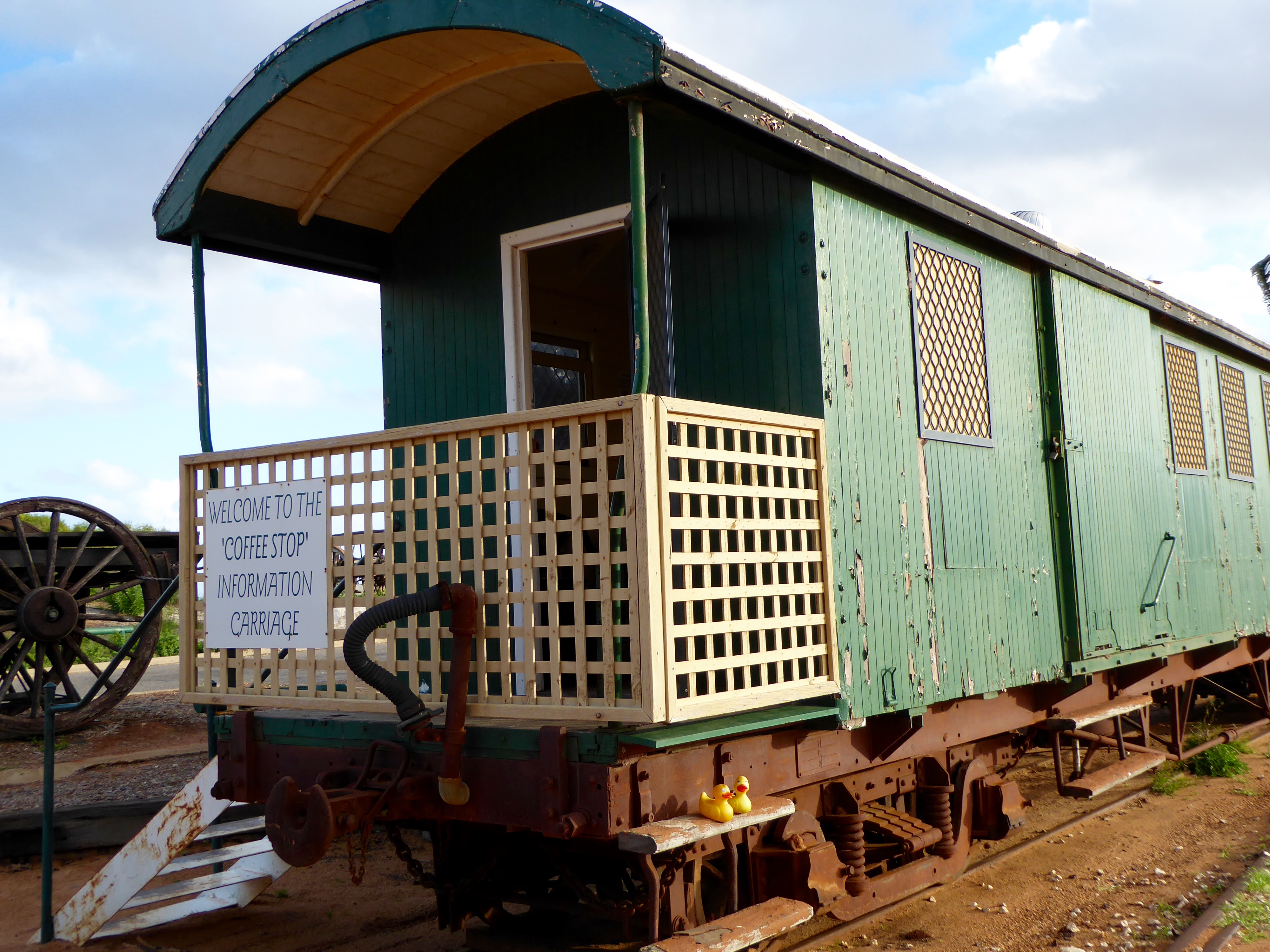
This information carriage was not open when we were here.

Information carriage

Information carriage

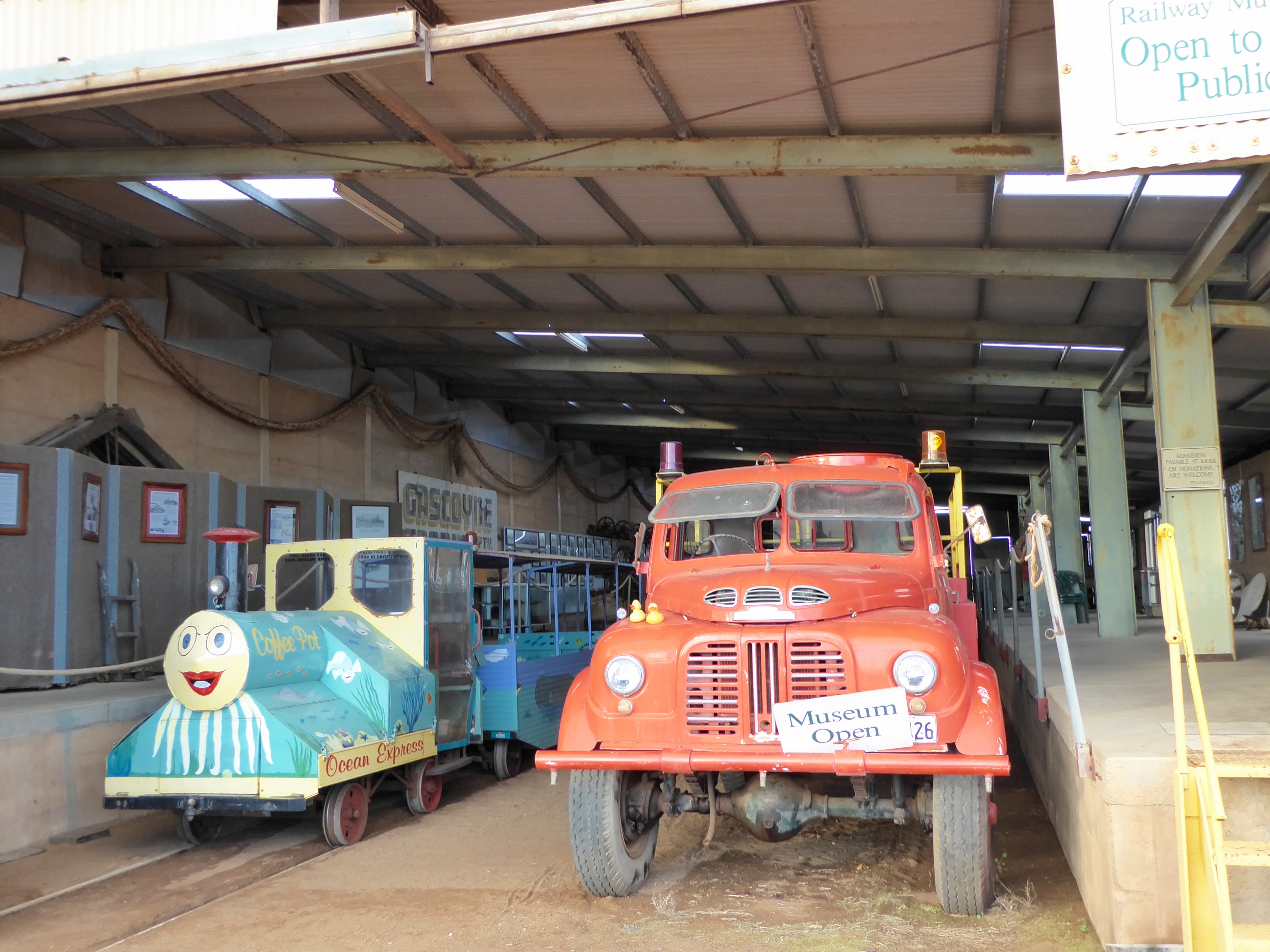
These vehicles were interesting.

We like these

We like these

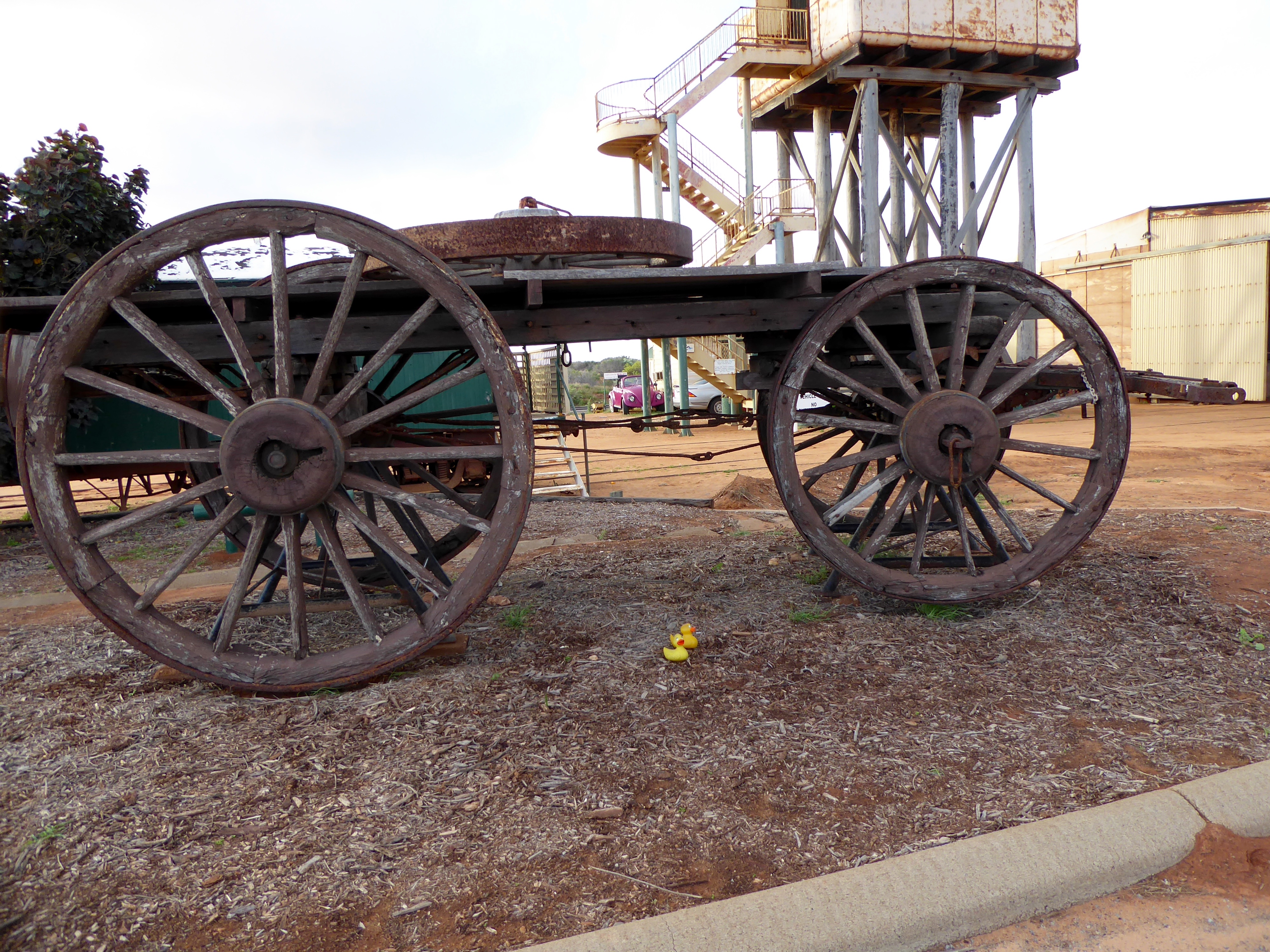
This wagon was much taller then Zeb and Eider.

Big wagon

Big wagon

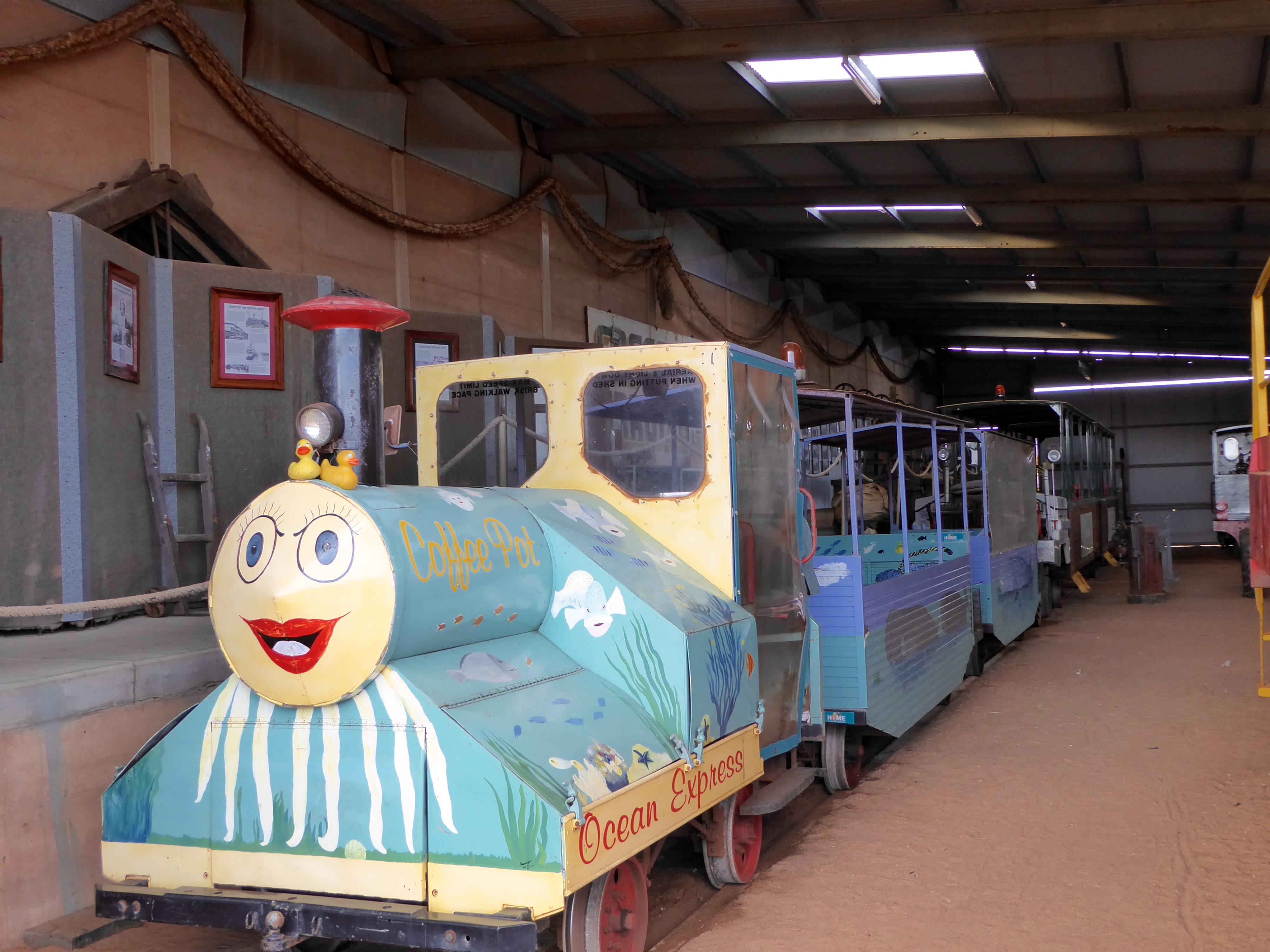
We especially liked this Coffee Pot train.

Looks like a fun ride

Looks like a fun ride

We could not stay longer in Carnarvon, but it was a very nice and interesting town on the Indian Ocean.

Zeb and Eider Visit Monkey Mia Resort at Shark Bay, Australia

The World Heritage Drive ends at Monkey Mia Conservation Park and Reserve.   Entering the reserve, we stayed Monkey Mia Dolphin Resort.

Monkey Mia Dolphin Resort

Monkey Mia Dolphin Resort

This resort is famous for dolphins.   The wild dolphins come into the bay.   The rangers at the reserve feed a few wild dolphins a little food each morning between 7:45 am. and noon.   The rangers greet the dolphins when they arrive, so there is no strict time schedule.   Like many tourists, we went to the beach at 7:45 am.

Waiting for the dolphins to come. Rain came first

Waiting for the dolphins to come. Rain came first

A couple dolphins came in, and then it stated to rain.   Most of the tourists, including our humans, left the beach.   We did see the dolphins and they are beautiful animals.

Wild dolphins

Wild dolphins

This pelican was on the beach also.

Matching blue feet

Matching blue feet

We like his blue feet; they seem to match the human feet with blue shoes.   From our patio, we enjoyed watching the ocean.

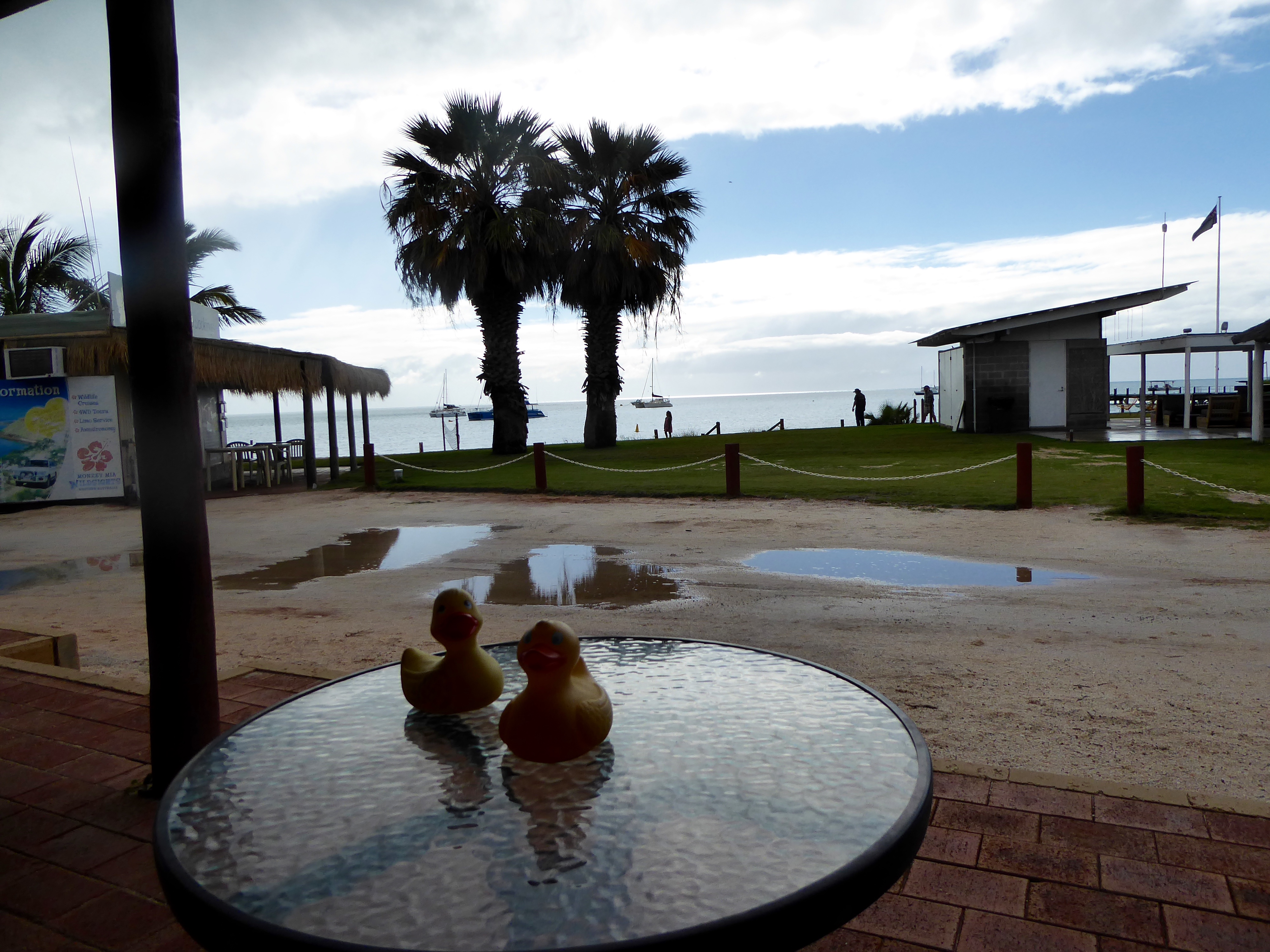
From our patio

From our patio.   After the rain

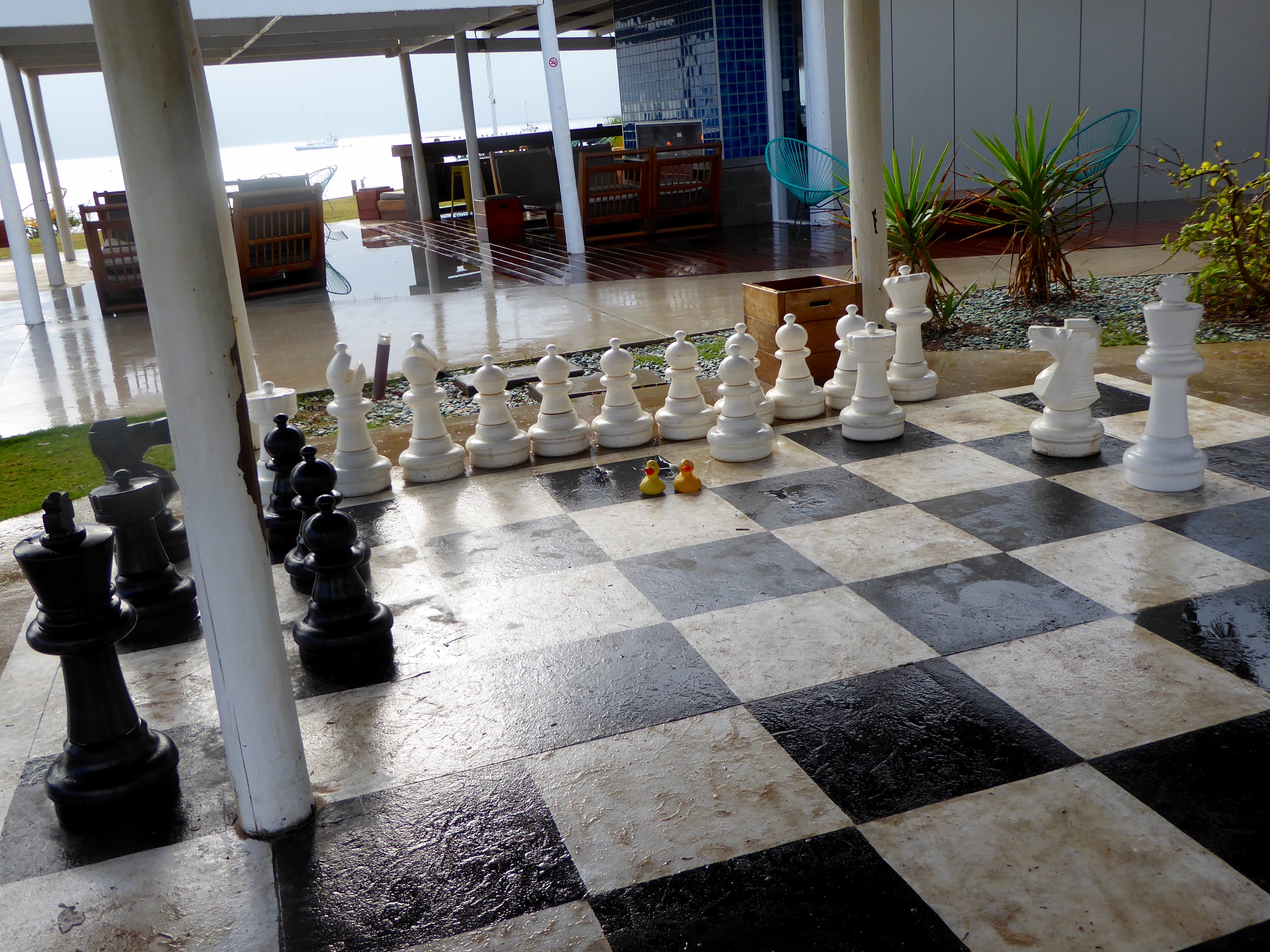
Monkey Mia Dolphin Resort has many thing for humans to do.   Chess anyone?

Help us play chess. We cannot move the pieces

Help us play chess. We cannot move the pieces

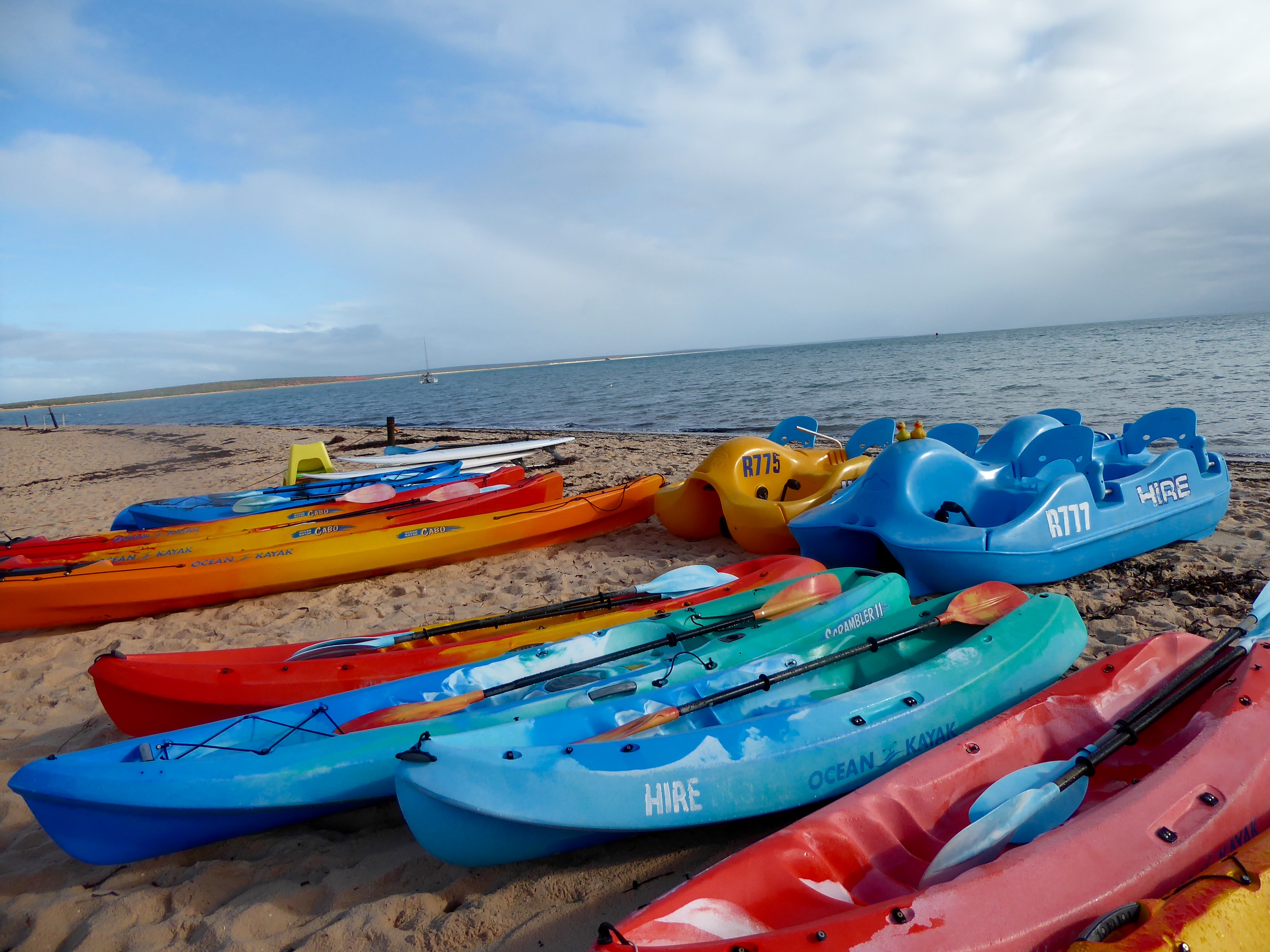
Anyone want to rent a canoe or kayak and go on the ocean?

Let's get a kayak

Let’s get a kayak

Let’s go swimming when the sky clears.

The sky will become clear and the sun will shine

The sky will become clear and the sun will shine

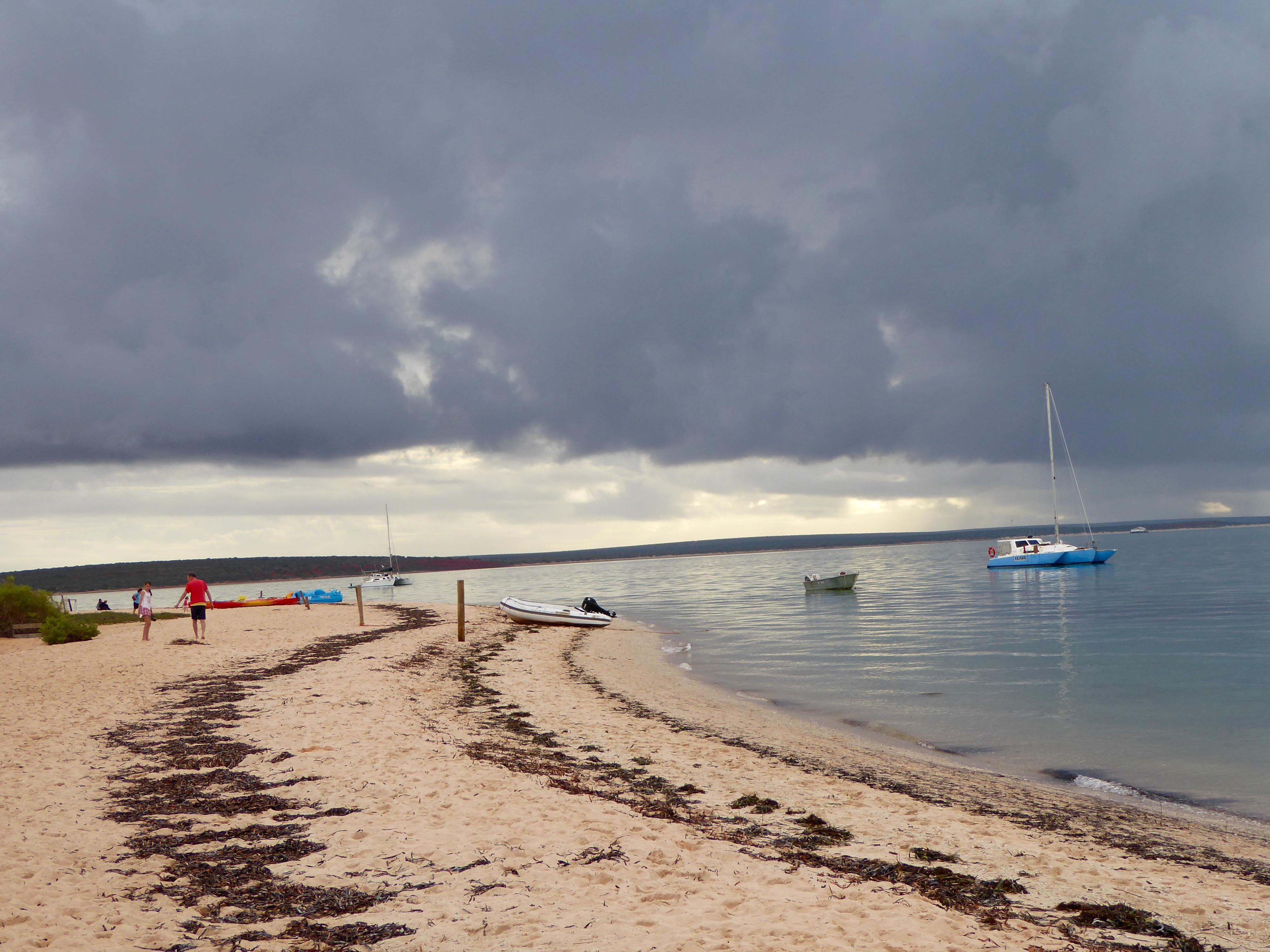
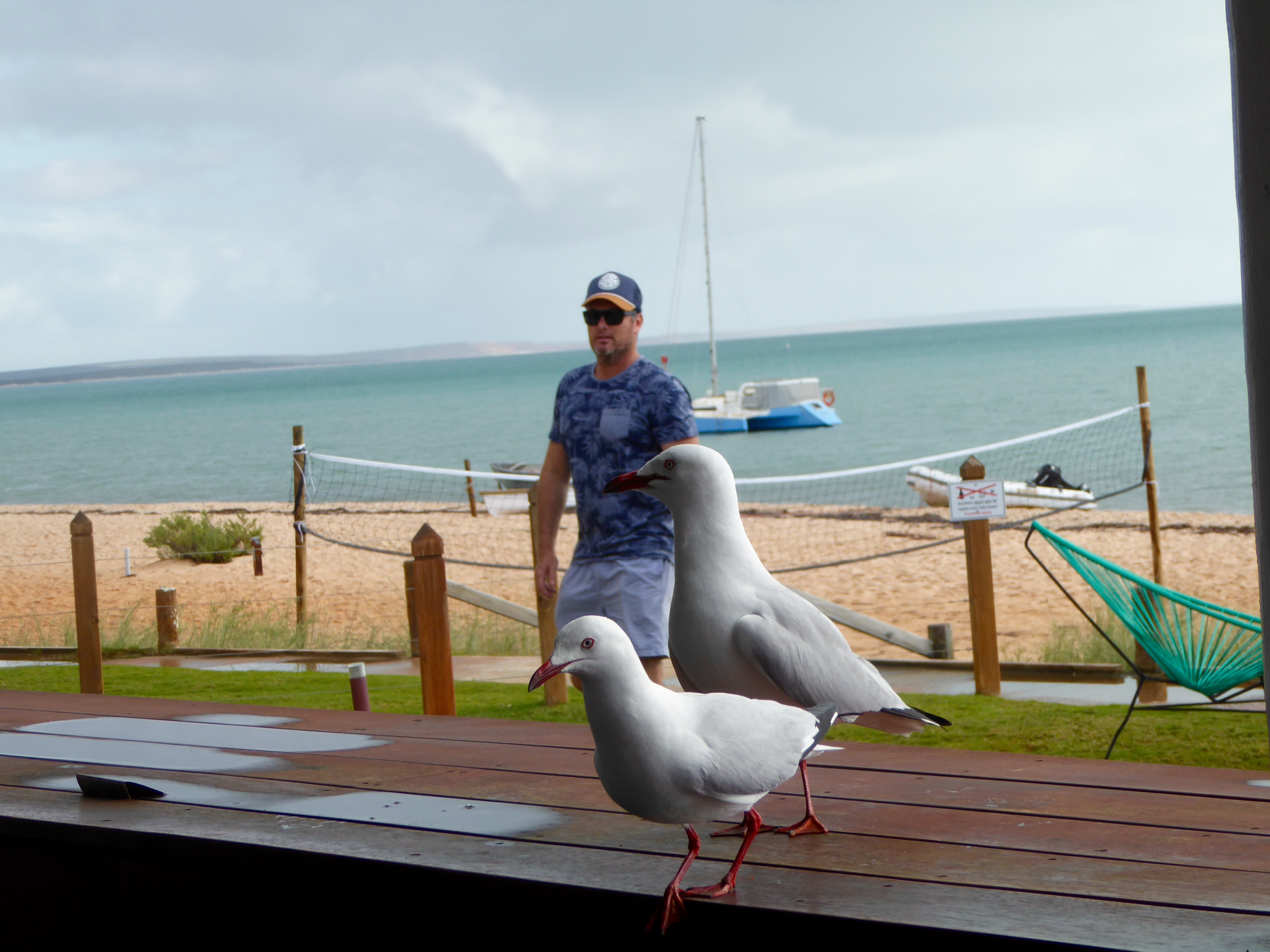
Maybe beach volleyball or join the seagulls at the outdoor bar?

Come have a drink with us

Come have a drink with us

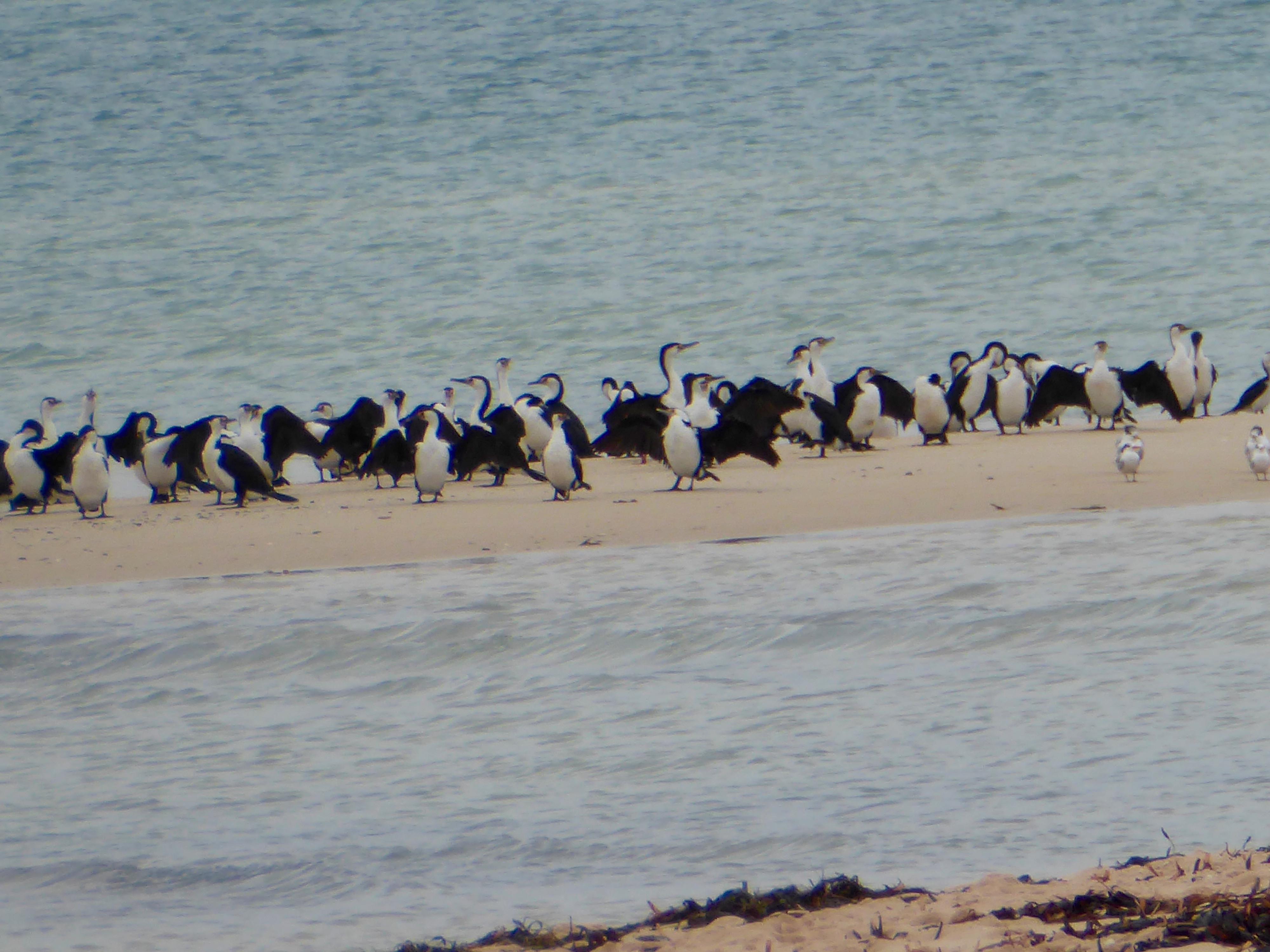
You can always be entertained by the many pelicans near the resort.

So many pelicans here

So many pelicans here

How about food?  You can sit outside by the fireplace and enjoy  meal, or of course, you can enjoy your food inside.   This fireplace is visible from both sides.

Cozy fireplace behind us

Cozy fireplace behind us

For more information visit http://www.monkeymia.com.au   We enjoyed our brief stay at Monkey Mia, even though it was rather rainy.   Mom said if we are even back in this part of Australia we will definitely stay here again.

Art and Music Festival at Sloan’s Lake with Zeb and Eider Duck

I, Zeb the Duck, enjoyed Denver’s Art and Music Festival at Sloan’s Lake.

Here we are at the Art & Music Festival

Here we are at the Art & Music Festival

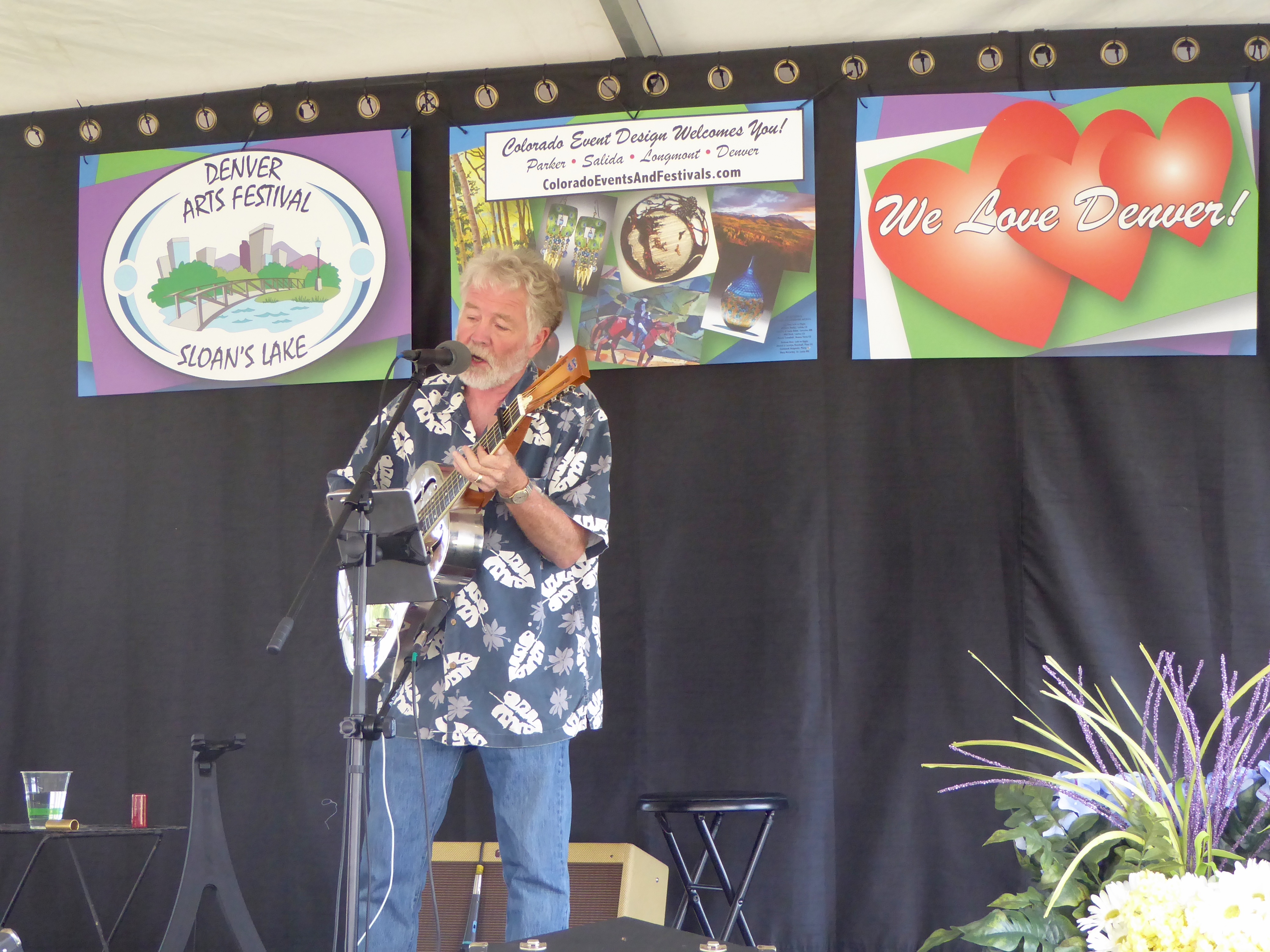
Mom and I listened to Steve Werges play the guitar and sing.

Steve is entertaining us and several others

Steve is entertaining us and several others

Walking around the festival, we admired these photographs.

Fine Art Photographs

Fine Art Photographs

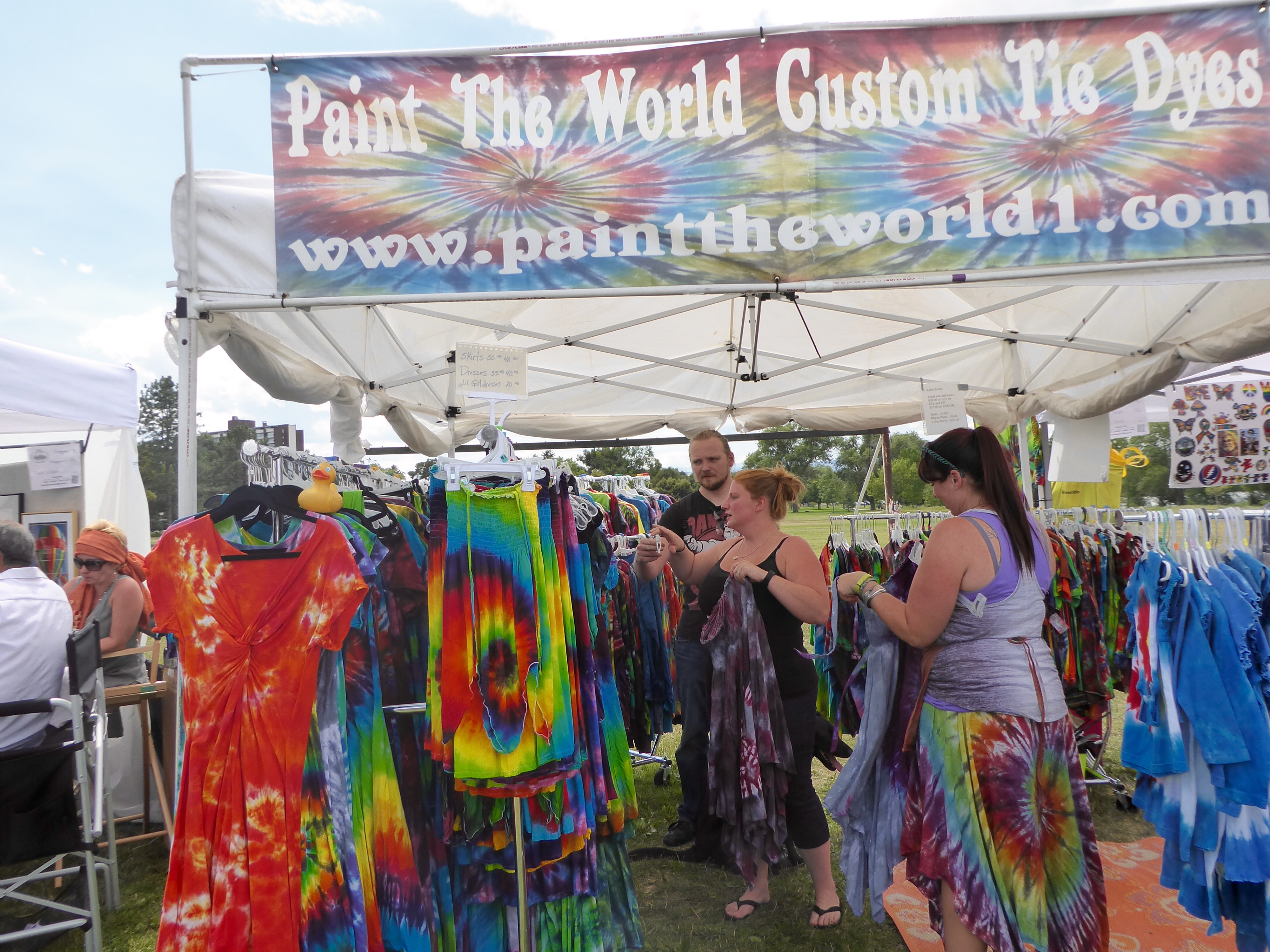
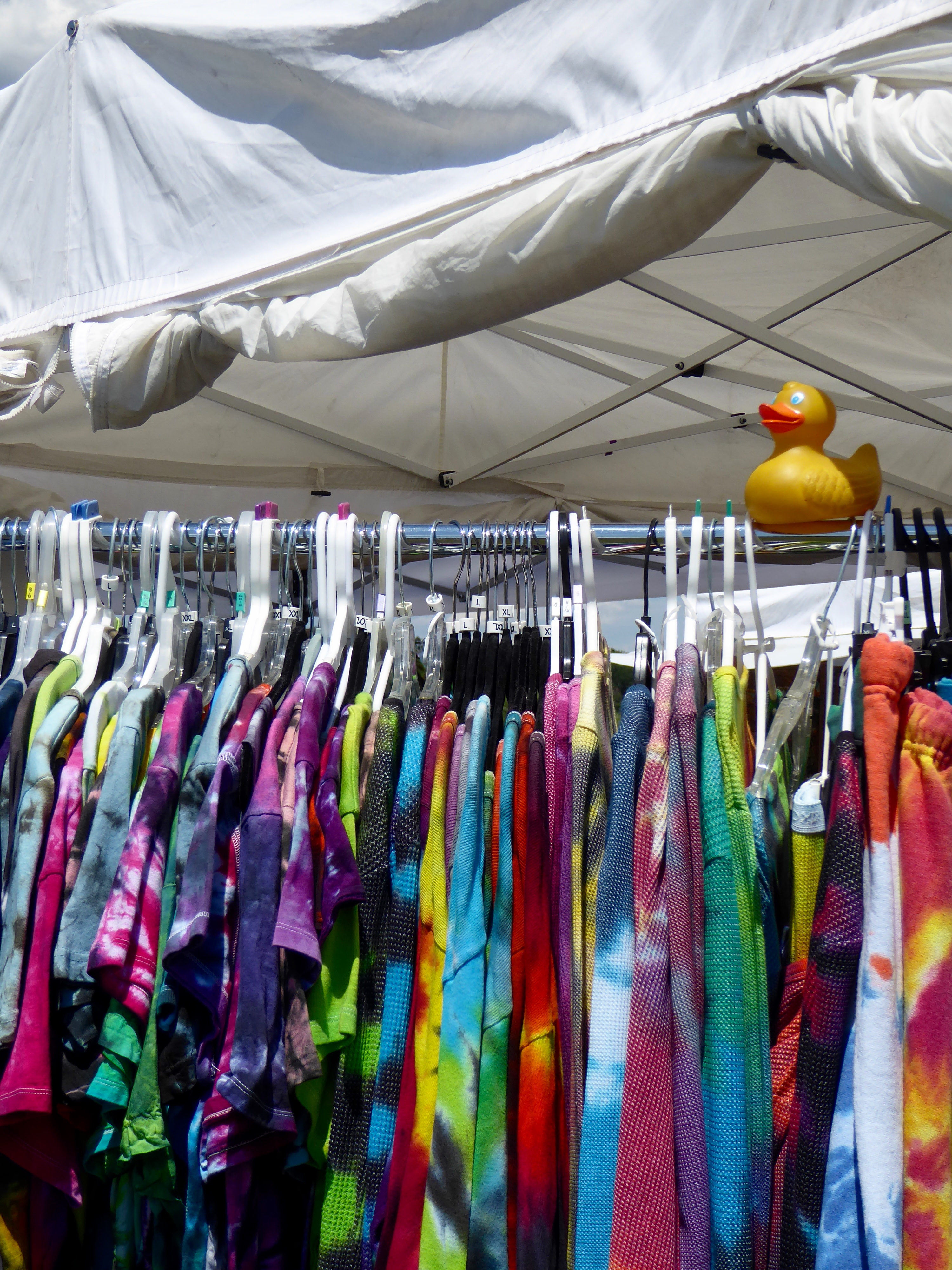
Aren’t they great?   Paint The World Custom Tie Dyes had lots of stuff.

Tie Dyed

Tie Dyes

We liked these dresses,

Colorful dresses

Colorful clothes

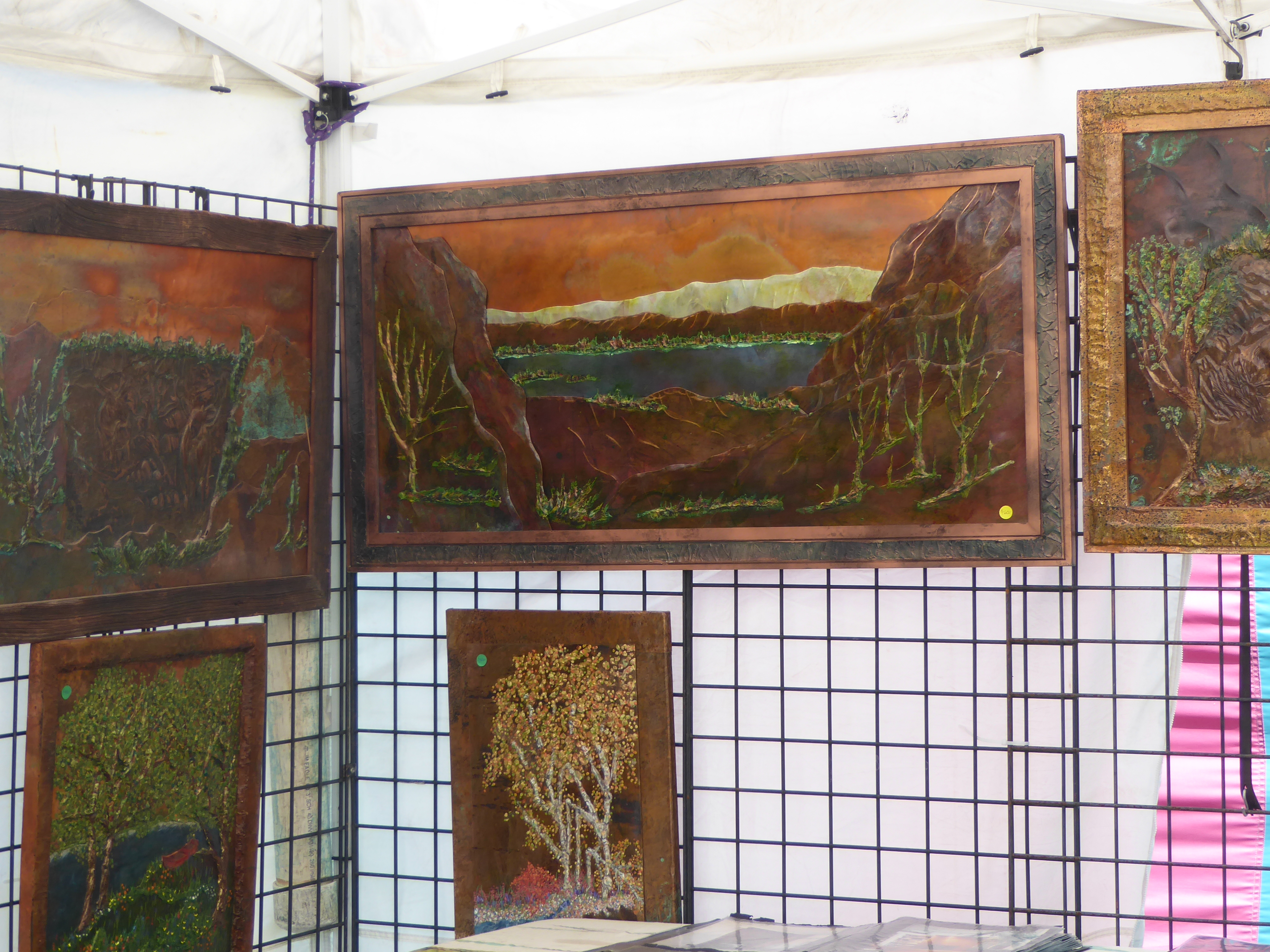
but mom did not bring any home.  We talked to Keith of Lars Metal Art and admired his pictures.

Metal art from Lars Metal Art

Metal art from Lars Metal Art

These are made of metal.   Many are copper that he pounds from the back.   This one is multiple layers of copper to show depth.

Lars Metal Art Multiple layers of copper

Lars Metal Art Multiple layers of copper

He also designs and mounts backsplashes and doors for your home.   His art is amazing.   Visit http://www.larsmetalarts.com   We really like it and we like Keith.   These bowls are porcelain pottery.

Porcelain pottery

Porcelain pottery

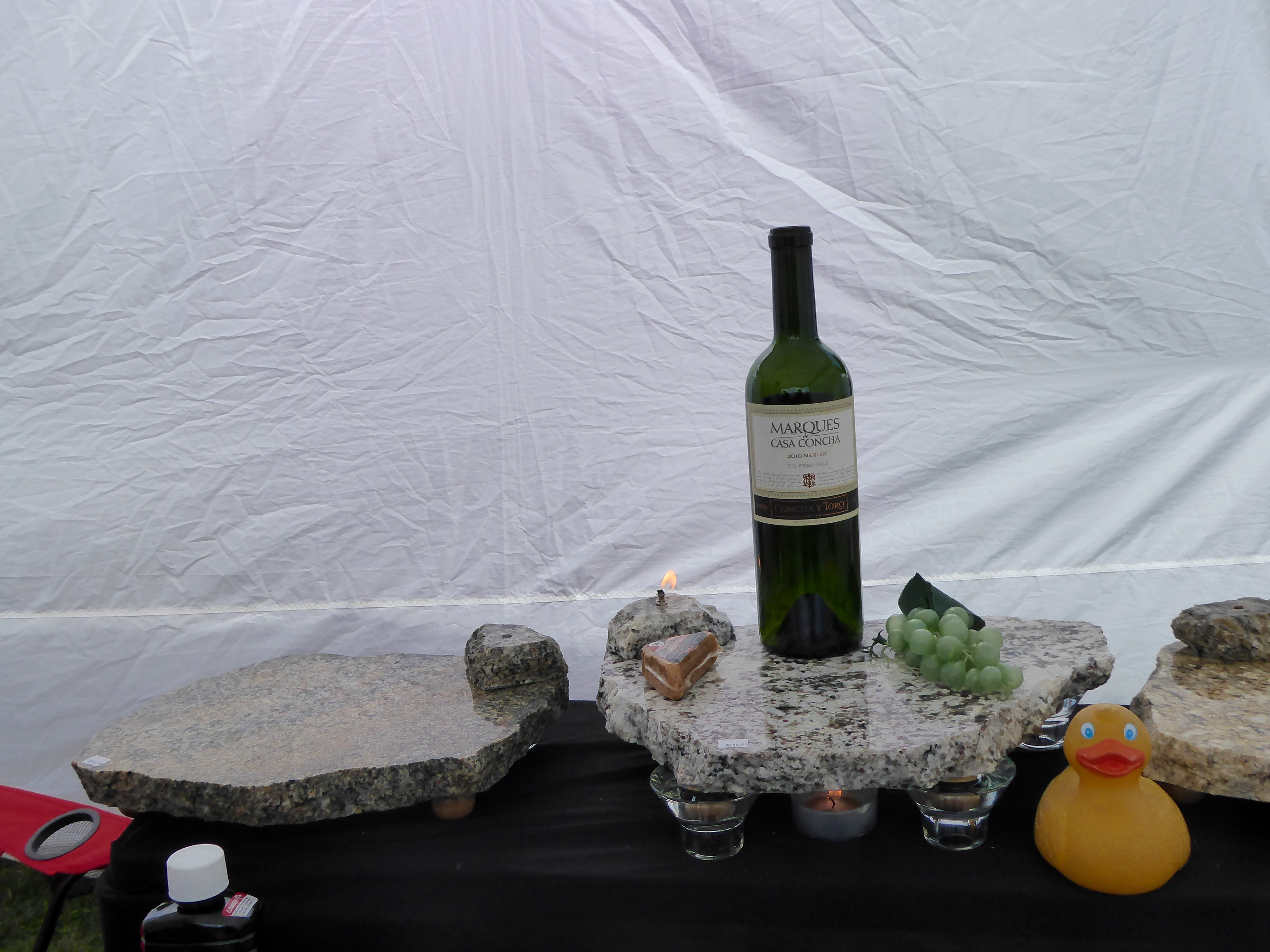
These are made in Pine, Colorado (about 45 miles from Denver).   The artist said the bowls are very nice filled with water and floating candles.   Next we admired granite serving platters from Rough Around the Edge.    Visit http://www.RoughAroundTheEdge.com   The granite can be heated or cooled and will hold the temperature for hours.

Granite Serving Tray from Rough Around the Edge

Granite Serving Tray from Rough Around the Edge.   Being heated with candles

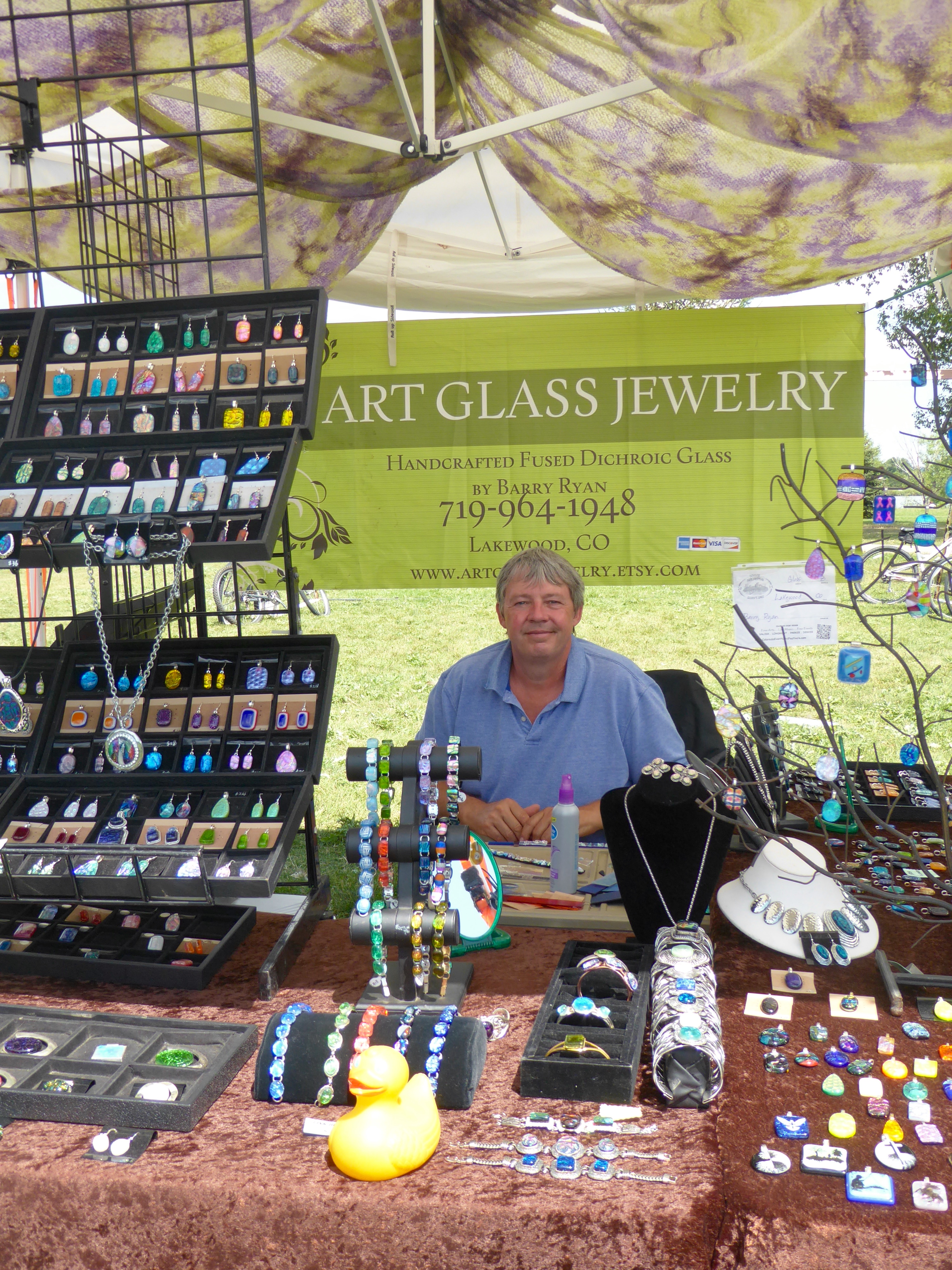
These great trays are attractive and also very useful.   Many also have small candle holders.   The wick will never burn out and the small reservoir is fill with oil that burns.   Very nice!   This is Barry from Art Glass Jewelry.

Barry makes Art Glass Jewelry

Barry makes Art Glass Jewelry

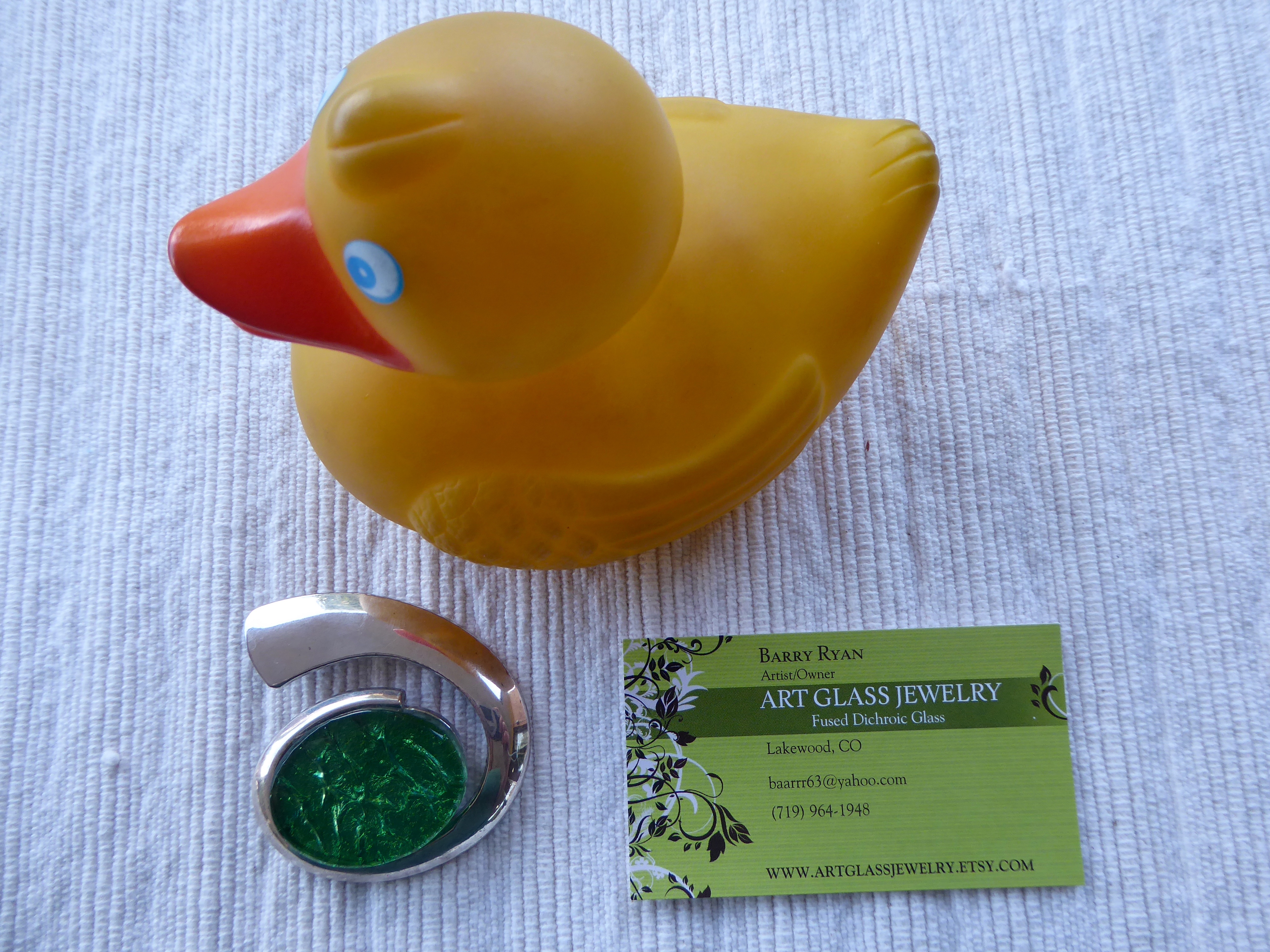
His jewelry is made of layers of fused glass.   Visit him at http://www.ArtGlassJewelry.etsy.com   Mom just couldn’t resist.   This pendant now lives at our house.

Mom bought this pendant

Mom bought this pendant

It really is pretty.   Cliff of CSimmons Fine Art & Photography Studio takes great photographs and then makes  painting from the photos.   He also makes cards with some photos.   We loved this squirrel.

This squirrel lives with me now

This squirrel lives with me now

He is just like the ones in our yard.   Visit Cliff on Facebook at cliff@csimmonsartstudio.com   So this greeting card came home with us also.  As we were leaving, we saw all these tall sculptures.

Tall sculptures

Tall sculptures

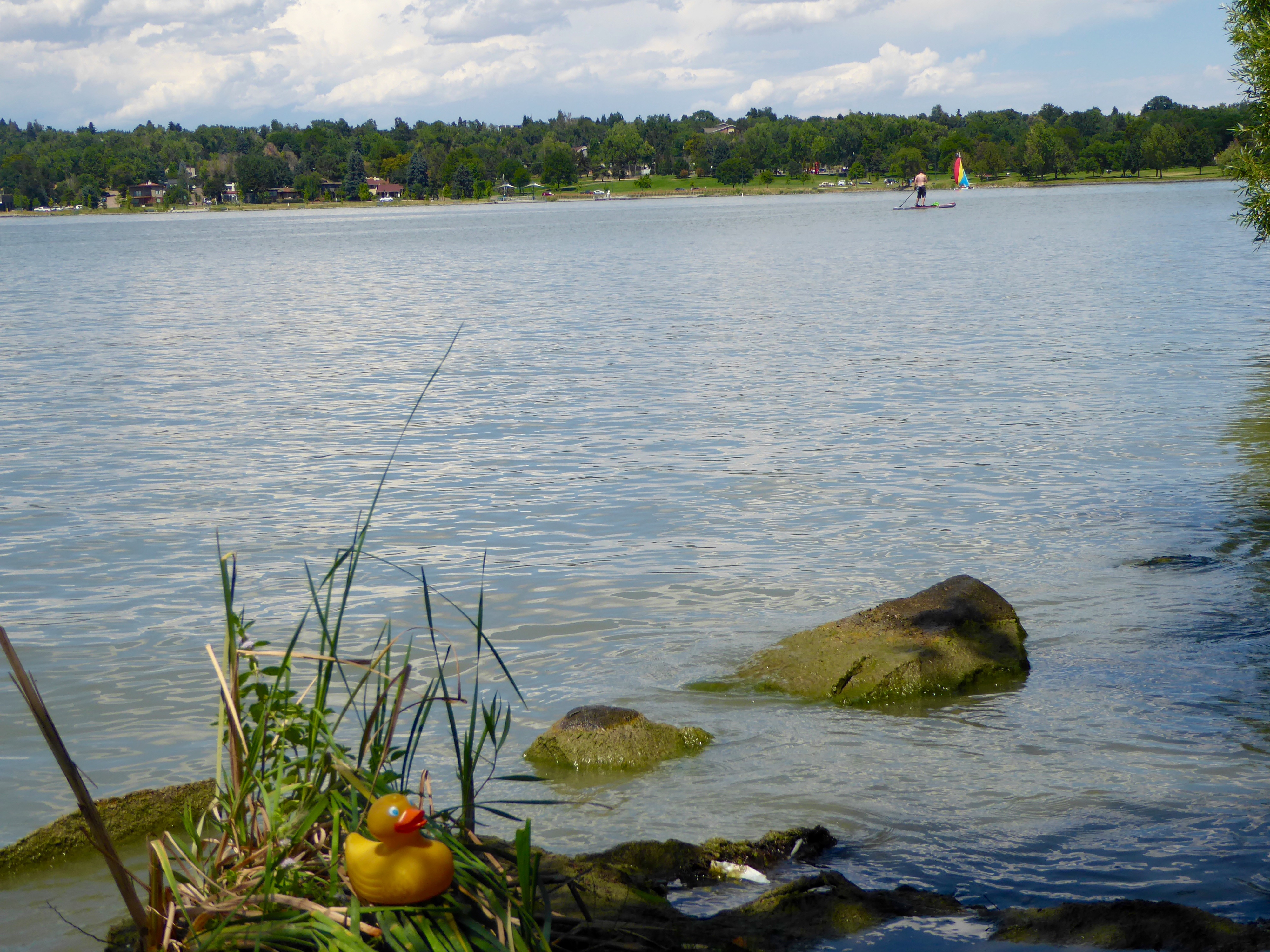
I like them!   And, in case you were wondering, this festival was at Sloan’s Lake in Denver, and there really is a lake here.

It is a rather large lake

It is a rather large lake

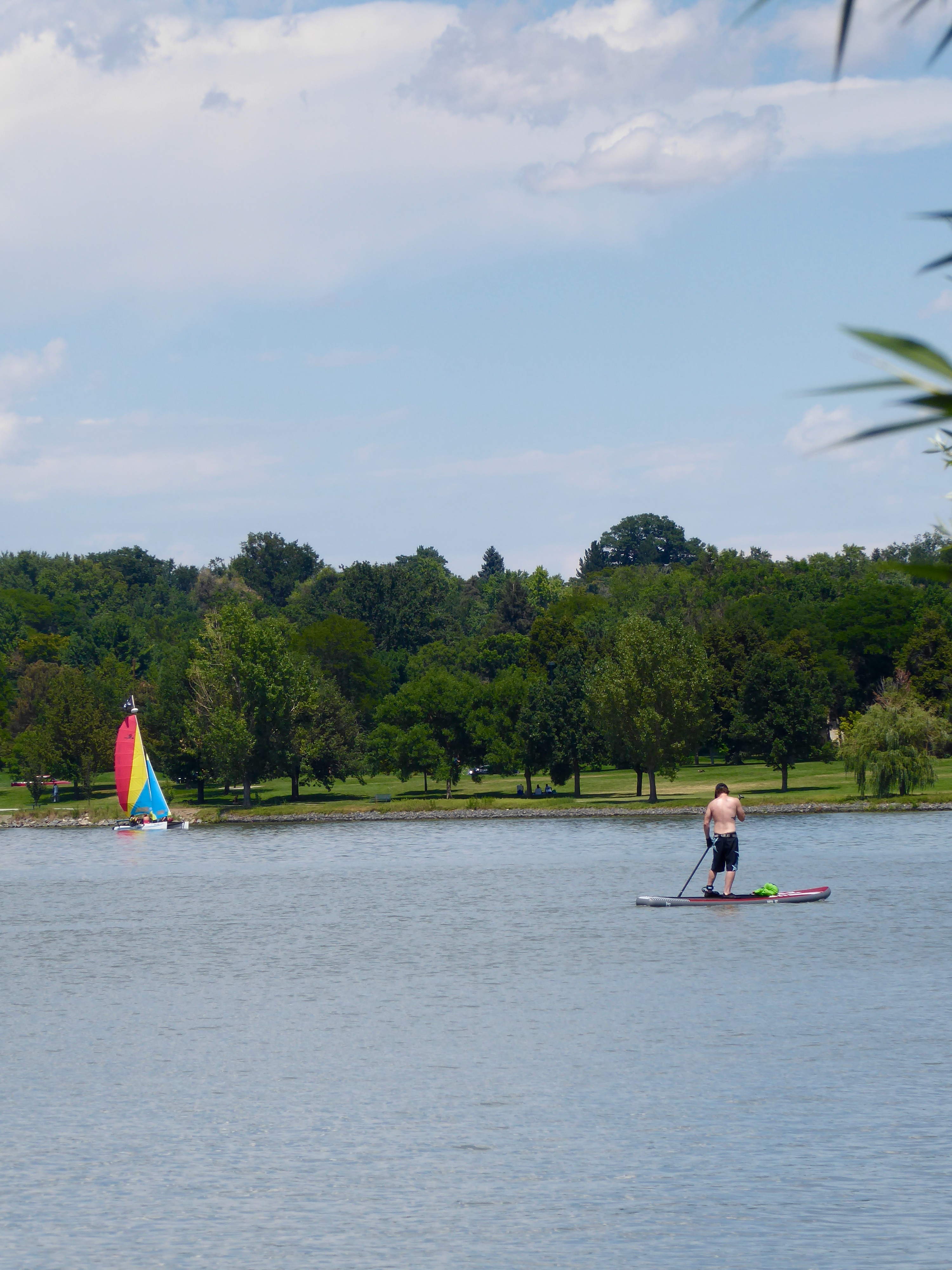
It is a rather large lake with a sidewalk trail for hiking.   Water sports are here also.   We like the stand up paddle boarding and the sailboat.

Water sports at Sloan's Lake

Water sports at Sloan’s Lake

You would like to visit Sloan’s Lake.   We do.


Shell Beach at Shark Bay World Heritage Site with Zeb and Eider

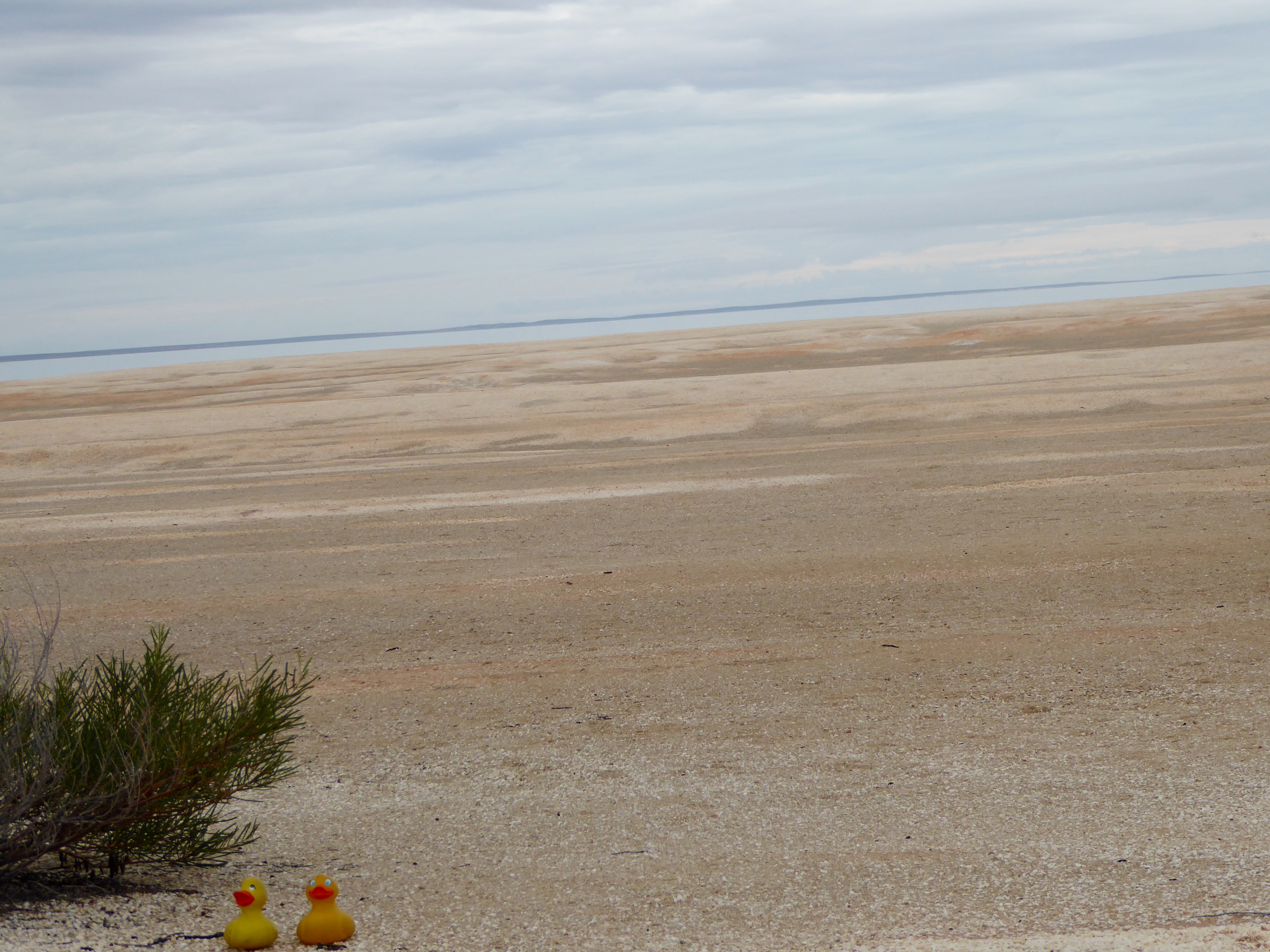
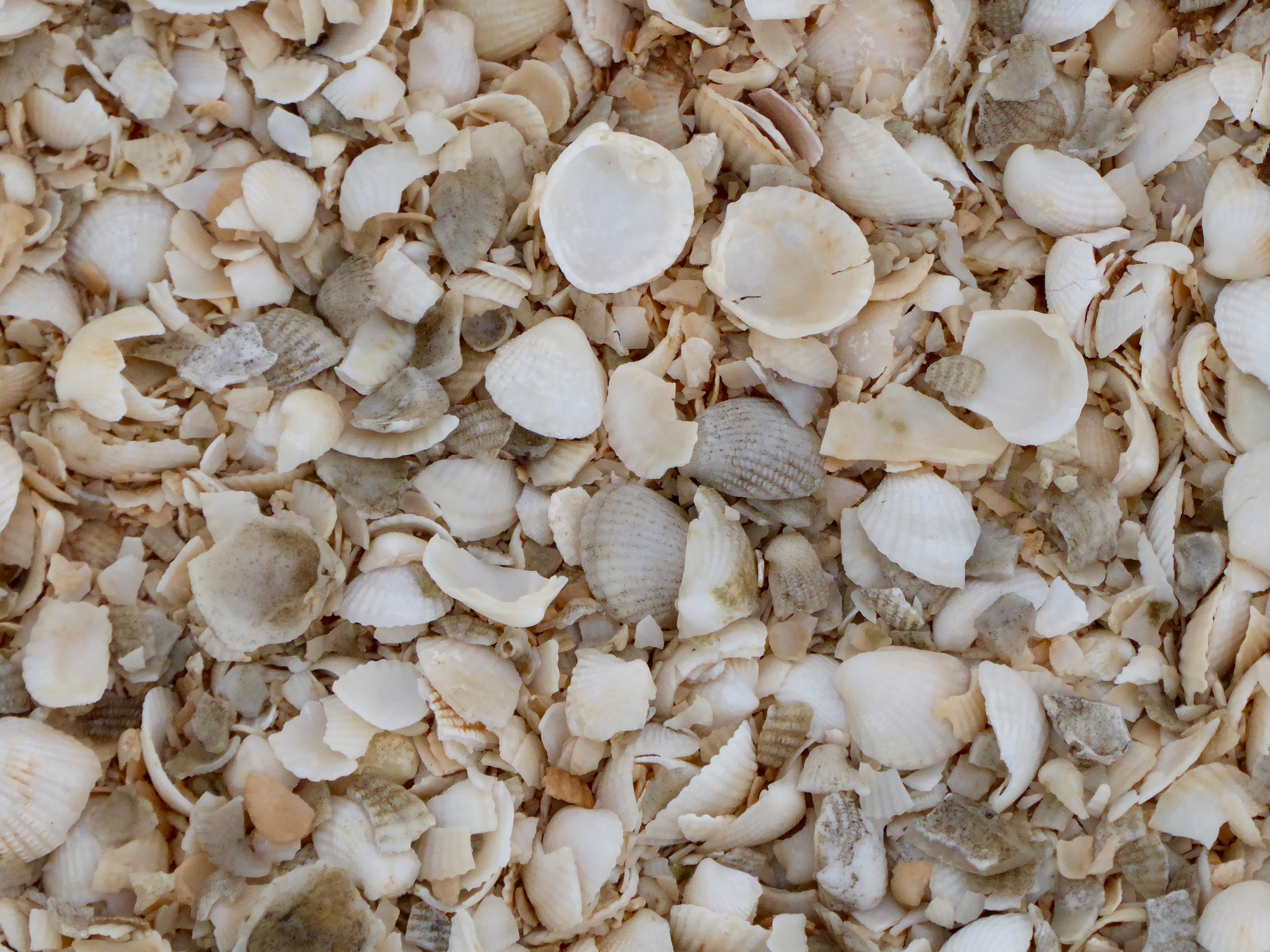
Zeb and Eider Duck, with the humans, visited Shell Beach.   We have never seen anything like this before.   The beach is entirely made up of billions of tiny cockle shells layered up to ten meters deep.   The beach stretches for 120 kilometers.

Shell Beach is huge

Shell Beach is huge

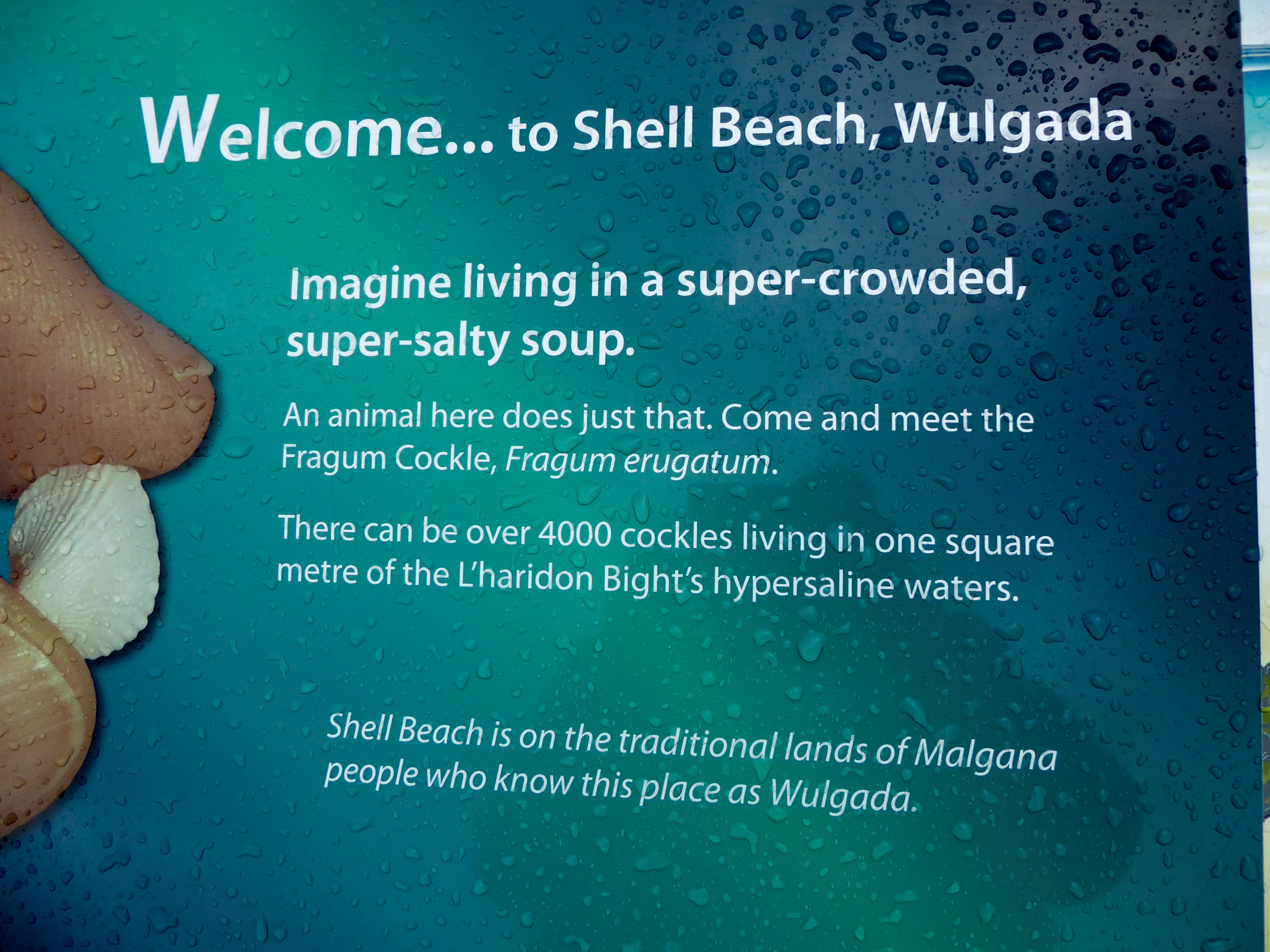
Upon entering Shell Beach we started reading the information signs.

One of many signs at Shell Beach

One of many signs at Shell Beach

The first one started “imagine living in a super-crowded super-salty soup”.   The Fragum Cockle does that.   There can be over 4,000 cockles living in one square meter of the very salty water.   The water in Hamelin Pool, which includes Shell Beach, is about twice as salty as normal ocean water.   The water here arrives from the ocean and the evaporation rate is so high, that a higher salt content results.

Sitting on shells by the edge of the salty water

Sitting on shells by the edge of the salty water

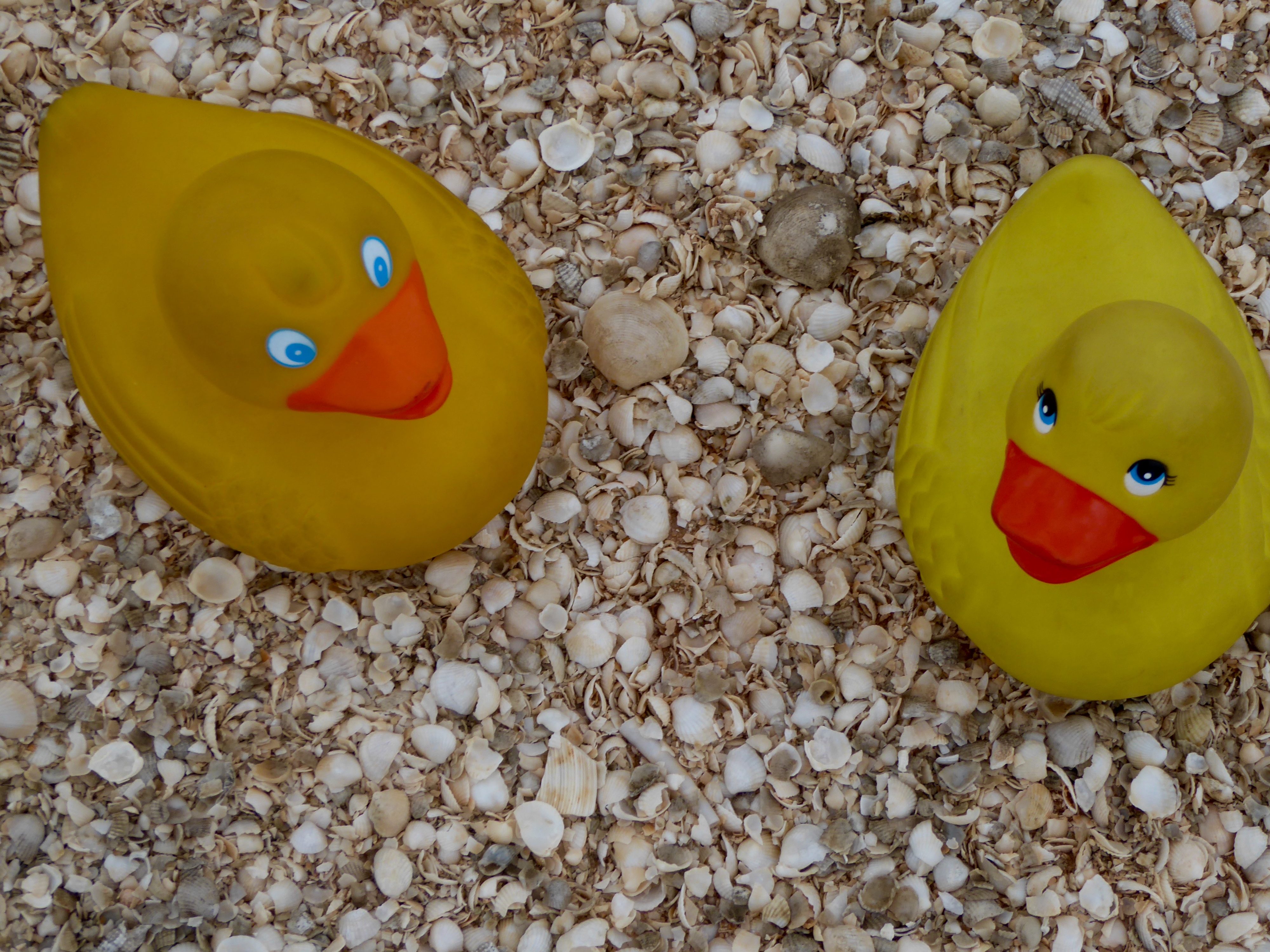
Closer to the water, there are more loose shells.   You can see us sitting on the many shells.

Individual shells

Individual shells

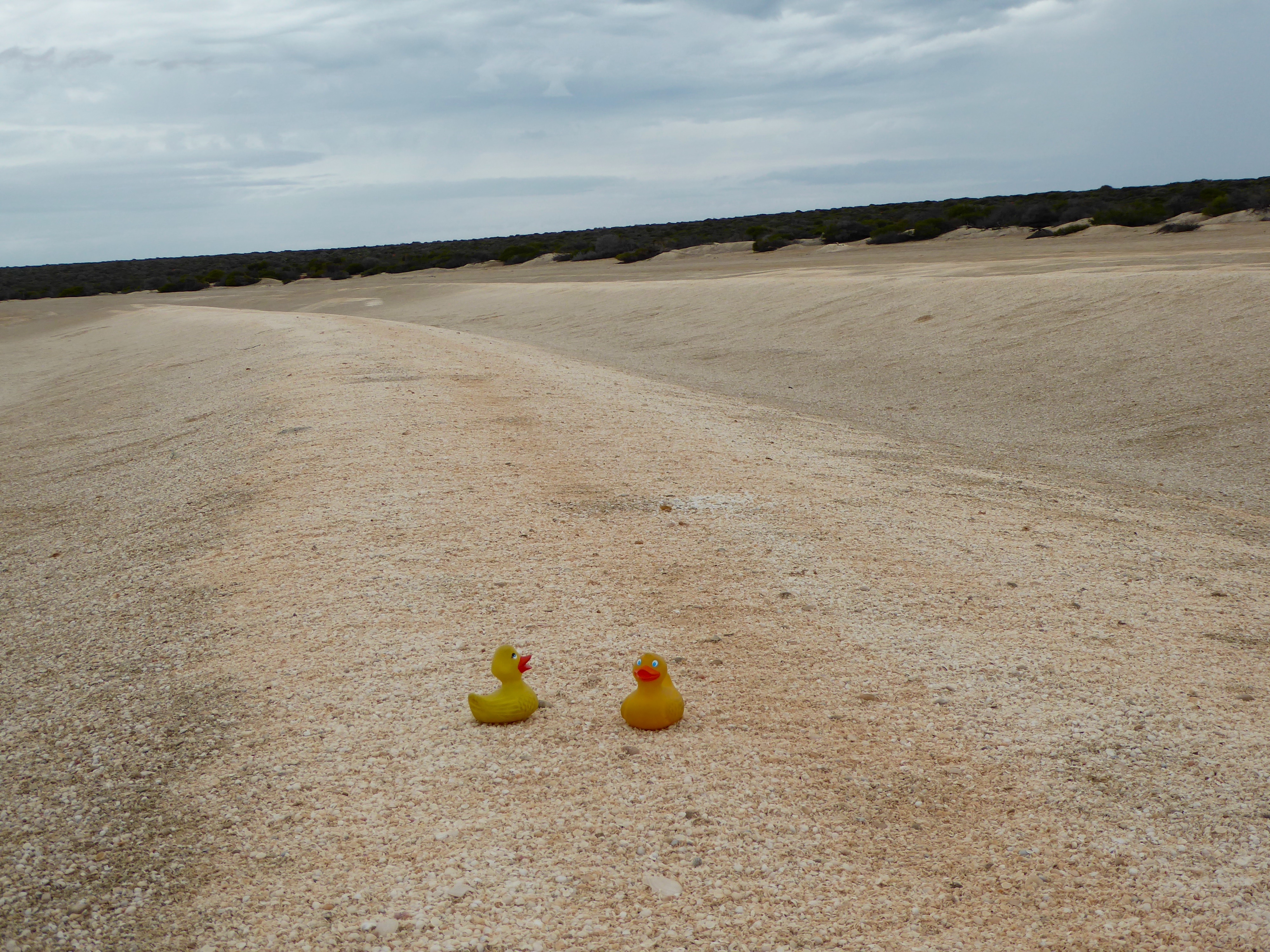
Further from the water, the Shell Beach has dips, looking like waves.

Shells form ridges similar to waves

Shells form ridges similar to waves

This beach is really made of shells.

Millions of shells here

Millions of shells here

These shells can be made into building blocks

Sitting on shell blocks

Sitting on shell blocks

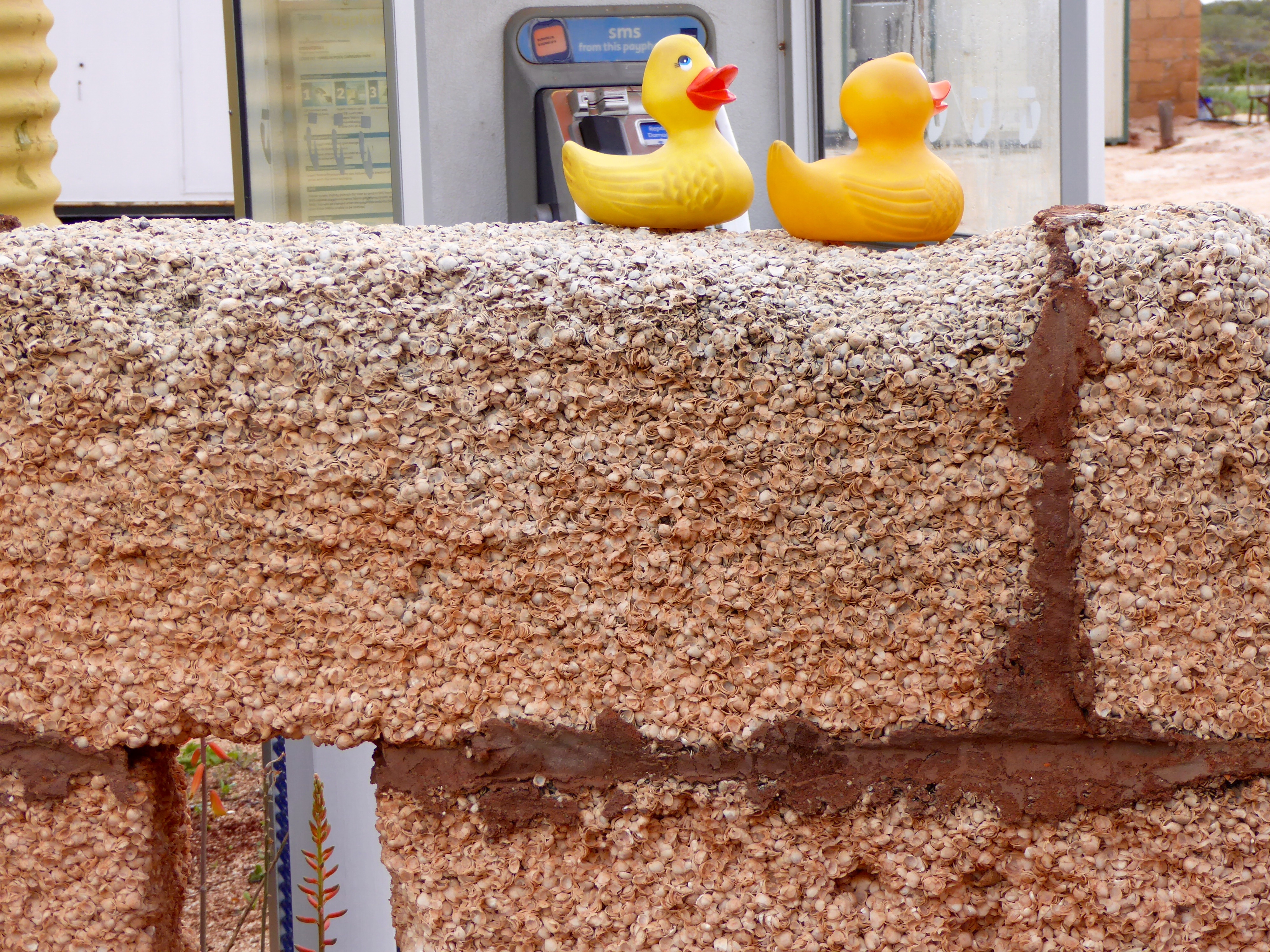
They can adhesive together and are very strong   Many buildings are made entirely or partly with shell blocks.   These are shell blocks.

Shell Blocks at Hamelin Pool

Shell Blocks at Hamelin Pool

You can see the individual shells that make up the blocks.

Shells adhesive together to form shell blocks

Shells adhesive together to form shell blocks

Shell blocks were the main building material for many of the homesteads.   Shell block is a wonderful insular.    Isn’t this a pretty beach?

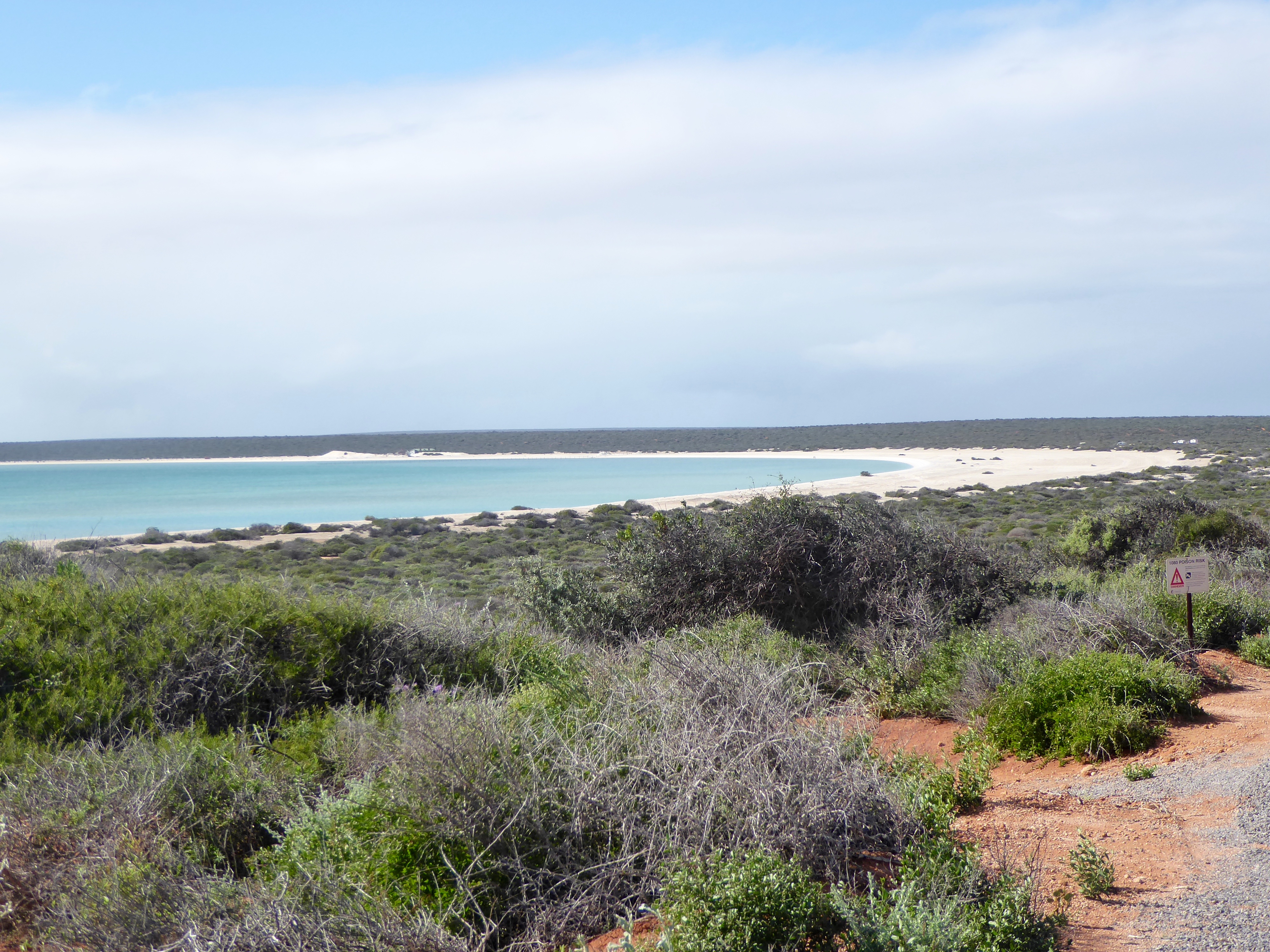
Shell Beach from the Heritage

Shell Beach from the World Heritage Drive

It is Shell Beach from a higher lookout point on the World Heritage Drive.   We liked Shell Beach, but for humans walking without shoes, the shells are rather sharp and cause some pain.

Shark Bay in Western Australia with Zeb and Eider Duck

Shark Bay is a World Heritage Site on the western coast of Australia, and we are going to visit.

Entering Shark Bay World Heritage Site

Entering Shark Bay World Heritage Site

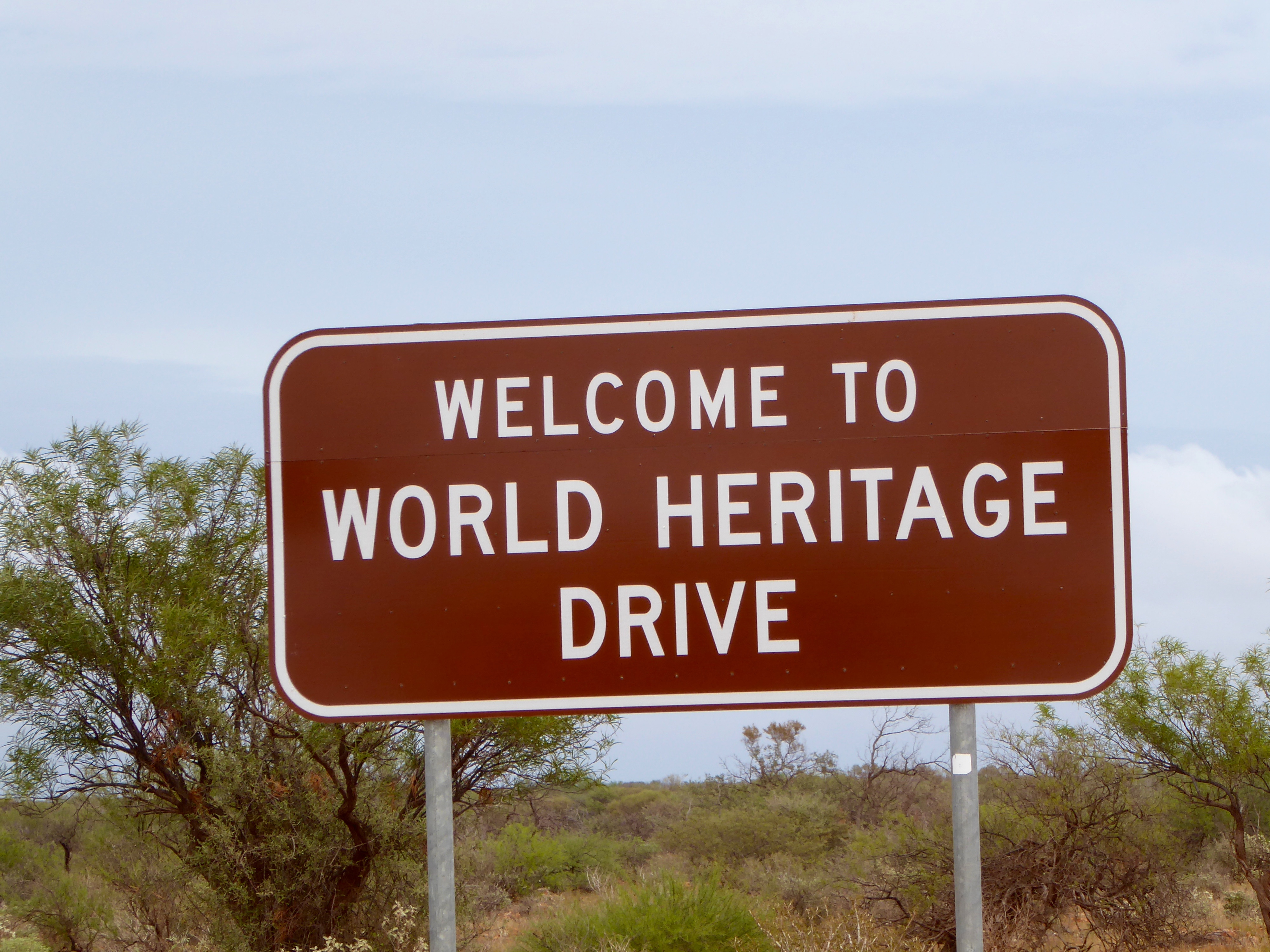
Shark Bay is an area, not just one place.   We are driving on the World Heritage Drive.

World Heritage Drive is quite long

World Heritage Drive is quite long.   We will here a few days

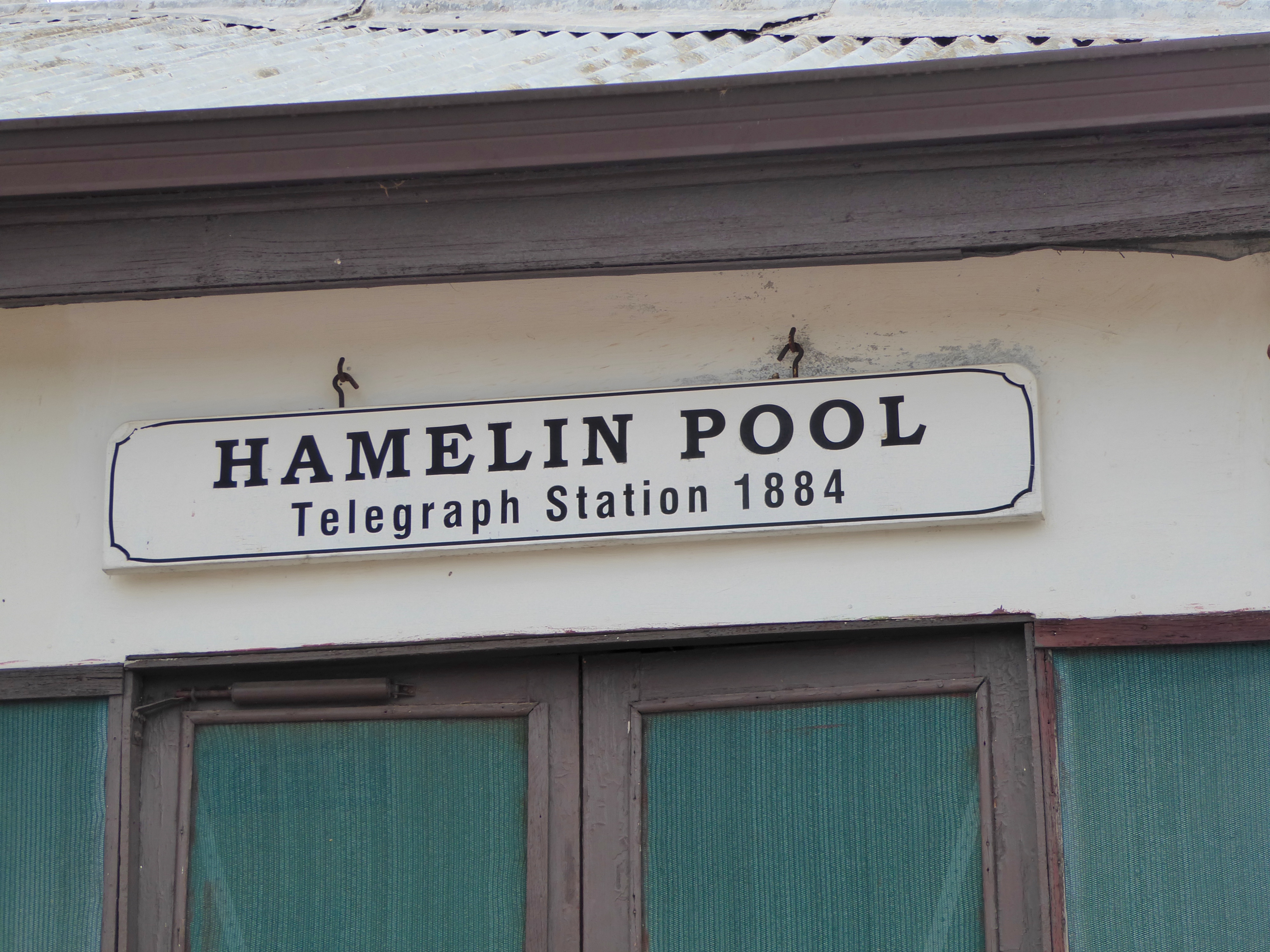
First stop is Hamelin Pool to see the only remaining Telegraph Repeater Station, established in 1884.

Hamelin Pool. Helped NASA in 1964

Hamelin Pool.    Mrs. Lillian O’Donahue helped NASA in 1964 from this station

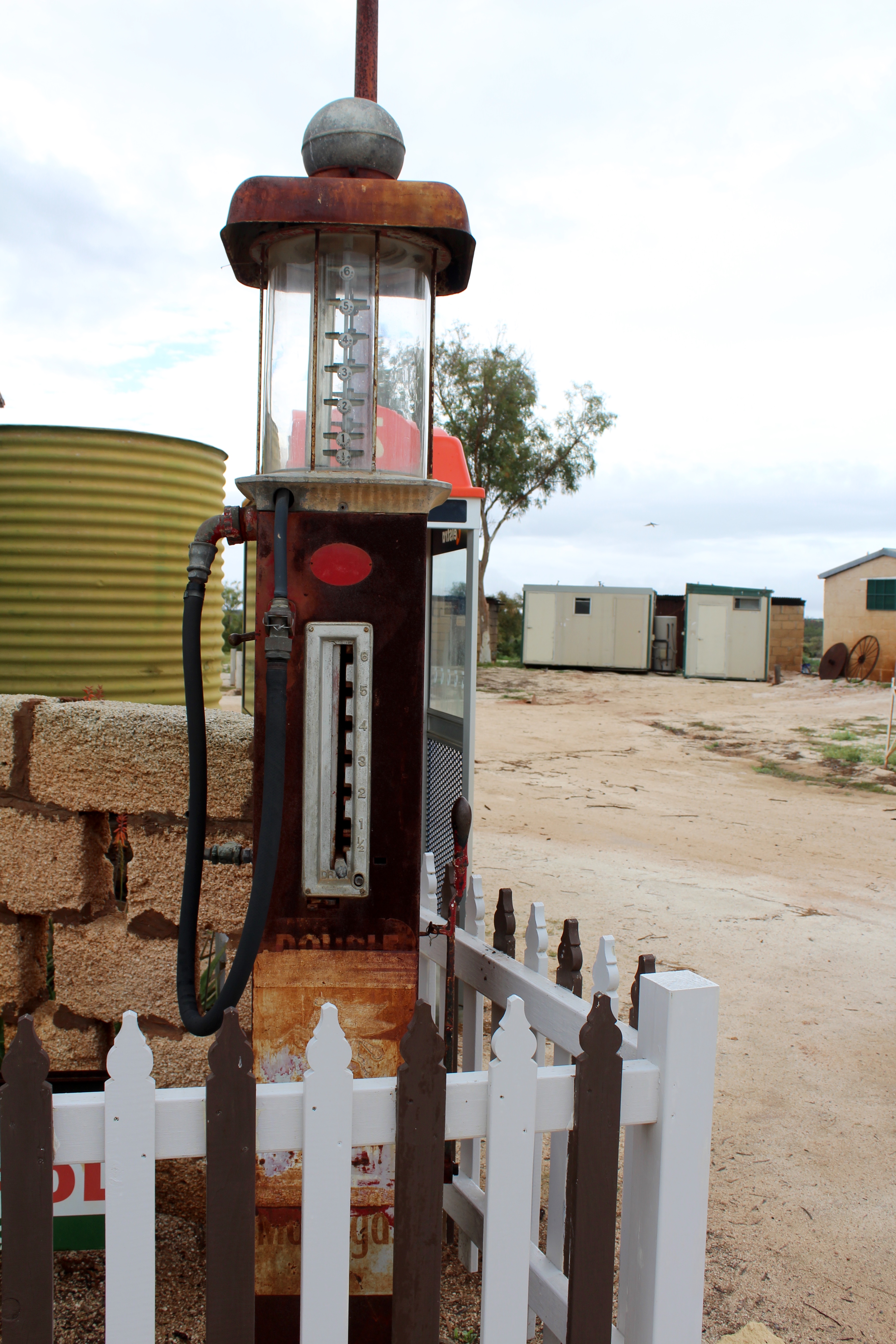
We like the gas or petrol pump here also.

Old

Old gas pump

Inside the telegraph station, there was a sign explaining the evolution of communication:  from dot dash to dot com.   On 1964 the first Gemini space capsule was to be traced across Australia, but there was a temporary problem with the phone line.   Mrs. Lillian O’Donohue using the Morse code link, spent 4 hours relaying important information through Hamelin Pool until the phone line was fixed.

Hamelin Pool Telegraph Station of 1884

Hamelin Pool Telegraph Station of 1884 with petrol pump and telephone booth

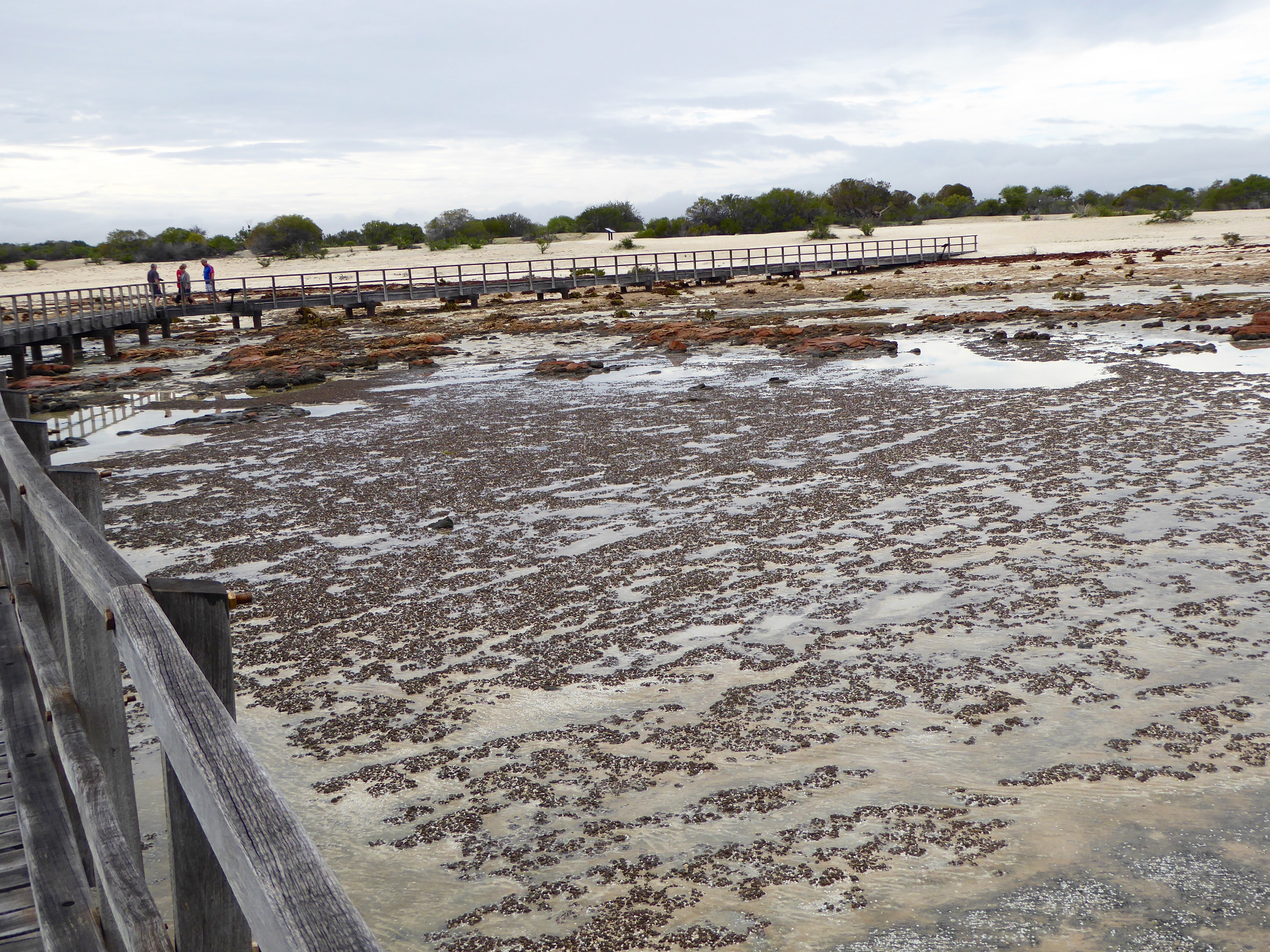
NASA gave her a special award for her help.   Next we went to see the stromatolites.   Walking along this boardwalk,

Great viewing boardwalk

Great viewing boardwalk

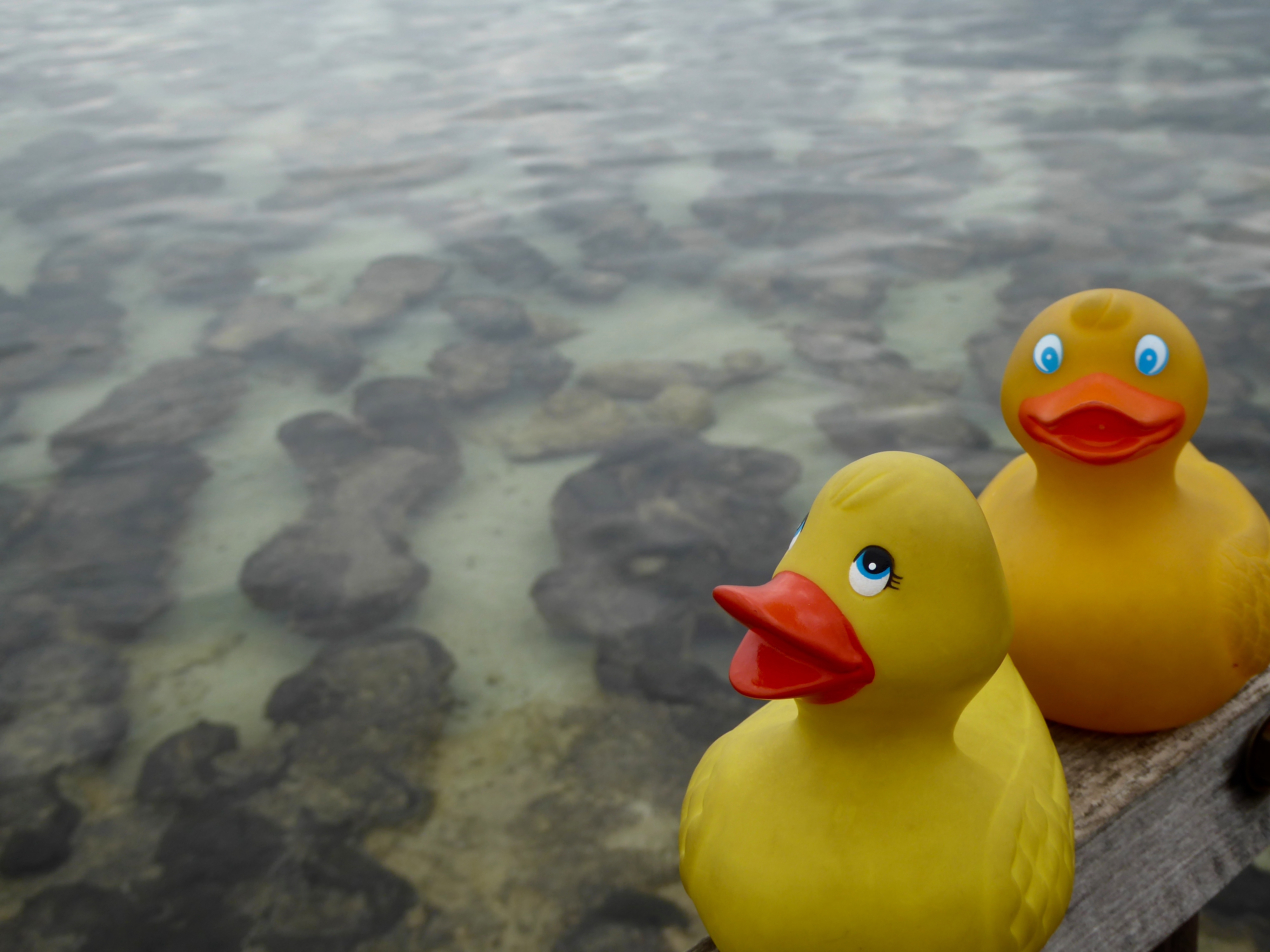
we read the explanations of stromatolite and also looked at them growing in the water.


Growing s

Natural growing stromatolites

Many growing str

Many growing stromatolites

Hamelin Pool is one of a few places on earth where living marine stromatolites exist.   The rocky looking lumps in the water are the oldest and simplest forms of life on earth dating back 3.5 billion years.   The water at Hamelin Pool is twice as saline as usual sea water, due to sea grass banks situated across the bay’s entrance and rapid evaporation from the shallow water.

Stro at Hamelin Pool

Stromatolites at Hamelin Pool

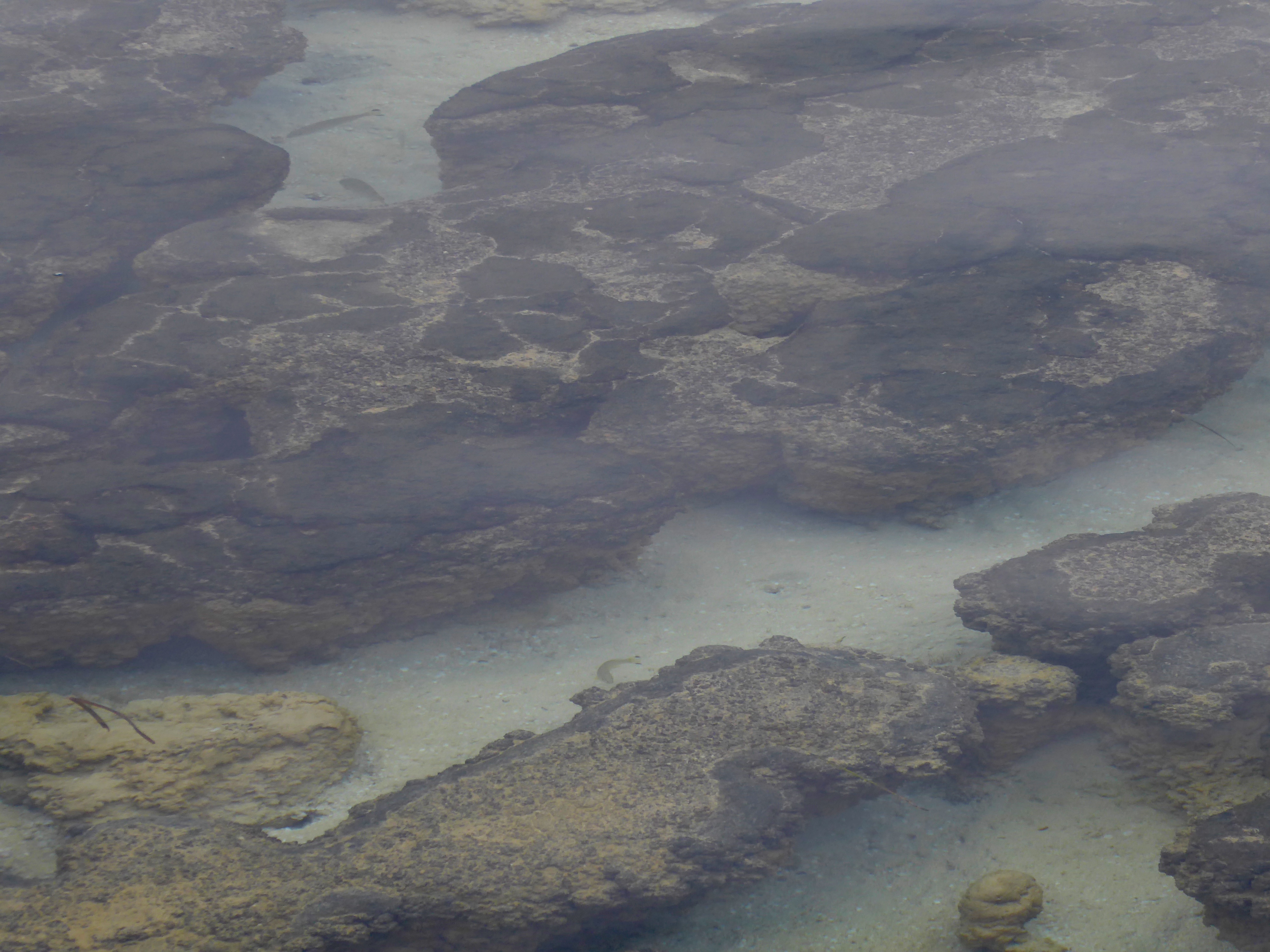
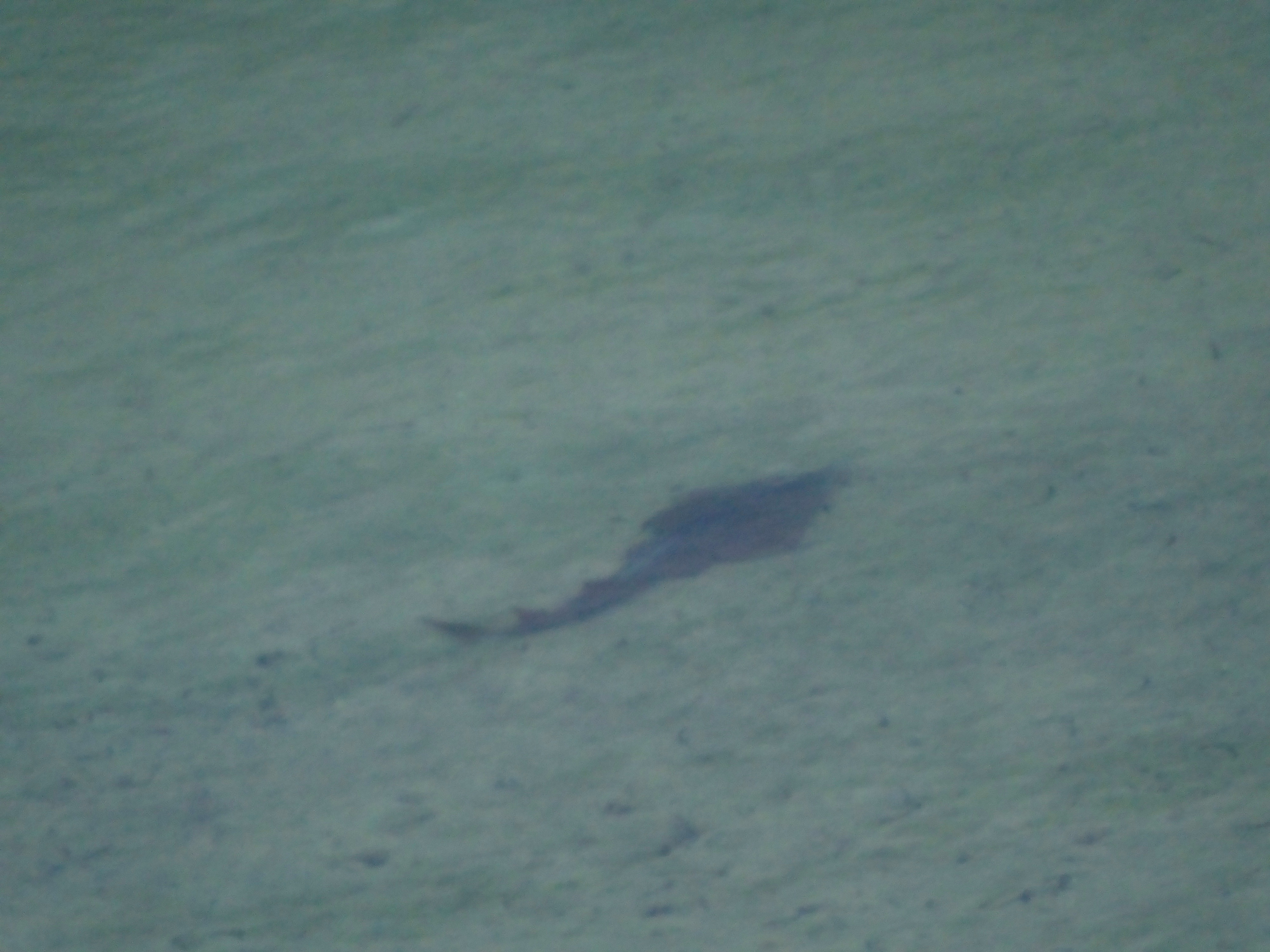
At Eagle Bluff we looked into the shallow water of Shark  Bay Marine Park and saw Cowtailed stingray.   They were visible and we saw them move but photos were not successful.   Walking along the boardwalk on the edge of the cliff, we saw Nervous Shark.   This photo shows one of the shark.

Nervous Shark

Nervous Shark

We saw more than 3 of them, but again, photos were not great.   Seeing the sharks and stingray in the ocean was wonderful!   Part of the coastline was rocky and really beautiful.

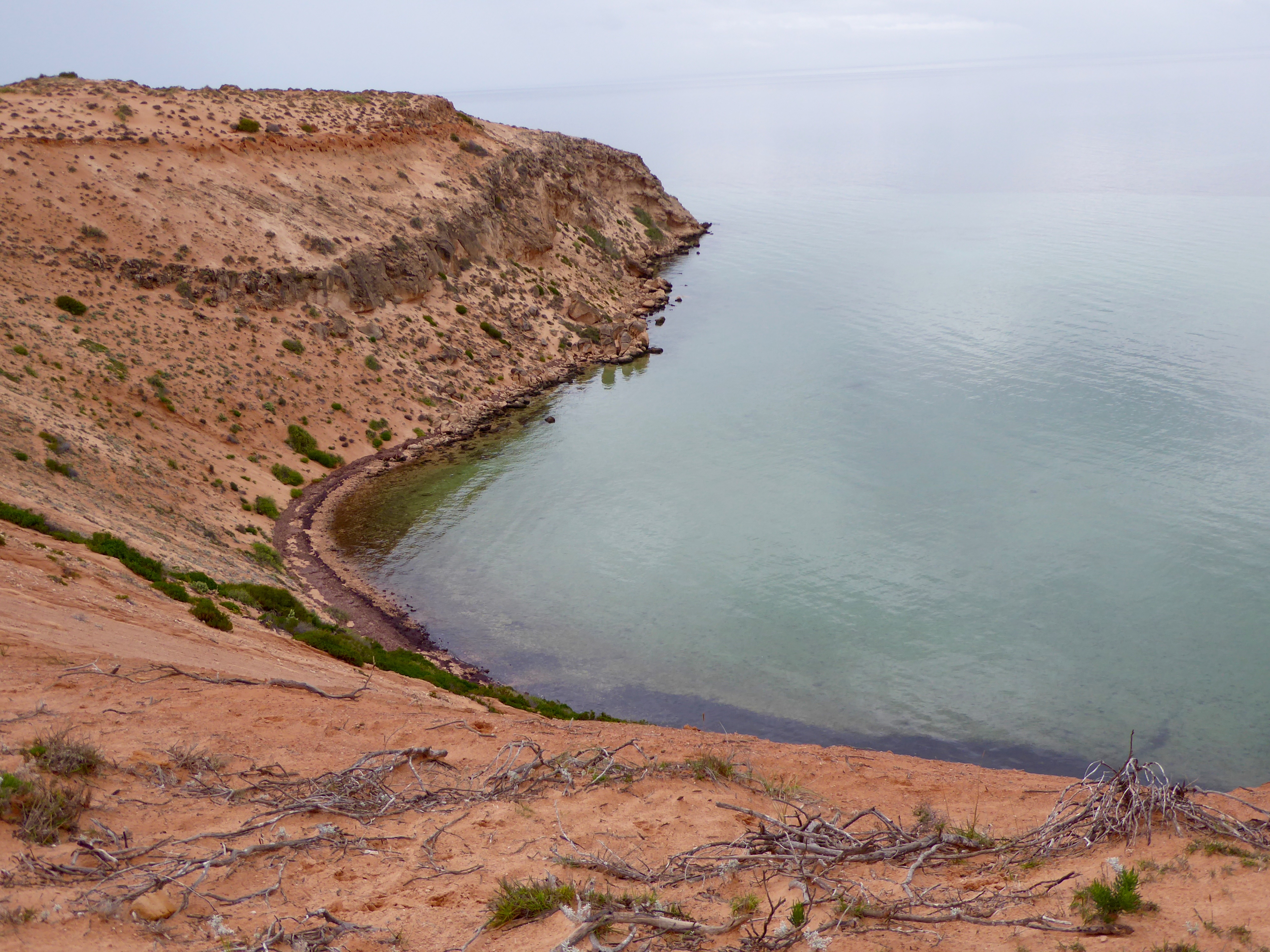
Love the rocky coastline

Love the rocky coastline

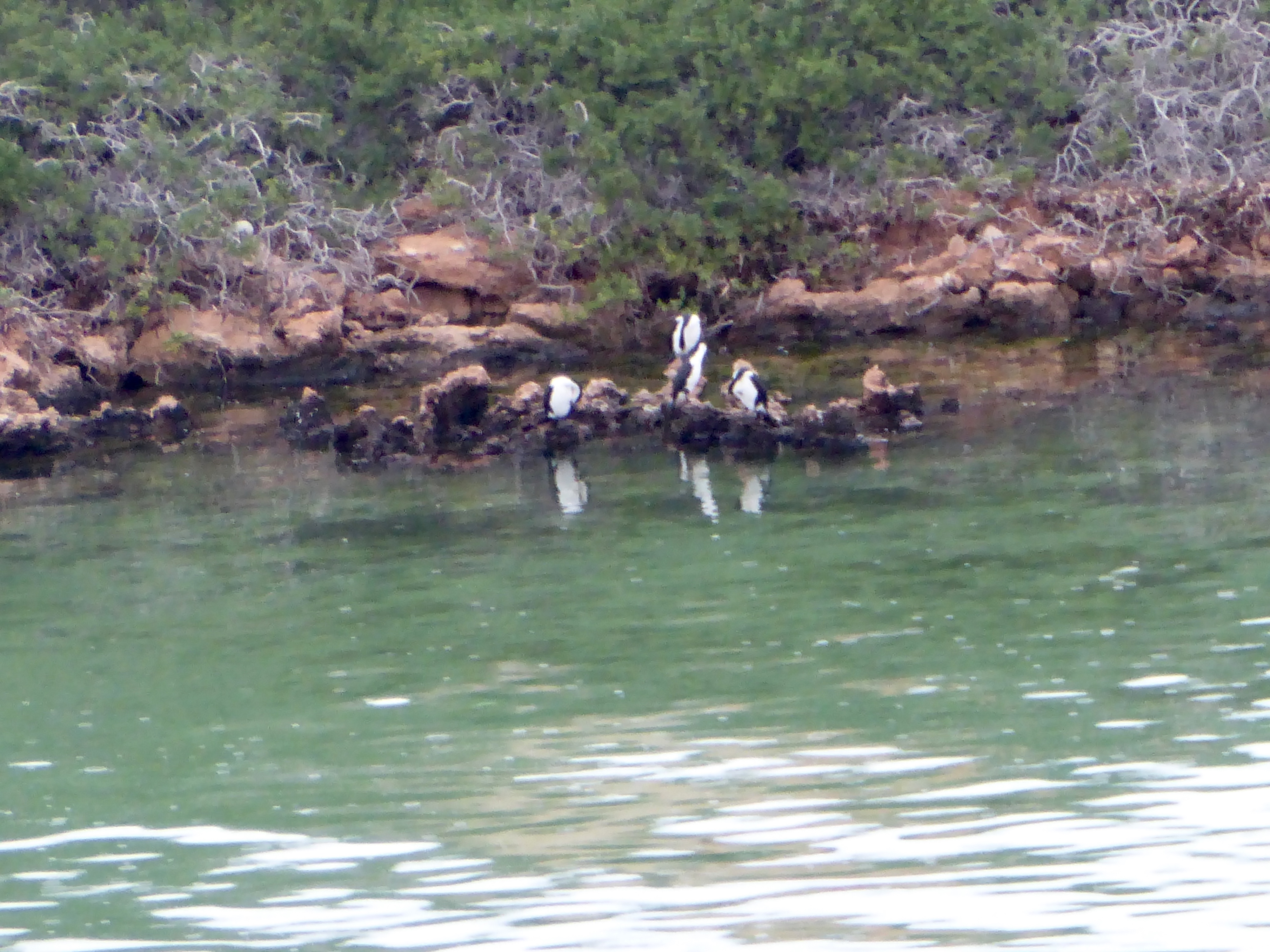
These islands are now important bird breeding colonies.

Island primarily breeding area for birds

Island primarily breeding area for birds

Further along the World Heritage Drive, we stopped at Little Lagoon.

Little Lagoon

Little Lagoon

The lagoon is almost a perfect circle in shape.   This was once a land-locked birrida (gypsum pan) that was inundated by the sea several thousand years ago.   Linked to the sea by a small tidal channel, Little Lagoon is a natural nursery for several species of fish.   Also when we were here, a man was having a problem getting his dog, Smiley, in the truck to go home.   Smiley wanted to play and swim.   We hope Smiley and his human got home without much trouble.   Next time we will tell you about a special beach at Shark Bay World Heritage Site.

Zeb and Soapy Smith Duck Welcome Autumn in Colorado

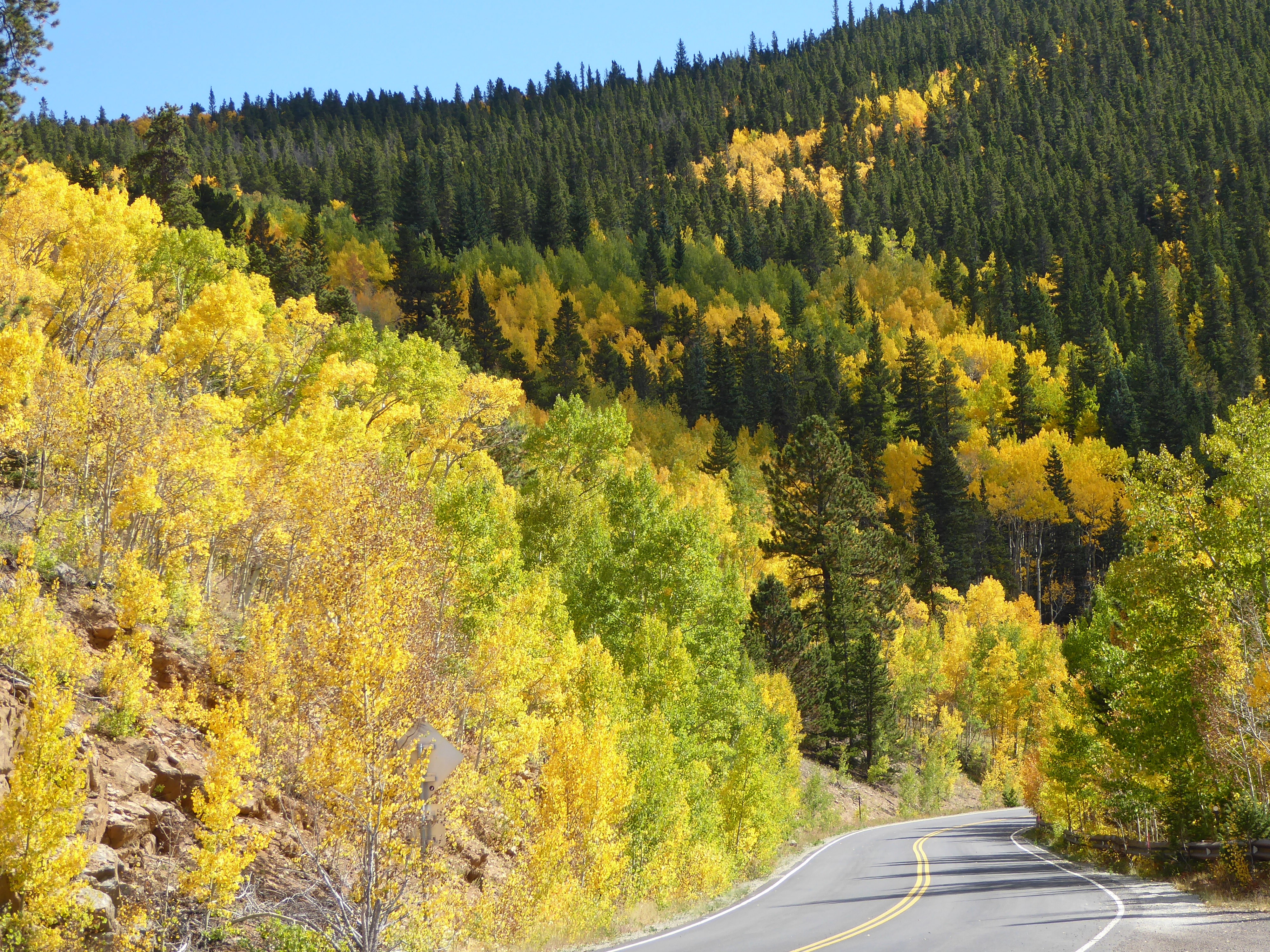
Yesterday, Wednesday, according to our calendar, was the first day of autumn.   Zeb and Soapy discovered autumn colors in the mountains.   We went to Echo Lake, near Idaho Springs, Colorado.   Driving down the road we admired the fall colors and the brilliant blue sky.

Driving we appreciate the colors and the vivid blue Colorado sky

Driving we appreciate the colors and the vivid blue Colorado sky

Of course, we had to look back and see the colors from the other direction.

Looking back

Looking back

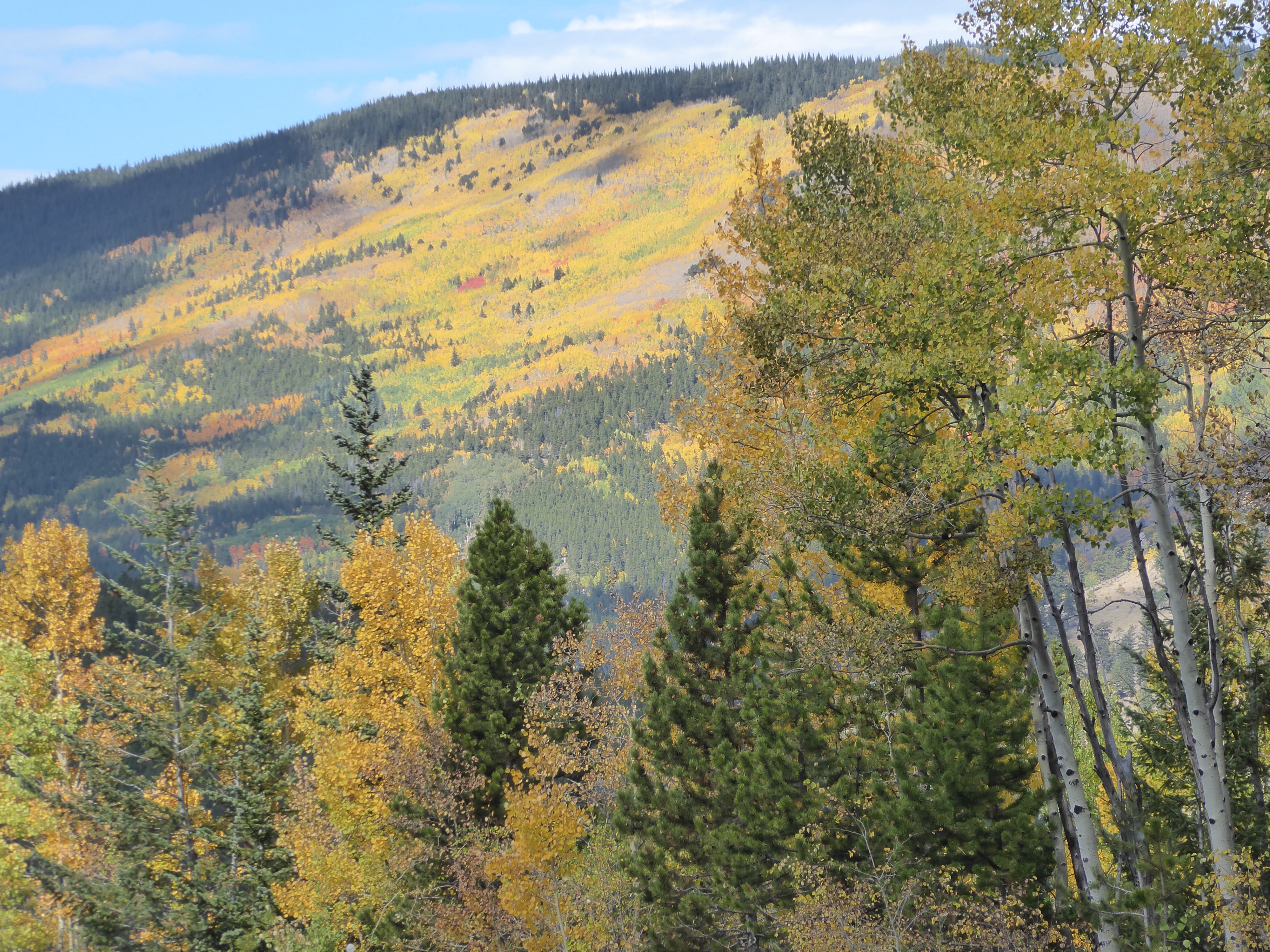
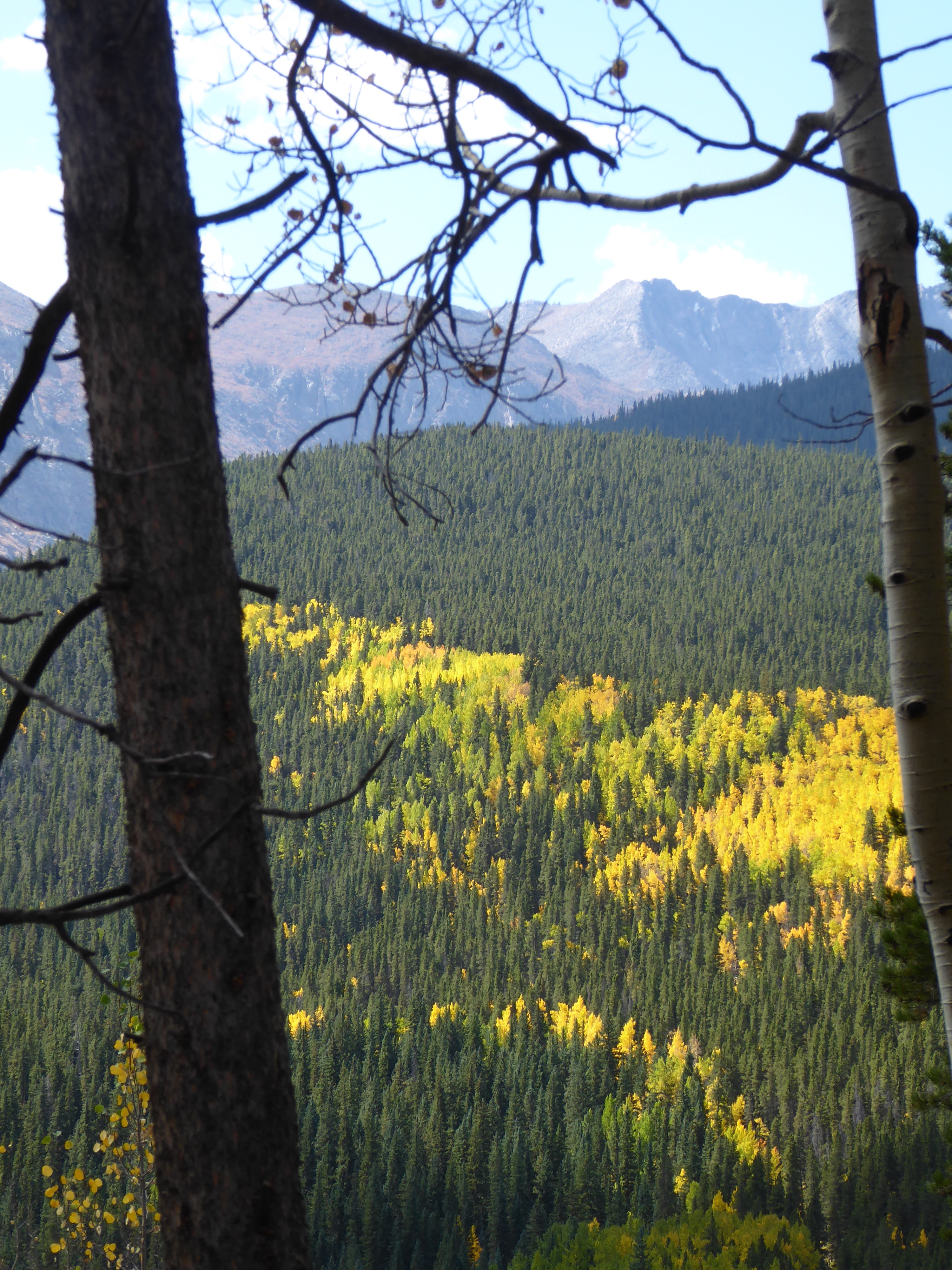
Beautiful, isn’t it?   Looking through the trees, we saw the golden aspen leaves and the majestic Rocky Mountains.

Through the trees we admire aspen and rocky mountains

Through the trees we admire aspen and rocky mountains

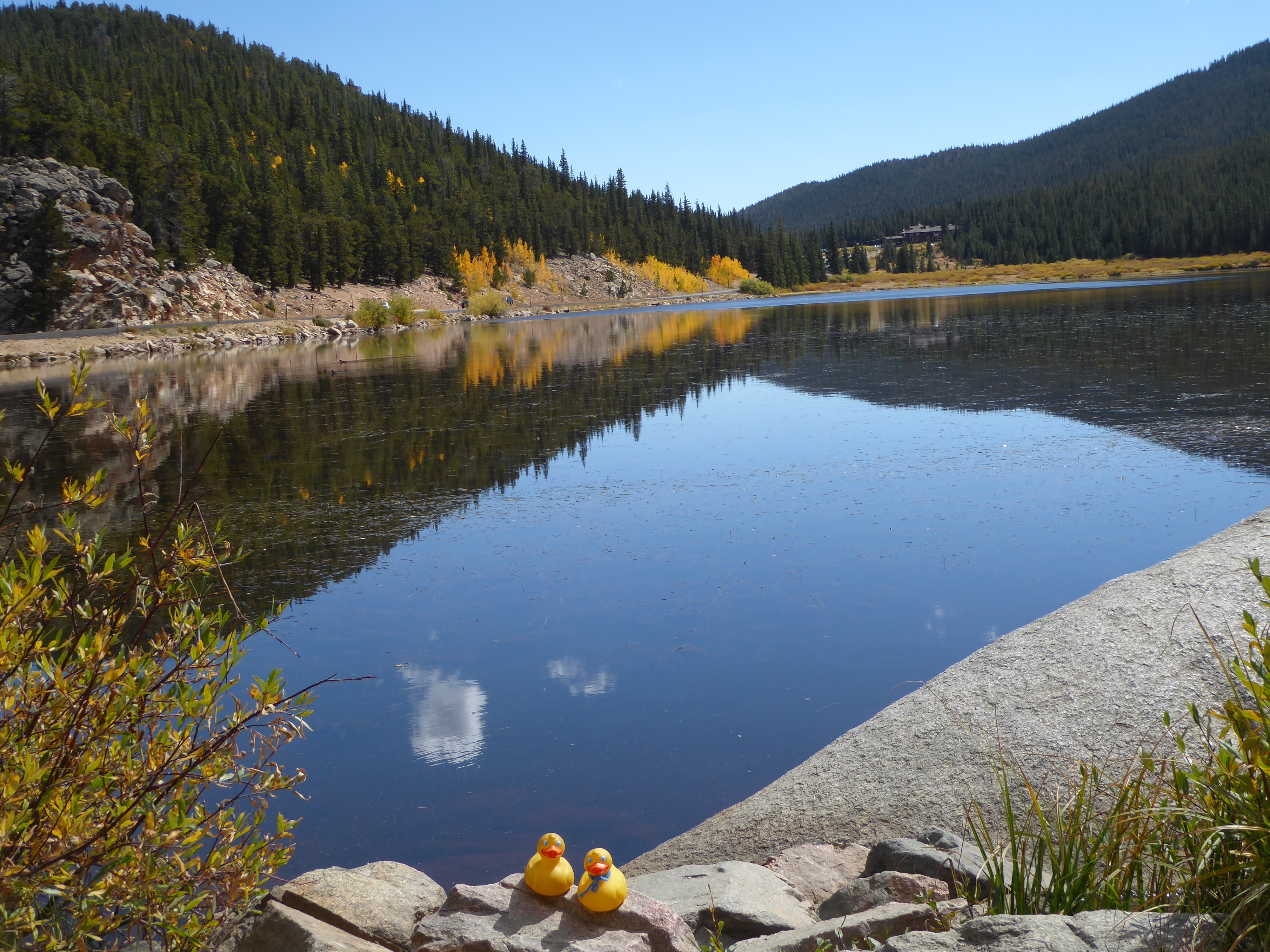
Here we are at Echo Lake.

Echo Lake with reflection

Echo Lake with reflection

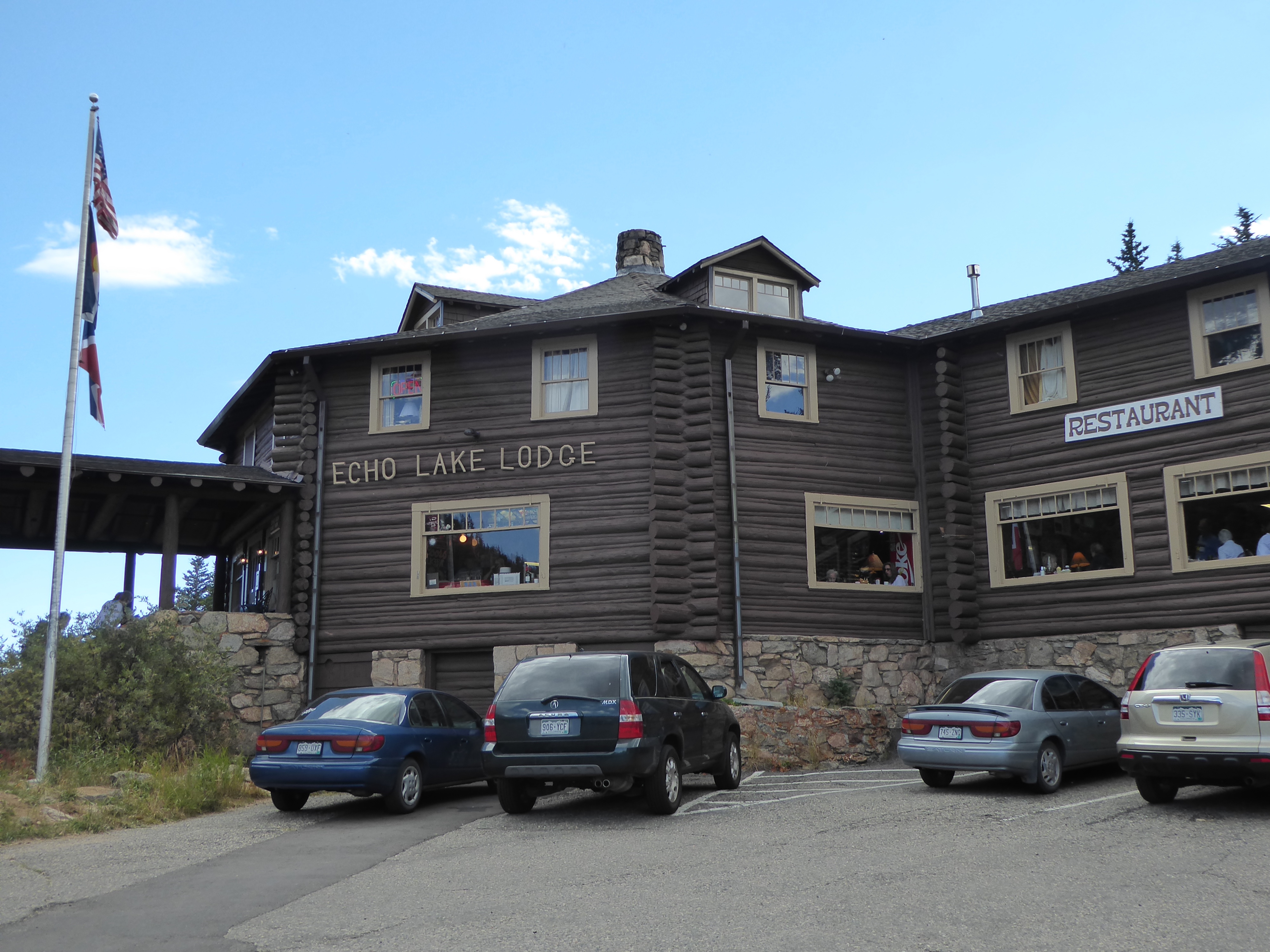
We loved the reflections on the water.   The gold aspens and the fluffy white clouds reflected on the lake made us smile.    It also made us hungry.   The restaurant in the Echo Lake Lodge provided us with a very tasty lunch.

Echo Lake Lodge and Restaurant

Echo Lake Lodge and Restaurant

We are so happy we live in Colorado.